How to Feed Betta Fish Flakes
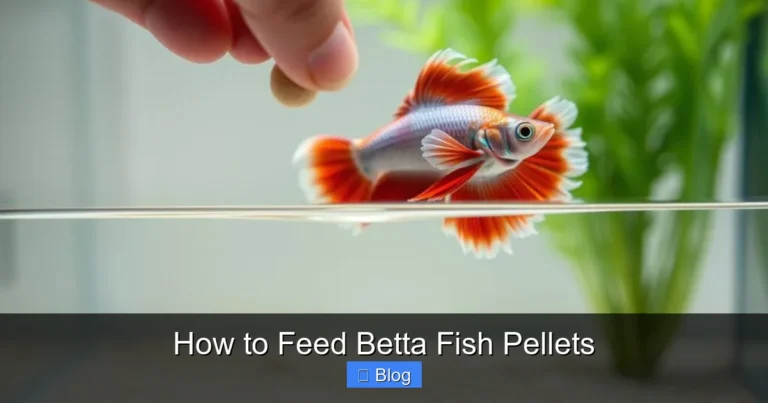
Feeding betta fish flakes correctly is crucial for their health and vibrant colors. The key is offering a tiny, measured portion—no more than a pinch of flakes—once or twice a day, and removing any uneaten food after 2-3 minutes. Always observe your betta during meals to adjust portions and ensure they’re eating eagerly without gulping air. This simple routine prevents fatal constipation, maintains pristine water quality, and supports a long, active life for your aquatic companion.
Key Takeaways
- Betta stomachs are tiny: A betta’s stomach is roughly the size of its eye, so overfeeding is the #1 cause of health issues like constipation and swim bladder disease.
- Less is always more: A safe portion is 2-3 betta-sized flakes per feeding, or a pinch that would cover a dime. When in doubt, underfeed.
- Timing is critical: Feed for 2-3 minutes maximum, then use a net or siphon to remove all uneaten flakes to prevent water pollution and ammonia spikes.
- Observe, don’t just dump: Watch your betta eat. If flakes sink untouched or it ignores food, it may indicate stress, illness, or water parameter issues.
- Flakes are a base, not a complete diet: While convenient, high-quality betta flakes should be supplemented with protein-rich foods like frozen brine shrimp or daphnia 2-3 times a week.
- Water temperature affects digestion: Ensure your tank is between 76-82°F (24-28°C). Colder water slows metabolism, making overfeeding even more dangerous.
- Consistency prevents problems: Feed at the same times daily to establish a routine, which reduces stress and helps you monitor appetite changes quickly.
📑 Table of Contents
- Why Proper Flake Feeding is Non-Negotiable for Your Betta’s Health
- Choosing the Right Flakes: It’s Not All Created Equal
- The Golden Rules of Portion Control: How Much is “A Pinch”?
- The Act of Feeding: A Step-by-Step Ritual
- Common Mistakes & How to Fix Them: The Betta Owner’s Troubleshooting Guide
- Beyond the Basics: Nutrition, Variety, and Long-Term Wellness
- Conclusion: Feeding as an Act of Partnership
Why Proper Flake Feeding is Non-Negotiable for Your Betta’s Health
Let’s be honest: watching a betta fish flare its fins and greedily chase down food is one of the simple joys of aquarium keeping. But behind that vibrant display lies a delicate digestive system and a fierce, territorial nature that makes how to feed betta fish flakes a skill every owner must master. Betta splendens, with their jewel-toned scales and dramatic personalities, are carnivores by nature. In the wild, they snack on insects and larvae that fall into the water. Our flake foods, while convenient, are often carbohydrate-heavy and can wreak havoc if not offered correctly.
The consequences of improper feeding are swift and severe. Overfeed a betta once, and you might just see cloudy water. Overfeed it consistently for a week, and you’re looking at a constipated, lethargic fish prone to dropsy (a deadly symptom of internal infection) or swim bladder disorder (where it floats upside down or sinks, unable to swim properly). Underfeeding, while less immediately dangerous, leads to faded colors, a weakened immune system, and a listless disposition. The sweet spot—that perfect balance of nutrition without waste—is what this guide is all about. We’re going to break down exactly how to feed betta fish flakes so you can enjoy a thriving, active companion for years.
Choosing the Right Flakes: It’s Not All Created Equal
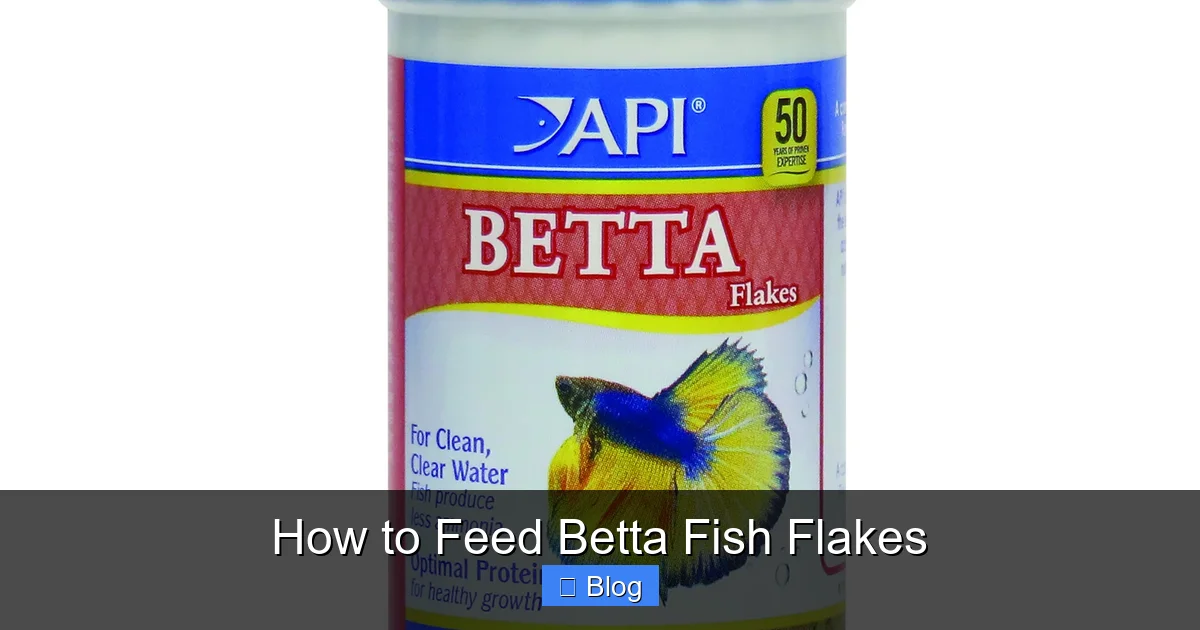
Before we even discuss portions, you must start with the right food. Walk into any pet store, and you’ll see rows of colorful flake containers. Many are formulated for “tropical fish” or “community tanks,” which is a red flag for your solitary, carnivorous betta.
Visual guide about How to Feed Betta Fish Flakes
Image source: bettafishworld.com
Decoding the Ingredient List: What to Look For
The first three ingredients on the label should be whole fish, shrimp meal, or squid meal. If you see “wheat flour,” “soybean meal,” or “corn gluten meal” at the top, put that container back. Bettas need protein—lots of it. A high-quality betta-specific flake will have a protein content of at least 40-45%. Look for brands that also include natural color enhancers like astaxanthin (from algae) and beta-carotene, which help maintain those stunning reds and blues.
The Problem with Generic “Tropical Flakes”
Standard tropical flakes are essentially fish-shaped bread crumbs. They’re packed with fillers like wheat and potato starch to make them bulk up and float. A betta’s short digestive tract isn’t designed to process these complex carbs. The result? Fermentation in the gut, leading to constipation, gas, and ultimately, swim bladder issues. Think of it like feeding a lion a diet of white bread—it might eat it, but it’s not getting what it needs to thrive.
Pro Tip: Buy a small container of high-quality betta flakes first. Even premium food loses nutritional value once opened and exposed to air and moisture. Store it in an airtight container in a cool, dark place to preserve vitamins and prevent rancidity.
The Golden Rules of Portion Control: How Much is “A Pinch”?
This is the heart of how to feed betta fish flakes. Everyone has heard “a pinch,” but what does that actually mean? Let’s get surgical with your betta’s meals.

Visual guide about How to Feed Betta Fish Flakes
Image source: bettafishworld.com
The “Eye-Size” Method: Your Most Reliable Tool
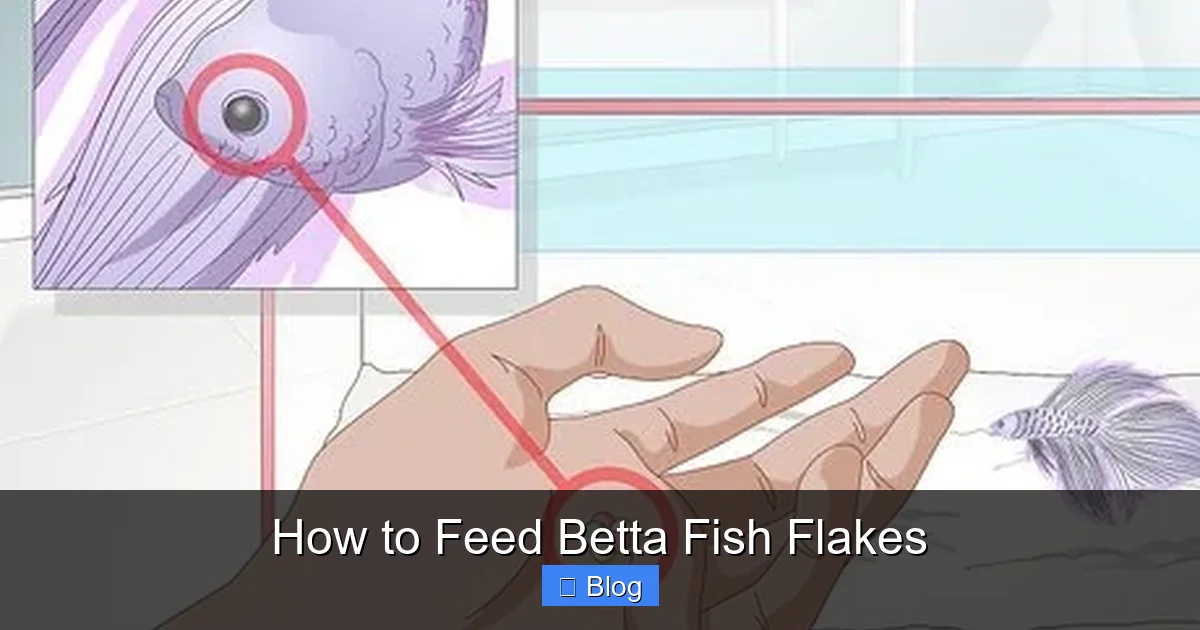
Here’s a foolproof visualization: your betta’s stomach is approximately the size of its eye. That’s it. That’s the maximum volume of food it can comfortably digest in one sitting. For an adult betta (about 2-3 inches long), this translates to roughly 2-3 small flakes per feeding. If you’re using a flake that’s larger than a betta’s eye, gently crush it between your fingers first.
Measuring Without a Scale: Practical Techniques
Since we’re not all carrying micro-scales to our fish tanks, use these everyday methods:
- The Dime Test: Sprinkle flakes onto a white piece of paper or your palm. The amount that would cover a U.S. dime (or a small coin in your country) is a generous portion for one betta. For a smaller or younger fish, use a nickel’s worth.
- The Two-Second Rule: Gently tap the flake container over the water. Let flakes fall for no more than two seconds. That’s usually a perfect single serving. If you’re feeding multiple bettas in a divided tank, adjust accordingly.
- The “No More Than They Can Eat” Principle: This is the ultimate rule. Your goal is to offer an amount your betta will consume completely within 30-60 seconds of hitting the water surface.
Frequency: How Many Meals Per Day?
Adult bettas do best with two small meals per day, spaced about 8-12 hours apart (e.g., morning and early evening). This mimics their natural grazing pattern and keeps their metabolism steady. Younger, growing bettas ( fry and juveniles) may need 3-4 tiny meals daily, but these should be of specially formulated fry food or crushed betta pellets, as their tiny mouths struggle with standard flakes.
Warning: Never “load up” a betta before a weekend or a trip. Their systems can’t handle a feast-and-famine cycle. If you’re away, use an automatic feeder with a single, pre-measured portion per day, or ask a friend to follow your strict schedule.
The Act of Feeding: A Step-by-Step Ritual
Now that you have the right food and the right portion, the method matters. Simply sprinkling flakes from the box is a recipe for disaster.
Visual guide about How to Feed Betta Fish Flakes
Image source: smartaquariumguide.com
Step 1: The Pre-Feed Check
Before you even touch the food, spend 30 seconds observing your betta. Is it actively swimming? Are its fins fully extended? Is it curious and coming to the front of the tank? A betta that is hiding, clamped (fins held tightly to its body), or lethargic may be sick or stressed. Do not feed a betta that isn’t alert and showing interest. Forcing food on a sick fish can worsen its condition. Instead, check your water parameters (ammonia, nitrite, nitrate, pH) first.
Step 2: The Gentle Introduction
Take your measured pinch of flakes between your thumb and forefinger. Hold your hand just above the water’s surface. Gently rub your fingers together, allowing the flakes to cascade down like a tiny, slow-motion waterfall directly onto the water. Why not just sprinkle from the container? This prevents the flakes from scattering and sinking into the filter intake or getting wedged in decorations before your betta sees them. It also mimics the natural “falling insect” presentation that triggers their hunting instinct.
Step 3: The 2-3 Minute Watch Period
This is the most important step. Set a timer for 2 minutes. Watch your betta like a hawk. Does it race to the top and gobble flakes? Does it take a bite, swim away, then return? Ideal behavior: Active pursuit, quick consumption, and a full, rounded belly (subtly visible behind the gills). Red flags: Flakes sinking untouched, the betta taking a bite and spitting it out, or it ignoring food entirely. If flakes are sinking before your betta notices, try holding the flakes even closer to the surface or using a feeding ring to corral them.
Step 4: The Post-Feed Cleanup (Non-Negotiable)
When the timer goes off, or when your betta loses interest and swims away, it’s cleanup time. Every single uneaten flake must be removed. Use a fine-meshed fish net to scoop any flakes floating on the surface. For any that have already sunk, use a gravel vacuum or siphon lightly over the substrate where flakes settled. Leaving them to decay creates a spike in ammonia and nitrites within hours, poisoning your fish and clouding the water. This 60-second cleanup is the single most impactful thing you can do for long-term tank health.
Common Mistakes & How to Fix Them: The Betta Owner’s Troubleshooting Guide
Even with the best intentions, problems arise. Let’s diagnose the most common issues.
“My Betta Isn’t Eating!”
First, don’t panic. A missed meal is rarely an emergency for a healthy adult betta. Causes are usually environmental:
- Water Temperature Too Low: Below 76°F (24°C), metabolism slows dramatically. Use a reliable aquarium heater.
- Poor Water Quality: Test for ammonia and nitrite. Any detectable amount can suppress appetite. Perform a partial water change (25-30%) with dechlorinated, temperature-matched water.
- Stress: A new betta in a new tank can take 2-3 days to settle. Bright lights, loud noises, or a aggressive tank mate (even a reflection) can cause refusal to eat. Cover the tank with a towel for an hour to calm it.
- Food Issues: Flakes may be too large, stale, or simply not appealing. Try soaking flakes in a bit of tank water for 30 seconds to soften them, or switch to a high-quality micro-pellet.
“My Betta is Constipated / Has Swim Bladder”
The classic symptoms: a bloated, pinecone-like appearance (constipation) or floating upside down, sinking, or swimming erratically (swim bladder). The first and most common cause is overfeeding, especially of flake foods.
Immediate Action: Stop feeding for 48 hours. This gives the digestive system a complete rest. During this fast, perform a 25% water change to ensure pristine conditions. After 48 hours, offer a cooked, peeled pea (microwaved for 30 seconds, then cooled and skinned). The fiber acts as a laxative. Drop a tiny piece near your betta. If it eats, great. If not, try again in a few hours. For severe cases, a fasting period of 3-5 days is often necessary. If symptoms persist beyond a week, consult a vet specializing in fish—internal parasites or bacterial infections could be the culprit.
“The Water Gets Filthy Immediately After Feeding”
This points to two issues: overfeeding and possibly the wrong food. Switch to a higher-quality, protein-rich flake that holds its shape better and doesn’t disintegrate instantly. More importantly, you are feeding too much. Reduce your portion by half and be ruthless about removing every trace of uneaten food. Invest in a good gravel vacuum to make cleanup efficient.
Beyond the Basics: Nutrition, Variety, and Long-Term Wellness
Mastering how to feed betta fish flakes is step one. But a truly exceptional betta diet requires more strategy.
Why Flakes Alone Are a Long-Term Risk
Even the best betta flakes are processed food. In nature, bettas consume a varied diet of insects, crustaceans, and zooplankton. A flake-only diet lacks certain essential amino acids and enzymes found in whole prey. Over years, this can lead to nutritional deficiencies, faded colors, and a weakened immune system. Think of flakes as your betta’s “daily bread”—necessary for convenience, but insufficient for optimal health.
Building a Rotating Menu: The 80/20 Rule
Aim for a diet that is 80% high-quality staple (flakes or pellets) and 20% “treats” or supplemental foods. This 20% is where the magic happens for color and vitality. Excellent options include:
- Frozen Foods: Thaw a small cube of frozen bloodworms, brine shrimp, or daphnia in a dish of tank water. Offer a few morsels with tweezers or a pipette. These are near-identical to live foods and are packed with nutrients.
- Live Foods: If you’re adventurous, cultivate a small culture of microworms or grindal worms. The hunting stimulation is incredible for your betta’s mental health.
- High-Quality Pellets: Many betta enthusiasts consider pellets superior to flakes. They sink slowly, are easier to portion (one or two pellets), and often have a higher protein content. Soak them briefly if your betta is prone to gulping air.
Feeding Schedule Example: Monday/Wednesday/Friday: Flakes. Tuesday/Thursday: Frozen brine shrimp. Saturday: A tiny piece of peeled pea (for fiber). Sunday: Fast day. This schedule prevents monotony and ensures a broad nutrient intake.
Special Considerations for Different Life Stages
A baby betta (fry) has vastly different needs than a 3-year-old king. For the first week of life, fry require infusoria or commercial fry food so fine it’s almost a powder. As they grow (2-4 weeks), transition to newly hatched brine shrimp (the ultimate superfood) and crushed betta pellets. For elderly bettas (2+ years), digestion slows. Switch to easily digestible, pre-soaked pellets and reduce portions slightly. Always research the specific needs of your betta’s age and size.
Conclusion: Feeding as an Act of Partnership
Feeding your betta is more than a daily chore; it’s a primary form of interaction and a direct line to monitoring its health. When you master how to feed betta fish flakes—and then expand that knowledge to a varied, appropriate diet—you are actively participating in your fish’s well-being. You’ll notice brighter colors, more vigorous fin displays, and a curious, engaging personality. You’ll also spend less time fighting algae blooms and mysterious illnesses. Remember the core principles: tiny portions, high-protein food, ruthless cleanup, and keen observation. Treat each meal as a mini-health check. Your betta, in its silent, flowing way, will thank you with years of captivating beauty. Now, go measure out that pinch—your magnificent friend is waiting.
Frequently Asked Questions
Can betta fish survive on flakes alone?
Yes, bettas can technically survive on a high-quality betta flake diet, but they will not thrive long-term. Flakes alone can lead to nutritional deficiencies, faded colors, and digestive issues. For optimal health and vibrancy, flakes should be the base of a varied diet that includes protein-rich foods like frozen or live brine shrimp 2-3 times a week.
What happens if I overfeed my betta fish flakes?
Overfeeding is the most common cause of betta health problems. Excess food decays and pollutes the water, causing dangerous ammonia spikes. Inside the betta, it leads to constipation, which can press against the swim bladder, causing it to float upside down or sink and be unable to swim normally. In severe cases, it can lead to fatal dropsy.
How do I know if my betta is still hungry after feeding?
A healthy, hungry betta will actively chase and consume all offered food within 30-60 seconds. If your betta eats its portion quickly and is still actively searching the water surface for more, you can offer one or two additional flakes. However, if it ignores the initial food, it’s not hungry or may be unwell—do not add more food.
Is it okay if my betta spits out its flakes?
Occasional spitting can happen as a betta tastes new food. However, consistent spitting is a major red flag. It often means the flakes are too large, too hard, or the betta is stressed or internally unwell (like having parasites or a bacterial infection). Try crushing flakes to a finer size or soaking them briefly. If the behavior continues, test your water and consider a fast and a pea treatment for constipation.
Should I soak betta flakes before feeding?
Soaking flakes for 30-60 seconds in a separate cup of tank water can be beneficial. It softens the flakes, making them easier to digest and reducing the risk of your betta gulping air while eating hard, floating food. This is especially helpful for older bettas or those prone to swim bladder issues. Just be sure to offer the soaked flakes immediately so they don’t disintegrate into the water.
My betta only eats the flakes that float, ignoring sinking ones. Is that normal?
Yes, this is perfectly normal betta behavior. Bettas are surface and mid-level feeders by nature. They have an upward-facing mouth designed to grab insects from the water’s surface. If flakes sink before your betta notices, you are likely using too much food or flakes that disintegrate too quickly. Try holding your pinch of flakes closer to the surface when introducing them, or switch to a higher-quality flake that floats longer.