How to Feed Betta Fish Peas
To naturally alleviate constipation in betta fish, feed them small portions of cooked, peeled, and finely chopped peas. This gentle home remedy should be offered sparingly, once or twice a week, to support digestive health without causing upset.
How to Feed Betta Fish Peas
Let’s talk about something that might sound a little odd at first: feeding your betta fish a pea. If you’re a betta owner, you’ve probably heard the whispers in online forums or from fellow fish enthusiasts. “Have you tried the pea trick?” they ask. And if your betta is dealing with a bloated belly, constipation, or just seems a bit lethargic, you’re likely desperate for a safe, simple solution. I’ve been there. Watching your vibrant, flowing-finned friend puff up like a little balloon is a scary sight. You scour the internet, find conflicting advice, and worry about making things worse. That’s exactly why understanding how to feed betta fish peas correctly is such a valuable piece of knowledge for any responsible betta keeper. It’s not a magic cure-all, but when done right, it’s a gentle, natural, and incredibly effective first line of defense against one of the most common betta ailments: digestive blockage. This guide will walk you through every single step, from why a pea works to exactly how to prepare and serve it, ensuring you can help your betta feel better with confidence and care.
Think of this as a friendly chat over the fish tank. I’ll share not just the “what” but the “why” and the “how,” drawing from both established aquatic knowledge and the collective experience of betta owners who have successfully used this method. We’ll clear up the myths (like whether you should use canned or frozen peas) and arm you with a clear, actionable plan. By the end, you’ll know exactly when to use a pea, how to prepare it so it’s safe and appealing, and what to do if it doesn’t work. Your betta’s health is worth that extra bit of know-how.
Key Takeaways
- Always blanch and peel peas to make them digestible for bettas.
- Only feed a tiny pea piece once as a digestive remedy, not a staple.
- Never overfeed peas as it can cause severe bloating and health issues.
- Remove all uneaten pea immediately to prevent water contamination.
- Peas are a temporary laxative, not a replacement for a proper betta diet.
- Monitor your betta closely after feeding for signs of improvement or distress.
- Consult a vet if constipation persists despite proper pea treatment.
📑 Table of Contents
- Why Peas? Understanding the Betta’s Digestive Dilemma
- Step 1: Choosing and Preparing the Perfect Pea
- Step 2: The Art of Feeding – Administration and Observation
- Step 3: Fasting and Follow-Up Care
- When the Pea Doesn’t Work: Troubleshooting and Alternatives
- Prevention is Better Than Cure: A Long-Term Betta Diet Plan
- Common Mistakes to Avoid: The Pitfalls of Pea Treatment
- Conclusion: A Powerful Tool in Your Betta-Keeping Toolkit
Why Peas? Understanding the Betta’s Digestive Dilemma
Before we dive into the “how,” it’s crucial to understand the “why.” Betta fish are carnivores by nature. In the wild, their diet consists mainly of insects, larvae, and tiny crustaceans. Their digestive systems are short and designed to process protein efficiently, not plant matter. This biological setup is the root of the problem. When we keep bettas in captivity, we often feed them high-quality pellets or frozen foods, which is great. But issues arise from overfeeding, feeding foods that are too large or hard to digest, or a lack of dietary fiber. The result? A sluggish digestive tract leading to constipation, bloating, and even life-threatening conditions like swim bladder disorder. The swim bladder is a gas-filled organ that helps fish control their buoyancy. When pressure from a constipated intestine pushes against it, your betta can’t swim properly—it might float upside down, sink to the bottom, or struggle to maintain its position.
The Magic of Fiber: How a Pea Works Wonders
This is where the humble green pea comes in. Peas are an excellent source of dietary fiber and have a mild natural laxative effect. Here’s the simple science: the fiber adds bulk to the stool and helps gently push everything through your betta’s system. It’s a soft, non-invasive way to clear a blockage without harsh medications. It’s not about “filling them up” but about using the pea’s properties as a therapeutic tool. Think of it like giving a constipated person a gentle, natural fiber supplement. The goal is to get things moving again, relieving the pressure on the swim bladder and allowing your betta to return to its normal, active self. It’s a remedy, not a staple food.
When to Consider the Pea Treatment: Common Signs
Knowing the symptoms that warrant a pea treatment is half the battle. Don’t wait until your betta is severely ill. Look for these early warning signs:
- Visible Bloating: A noticeably swollen or puffy abdomen, especially around the belly area.
- Lethargy: Hiding more than usual, resting on the tank bottom, or a general lack of energy.
- Swimming Issues: Difficulty maintaining balance, swimming upside down, floating to the top and being unable to dive, or sinking and being unable to rise.
- Loss of Appetite: Ignoring food it would normally gobble up.
- Straining: You might even see your betta trying to defecate but producing nothing or only small, stringy waste.
If you see one or more of these signs, how to feed betta fish peas correctly should be your next immediate step. However, it’s vital to rule out other serious issues like dropsy (a bacterial infection causing severe bloating and pineconing scales) or internal parasites. If your betta shows signs of dropsy—raised, pinecone-like scales—the pea treatment will not help and requires urgent veterinary attention. When in doubt, a quick photo to a knowledgeable vet or experienced forum can provide clarity.
Step 1: Choosing and Preparing the Perfect Pea
Not all peas are created equal in the betta world. The preparation is non-negotiable; skipping steps can turn a helpful remedy into a dangerous one. The cardinal rule is: you must cook and peel the pea. A raw pea is too hard for a betta to digest and could cause a fatal impaction. The skin of the pea is also indigestible. Let’s break down your options.
Visual guide about How to Feed Betta Fish Peas
Image source: wikihow.com
Frozen vs. Canned vs. Fresh: Which Pea Wins?
This is a common point of debate. Here’s the straightforward breakdown:
- Frozen Green Peas (The Gold Standard): This is the most recommended option. They are typically frozen at peak freshness, contain no added salt or preservatives, and are easy to portion. You simply take one or two out, thaw, cook, and peel. They are inexpensive and have a long shelf life.
- Canned Green Peas (Use with Extreme Caution): If this is your only option, you must choose a brand that is packed in water, not brine or salt. Salt is toxic to fish. Even then, you must rinse the pea thoroughly under dechlorinated water to remove any residual sodium or canning liquid. The texture can sometimes be mushier than frozen, which can be a pro or con.
- Fresh Green Peas: These work perfectly fine. Just ensure they are fresh, organic if possible (to avoid pesticides), and you cook and peel them properly.
- Avoid: canned peas in salt, canned peas with seasoning, dried peas, or any pea that isn’t plain, green, and unsalted.
The Non-Negotiable Preparation Ritual: Cook, Cool, Peel, Mash
Follow these steps exactly. This process ensures the pea is safe, digestible, and palatable for your betta.
- Cook: Boil the pea (from frozen or fresh) for 1-2 minutes until it is soft. You should be able to easily pierce it with a fork. For canned, just ensure it’s heated through.
- Cool: Immediately transfer the cooked pea to a small dish of cool, dechlorinated water (the same water from your tank or properly treated tap water). This stops the cooking process and brings it to room temperature. Never feed a hot pea!
- Peel: Gently pinch the pea between your fingers. The outer skin should slip off easily. Discard the skin. This is the most critical step. The skin is tough and can cause a severe blockage itself.
- Mash: Place the peeled, cooked pea on a clean surface (a plate or paper towel) and mash it into a very fine paste or mush with a fork or the back of a spoon. Betta fish have small mouths and stomachs. They cannot handle a chunk of pea. A mushy consistency is easy for them to consume and digest.
Your final product should be a small amount of smooth, green pea paste. You’ve now created a safe, therapeutic food.
Step 2: The Art of Feeding – Administration and Observation
Now you have your pea mush. The next steps are just as important as the preparation. How and where you feed, and what you do afterward, determine the success of the treatment.
Visual guide about How to Feed Betta Fish Peas
Image source: wikihow.com
Setting Up a “Hospital” or Quarantine Tank (Highly Recommended)
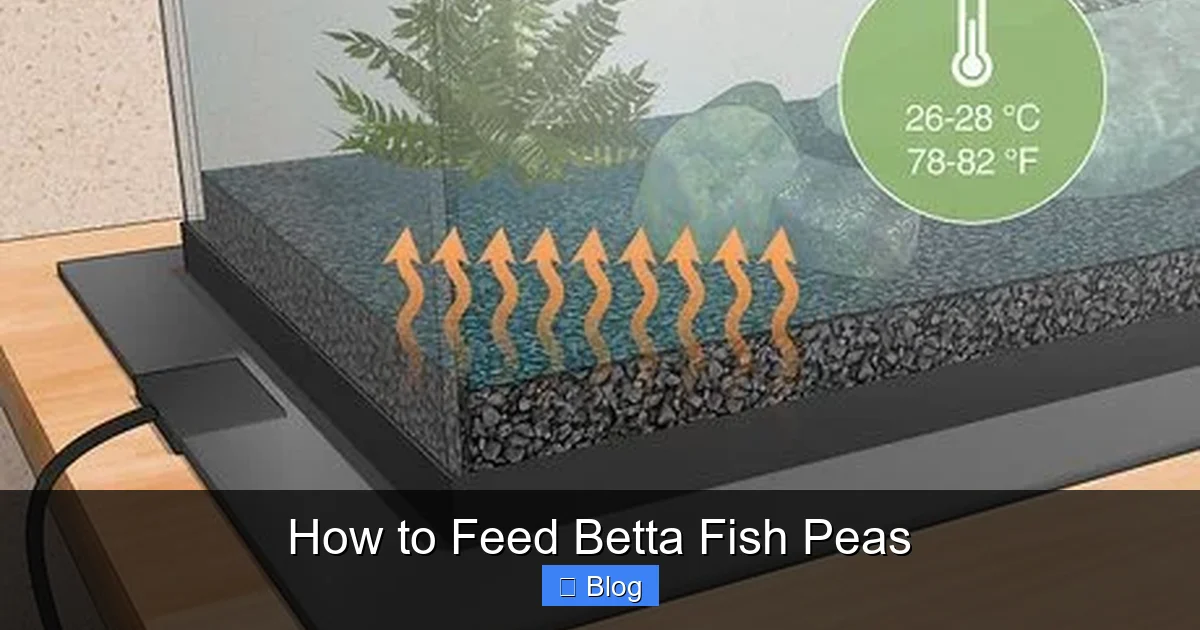
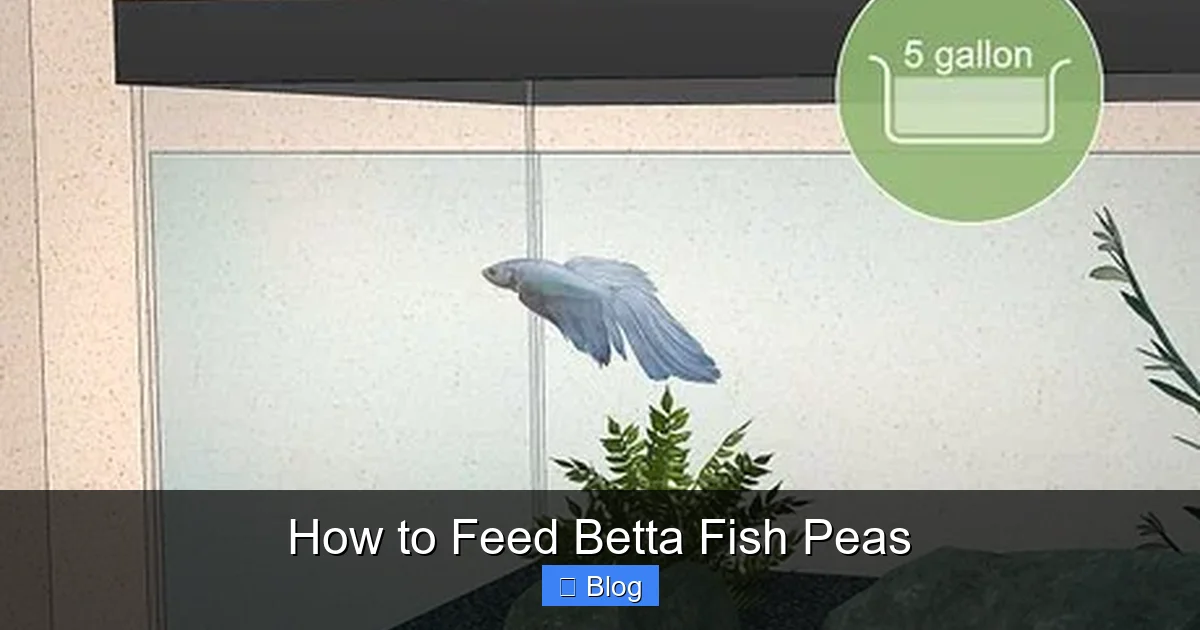
For the best results, and to minimize stress for both your betta and your main aquarium’s ecosystem, use a separate “hospital” tank. This doesn’t need to be fancy—a clean 1-2 gallon container or a small Kritter Keeper works perfectly. Fill it with clean, dechlorinated water at the same temperature as your main tank (around 78-80°F or 25.5-26.5°C). Add nothing—no substrate, no decorations that can harbor waste. The goal is a clean, controlled environment where you can easily monitor your betta and perform water changes. Gently net your betta from the main tank and place it in this hospital setup. This allows you to treat the constipation without polluting your display tank with the increased waste the treatment will produce.
The Feeding Process: A Tiny, Tasty Offering
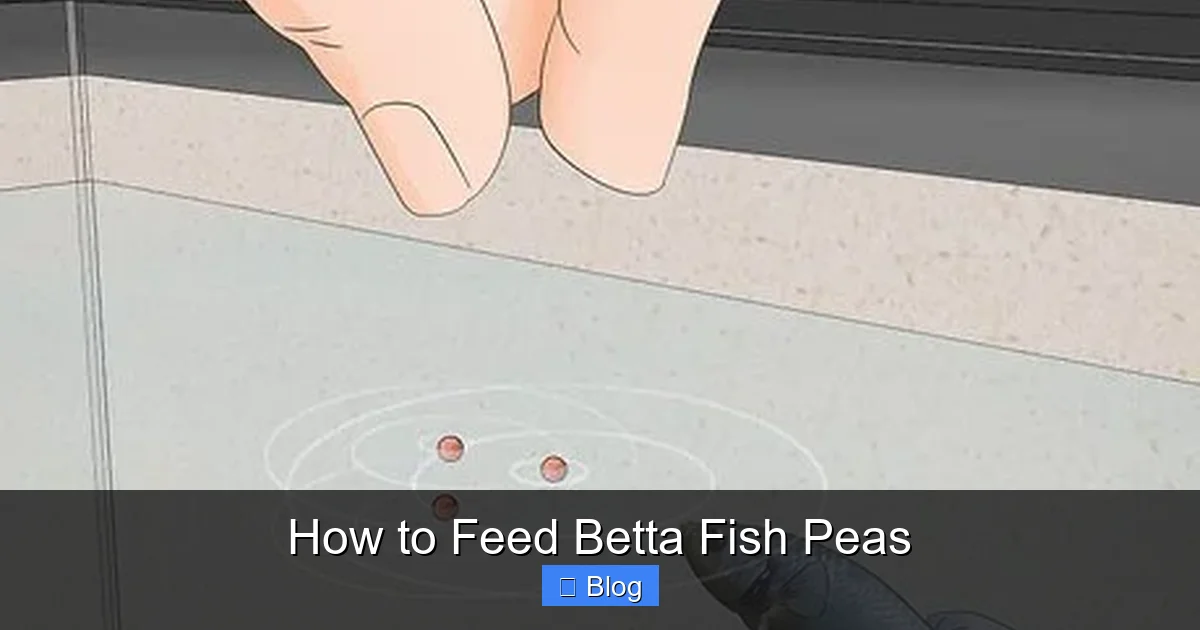
- Portion Size: This is not a meal; it’s medicine. You only need a tiny amount—about the size of a pinhead or a small grain of rice. For a larger betta, you might use a piece no bigger than 1/8 of a whole pea. More is not better; it’s dangerous.
- Method: Using a clean fingertip, a wooden toothpick, or a small feeding tong, offer the tiny bit of pea mush directly in front of your betta’s face. Some bettas will take it immediately. Others may be hesitant due to their discomfort. You can gently wiggle it to simulate live prey.
- Patience is Key: If your betta doesn’t eat it within 5-10 minutes, remove the offering with a siphon or turkey baster. Do not leave it to dissolve and foul the water. You can try again in a few hours. Sometimes a constipated betta has no appetite, and that’s okay. The treatment can still work even if they don’t consume the pea, as the water change and fasting are beneficial components. However, getting them to eat it is the ideal scenario.
Post-Feeding Protocol: The Critical Water Change
Regardless of whether your betta ate the pea, you must perform a 100% water change in the hospital tank within 1-2 hours. The pea mush, even if not eaten, will break down and spike ammonia levels. If your betta ate it, waste production will increase. A full water change removes this waste immediately, maintaining pristine water quality, which is essential for a stressed or sick fish. Use properly conditioned water at the same temperature. This step is absolutely part of how to feed betta fish peas correctly.
Step 3: Fasting and Follow-Up Care
The pea treatment doesn’t end with the feeding. What you do in the hours and days that follow is just as important for a full recovery.
Visual guide about How to Feed Betta Fish Peas
Image source: wikihow.com
The Power of the Fast: Why You Withhold Food
After the pea treatment (and the immediate water change), you should fast your betta for 24-48 hours. This is counterintuitive for many new owners—we want to feed our fish! But fasting is a crucial part of the process. It gives the digestive system a complete rest, allowing the fiber from the pea to do its work without the burden of processing new food. It prevents further waste buildup during a time when your betta’s system is clearing out. A 24-hour fast is the minimum; 48 hours is often more effective, especially for a severe blockage. During this fast, monitor your betta closely. You should start to see signs of improvement—less bloating, more active swimming, perhaps the first normal fecal string.
Resuming a Gentle Diet and Monitoring Progress
After the fast, it’s time to reintroduce food, but gently.
- First Meal: Offer a very small portion of a highly digestible, high-quality food. The best options are:
- Daphnia (live or frozen): Often called “water fleas,” daphnia are nature’s probiotic and laxative for fish. They are excellent for digestive health.
- High-Quality Betta Pellets: Soak them in tank water for a minute to soften them before offering one or two.
- Microworms or Grindal Worms: Good live food alternatives.
- Observe: Watch closely. Is your betta eating? Is the bloating going down? Is swimming improving? Take note of any fecal production—it should be normal, long, and brown.
- Gradual Return: If the first post-fast meal goes well, you can slowly return to your normal feeding schedule over the next day or two, still being mindful not to overfeed.
- Back to the Main Tank: Once your betta is active, eating normally, and has produced healthy waste, you can acclimate it back to the main display tank. Continue to feed a high-quality, varied diet with occasional fasting days (once a week is beneficial) to prevent future issues.
When the Pea Doesn’t Work: Troubleshooting and Alternatives
What if you’ve followed every step meticulously, and 48 hours later, your betta is still bloated or swimming poorly? Don’t panic, but do reassess. The pea treatment has a high success rate for simple constipation, but it’s not a cure for everything.
Possible Reasons for Failure
- Incorrect Preparation: Did you peel it? Did you mash it thoroughly? A skin fragment or a chunk too large can fail to work or make things worse.
- Severe Impaction: The blockage may be too solid for a single pea to resolve. A more aggressive course of treatment may be needed.
- Wrong Diagnosis: The problem may not be constipation at all. It could be a severe bacterial infection (like dropsy), a parasitic infection, a genetic swim bladder defect, or a tumor. The pea will not fix these.
- Advanced Swim Bladder Damage: Prolonged pressure can cause permanent damage to the swim bladder organ itself.
Next Steps: Escalating Care
- Second Pea Dose: In some cases of stubborn constipation, a second, tiny dose of pea mush can be offered 24 hours after the first, followed by another fast and water change.
- Epsom Salt Baths: For bloating and swelling, a separate Epsom salt (magnesium sulfate) bath can help reduce inflammation and draw out fluids. Use 1-2 tablespoons per gallon of dechlorinated water for 10-15 minutes, once or twice a day. Important: Do not mix Epsom salt with the pea treatment in the same water. Use a clean container.
- Consult an Expert: If there is no improvement after a second pea dose and Epsom salt baths, it’s time to seek help from a veterinarian who specializes in fish (an aquatic vet). They can diagnose the true issue and prescribe appropriate medication, such as antibiotics for bacterial infections or antiparasitics.
Prevention is Better Than Cure: A Long-Term Betta Diet Plan
The best how to feed betta fish peas guide is one you hopefully only need to use once. The goal is to prevent digestive issues from ever happening. This comes down to a consistent, appropriate feeding routine.
The Core Principles of a Healthy Betta Diet
- High Protein, Appropriate Quantity: Feed a high-quality betta pellet or granular food as the staple. Look for ingredients where fish or shrimp meal is the first protein source. The rule of thumb: feed an amount no larger than your betta’s eye, 1-2 times per day. Any uneaten food must be removed within 2-3 minutes.
- Variety is Essential: Don’t rely on pellets alone. Offer a variety 2-3 times a week:
- Frozen Foods: Bloodworms, brine shrimp, daphnia. Thaw in a dish of tank water first.
- Live Foods: Daphnia, microworms (excellent for conditioning and digestion).
- Incorporate Fiber Proactively: You don’t have to wait for a problem. As a preventative measure, you can offer a tiny piece of cooked, peeled, mashed pea once a week or once every two weeks as part of a “fast day” (where you feed only the pea and nothing else).
- Implement Weekly Fasts: Fasting your adult betta for one full day per week (no food at all) gives its digestive system a regular break and is a fantastic preventative practice.
A Sample Weekly Feeding Schedule for Optimal Health
| Day | Morning Meal | Evening Meal | Notes |
|---|---|---|---|
| Monday | High-quality betta pellets (small portion) | Frozen daphnia (thawed) | |
| Tuesday | Pellets | Pellets | |
| Wednesday | Fast Day (No Food) | Gives digestive system a rest. | |
| Thursday | Pellets | Frozen bloodworms | |
| Friday | Pellets | Pellets | |
| Saturday | Preventative Pea Day (Tiny mashed pea only) |
Proactive fiber. No other food. | |
| Sunday | Pellets | Live daphnia (if available) |
This schedule is a template. Adjust based on your betta’s specific needs, age, and activity level. The key is consistency, moderation, and variety.
Common Mistakes to Avoid: The Pitfalls of Pea Treatment
Even with the best intentions, it’s easy to misstep. Here are the most common errors betta owners make when trying to use peas for constipation.
Overfeeding the Pea: “More is Not Merrier”
This is the #1 mistake. A pea is a laxative tool, not a meal. Giving your betta a large chunk or multiple peas can overwhelm its system, cause a massive, messy bowel movement that fouls the water rapidly, and in extreme cases, lead to a new impaction from the sheer volume. Always err on the side of too little. A pinhead-sized amount is sufficient.
Skipping the Peel: The Silent Killer
The pea skin is tough and fibrous. A betta cannot digest it. If you forget to peel, you are essentially feeding your already constipated fish a tiny piece of indigestible plastic. This can create a new, more serious blockage. Make peeling a non-negotiable part of your prep ritual.
Using Salted or Seasoned Peas: A Toxic Error
Fish are extremely sensitive to sodium. Canned peas in brine or salted water can introduce a lethal dose of salt into your betta’s system. Always use plain, unsalted peas. When in doubt, frozen is safest.
Neglecting Water Quality: The Underlying Cause
Poor water quality is a major stressor that can contribute to digestive issues and weaken a fish’s immune system. The pea treatment happens in a context. If your main tank has high ammonia or nitrite levels, your betta will be stressed and sick regardless of the pea. Regular water changes, proper filtration, and temperature stability are the foundation of all health.
Misdiagnosing the Problem: When It’s Not Constipation
As mentioned, not all bloating is constipation. Dropsy is a systemic bacterial infection with a very poor prognosis. Internal parasites present differently. If your betta has pineconing scales (raised, like a pinecone), is severely lethargic, and shows no improvement after a correct pea treatment, stop the pea and seek professional diagnosis. Treating the wrong condition wastes precious time.
Conclusion: A Powerful Tool in Your Betta-Keeping Toolkit
Understanding how to feed betta fish peas is more than just learning a trick; it’s about embracing a philosophy of observant, informed, and compassionate fish care. It empowers you to address a common, painful problem quickly and naturally, often before it becomes a crisis. You’ve learned that it’s not about dumping a pea in the tank, but about a deliberate process: choosing the right pea, preparing it with surgical precision (cook, cool, peel, mash), administering a microscopic dose, and supporting the process with a clean hospital tank, a strategic fast, and vigilant observation.
Remember, the pea is a therapeutic tool, a first-aid measure for a specific ailment. It is not a dietary staple. The long-term health and vibrancy of your betta depend on a balanced, varied, and appropriately portioned diet, pristine water conditions, and a consistent routine that includes fasting. By combining this reactive pea treatment with proactive preventive nutrition, you are giving your betta the best possible chance at a long, healthy, and beautiful life.
So next time you see that tell-tale puffiness or a listless swim, take a deep breath. You now have a clear, step-by-step plan. You can be the calm, capable guardian your betta needs. You’ve got this. Now, go check on your finned friend—you might just have a pea waiting in the freezer that could make all the difference.
Frequently Asked Questions
Why should I feed my betta fish peas?
Feeding your betta fish peas is a common and effective home remedy for constipation, a frequent issue in bettas. The fiber in peas helps gently clear their digestive system, relieving bloating and swim bladder problems.
How do I properly prepare peas for my betta fish?
Start by cooking a frozen or fresh pea until it’s soft, then remove the skin. Mash the pea into a small, smooth paste or cut it into a tiny piece no larger than your betta’s eye, as bettas have small stomachs and can’t process large foods.
Can betta fish eat raw peas?
No, betta fish should never be fed raw peas. Raw peas are too hard for a betta to digest and can cause serious internal blockages; they must always be cooked and peeled to be safe and beneficial.
How often can I feed betta fish peas?
Peas should only be fed as an occasional treatment, typically once or twice a week at most, and only when your betta shows signs of constipation. Overfeeding peas can lead to other nutritional imbalances.
Can I feed betta fish peas instead of their regular food?
No, peas are a supplemental treatment, not a staple diet. Your betta’s primary food should be a high-quality pellet or frozen food specifically formulated for carnivorous bettas to meet their protein and nutritional needs.
What should I do if my betta fish won’t eat the pea?
If your betta refuses the pea, try offering a very small piece or a smear of the pea paste on a toothpick near them. If they continue to refuse, they may not be constipated, and you should consult a vet for proper diagnosis.