How to Change a Betta Fish Bowl
Changing your betta’s bowl correctly is non-negotiable for its health. Unlike a simple water top-off, a full bowl change requires careful preparation to avoid toxic ammonia spikes and dangerous temperature or pH shocks. You must treat tap water, acclimate your fish slowly, and preserve beneficial bacteria. Skipping these steps can lead to stress, illness, and a shortened lifespan for your vibrant companion.
So, you’ve got that stunning betta fish, with its flowing fins and curious personality, swimming happily in its bowl. You feed it, you admire it, but then comes the inevitable question: how do you actually change a betta fish bowl? It’s not as simple as dumping the old water and filling it up from the tap. Doing it wrong is one of the fastest ways to make your betta sick—or worse. But doing it right is a simple, weekly ritual that keeps your aquatic friend thriving for years. This guide will walk you through every single step, from why it’s so critical to the exact process that ensures a stress-free experience for both you and your betta.
Key Takeaways
- Conditioner is Essential: Never use untreated tap water. A water conditioner neutralizes chlorine, chloramines, and heavy metals instantly.
- Match Parameters Precisely: The new water must match the old water’s temperature (within 1-2°F) and pH (within 0.2) to prevent lethal shock.
- Preserve the Cycle: Do not scrub the bowl, gravel, or decorations clean. You are removing waste, not sterilizing; beneficial bacteria live on these surfaces.
- Acclimate Slowly: The “floating cup” method for 30-60 minutes allows your betta to adjust to the new water’s temperature and chemistry gradually.
- Frequency Matters: A 50% water change weekly is ideal for a single betta in a 3+ gallon bowl. Smaller bowls require more frequent changes.
- Test Your Water: Using an affordable liquid test kit is the only way to know for sure if your water parameters are safe between changes.
- Observe Post-Change: Watch your betta for at least 15 minutes after returning it to the clean bowl for signs of stress like clamped fins or frantic swimming.
📑 Table of Contents
- Why a Proper Water Change is a Matter of Life and Death
- Gathering Your Supplies: The Prep Work That Guarantees Success
- The Step-by-Step Process: How to Change a Betta Fish Bowl Safely
- Common Mistakes That Harm Your Betta (And How to Avoid Them)
- Troubleshooting: What to Do If Something Goes Wrong
- Beyond the Weekly Change: Long-Term Bowl Health
- Conclusion: A Simple Ritual for a Happy, Healthy Betta
Why a Proper Water Change is a Matter of Life and Death
Before we dive into the “how,” we need to understand the “why.” Your betta lives in its own excretory system. Every time it eats, it produces waste (poop) and excretes ammonia through its gills. Ammonia is a silent, colorless killer. In a small, unfiltered bowl, this toxin builds up rapidly, burning your betta’s gills and poisoning its system. A water change dilutes and removes this ammonia, along with uneaten food and other decaying organic matter.
The Nitrogen Cycle in a Tiny Bowl
In a large, filtered aquarium, a complex ecosystem called the nitrogen cycle develops. Beneficial bacteria colonies convert toxic ammonia to nitrite, and then to much less harmful nitrate. In a small betta bowl without a filter, this cycle is unstable or non-existent. You are the filter. Your weekly water change is the primary method of toxin removal. Without it, ammonia levels can spike to lethal levels within days, especially in warmer water which accelerates metabolism.
Beyond Ammonia: Other Invisible Threats
It’s not just ammonia. Nitrates, the end product of the cycle, also build up and cause stress over time. Dissolved organic compounds from waste and decaying matter create a “bio-load” that clouds water and lowers oxygen levels. Regular changes remove these, maintaining crystal-clear water and optimal oxygen saturation, which bettas need at the surface to breathe with their labyrinth organ.
Gathering Your Supplies: The Prep Work That Guarantees Success
Half the battle of a betta fish bowl water change is having everything ready before you start. Rushing to find a conditioner bottle while your fish is in a cup is a recipe for disaster. Here is your definitive checklist.
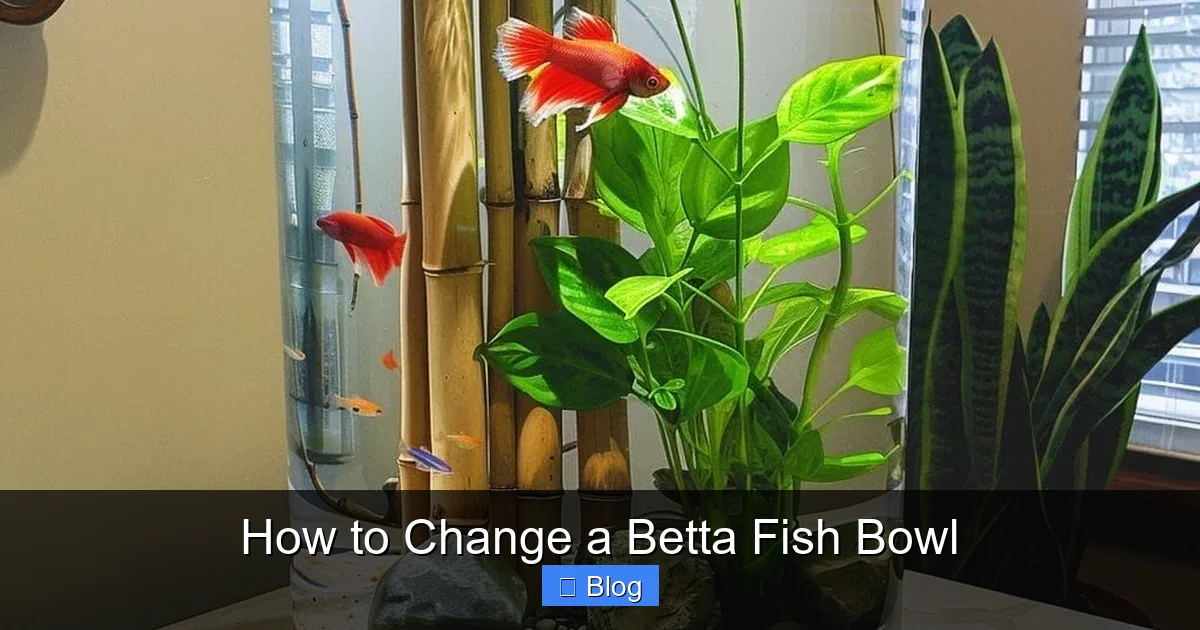
Visual guide about How to Change a Betta Fish Bowl
Image source: i.pinimg.com
Non-Negotiable: Water Conditioner
This is the most important item. Tap water contains chlorine and chloramines—chemicals used to kill bacteria in our water supply—that are deadly to fish. A quality water conditioner (like Seachem Prime, API Stress Coat, or any reputable brand) instantly detoxifies these substances. Always have a bottle on hand. Dose it according to the instructions on the label for the amount of water you are replacing.
Tools for the Task
- Two Clean Buckets or Containers: Designate one for “dirty” (old bowl water) and one for “clean” (treated new water). They must be thoroughly rinsed and free of any soap, detergent, or chemical residues. Old food storage containers work perfectly.
- Aquarium Gravel Vacuum/Siphon: This is a flexible tube with a wide end that you can squeeze to start a siphon. It’s the best tool for removing debris from the gravel without taking all the substrate out. You can find inexpensive versions at any pet store.
- Separate Holding Container: A clean, spacious plastic cup, small tank, or bowl (at least 1 gallon) to temporarily house your betta during the change. It must be free of contaminants. Some people use the clean bucket designated for new water.
- Thermometer: A simple stick-on or floating aquarium thermometer is crucial. You cannot guess water temperature accurately.
- Paper Towels or Cloth: For wiping down the inside of the bowl and cleaning algae from the glass.
- Algae Scraper or Pad: A non-scratch pad designed for acrylic or glass aquariums. Never use household scrubbers, which can scratch the surface.
What You Should NOT Use
Avoid soap, dish detergent, vinegar (unless for a deep clean, rinsed excessively), and any “cleaners” near the fish habitat. Their residues are often toxic. For regular weekly changes, you should not need to use anything but water and your siphon to clean the gravel.
The Step-by-Step Process: How to Change a Betta Fish Bowl Safely
Now, let’s execute. This process assumes you are doing a 50-75% water change weekly, which is standard for a single betta in a bowl of 3 gallons or more. For smaller containers (under 2.5 gallons), you may need to change 100% twice a week, which we’ll address later.
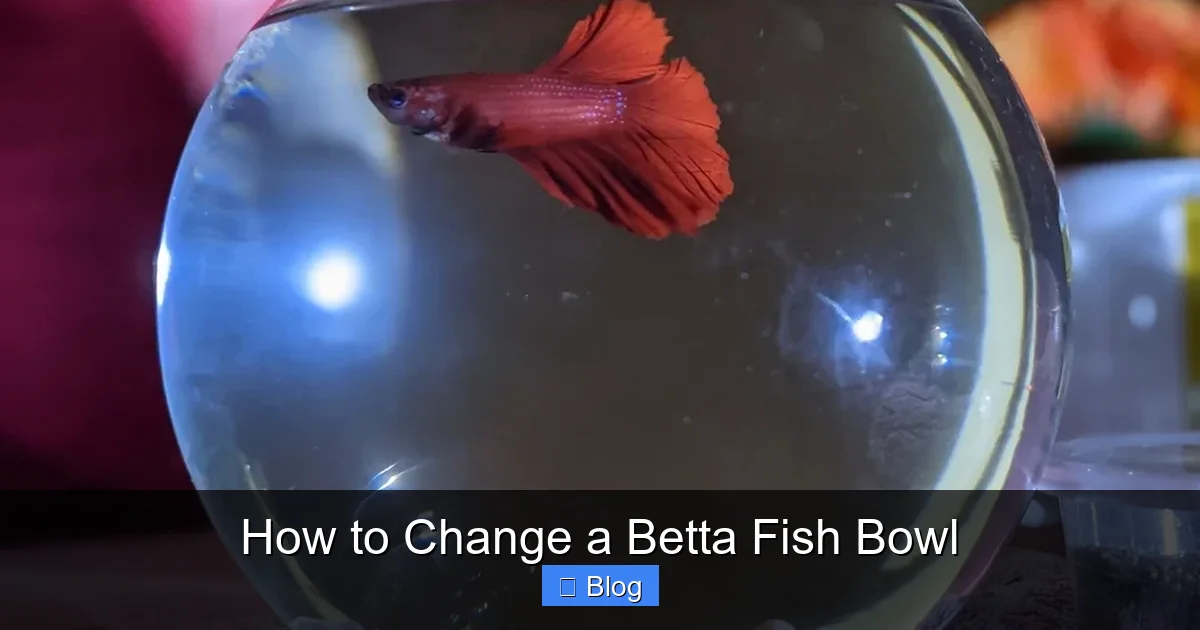
Visual guide about How to Change a Betta Fish Bowl
Image source: fishlab.com
Step 1: Prepare the New Water
This is the most critical step to prevent shock. Fill your designated “clean” bucket with fresh tap water. Immediately add the correct dose of water conditioner for that volume of water. Stir it in. Now, you must adjust the temperature of this new water to match your betta’s current bowl water. Use your thermometer to check the bowl water. The new water should be within 1-2 degrees Fahrenheit (0.5-1°C). You can achieve this by adding a little warm tap water or letting it sit to reach room temperature. Never use boiling water or ice cubes, as they create dangerous localized temperature extremes.
Step 2: Acclimate Your Betta to the New Water Temperature
Do not just grab your betta. First, use your cup or net to gently transfer your betta from the bowl into the holding container with some of its old bowl water. This container should be placed somewhere stable, out of direct sunlight or drafts. Now, here’s a pro-tip: float the holding container (if it’s a small cup) in the bowl of fresh, conditioned, temperature-matched water you just prepared. This allows the water in the small container to very slowly equalize with the new water temperature through the cup walls. After 15-30 minutes, you can use a cup to slowly replace some of the old water in the holding container with small amounts of the new water from the bowl. This gradual process eases the transition. For a simple plastic cup holding container, you can skip the floating and just slowly drip-feed new water into it over 20-30 minutes using the siphon.
Step 3: Clean the Bowl and Gravel
With your betta safely in its holding container, it’s time to clean the empty bowl. First, use your siphon to remove 50-75% of the old water from the bowl into your “dirty” bucket. As you do this, stick the wide end of the siphon into the gravel. Gently stir the gravel with the siphon tip to suck out trapped debris, fish waste, and uneaten food. This is the most effective cleaning you can do. Do not remove all the gravel. You want to keep the beneficial bacteria that live on the substrate. Once the desired amount of old water is removed, take a paper towel and wipe the inside glass to remove any algae or film. If there is stubborn algae on the decorations, wipe them gently with the towel or a dedicated algae pad. Do not use soap.
Step 4: Refill and Reintroduce
Now, slowly pour the pre-conditioned, temperature-matched new water from your “clean” bucket into the clean bowl. Fill it to the desired level. Place all decorations and the heater (if you use one) back in. Turn the heater on if it was off, and let the water sit for a few minutes to ensure the temperature is stable. Finally, it’s time for your betta’s grand return. Using a cup, gently net or cup your betta from the holding container and place it into the clean bowl. Do not dump the holding container water in, as it contains waste. Discard that water. For the first 10-15 minutes, observe your betta closely. Normal behavior is exploring and slight flaring. Clamped fins, lethargy, or frantic darting are signs of shock from a parameter mismatch.
Common Mistakes That Harm Your Betta (And How to Avoid Them)
Even with good intentions, it’s easy to make errors during a betta fish bowl change. Let’s troubleshoot the most frequent pitfalls.
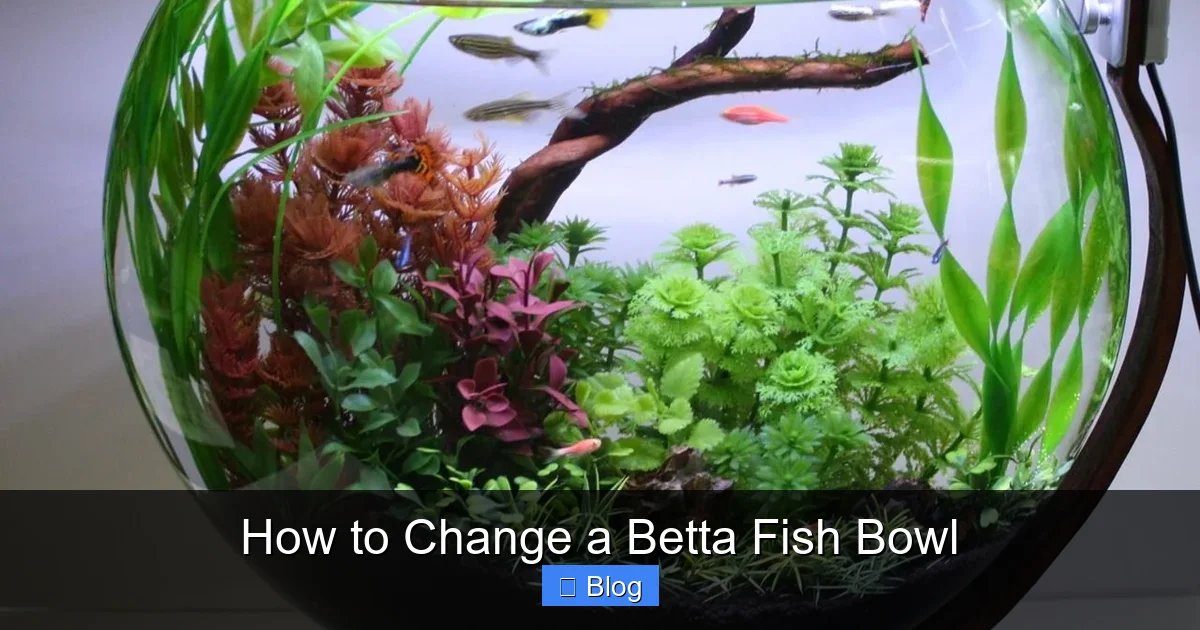
Visual guide about How to Change a Betta Fish Bowl
Image source: i.pinimg.com
Mistake 1: Not Using a Water Conditioner
This is the #1 mistake. “My tap water looks clean!” Chlorine and chloramines are invisible and odorless to us. They will kill your fish’s gill tissue within hours. Always, always use conditioner. No exceptions.
Mistake 2: Temperature Shock
Filling the bowl with cold tap water in summer or hot tap water in winter is a death sentence. The shock can cause your betta to go into shock, lose equilibrium, and die. Always match temperatures. A bowl without a heater will fluctuate with room temperature. Use a thermometer to know your baseline.
Mistake 3: Over-Cleaning / Sterilizing
Scrubbing every inch of the bowl and gravel with soap or a harsh pad destroys the essential bacterial colonies. This resets any biological filtration you had, leading to a dangerous “new tank syndrome” ammonia spike. Your goal is to remove waste, not achieve a sterile laboratory. A slight “bio-film” on the glass and a bit of “mulm” in the gravel are signs of a healthy, established micro-ecosystem.
Mistake 4: Changing 100% of the Water Too Often
While small bowls (<2.5 gallons) require full changes, doing 100% changes in a larger, cycled bowl every week is stressful. It removes all trace elements and completely resets the water chemistry, causing pH and mineral hardness swings. A 50-75% change is far less stressful and more effective at maintaining stable parameters.
Mistake 5: Rushing the Acclimation
Plunging your betta directly from old water to new water is like throwing a person into a different climate without adjustment. The drip acclimation or floating cup method gives its system time to adjust to subtle differences in pH and mineral content, which you can’t see but the fish feels.
Troubleshooting: What to Do If Something Goes Wrong
Despite your best efforts, your betta might show signs of distress after a water change. Here’s what to look for and how to react.
Signs of Stress or Shock
Look for: Clamped fins (held tightly against the body), loss of vibrant color, frantic swimming or crashing into objects, gasping for air at the surface (could also be low oxygen or high ammonia), lethargy and resting on the bottom, or lying on its side. Immediate action is required.
Emergency Response
First, test your water! Use a liquid test kit (not strips, which are less accurate) to check ammonia, nitrite, and nitrate. If ammonia or nitrite is above 0.25 ppm, you have a major problem—likely from over-cleaning or a pre-existing cycle crash. Perform an immediate 25% water change with perfectly conditioned, temperature-matched water. Add a water conditioner that detoxifies ammonia (like Seachem Prime) at the normal dose. Second, check your temperature. Ensure the heater (if used) is functioning and the thermometer reading is correct. Third, increase aeration. Gently stir the surface of the water with a clean spoon or cup to increase oxygen exchange. If your betta is gasping, this is urgent. Finally, add a small amount of aquarium salt (1 tsp per gallon) to the water. This can help reduce stress and assist with osmoregulation (the fish’s ability to balance fluids). Do not add salt if you have live plants.
When to Be Concerned
If your betta’s condition does not improve within 2-3 hours of these corrective actions, or if it is lying on its side and unresponsive, the shock may be too severe. Unfortunately, in such cases, there is little more you can do. Prevention through a careful, slow water change process is always the best medicine.
Beyond the Weekly Change: Long-Term Bowl Health
A proper water change is the cornerstone, but it’s part of a larger system of care that keeps your betta’s home healthy between changes.
Feeding and Waste Management
Overfeeding is the silent killer of betta bowls. A betta’s stomach is roughly the size of its eye. Feed no more than 2-3 high-quality pellets once or twice a day, and remove any uneaten food after 2-3 minutes with a net or siphon. Uneaten food decays instantly, creating a massive ammonia spike. This simple habit drastically reduces the bio-load and the frequency of algae growth.
The Importance of a Heater
Betttas are tropical fish from warm, stagnant waters of Thailand. They require a consistent water temperature between 76°F and 82°F (24-28°C). A small, adjustable aquarium heater (5-10 watts for a 3-gallon bowl) is not optional for long-term health. Cold water slows their metabolism, suppresses their immune system, and makes them susceptible to diseases like dropsy. A heater provides stable temperature, which is crucial for a stable nitrogen cycle and reduces stress during water changes since the new water will always need to be warmed to match.
Choosing the Right Bowl Size
The myth that bettas live in tiny puddles is harmful. While they can survive in small containers, they *thrive* in more space. A minimum of 3 gallons (11 liters) is strongly recommended by modern betta keepers. The larger the volume of water, the more diluted toxins become, the more stable the temperature and pH, and the less frequent and drastic your water changes need to be. A 5-gallon bowl is even better and is considered the true “minimum” by most experts for a single betta with a filter and heater.
Using a Small Filter?
If you have a very gentle sponge filter or a small hang-on-back filter designed for small bowls, your maintenance routine changes slightly. You can perform smaller, more frequent water changes (e.g., 25% twice a week) to manage nitrates, as the filter will be handling some ammonia conversion. You still must clean the filter media (the sponge) in *old tank water* (from your change) once a month to preserve bacteria, never under tap water.
Conclusion: A Simple Ritual for a Happy, Healthy Betta
Learning how to change a betta fish bowl correctly transforms it from a dreaded chore into a quick, satisfying ritual. It’s your direct line to ensuring your betta lives a long, vibrant life—often 3-5 years or more with proper care. Remember the golden rules: always treat your tap water, always match temperature, always preserve the beneficial bacteria in the gravel, and always acclimate slowly. By following this guide, you’re not just cleaning a bowl; you’re maintaining a stable, healthy home. Your betta, with its brilliant colors and active personality, will thank you for it every single day. Consistency is key. Pick a day, set a reminder, and make that weekly water change a non-negotiable part of your pet care routine.
Frequently Asked Questions
Can I use bottled spring water instead of tap water for my betta bowl?
You can, but it’s not ideal and is more expensive long-term. Spring water varies in mineral content and pH, which can be inconsistent. If you use it, you must still use a water conditioner as some spring waters contain chlorine. The most reliable and cost-effective method is to properly condition your tap water.
How often should I completely change 100% of the water in my betta’s bowl?
For a properly sized bowl (3+ gallons) with a heater, a 100% change is rarely needed and is actually stressful. Stick to 50-75% weekly changes. Only perform a full 100% change if your bowl is very small (under 2.5 gallons), if there is a severe contamination (like medicine or a chemical spill), or if you are setting up a completely new, cycled system and moving your fish.
My betta is in a small, unfiltered bowl. How often should I change the water?
In a small, unfiltered bowl (less than 2.5 gallons), ammonia builds up very quickly. You should perform a 100% water change every other day to keep toxins at safe levels. This is high-maintenance and why upgrading to a larger, filtered setup is strongly recommended for both your sanity and your fish’s welfare.
Do I need to remove my betta during a water change?
For a partial change (50-75%) in a bowl you can easily reach into, you can technically leave your betta in if you are extremely careful not to disturb it or suck it up with the siphon. However, it is safer, less stressful for the fish, and easier for you to temporarily move your betta to a clean holding container. This prevents injury and allows you to thoroughly clean the gravel without chasing a curious fish.
What temperature should the new water be?
The new, conditioned water must be within 1-2 degrees Fahrenheit (0.5-1°C) of your betta’s current bowl water. Use an aquarium thermometer to check the bowl’s temperature first. For a tropical betta with a heater, this will typically be between 78°F and 80°F (25.5-26.5°C). Never add water that feels noticeably colder or warmer to the touch.
Why is my betta’s water cloudy after a change?
A temporary, slight cloudiness is normal and usually caused by tiny gas bubbles or disturbed sediment that will settle within a few hours. Persistent cloudiness indicates a bacterial bloom, often caused by over-cleaning (removing all beneficial bacteria) or overfeeding. Ensure you are not scrubbing the gravel and decorations completely clean during changes, and that you are not overfeeding. The cloud should clear on its own within 24-48 hours with proper feeding habits.