How to Cure Ick on Betta Fish
Ick (Ichthyophthirius multifiliis) is a deadly but treatable parasite for bettas. Immediate action involving isolation, water changes, and medication is crucial for survival. Raising water temperature and using salt or copper-based treatments are primary cures. Consistent treatment for a full lifecycle and strict prevention are the only ways to ensure your betta makes a full recovery and stays healthy long-term.
Key Takeaways
- Ick is a parasite, not a fungus or bacteria: It has a distinct lifecycle, which dictates that treatment must continue for at least 7-10 days to catch all stages.
- Early detection is critical: Look for classic “salt grain” spots, lethargy, and flashing (rubbing against objects). The sooner treatment starts, the higher the survival rate.
- Medication is non-negotiable: Over-the-counter ick medications containing malachite green, formalin, or copper sulfate are the most reliable cures. Salt baths are a supportive, not primary, treatment.
- Water quality is treatment: Daily 25-50% water changes during treatment remove free-swimming parasites and reduce stress, making medication more effective.
- Never treat in the display tank: Always move a sick betta to a bare “hospital tank” to protect beneficial bacteria, prevent medication overdose, and allow for precise dosing and observation.
- Temperature acceleration works: Slowly raising the hospital tank temperature to 82-85°F (28-29°C) speeds up the ick lifecycle, making the parasites more vulnerable to medication.
- Prevention is the final cure: Quarantine all new fish, maintain pristine water, and avoid sudden temperature drops to stop ick from ever entering your betta’s world.
📑 Table of Contents
- Understanding the Enemy: What Exactly is “Ick”?
- Step 1: Immediate Isolation and the Hospital Tank Setup
- Step 2: The Core Treatment Protocol: Medication, Salt, and Heat
- Step 3: The Engine of Recovery: Rigorous Water Management
- Step 4: Supportive Care: Nurturing Your Betta Through the Storm
- Step 5: The Critical Finale and Return to the Main Tank
- Prevention: The Only Permanent Cure
- Conclusion: Knowledge, Speed, and Diligence
Understanding the Enemy: What Exactly is “Ick”?
Before we dive into how to cure ick on betta fish, we must understand what we’re fighting. Ick, scientifically known as Ichthyophthirius multifiliis, is a protozoan parasite. It’s one of the most common and devastating diseases in freshwater aquarium fish, and bettas, with their delicate labyrinth organs and often stressed dispositions, are prime targets. This isn’t a simple bacterial infection or a fungal bloom; it’s a complex organism with a definitive lifecycle that we must exploit to kill it.
The parasite attaches to your betta’s skin and gills, feeding on its blood and tissue. This causes intense irritation, leading to the classic signs you’ll soon learn to recognize. The mature parasite, called a trophont, burrows into the skin, forming the visible white cysts that look like a sprinkle of salt or sugar. After feeding for several days, it drops off, multiplies in the water, and becomes a tomont. The tomont releases hundreds of swarmers (theronts) that must find a new host within 24-48 hours to survive. This entire cycle is temperature-dependent, which is a key weakness we can use.
The Lifecycle is Your Treatment Roadmap
Why is understanding this lifecycle so important? Because no single dose of medication can kill the parasite in all its stages. The mature cyst on your fish’s body is protected and unaffected by most treatments in the water. Only the free-swimming swarmers are vulnerable. Therefore, any effective how to cure ick on betta fish protocol must administer medication repeatedly over the course of at least one full lifecycle, typically 7-10 days, to intercept each new generation of swimmers as they emerge. Rushing the treatment or stopping early is the number one reason for recurrence and fatality.
Step 1: Immediate Isolation and the Hospital Tank Setup
The moment you spot even one suspicious white spot on your betta, time becomes your enemy. The first and most critical step in how to cure ick on betta fish is to get the fish out of its main display tank. Do not treat the entire community tank unless every single fish shows symptoms. Here’s why and how to do it correctly.
Why You MUST Use a Hospital Tank
A hospital tank is a simple, bare setup. Use a small, clean aquarium (5 gallons is ideal for a betta, but even a 2.5-gallon container works). It needs:
- No substrate: Gravel or sand harbors parasites and makes cleaning impossible.
- No decorations: Remove all plants, rocks, and hiding spots. You need to see your fish clearly at all times and eliminate surfaces where parasites can hide. A single, smooth silk plant can provide comfort without hiding places.
- A secure, gentle heater and thermometer: You will be raising the temperature, so you need precise control.
- A small, sponge filter: This provides essential aeration without creating strong currents that stress a sick betta. The sponge also offers a tiny bit of biological filtration for the few days of treatment.
- A secure lid: Bettas are jumpers, especially when stressed.
Fill this tank with dechlorinated water from your main aquarium. This prevents shocking your fish with a completely new water chemistry. Move your betta carefully using a net. Do not transfer any water from the display tank to the hospital tank.
Step 2: The Core Treatment Protocol: Medication, Salt, and Heat
Now that your betta is isolated, you begin the three-pronged attack that defines the gold standard for how to cure ick on betta fish. These methods work best when used together synergistically.
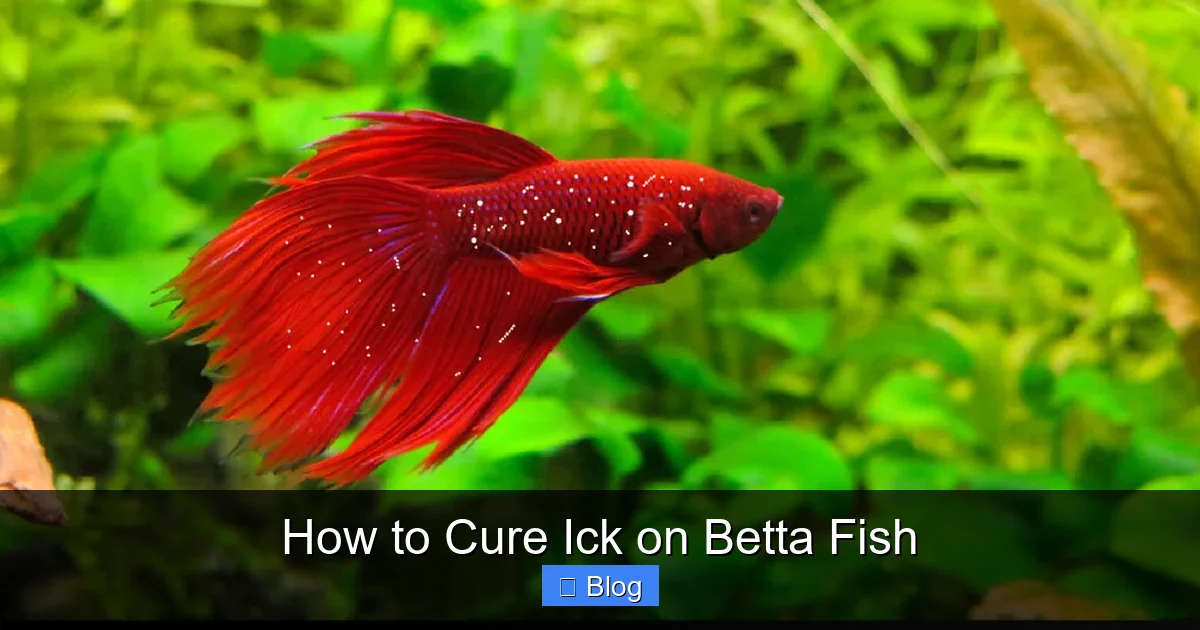
Visual guide about How to Cure Ick on Betta Fish
Image source: buildyouraquarium.com
Prong 1: Medicating with Ick-Specific Drugs
Visit your local pet store or shop online. You need a medication specifically formulated for “Ich” or “White Spot Disease.” Look for active ingredients like:
- Malachite Green: A potent and classic treatment. Often combined with Formalin (e.g., Quick Cure, Ich Attack). Warning: It can stain silicone sealants and is toxic to invertebrates.
- Copper Sulfate: Highly effective against the free-swimming stage. Brands like Cupramine or CopperSafe are common. Crucial: Copper is toxic to fish at high levels and is extremely toxic to all invertebrates (shrimp, snails). Never use in a tank with them, and follow dosing instructions exactly. Use a copper test kit if possible.
- Formalin: Often paired with Malachite Green. Effective but harsh.
How to Dose: Always follow the product label for your specific tank volume. Typically, you’ll add the full dose on Day 1. Then, perform a 25-50% water change (see next section) and re-dose the medication to replace what was removed and to hit the new generation of parasites. This dosing-with-water-changes pattern continues for 7-10 days.
Prong 2: The Power of Aquarium Salt (Aquarena Salt)
While not a standalone cure for advanced ick, salt is a powerful supportive therapy. It reduces osmotic stress on the fish, helps eliminate excess fluid from the cysts (making them more visible), and can kill some parasites directly. For a betta in a hospital tank, add 1 tablespoon of non-iodized aquarium salt per 5 gallons of water. Dissolve it in a cup of tank water first before adding it back to the hospital tank. Do not use table salt or marine salt. Salt does not evaporate, so you only add it with the initial fill or after a full water change.
Prong 3: Accelerating the Lifecycle with Heat
This is a simple but brilliant biological hack. The ick parasite matures faster in warmer water. By gradually increasing the temperature in your hospital tank to 82-85°F (28-29°C), you compress its entire lifecycle from 2-3 weeks down to about 3-5 days. This means the vulnerable free-swimming stage appears more frequently, allowing your medication to kill more parasites in less time. Important: Raise the temperature slowly, by no more than 2°F per hour. Your betta is already stressed, and a thermal shock could be fatal. Ensure there is excellent surface agitation (from the sponge filter) as warmer water holds less oxygen.
Step 3: The Engine of Recovery: Rigorous Water Management
If medication is the bullet, then water changes are the gun. You cannot cure ick without an aggressive regimen of water changes. This is non-negotiable in any how to cure ick on betta fish guide.
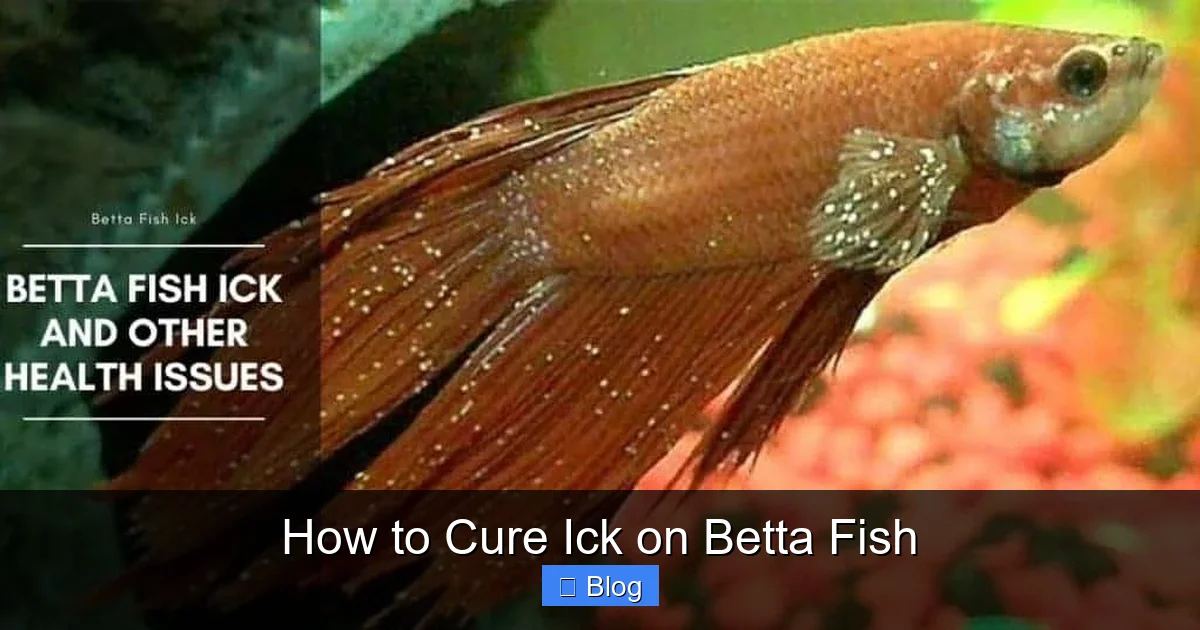
Visual guide about How to Cure Ick on Betta Fish
Image source: theaquariumadviser.com
The Daily Water Change Ritual
For the entire 7-10 day treatment period, you must perform a 25-50% water change in the hospital tank every single day. Here is the precise procedure:
- Prepare New Water: Fill a clean container with fresh dechlorinated water. If your tap water is soft, you may need to add a pinch of aquarium salt to match the hospital tank’s salinity. This new water should be within 1-2°F of the hospital tank temperature to avoid thermal shock.
- Remove the Old Water: Use a gravel vacuum or a simple cup to siphon out 25-50% of the water from the hospital tank. Try not to disturb the betta too much. Vacuum any visible debris from the bare bottom.
- Clean the Filter (Carefully): Gently squeeze and rinse the sponge filter in the old tank water you just removed (not under tap water, as it kills beneficial bacteria). This cleans out the debris and some parasites trapped in the sponge.
- Re-dose Medication and Salt: After the water change, add the full, fresh dose of your chosen ick medication to the tank. If you are using salt and did a 100% water change, you must re-add the salt. For a 50% change, you need to add half the original salt dose.
- Add New Water: Slowly pour the prepared new water back into the tank, ideally against the glass to minimize disturbance.
This daily process does three vital things: it physically removes thousands of free-swimming tomonts and thermonts from the water, it dilutes any ammonia or nitrite produced by the stressed fish, and it ensures a consistent, effective level of medication in the water.
Step 4: Supportive Care: Nurturing Your Betta Through the Storm
Your betta is under immense physiological stress. The medication, the heat, and the parasite itself are a heavy burden. Your job is to make everything else as easy as possible for its immune system to do its job.
Feeding for Strength (Not Fullness)
A sick betta will often lose its appetite. Force-feeding is usually counterproductive. Instead, offer high-quality, easily digestible foods. Soak premium betta pellets or frozen daphnia, bloodworms, or brine shrimp in a little tank water to soften them. Offer a tiny amount once a day. If it doesn’t eat within a few minutes, remove the food to prevent water quality crashes. The goal is to provide nutrients without fouling the water. Consider a fast for the first 24-48 hours if the fish is very lethargic; its gut may be paralyzed.
Minimizing Stress is Half the Battle
Stress suppresses the immune system. In the hospital tank, eliminate all stressors:
- Dim the lights: Bright light is stressful. Keep the tank in a low-light area or cover it with a towel for part of the day.
- No sudden movements: Avoid tapping the glass or making loud noises near the tank.
- Maintain a strict routine: Perform water changes and feedings at the same time each day.
- Consider tankmates: There are none in the hospital tank. This is a good thing. Your betta has the entire space to itself.
Observe your betta daily. Is it still flashing? Are the white spots spreading? Is it beginning to swim more normally and show interest in food? These are your progress indicators.
Step 5: The Critical Finale and Return to the Main Tank
After 7-10 days of consistent treatment, with the last dose of medication and a final water change, you must decide when it’s safe to stop. Do not stop because the spots are gone! The parasite may still be in its cyst stage on the fish, protected from medication.
How to Confirm the Ick is Truly Gone
The safest method is to continue the full treatment protocol for the entire recommended period (usually 10 days) regardless of appearance. However, a more precise method is to continue treatment for at least 3-5 days after the last visible spot has disappeared. This ensures you’ve hit at least one full lifecycle of any parasites that were in the cyst stage when you started.
Once treatment ends, do not immediately return your betta to its main tank. Instead, continue to observe it in the hospital tank for an additional 3-5 days with no medication, performing regular water changes. If no new spots appear, you can be confident the infection is cleared.
The Safe Return and Main Tank Reset
When reintroducing your betta to its clean, display tank:
- Acclimate it properly: Float the hospital container in the display tank for 15-20 minutes to equalize temperature, then slowly add display tank water to the container before finally netting the betta out.
- Do not transfer hospital tank water: The hospital water is full of dead parasites and medication residues. Dump it.
- Cycle the display tank again: Before moving your betta back, perform a deep clean of the main tank. Vacuum all gravel, clean filter media in old tank water (not tap water), and do a 50% water change. This removes any lingering parasites that may have been released before isolation. You may also consider a short “safeguard” dose of a mild medication like methylene blue in the display tank for 24 hours after the betta’s return, but this is optional if you’ve been meticulous.
Prevention: The Only Permanent Cure
We’ve answered how to cure ck on betta fish, but the ultimate goal is to never need the cure again. Prevention is infinitely easier, cheaper, and less stressful for you and your fish than treatment.
The Quarantine Protocol: Your First Line of Defense
Every single new fish, and I mean every one, must be quarantined in a separate tank for a minimum of 4-6 weeks before entering your main display tank. This separate tank should have its own filter and heater. Observe the new fish closely during this period for any signs of illness (ick, velvet, fin rot). Many parasites, including ick, have a latency period where they are present but not showing symptoms. Four to six weeks in quarantine is long enough for any such hidden infection to manifest and be treated without risking your established aquarium.
Foundational Husbandry: The Daily Habit
A stressed fish is a sick fish. A clean tank is a healthy tank.
- Stable Water Parameters: Test your water weekly. Ammonia and nitrite must be 0 ppm. Nitrates should be below 20 ppm. Use a water conditioner on every single water change.
- Consistent Water Changes: Perform a 25-50% water change weekly in your display tank, using a gravel vacuum. This is the single most important maintenance task.
- Temperature Stability: Use a reliable heater with a thermostat. Avoid placing tanks near windows, vents, or doors where drafts or sunlight can cause rapid temperature swings—a major trigger for ick outbreaks.
- Reduce Stressors: Avoid aggressive tankmates. Provide plenty of gentle hiding spots (live or silk plants). Keep a consistent light/dark cycle.
By building these habits, you create an environment where your betta’s immune system can thrive, making it nearly impossible for ick to gain a foothold.
Conclusion: Knowledge, Speed, and Diligence
How to cure ick on betta fish is not a mystery, but it is a test of your resolve as a fishkeeper. The formula is straightforward: Isolate immediately, treat aggressively with medication/salt/heat, and execute daily water changes without fail for 7-10 days. Success hinges on understanding the parasite’s lifecycle and attacking it during its vulnerable stage. The emotional toll of watching your vibrant betta deteriorate is real, but with calm, swift, and consistent action, you can pull it back from the brink. Remember, the cure is a temporary measure of firefighting. The permanent solution is a steadfast commitment to quarantine and impeccable tank maintenance. Your betta’s long, healthy, and flashy life depends on it.
Frequently Asked Questions
Can ick kill a betta fish?
Yes, absolutely. Ick is a lethal parasite. It attacks the skin and gills, causing severe irritation, respiratory distress, and organ failure. A betta’s labyrinth organ makes it particularly vulnerable to gill damage. Without prompt and proper treatment, mortality is high.
How long does it take to cure ick in a betta?
The full treatment protocol must last a minimum of 7-10 days to cover the entire parasite lifecycle. You should continue medicating and performing water changes for at least 3-5 days after the last visible spot disappears to ensure all parasites are eradicated.
Is aquarium salt safe for bettas to treat ick?
Yes, non-iodized aquarium salt is safe for bettas in the short term (during a 7-10 day treatment) and can be a helpful supportive therapy. However, bettas are not tolerant of long-term high salinity. It should never be used as the sole treatment for a serious ick outbreak and should be avoided if your betta has any signs of dropsy or severe organ stress.
Can I treat ick in my main community tank?
It is strongly discouraged. Treating a full community tank makes precise dosing impossible, stresses all fish with medication and heat, and can crash your biological filter. The standard and safest practice is to move the affected fish to a separate hospital tank for isolation and treatment.
What is the best over-the-counter medicine for betta ick?
Medications containing copper sulfate (like Cupramine) or a combination of malachite green and formalin are considered the most effective against ick. Always choose a product specifically labeled for “Ich” or “White Spot Disease” and follow the dosage instructions precisely for your tank’s volume.
How do I know if my betta’s ick is coming back after treatment?
Continue to observe your betta closely for at least 2 weeks after completing treatment. Watch for any renewed flashing (rubbing against objects), clamped fins, lethargy, or the reappearance of tiny white spots. If symptoms return, restart the full treatment protocol immediately, as it indicates the initial treatment was incomplete or a new infection occurred.