How to Feed Betta Fish Bloodworms
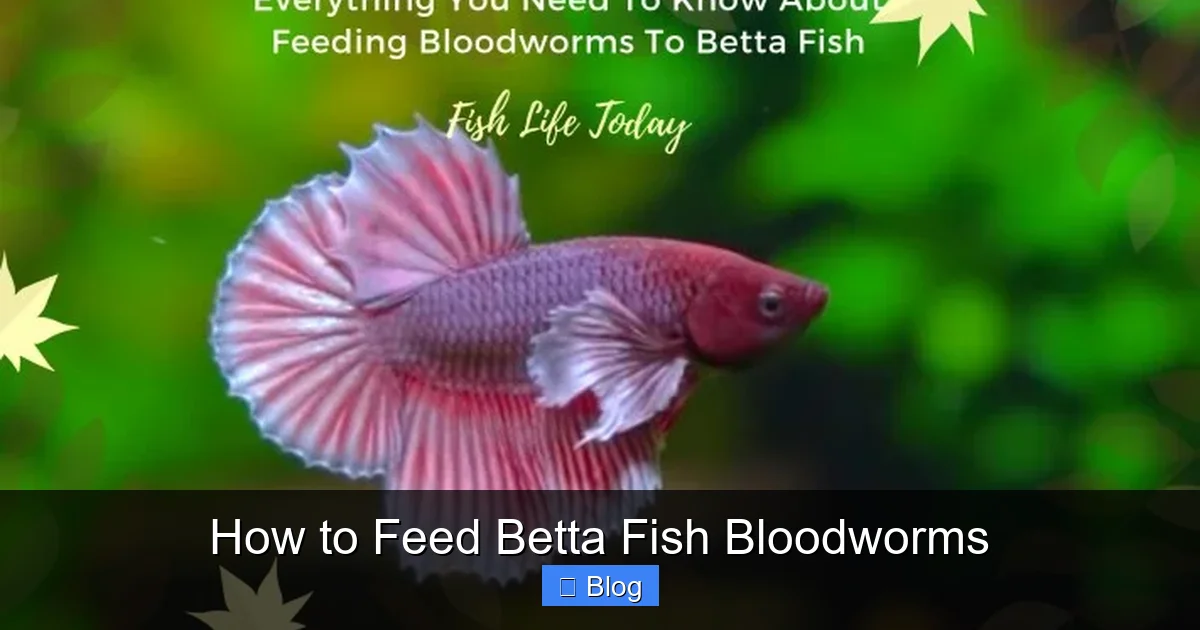
Feeding bloodworms to your betta fish can be a fantastic way to provide essential nutrients, but it must be done correctly to avoid health issues. This comprehensive guide walks you through the entire process, from choosing the right type of bloodworms to safe feeding practices, ensuring your betta remains happy and healthy.
How to Feed Betta Fish Bloodworms
Hey there, fellow betta enthusiast! If you’re reading this, you probably want to give your colorful friend the best care possible. Betta fish, with their flowing fins and vibrant personalities, are a joy to watch. But to keep them healthy and happy, their diet is key. That’s where bloodworms come in. These little red worms are like a superfood for bettas—packed with protein and nutrients that can enhance their color and energy. However, feeding bloodworms isn’t as simple as just tossing a few in the tank. Do it wrong, and you might face issues like overfeeding, water quality problems, or even health risks for your fish. That’s why I’m here to walk you through how to feed betta fish bloodworms the right way. Think of this as your friendly, step-by-step guide to mastering this tasty treat. We’ll cover everything from picking the perfect type of bloodworms to avoiding common pitfalls. By the end, you’ll feel confident in providing your betta with a diet that’s both delicious and nutritious. So, let’s dive in and make sure your betta thrives!
Key Takeaways
- Choose the Right Type: Opt for frozen or freeze-dried bloodworms over live ones to minimize parasite risks and ensure safety for your betta.
- Prepare Properly: Always rinse bloodworms thoroughly before feeding to remove any preservatives or debris.
- Feed in Moderation: Offer only what your betta can consume in 2-3 minutes, typically 1-2 bloodworms per feeding, to prevent overfeeding.
- Vary the Diet: Bloodworms should be a treat, not a staple; supplement with high-quality betta pellets and other foods for balanced nutrition.
- Observe and Adjust: Watch your betta during feedings to monitor appetite and adjust portions as needed for optimal health.
- Storage Matters: Store bloodworms properly—frozen ones in the freezer and freeze-dried in a cool, dry place—to maintain freshness and prevent spoilage.
📑 Table of Contents
- Why Bloodworms Are a Fantastic Choice for Your Betta
- Types of Bloodworms: Live, Frozen, and Freeze-Dried
- Preparing Bloodworms for Your Betta: The Essential Steps
- How to Feed Bloodworms to Your Betta: A Step-by-Step Guide
- Common Feeding Mistakes and How to Avoid Them
- Beyond Bloodworms: Creating a Balanced Diet for Your Betta
- Conclusion: Your Betta Will Thank You
Why Bloodworms Are a Fantastic Choice for Your Betta
Before we get into the nitty-gritty of how to feed betta fish bloodworms, let’s talk about why these wiggly treats are so popular. Betta fish are carnivores by nature. In the wild, they munch on insects, larvae, and other small critters. Bloodworms, which are actually the larval stage of midge flies, mimic this natural diet perfectly. They’re rich in protein, which helps bettas build strong muscles and maintain their stunning fins. Plus, bloodworms contain essential vitamins and minerals that support overall health, like iron for energy and B vitamins for metabolism. But that’s not all—many betta owners notice that feeding bloodworms can intensify their fish’s colors, making reds brighter and blues more vivid. That’s because bloodworms have carotenoids, pigments that enhance coloration. Also, watching your betta chase down a bloodworm is pure entertainment! It stimulates their natural hunting instincts, keeping them mentally sharp and active. However, remember that bloodworms should be part of a varied diet. Relying on them alone can lead to nutritional imbalances. So, think of bloodworms as a supplement—a special treat that adds excitement and nutrients to your betta’s meals. In the next sections, we’ll explore how to choose and prepare them safely.
High Protein for Strong Bettas
Protein is the building block of life for betta fish. It helps them grow, repair tissues, and produce those gorgeous, flowing fins. Bloodworms are about 50-60% protein, making them an excellent source. For context, high-quality betta pellets typically contain 30-40% protein. So, adding bloodworms a few times a week can boost your betta’s protein intake without overdoing it. But be cautious—too much protein can cause digestive issues or water pollution from uneaten food. That’s why portion control is crucial, which we’ll discuss later.
Enhancing Color and Vitality
One of the joys of owning a betta is admiring their brilliant colors. Bloodworms contain natural pigments like beta-carotene that can intensify these hues. Over time, regular (but moderate) feeding of bloodworms may make your betta’s reds deeper and blues more electric. It’s like giving them a natural cosmetic upgrade! Just imagine your betta shimmering under the tank light—it’s a sight to behold. However, this effect varies by individual fish, so don’t expect miracles if your betta’s genetics don’t support vibrant colors.
Stimulating Natural Hunting Behaviors
Bettas are curious and aggressive hunters by nature. In the wild, they ambush prey. In a tank, if you just drop pellets in, they might get bored. Bloodworms move and wriggle, especially when live or freshly thawed, triggering your betta’s instinct to chase and pounce. This mental and physical stimulation is vital for their well-being. It reduces stress and can even prevent lethargy. So, feeding bloodworms isn’t just about nutrition—it’s about enrichment. Your betta gets a fun activity that keeps them engaged.
Types of Bloodworms: Live, Frozen, and Freeze-Dried
Now, when it comes to how to feed betta fish bloodworms, the first big decision is which type to buy. You’ll usually find three options: live, frozen, and freeze-dried. Each has its pros and cons, and choosing the right one depends on your priorities like safety, convenience, and cost. Let’s break them down so you can pick the best fit for your betta and your lifestyle.
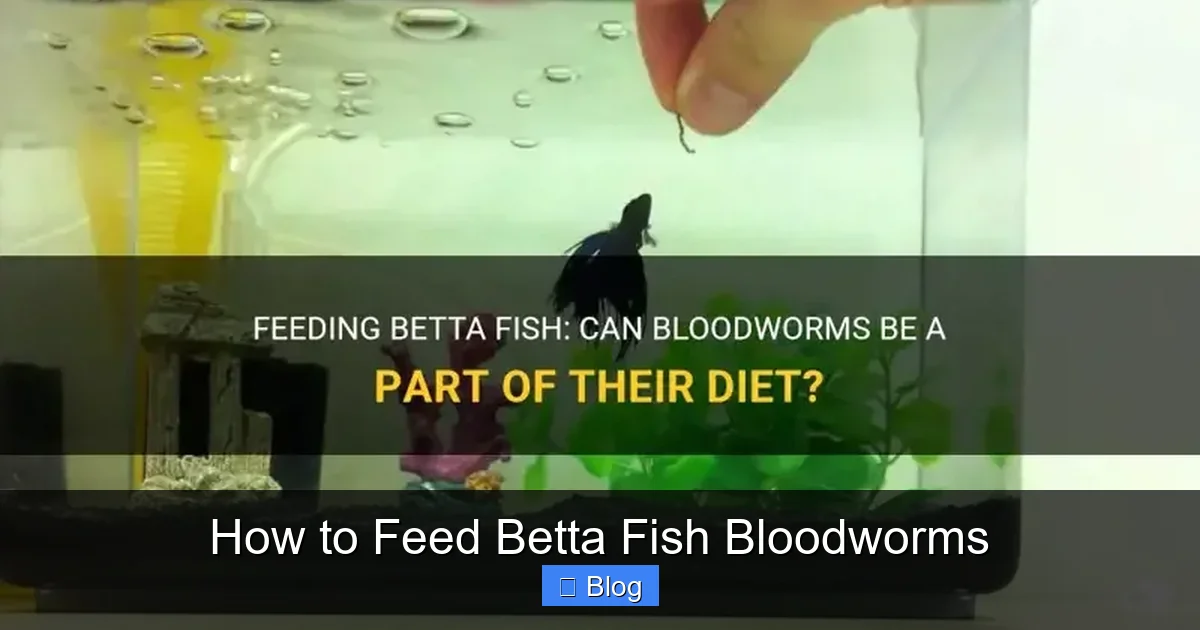
Visual guide about How to Feed Betta Fish Bloodworms
Image source: petshun.com
Live Bloodworms: The Natural Choice but Risky
Live bloodworms are exactly what they sound like—wriggling, fresh larvae. They’re the most natural option, as they move and behave like prey in the wild. Your betta will love the chase, and it’s great for stimulation. However, live bloodworms come with significant risks. First, they can carry parasites or bacteria that might infect your betta. Even if you buy them from a reputable store, there’s no guarantee they’re disease-free. Second, live bloodworms have a short shelf life—they need to be used quickly or they die and rot, fouling your tank water. Third, they can be expensive and hard to find regularly. If you do use live bloodworms, always quarantine them in a separate container for a day or two and observe for any signs of illness. But for most betta owners, especially beginners, I recommend avoiding live bloodworms due to these hazards.
Frozen Bloodworms: Safe and Convenient
Frozen bloodworms are a top choice for many betta keepers. They’re typically sold in small cubes or flat packs, frozen immediately after harvesting. This freezing process kills most parasites and bacteria, making them much safer than live ones. To use them, you simply thaw a small piece, rinse it, and feed it to your betta. Frozen bloodworms retain most of their nutritional value and are easy to store in your freezer for months. They’re also affordable and widely available. The only downside is that they lack movement, so your betta might not be as excited initially. But you can mimic motion by using tweezers to dangle the worm in the water. Overall, frozen bloodworms offer a great balance of safety, nutrition, and convenience for how to feed betta fish bloodworms.
Freeze-Dried Bloodworms: Long-Lasting and Mess-Free
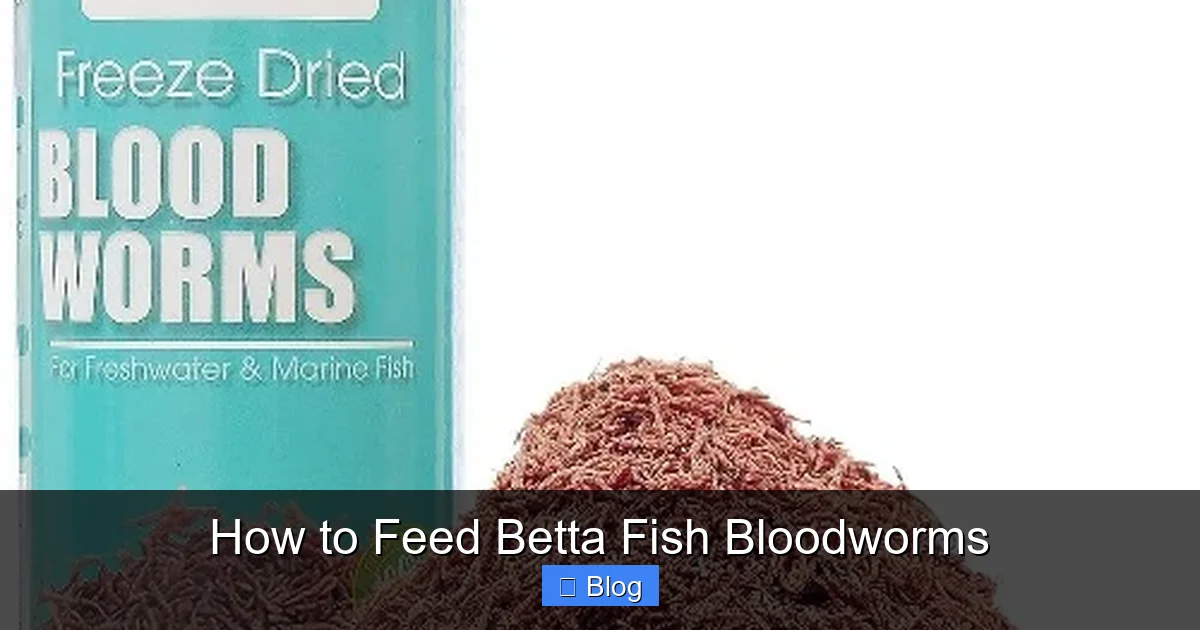
Freeze-dried bloodworms go through a dehydration process that removes all moisture. They’re shelf-stable, meaning you can store them at room temperature in a sealed container for a long time—perfect for occasional feeders. They’re also lightweight and won’t spoil quickly. However, freeze-dried bloodworms need to be rehydrated before feeding; otherwise, they can expand in your betta’s stomach and cause constipation. To rehydrate, soak them in a cup of tank water for 5-10 minutes. They’ll plump up and look more appealing. Nutritionally, freeze-dried options are good but may lose some vitamins during processing compared to frozen. Still, they’re a reliable backup or supplement. Just remember: always rehydrate to avoid digestive issues.
Preparing Bloodworms for Your Betta: The Essential Steps
Proper preparation is half the battle when learning how to feed betta fish bloodworms. Skipping this step can introduce contaminants into your tank or harm your fish. Whether you use frozen or freeze-dried bloodworms, you must get them ready. Let’s go through the simple but vital steps to ensure your bloodworms are safe and appealing.
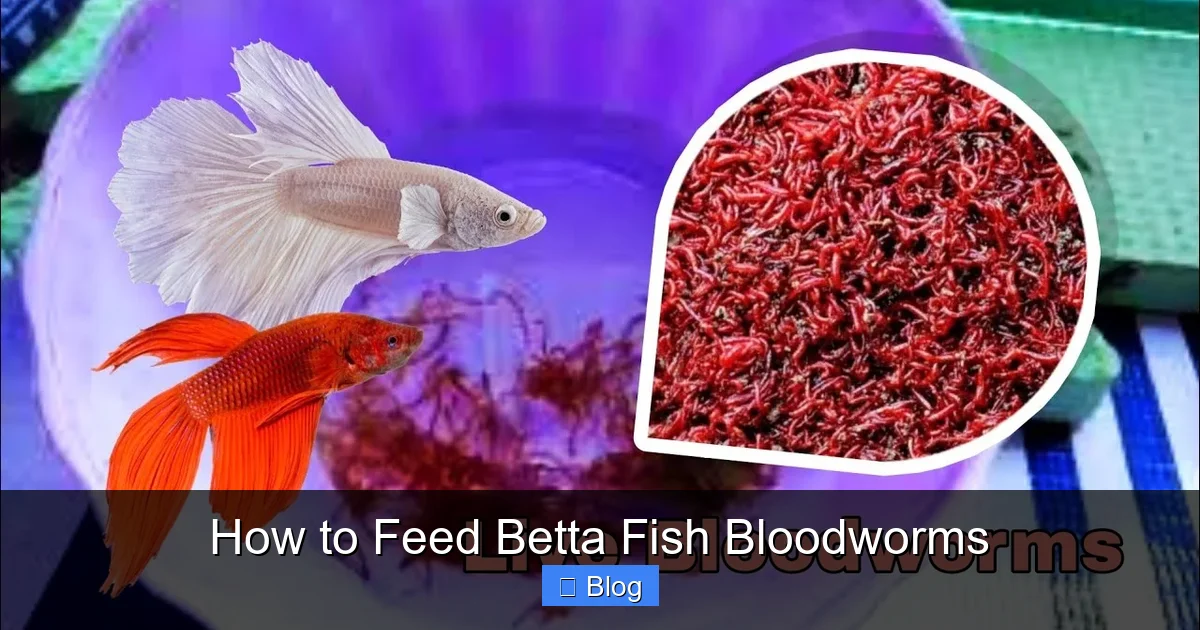
Visual guide about How to Feed Betta Fish Bloodworms
Image source: i.ytimg.com
Thawing and Rinsing Frozen Bloodworms
If you’re using frozen bloodworms, start by taking out a small cube. You only need a tiny piece—about the size of a pea or smaller, depending on your betta’s size. Place it in a small cup of your aquarium water (not tap water, to avoid temperature shock) and let it thaw for 5-10 minutes. Once thawed, gently rinse the bloodworms in a fine mesh strainer under cool, dechlorinated water. This removes any ice crystals, preservatives, or debris from the freezing process. Why is rinsing so important? Commercially frozen bloodworms might contain additives to preserve color or texture, which aren’t good for your fish. Rinsing ensures you’re feeding pure, clean worms. After rinsing, pat them dry lightly with a paper towel if they’re too watery, then they’re ready to serve.
Rehydrating Freeze-Dried Bloodworms
For freeze-dried bloodworms, rehydration is non-negotiable. Take a few pieces—start with 2-3 for an adult betta—and place them in a cup of tank water. Let them soak for 5-10 minutes until they swell and soften. You’ll see them turn from shriveled to plump. This step prevents them from absorbing water in your betta’s digestive tract, which could lead to bloating or constipation. Once rehydrated, drain any excess water and offer them immediately. Don’t leave rehydrated bloodworms sitting out, as they can spoil quickly.
Why You Should Never Skip Preparation
I get it—life gets busy, and you might want to just drop food in and go. But skipping prep can cause real problems. For example, feeding frozen bloodworms without thawing can give your betta a cold shock, stressing their system. Uneaten, unthawed worms might sink and decay, polluting the water. With freeze-dried worms, feeding them dry leads to digestive blockages. Also, unrinsed worms might carry traces of chemicals from processing. By taking just a few extra minutes to prepare, you protect your betta’s health and keep your tank clean. It’s a small effort for big rewards.
How to Feed Bloodworms to Your Betta: A Step-by-Step Guide
Now, let’s get to the heart of how to feed betta fish bloodworms. Feeding might seem straightforward, but doing it correctly ensures your betta gets the benefits without the downsides. Follow this simple, step-by-step process for every feeding session.
Visual guide about How to Feed Betta Fish Bloodworms
Image source: japanesefightingfish.org
Step 1: Determine the Right Portion Size
Portion control is critical. Overfeeding is one of the most common mistakes betta owners make, and bloodworms are so tempting to overdo because bettas love them. A good rule of thumb: feed an amount your betta can eat in 2-3 minutes. For most adult bettas, that’s 1-2 medium-sized bloodworms per feeding. If you have a smaller or younger betta, start with half a worm or one small piece. Observe how quickly they eat—if there’s leftovers after a few minutes, you’ve given too much. Remember, bettas have stomachs about the size of their eye, so tiny portions are key. It’s better to underfeed slightly and supplement with other foods than to overfeed and risk constipation or water quality issues.
Step 2: Introduce the Bloodworms to the Tank
Once your bloodworms are prepared, it’s time to add them to the tank. Use a pair of tweezers or a feeding tool to drop the worm directly in front of your betta. This helps them notice the food quickly. If you’re using frozen or rehydrated worms, you can gently dangle them in the water column to mimic movement, which excites your betta and encourages eating. For bettas that are picky or stressed, you might need to release the worm near their favorite hiding spot. Avoid scattering bloodworms all over the tank, as this makes it hard to monitor consumption and increases the chance of leftovers sinking and rotting.
Step 3: Monitor Your Betta’s Eating Habits
Stay nearby while your betta eats. Watch to ensure they’re actively consuming the bloodworm. Some bettas might be shy or slow eaters, so give them a minute or two. If they ignore the worm, try gently moving it with your tool to attract attention. If your betta still doesn’t eat, remove the worm after 5 minutes to prevent water contamination. Also, note how your betta behaves after eating—do they swim happily or seem lethargic? This can indicate if the portion was right or if there are underlying health issues. Regular monitoring helps you adjust feeding practices over time.
Step 4: Clean Up Any Uneaten Food
After feeding, check the tank thoroughly for any leftover bloodworms. Use a net or siphon to remove them promptly. Uneaten food decomposes quickly, releasing ammonia and nitrites that can harm your betta and disrupt the nitrogen cycle. Even a small piece left behind can cause problems in a small tank. Make this a habit every time you feed. It only takes a few seconds but makes a huge difference in maintaining clean, healthy water for your fish.
Common Feeding Mistakes and How to Avoid Them
Even with the best intentions, it’s easy to slip up when feeding bloodworms to betta fish. Let’s highlight some frequent errors and simple fixes to keep your betta safe.
Overfeeding: The Silent Killer
Overfeeding is the number one mistake. Bettas will eat as long as you give food, but their small bodies can’t handle large meals. Consequences include constipation (look for bloating or stringy feces), swim bladder disorders, and poor water quality from excess waste. To avoid this, stick to the 2-3 minute rule and measure portions. If you’re unsure, feed less—you can always offer a tiny bit more later if needed. Also, skip a day or two each week to give your betta’s digestive system a break. This fasting period is natural and beneficial.
Feeding Live Bloodworms Without Quarantine
As mentioned, live bloodworms can harbor diseases. If you insist on using them, always quarantine in a separate container for 24-48 hours. Observe for any deaths or odd behavior, which indicate poor quality. Better yet, choose frozen or freeze-dried to eliminate this risk entirely. Your betta’s health is worth the extra precaution.
Ignoring Water Quality Issues
Feeding bloodworms can impact water quality more than pellets because they’re protein-rich and decompose fast. If you notice cloudy water or a spike in ammonia after feeding, you’re likely overfeeding or not cleaning up leftovers. Test your water regularly, especially after introducing new foods. Perform partial water changes weekly to keep parameters stable. A clean tank is essential for your betta’s long-term health.
Beyond Bloodworms: Creating a Balanced Diet for Your Betta
While bloodworms are a superstar treat, they shouldn’t be the only food in your betta’s diet. A balanced approach ensures all nutritional needs are met. Let’s talk about how to incorporate bloodworms into a diverse menu.
The Importance of Dietary Variety
Bettas need a mix of protein, fats, fiber, and vitamins. Relying solely on bloodworms can lead to deficiencies, like lack of fiber which aids digestion. Variety also prevents boredom—imagine eating the same thing every day! Rotate between high-quality betta pellets (designed as a staple), frozen or live brine shrimp, daphnia, and occasional bloodworms. This mimics their natural varied diet and supports overall health. Aim to feed bloodworms 2-3 times a week max, with other foods on other days.
Other Excellent Foods for Bettas
Besides bloodworms, consider these options:
- Betta pellets: Choose ones with whole ingredients and no fillers. They provide a balanced base diet.
- Brine shrimp: High in protein and easy to digest, great for conditioning.
- Daphnia: Tiny crustaceans that act as a natural laxative, helping prevent constipation.
- Mysis shrimp: Rich in protein and fiber, another excellent supplement.
Always research and buy from reputable sources to avoid contaminated foods.
How Often to Include Bloodworms in the Diet
Frequency depends on your betta’s age and health. Adult bettas can have bloodworms 2-3 times a week as a treat. Younger bettas (fry) may need more frequent, smaller amounts for growth, but consult specific breeding guides. If your betta has digestive issues, limit bloodworms to once a week or switch to easier-to-digest options like daphnia. The key is moderation—treat bloodworms as a snack, not a meal replacement.
Conclusion: Your Betta Will Thank You
Feeding bloodworms to your betta fish is a rewarding way to boost their health and happiness. By now, you know how to feed betta fish bloodworms like a pro: choose safe types like frozen or freeze-dried, prepare them properly with rinsing and rehydrating, feed small portions, and always clean up leftovers. Avoid common mistakes like overfeeding or using live worms without caution. Remember, bloodworms are a treat—not a complete diet. Combine them with other foods for balance, and watch your betta flourish with vibrant colors and energetic swims. Your attention to detail shows how much you care for your finned friend. So go ahead, offer that bloodworm treat, and enjoy the beautiful bond you’re building. Here’s to many years of happy betta keeping!
Frequently Asked Questions
How often should I feed bloodworms to my betta fish?
Feed bloodworms 2-3 times per week as a treat. Avoid daily feeding to prevent nutritional imbalances and digestive issues. Always prioritize a staple diet of high-quality betta pellets.
Can betta fish eat only bloodworms?
No, bettas cannot thrive on bloodworms alone. They lack essential nutrients like fiber and certain vitamins. A varied diet with pellets, other supplements, and occasional bloodworms is crucial for long-term health.
What is the best form of bloodworms for bettas?
Frozen or freeze-dried bloodworms are best for most owners. They are safer than live ones, as freezing kills parasites. Frozen retains more nutrients, while freeze-dried offers long shelf life. Choose based on your convenience and storage options.
How do I store bloodworms after opening?
For frozen bloodworms, keep them in the freezer in their original packaging or an airtight container. Use within a few months. For freeze-dried, store in a cool, dry place in a sealed jar to prevent moisture. Always check expiration dates and discard if smelly or discolored.
What are signs of overfeeding bloodworms?
Signs include bloating, constipation (stringy feces), lethargy, and cloudy tank water. If you see these, reduce portions and fast your betta for a day. Ensure you’re only feeding what they eat in 2-3 minutes and clean up leftovers promptly.
Are bloodworms safe for all betta fish?
Generally yes, but some bettas may have allergies or sensitivities. Introduce bloodworms slowly and watch for reactions like refusal to eat or unusual behavior. If your betta has a history of digestive problems, consult a vet before feeding bloodworms regularly.