How to Feed a Sick Betta Fish
When your betta fish is sick, immediate dietary adjustments are critical for its recovery. Offer easily digestible foods like daphnia or brine shrimp, and consider short fasts to reduce stress on its system. Always maintain pristine water conditions and consult a vet for persistent health issues.
Key Takeaways
- Understanding how to feed a sick betta fish: Provides essential knowledge for making informed decisions
- Practical applications: Can be applied in various real-world scenarios
- Key benefits: Offers significant advantages when properly implemented
- Important considerations: Requires attention to specific details and best practices
- Future implications: Continues to evolve and impact related fields
📑 Table of Contents
- How to Feed a Sick Betta Fish: A Compassionate Guide to Nursing Your Finned Friend Back to Health
- Recognizing the Signs: Is Your Betta Actually Sick?
- Why Nutrition is Non-Negotiable for a Sick Betta
- Choosing the Right Food: The Ultimate Sick-Day Menu
- The Delicate Art of Actually Getting Food Into Your Betta
- Water Quality: The Invisible Foundation of Recovery
- Monitoring Progress and Adjusting Your Strategy
- Conclusion: Patience, Precision, and a Whole Lot of Love
How to Feed a Sick Betta Fish: A Compassionate Guide to Nursing Your Finned Friend Back to Health
You walk over to your betta’s tank, ready for your usual morning ritual of a quick “hello” and a pinch of food. But instead of that eager, flaring dance at the water’s surface, your little buddy is listless. Hiding in the corner. Maybe even floating sideways. Your heart sinks. The immediate question floods your mind: how do I feed a sick betta fish? It’s a scary moment for any betta parent. You know that nutrition is the cornerstone of recovery, but a fish that won’t eat is a fish that’s in real trouble. I’ve been there more times than I care to admit, staring at a beloved betta like my old buddy Bubbles, feeling utterly helpless. The truth is, figuring out how to feed a sick betta fish isn’t just about dumping some pellets in the water. It’s a delicate art that combines observation, the right tools, and a whole lot of patience. This guide is born from those worrying nights and hard-learned lessons. We’re going to walk through every step together, from recognizing the first signs of trouble to celebrating that first enthusiastic bite. Think of this as your friendly, no-nonsense playbook for getting your Siamese fighting fish back on the road to health.
Recognizing the Signs: Is Your Betta Actually Sick?
Before we even talk about food, we have to be absolutely sure we’re dealing with a sick fish and not just a sleepy one. Bettas are masters of hiding discomfort until it’s severe. Spotting the early warning signs is your first and most critical job.
Visual guide about How to Feed a Sick Betta Fish
Image source: cf.ltkcdn.net
Common Behavioral Red Flags
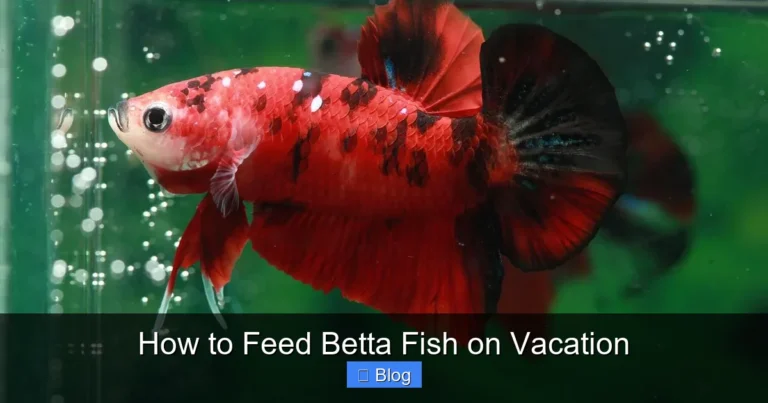
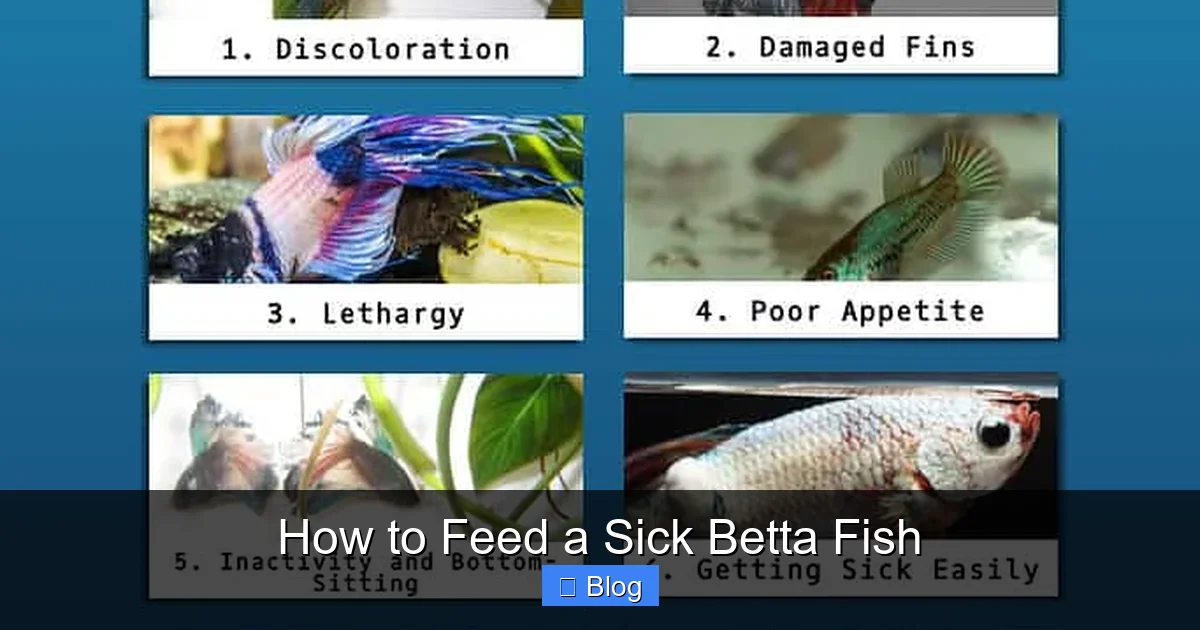
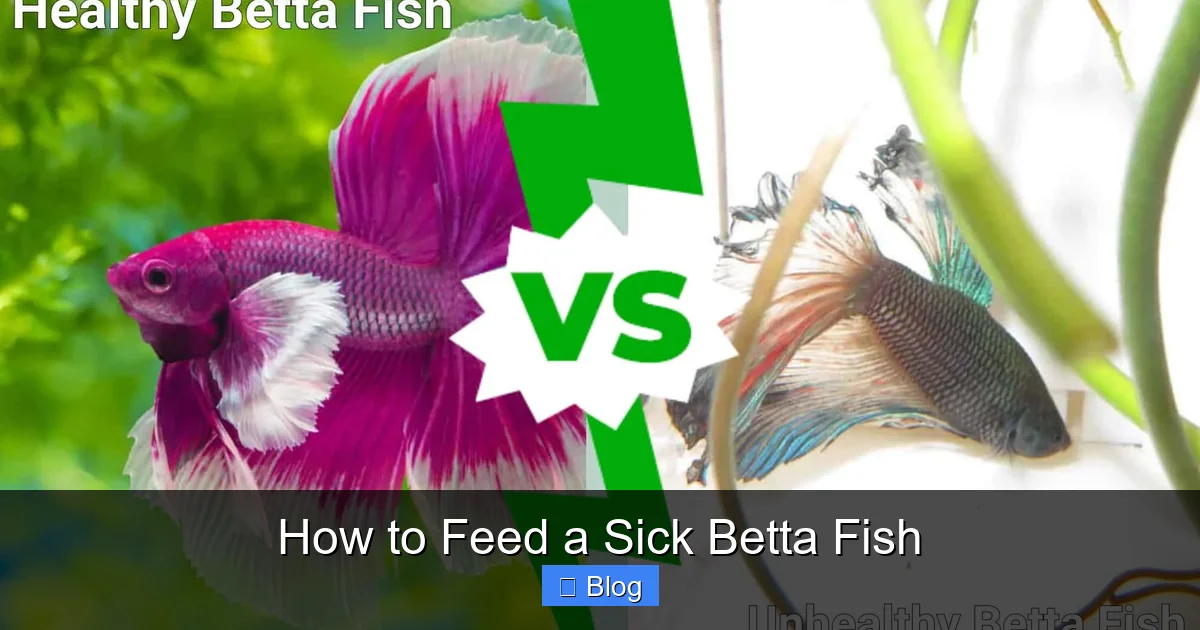
A healthy betta is curious, active, and flares at his reflection. A sick betta withdraws. Look for:
- Lethargy: Clinging to the bottom, plants, or tank walls with no energy to swim properly.
- Loss of Appetite: Ignoring food completely, or taking a bite and spitting it out. This is the most direct link to our topic of how to feed a sick betta fish.
- Hiding: Spending all day in a cave or behind decorations, avoiding light and activity.
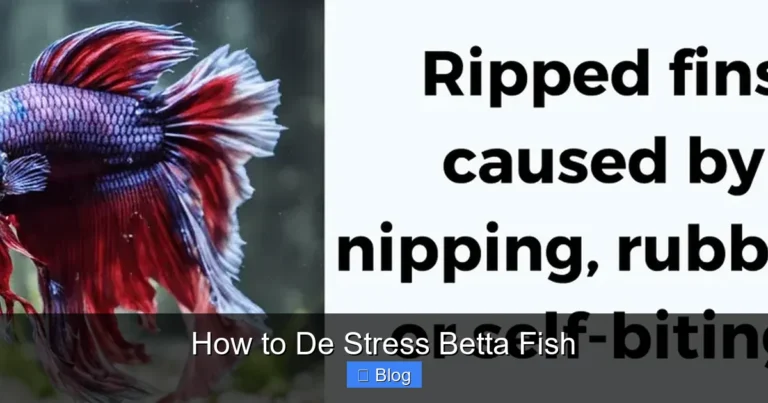
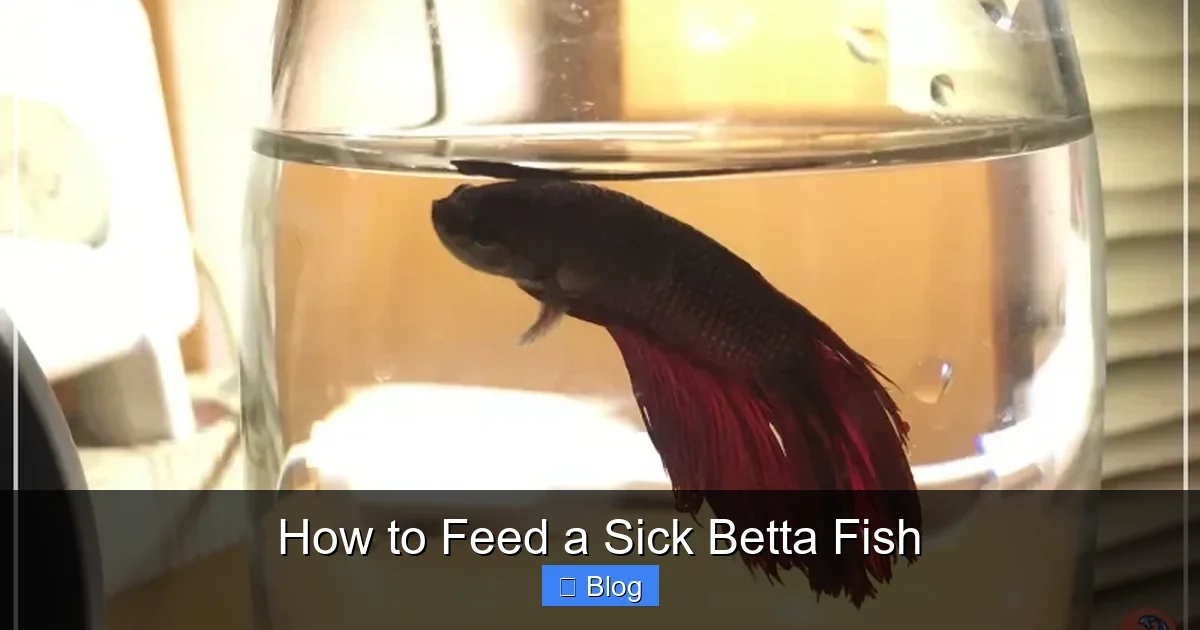
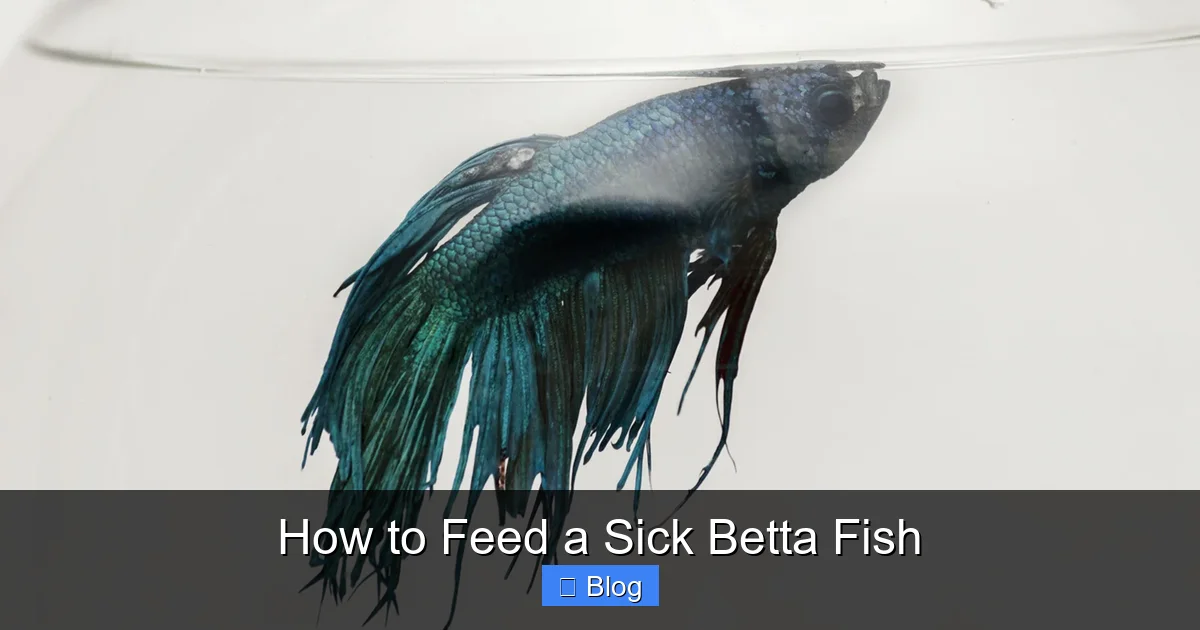
- Erratic Swimming: Swimming upside down, in circles, or constantly bumping into things (this can indicate swim bladder disease).
Physical Symptoms to Watch For
Sometimes, you can see the problem. Perform a gentle visual check during a water change or with a cup:
- Faded or Clamped Fins: Fins held tightly to the body instead of flowing beautifully.
- Spots or Patches: White spots (Ich), fuzzy growths (fungus), or red sores (fin rot).
- Raised Scales or “Pineconing”: A classic, late-stage sign of severe internal infection or dropsy. The body swells and scales protrude.
- Bulging Eyes or Pop-Eye: Often a sign of bacterial infection.
- Gasping at the Surface: Indicates severe stress, poor water quality, or a gill problem.
My Personal Anecdote: I once ignored mild lethargy in a betta named Admiral, thinking he was just grumpy. By the time he started pineconing, it was too late. Don’t make my mistake. Early intervention, especially concerning appetite, is everything.
Why Nutrition is Non-Negotiable for a Sick Betta
You might think, “If he’s not hungry, why force it?” This is the most crucial mindset shift. When a betta is ill, its body is in a state of emergency. It needs energy to fight infection, repair damaged tissues, and support its immune system. Not eating accelerates decline. A starving fish has zero reserves. It becomes weaker, more susceptible to secondary infections, and its organs can begin to shut down. The goal of how to feed a sick betta fish shifts from “provide a balanced meal” to “deliver usable calories and immune-boosting nutrients by any gentle means necessary.” Think of it as emergency rations. The food must be incredibly easy to digest, appetizing enough to trigger a instinctual bite, and delivered in a non-stressful way. Skipping meals might seem kinder, but it’s often the fastest route to a tragic outcome.
Visual guide about How to Feed a Sick Betta Fish
Image source: a-z-animals.com
Choosing the Right Food: The Ultimate Sick-Day Menu
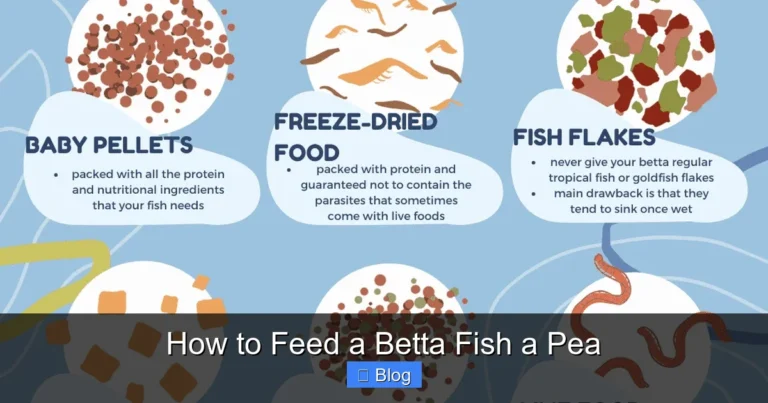
Forcing a regular pellet into a sick betta is like serving a steak to someone with a severe stomach flu. It’s the wrong texture, size, and digestibility. You need soft, aromatic, and easily consumed options. This is the core of practical how to feed a sick betta fish advice.
Visual guide about How to Feed a Sick Betta Fish
Image source: a-z-animals.com
The Top Tier: Live or Frozen Foods
These are the gold standard for enticing a reluctant eater. Their movement and scent are powerful triggers for a betta’s natural hunting instinct.
- Daphnia: Tiny water fleas. They are fantastic for digestion (they act as a mild laxative, helping with constipation, a common issue in sick bettas) and are packed with protein. Preparation: Rinse frozen daphnia thoroughly. You can even soak them in a little tank water to soften them further.
- Brine Shrimp (Nauplii): The hatchlings are tiny, full of nutrients, and wiggle enticingly. Excellent for boosting energy. Preparation: Use freshly hatched or high-quality frozen nauplii. Avoid adult brine shrimp; they’re too large and hard-shelled for a weak fish.
- Bloodworms: A betta’s absolute favorite. Rich and tempting. Use with caution: They are very rich and can cause constipation if fed exclusively. Best used as a “bait” to get the first few bites in, then switch to something gentler like daphnia. Preparation: Thaw frozen bloodworms and rinse well.
The Second Line: High-Quality, Pre-Soaked Pellets
If you must use pellets, you must prepare them correctly.
- Choose a Premium Pellet: Look for ones with fish or shrimp meal as the first ingredient. Cheap, grain-filled pellets are useless here.
- The Soaking Method is Mandatory: Place 1-2 pellets in a cup of tank water for 5-10 minutes until they puff up and become soft and spongy. This makes them easier to bite and digest, reducing the risk of constipation and bloating, which are major concerns when learning how to feed a sick betta fish.
Emergency & Supplemental Options
- Hard-Boiled Egg Yolk: A tiny, tiny pinch of crumbled, hard-boiled egg yolk (the yellow part only) is incredibly nutritious. Warning: It clouds water rapidly. Use a *minuscule* amount and be prepared for a partial water change soon after.
- Gel Foods: High-quality betta gel foods (like those made by New Life Spectrum) can be mashed into a paste with a little tank water. They are often easier to digest than pellets.
Foods to AVOID at All Costs
When your betta is sick, these are off-limits:
- Dry, Unsoaked Pellets: They expand in the stomach, causing dangerous bloat.
- Large or Freeze-Dried Foods: They can be tough to chew and digest.
- Bread or Other Human Foods: Absolutely no nutritional value and will foul the water.
The following table summarizes your best options for a sick betta:
| Food Type | Best For | Preparation | Pros | Cons |
|---|---|---|---|---|
| Frozen Daphnia | Constipation, mild illness, first bites | Thaw & rinse thoroughly | Easy to digest, laxative effect, high protein | Less tempting than bloodworms for some fish |
| Frozen Brine Shrimp (Nauplii) | Boosting energy, enticing appetite | Thaw & rinse | Highly enticing, nutritious, small size | Can be messy, less effective for constipation |
| Frozen Bloodworms | Ultimate appetite stimulant | Thaw & rinse, use sparingly | Betta’s favorite, very rich | High risk of constipation/bloat if overused |
| Pre-Soaked Premium Pellets | Maintenance once eating resumes | Soak in tank water 5-10 min | Convenient, nutritionally complete | May not tempt a very sick fish, must be soaked |
The Delicate Art of Actually Getting Food Into Your Betta
You have the perfect, soft, smelly food ready. Now what? You can’t just drop it in and hope. A sick betta often lacks the energy or instinct to hunt. You need to become a gentle, patient feeder.
Method 1: The Turkey Baster or Oral Syringe (The Gold Standard)
This is the most effective technique for a betta that is weak but still responsive.
- Gather your tools: A clean turkey baster (the small, plastic ones) or a 1ml oral syringe (without the needle, obviously).
- Prepare the food: Place a small amount of your chosen food (e.g., 3-4 daphnia or a smear of soaked pellet paste) into the baster/syringe.
- Add tank water: Draw up a tiny bit of tank water to create a slurry. You want the food to be suspended in the water, not packed at the tip.
- The Approach: Gently lower the tip of the baster/syringe just in front of your betta’s face. Don’t chase him. If he’s clamped at the bottom, try near his favorite plant.
- The Release: Slowly, gently, squeeze out a *tiny* stream of the food-water mix right by his mouth. The movement and scent will often trigger a bite. If he doesn’t react, try again in 10 minutes. Patience is key.
Pro Tip: If your betta is extremely weak and just rests on the bottom, you can very gently touch the food-water drop to his mouth or operculum (gill cover). Sometimes the instinct to expel a foreign object triggers a gulp, and he swallows the food.
Method 2: The “Target Feed” with Tweezers
For a betta that will take food from the surface but is too weak to chase it:
- Use a pair of fine-tipped tweezers (tweezers used for aquarium plants are perfect).
- Pick up a single, soft food item (like a thawed bloodworm).
- Gently lower it and hold it absolutely still just millimeters from his mouth or nose. The stationary target can be easier for a disoriented fish to focus on and nip.
Method 3: The “Food Puddle” for Very Weak Fish
If your betta can’t even swim to the surface:
- Create a very small puddle of water on the tank bottom by gently pouring a cup of water in one spot.
- Place a single, soft food item (like a piece of soaked pellet or a daphnia) right into that puddle next to your fish.
- The still water and close proximity might encourage him to simply open his mouth and suck it in without needing to swim.
Remember: The entire feeding session should last no more than 5 minutes. If he hasn’t taken anything, stop. Try again in a few hours. Forcing food or stressing him by prolonged attempts will worsen his condition.
Water Quality: The Invisible Foundation of Recovery
You cannot talk about how to feed a sick betta fish without talking about water. A sick fish in poor water is a dead fish. Food + bad water = toxic sludge. Your betta’s immune system is already compromised. Ammonia or nitrite spikes, even at low levels you can’t see, will cripple his ability to heal.
The Immediate Water Change Protocol
At the first sign of sickness, do a 25-30% water change with properly temperature-matched, dechlorinated water. This dilutes any pathogens and pollutants, giving your betta a cleaner, less stressful environment to recover in. For ongoing care:
- Increase Frequency: Switch from weekly changes to every 2-3 days, still doing 25% each time.
- Test Your Water: If you don’t have a liquid test kit (like the API Freshwater Master Test Kit), get one immediately. Test for Ammonia, Nitrite, and Nitrate. Your goal for a sick betta is 0 ppm for Ammonia and Nitrite. Nitrates should be below 10 ppm.
- Temperature is Critical: Ensure your heater is working accurately. A slightly elevated temperature (78-80°F or 25.5-26.5°C) can boost a betta’s immune response and metabolism, helping him process food. But do not raise it suddenly. Adjust by 1-2 degrees over an hour if needed.
The Connection Between Food and Water
Every morsel of food that isn’t eaten decays and pollutes the water. This is why the targeted feeding methods above are so vital—they minimize waste. After any feeding attempt where food is introduced, be vigilant. If you see uneaten food after 10 minutes, remove it with a turkey baster or net. This is non-negotiable housekeeping during illness.
Monitoring Progress and Adjusting Your Strategy
Recovery is rarely linear. Some days will be better than others. Your job is to be a detective, noting small changes.
What to Track Daily
- Appetite: Did he take food? How much? From what method?
- Activity Level: Is he swimming more? Exploring?
- Physical Appearance: Are fins starting to unclench? Is color returning?
- Waste Output: This is a huge indicator! A healthy, digesting betta will produce small, dark, formed waste. If you see long, stringy, white, or clear waste, it’s a sign of constipation or internal infection. This directly informs your food choice—more daphnia, less bloodworm.
When to Try a Short Fast
This sounds counterintuitive, but sometimes if a betta is severely bloated or constipated (a common cause of lethargy and not eating), a 24-48 hour fast is the kindest thing you can do. It gives his digestive system a complete rest. After the fast, offer a tiny amount of daphnia or a peeled, blanched pea (a common remedy for constipation in goldfish, but use extreme caution and only a *microscopic* piece for a betta). If he eats it, great. If not, continue with the fast and pristine water changes. Consult a vet before attempting a fast if your fish is visibly emaciated.
Knowing When to Seek Professional Help
There is a limit to what home care can do. If after 48-72 hours of pristine water and attempted feeding there is no improvement, or if symptoms are severe from the start (pineconing, extreme gasping, large open sores), it’s time to consult a veterinarian who treats fish. They can prescribe antibiotics or other medications that are not available over the counter. Early veterinary intervention can be the difference between life and death.
Conclusion: Patience, Precision, and a Whole Lot of Love
Learning how to feed a sick betta fish is one of the most challenging aspects of betta ownership. It’s a test of your observation skills, your patience, and your resolve. There will be moments of frustration when he spits out that perfect piece of daphnia you offered. There will be small victories when he darts for a single bloodworm. Remember, the goal isn’t a full meal today. The goal is one bite. Then two. Then a few the next day.
Your toolkit now includes: the knowledge to recognize sickness, the right menu of soft, enticing foods, the gentle techniques of the turkey baster and tweezers, and the unwavering commitment to water quality. Combine this with daily monitoring and the wisdom to know when to call in a professional.
My journey with Bubbles and others taught me that nursing a betta back to health is a profound act of care. It’s about creating an environment where his body can focus its meager energy on healing, not on digestion or fighting toxins. By mastering the delicate dance of feeding a sick betta, you give him his single best chance to pull through. Stay observant, be gentle, and don’t lose hope. That first enthusiastic flare at a food offering will feel like the greatest victory in the world.
Frequently Asked Questions
How do I feed a sick betta fish that won’t eat?
Start by offering very small amounts of easily digestible, high-quality foods like live or frozen daphnia, brine shrimp, or high-protein betta pellets. If they still refuse, a 24-48 hour fast is often recommended to allow their digestive system to rest before trying again with a tiny portion.
What is the best food for a sick betta fish?
The best foods are highly digestible and gentle on the system. Opt for live or frozen options like daphnia (which acts as a natural laxative) or microworms, or soak premium betta pellets in tank water to soften them before offering.
Can I force-feed my sick betta fish?
Force-feeding is generally not advised unless under the guidance of a vet, as it can cause severe stress or injury. Instead, focus on enticing them with irresistible, appropriate foods and ensure optimal water conditions to stimulate their natural appetite.
How often should I feed a sick betta fish?
Feed minimally, offering a tiny amount of food once a day or even every other day. Overfeeding a sick fish can quickly foul the water and worsen their condition, so remove any uneaten food immediately with a net or siphon.
Why is my betta fish not eating when sick?
A loss of appetite is a common symptom of illness in bettas, often caused by stress, poor water quality, internal parasites, or a digestive issue like constipation. Addressing the underlying cause is more critical than the feeding itself.
How does water quality affect how to feed a sick betta fish?
Good water quality is the absolute priority when feeding a sick betta. Poor water causes stress and suppresses appetite, so perform partial water changes daily and test parameters (ammonia, nitrite, nitrate, pH) before even attempting to feed.