How to Destress Betta Fish
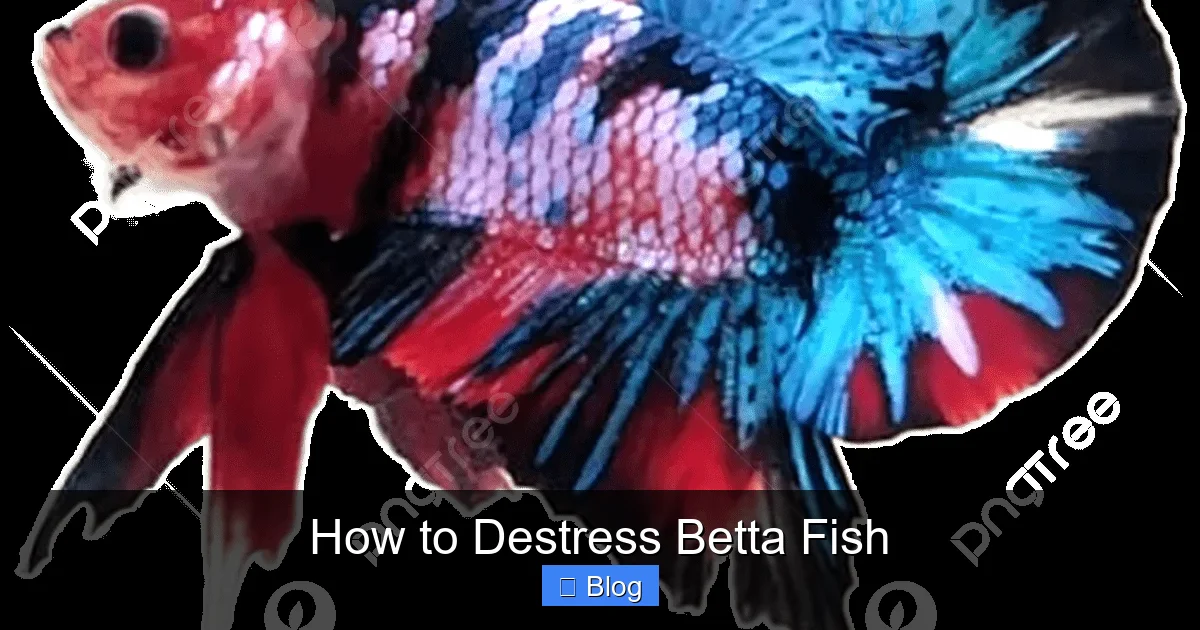
A stressed betta fish is a sick betta fish. Chronic stress weakens their immune system, leading to disease and a shortened lifespan. Destressing your betta isn’t about a single fix; it’s about creating a consistently stable, enriching, and appropriate environment. This involves mastering water quality, providing proper space and hiding spots, selecting compatible tank mates (or none), and offering a varied diet. By understanding their natural behaviors and needs, you can transform your betta from a lethargic, faded fish into a vibrant, curious, and active companion. The key is consistency and observation—your betta’s behavior is your best guide.
Key Takeaways
- Recognize the Signs: Learn to identify stress through physical cues (faded colors, clamped fins, rapid gills) and behavioral changes (lethargy, loss of appetite, glass surfing, aggression).
- Water is Everything: Maintain pristine water conditions with a cycled tank, stable temperature (78-80°F/25-27°C), and regular partial water changes (25% weekly) using a dechlorinator.
- Tank Size & Setup Matters: A 5-gallon minimum (10+ gallons is ideal) with a gentle filter, secure lid, soft substrate, and abundant plants (live or silk) provides essential security and exploration.
- Diet is Destress: Feed a high-quality, varied diet of pellets, frozen foods (brine shrimp, daphnia), and occasional treats, avoiding overfeeding which fouls water and causes constipation.
- Peaceful Environment: Avoid fin-nippers and aggressive tank mates. Often, a species-only tank is the least stressful option. Provide visual barriers if housing with calm, compatible species.
- Routine & Enrichment: Establish a consistent daily routine for feeding and light cycles. Add safe enrichment like a betta log, floating plants, or a gentle bubble wand to combat boredom.
- Patience is Key: Recovery from chronic stress takes time. Focus on providing stable, optimal conditions consistently rather than seeking quick fixes.
📑 Table of Contents
- Understanding Stress in Betta Fish: The Silent Killer
- Optimizing the Tank Environment: Building a Betta Sanctuary
- Water Quality & Maintenance: The Non-Negotiable Foundation
- Nutrition & Feeding: Food as Medicine
- Tank Mates & Socialization: To Company or Not?
- Daily Routines & Enrichment: Combating Boredom
- Conclusion: The Journey to a Calm, Vibrant Betta
Understanding Stress in Betta Fish: The Silent Killer
You brought home a stunning betta fish, with flowing fins like a living tapestry. But instead of gracefully gliding, your new friend hides at the top corner, clamped tight, colors dull. Your heart sinks. What’s wrong? The most likely, and most overlooked, culprit is chronic stress. Unlike humans, bettas don’t get “stressed” from work deadlines; their stress is a direct physiological response to a hostile or inappropriate environment. It’s a silent killer that compromises their immune system, making them susceptible to diseases like fin rot, ich, and velvet. Understanding what stress looks like and why it happens is the critical first step in learning how to destress betta fish effectively.
The Language of a Stressed Betta: Physical & Behavioral Cues
Bettas are expressive, but you need to know what you’re looking at. Stress manifests in two primary ways: appearance and action.
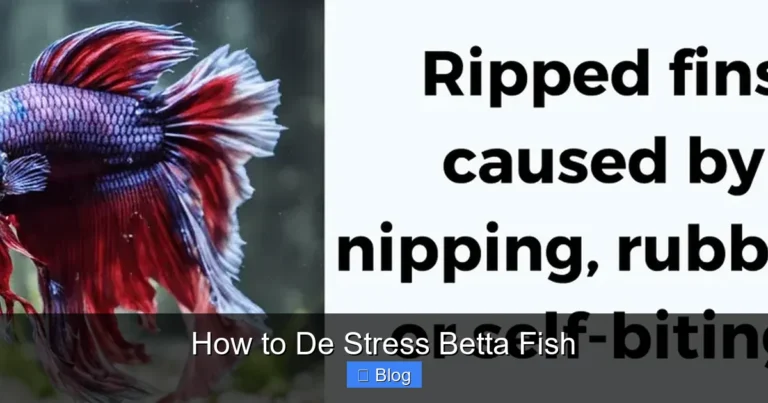
- Physical Signs: The most obvious is color loss. A vibrant royal blue can turn a washed-out gray. Fins may become clamped (held tightly against the body) instead of flowing. Look for rapid gill movement (gill flaring that isn’t part of a display), a sign of respiratory distress. Stress lines, horizontal dark stripes on the body (more common in females), can appear. A stressed betta might also develop stress-induced constipation, visible as a swollen abdomen.
- Behavioral Signs: A stressed betta is often a lethargic betta. It may hover listlessly at the surface (a behavior called “glass surfing” where they swim up and down the tank walls), or spend all day hiding behind filters or in plants. It will refuse food, which is a major red flag. Conversely, some bettas become hyper-aggressive, flaring at their reflection, your finger, or any movement outside the tank. This constant state of high alert is exhausting and stressful.
These signs are your betta’s desperate communication. Ignoring them is not an option if you want a thriving companion.
The Common Triggers: Why Your Betta Is Stressed
Stress doesn’t happen in a vacuum. It’s a reaction to one or more environmental failures. The most common triggers include:
- Poor Water Quality: This is the #1 cause. Ammonia, nitrite, or high nitrate from an uncycled tank or infrequent water changes is toxic and burns their gills. Betta fish have a labyrinth organ, but they still rely on their gills and are highly sensitive to water parameters.
- Incorrect Temperature: Bettas are tropical fish. Water below 76°F (24°C) depresses their immune system and metabolism. Water above 82°F (28°C) accelerates their metabolism to a stressful, unsustainable pace and depletes oxygen.
- Inadequate Space: The myth that bettas live in tiny cups is lethal. A small, bare bowl offers no room to explore, creates rapid water quality swings, and provides no security.
- Lack of Hiding Places: In the wild, bettas hide under leaves and in dense vegetation. A open, bright tank leaves them exposed and vulnerable, triggering their prey instincts to hide constantly.
- Inappropriate Tank Mates: Putting a betta with nippy fish like tiger barbs or with other long-finned, colorful fish is a recipe for constant harassment and torn fins.
- Sudden Changes: Drastic shifts in temperature, pH, or the introduction of new fish without proper quarantine can send a betta into shock.
- Overfeeding & Poor Diet: This leads to constipation (which can cause swim bladder issues) and foul water, creating a cycle of declining health.
- Boredom & Lack of Stimulation: A barren tank with nothing to do leads to chronic low-grade stress and stereotypic behaviors like constant glass surfing.
Your job is to systematically eliminate these triggers. Let’s explore how.
Optimizing the Tank Environment: Building a Betta Sanctuary
Think of your betta’s tank not as a bowl, but as its entire world. A well-designed environment is the foundation of low stress. The goal is to mimic, as closely as possible, the slow-moving, plant-dense waters of Thailand’s rice paddies where bettas originate.
Visual guide about How to Destress Betta Fish
Image source: png.pngtree.com
Tank Size: Bigger is (Almost) Always Better
The absolute minimum for a healthy, destressed betta is 5 gallons. This is non-negotiable for long-term health. However, if you have the space and commitment, a 10-gallon tank is a fantastic upgrade. Why? Larger volumes of water are more stable. Temperature and water chemistry fluctuations happen slowly, giving your betta a buffer against mistakes. It also provides vastly more room for swimming, exploring, and creating distinct territories with plants and decorations. A 5-gallon is a good start; a 10-gallon is a stress-reducing luxury.
The Gentle Filter: Oxygenation Without Torment
All betta tanks must have a filter. The myth that bettas can live in stagnant water is dangerous. A filter houses beneficial bacteria that process toxic ammonia and nitrite. However, bettas have delicate fins and are not built for strong currents. A hang-on-back (HOB) or internal power filter with a strong flow will exhaust your betta, forcing it to constantly swim against the current. The solution:
- Choose a filter with an adjustable flow. Turn it down to the lowest setting where you still see gentle water movement.
- Use a sponge filter. These are perfect for bettas. They provide excellent biological filtration, gentle aeration (which they love), and zero current that can damage fins. They are also inexpensive and quiet.
- If your filter is too strong, baffle it. This means creating a diffuser. You can attach a sponge to the outflow, use a spray bar, or even place a decorative item in front of the current to break it up.
You should see your betta resting peacefully, not struggling to stay in one spot.
Hiding Places & Vertical Space: Security is Key
A betta without a place to hide is a stressed betta. Dense planting is essential. Use a mix of:
- Floating Plants: These are golden. They diffuse bright light, create a natural canopy bettas love to rest under, and provide a sense of security. Use natural floating plants like Salvinia or Duckweed, or high-quality silk/fake floating plants. Ensure there’s an air gap between the water surface and the lid for them to gulp air.
- Midground & Foreground Plants: Use a mix of live plants (like Anubias, Java Fern, Cryptocorynes—which can be attached to driftwood) or very soft silk plants. Avoid plastic plants with sharp edges that can tear fins.
- Structures: A betta log (coconut husk with a hole) or a ceramic pot (smooth, no sharp edges) provides a perfect cave. Driftwood and smooth river rocks also add interest and grazing spots for beneficial bacteria.
The tank should have a mix of open swimming space and dense, shaded corners. This gives your betta the choice to be out in the open when it feels safe or to retreat completely when it wants privacy.
Lighting & Temperature: Mimicking a Natural Cycle
Bettas do not need intense lighting. A simple, low-intensity LED on a timer is perfect. Provide a consistent day/night cycle (10-12 hours on, 12-14 hours off). This regulates their internal clock and reduces stress. Never use bright, overhead lights constantly—it’s like having a spotlight on you 24/7.
Temperature is critical. Invest in a reliable aquarium heater (5-10 watts for a 5-gallon, 50-watt for a 10-gallon) and a digital thermometer (stick-on or in-tank). Do not trust the heater’s built-in dial. Set it to maintain a stable 78-80°F (25-27°C). Use a heater guard to prevent burns if your betta rests on it. A consistent temperature is more important than hitting an exact number. Fluctuations of more than 2°F in a day are stressful.
Water Quality & Maintenance: The Non-Negotiable Foundation
You can have the most beautiful, planted betta tank in the world, but if the water is toxic, your fish will be stressed and sick. Water quality is not optional; it is the bedrock of betta health.
The Nitrogen Cycle: Understanding Your Tank’s Biology
A “cycled” tank is one where beneficial bacteria have established colonies to convert toxic fish waste (ammonia) into less harmful nitrite, and finally into nitrate. This process takes 4-6 weeks. You cannot have a healthy, destressed betta in an uncycled tank. The process:
- Stage 1: Ammonia (NH3/NH4+) spikes. Extremely toxic.
- Stage 2: Nitrite (NO2-) spikes. Also highly toxic.
- Stage 3: Nitrate (NO3-) appears. Less toxic, but must be removed via water changes.
Use a liquid test kit (like API Master Test Kit) to monitor ammonia, nitrite, and nitrate. A cycled tank will read 0 ppm ammonia, 0 ppm nitrite, and a low nitrate (under 20 ppm). If you have ammonia or nitrite present, your tank is not safe for a betta. You must either complete the fishless cycle or use a water conditioner that detoxifies ammonia (like Seachem Prime) while the cycle establishes, with very frequent water changes. A cycled tank is the single most important thing you can do to destress your betta from day one.
The Ritual of Partial Water Changes
Even in a cycled tank, nitrate builds up. Weekly partial water changes (PWC) are essential. A 25% water change once a week is the standard for a properly stocked 5-10 gallon tank. This dilutes any pollutants, refreshes minerals, and maintains water stability.
How to do it correctly:
- Use a gravel vacuum to siphon debris from the substrate while removing water. Don’t just take water from the top.
- Match the temperature of the new water to the tank water (within 1-2°F).
- Always use a water conditioner/dechlorinator (like Seachem Prime) to neutralize chlorine, chloramines, and heavy metals in tap water. Add it to the new water in the bucket before adding it to the tank, or dose directly into the tank as you add the new water.
- Pour the new water in slowly, preferably against the glass or into a filter outflow to avoid disturbing the substrate and stressing the fish.
- Never change more than 50% at once, as this can cause significant parameter shocks.
Consistent, gentle PWC is a profound stress-reducer. It shows your betta that its world is clean and stable.
Nutrition & Feeding: Food as Medicine
What you feed your betta directly impacts its stress levels, digestive health, and immune function. Poor diet leads to constipation, poor water quality from uneaten food, and nutritional deficiencies that manifest as faded colors and lethargy.
Building a Balanced, Varied Diet
High-quality betta-specific pellets should be the staple. Look for pellets with whole fish or seafood as the first ingredient. Soak them in tank water for a minute before feeding to prevent digestive issues (betta stomachs are the size of their eye).
Variety is crucial for destressing. A monotonous diet is nutritionally incomplete. Supplement 2-3 times a week with:
- Frozen Foods: Frozen brine shrimp or daphnia are excellent. They are high in protein and fiber (daphnia is a natural laxative). Thaw a small cube in a dish of tank water, then offer a few morsels.
- Live Foods (Optional):strong> Occasionally, live microworms or vinegar eels are fantastic for stimulating appetite and providing enrichment. Only source from reputable cultures to avoid introducing disease.
Treats like a tiny piece of blanched bloodworm (a true treat, not a staple) can be given once a week. Avoid flakes—they are nutritionally poor and pollute the water quickly.
The Golden Rule: Feed Sparingly
Overfeeding is the #1 cause of poor water quality in small tanks. A betta’s stomach is tiny. A good rule: feed an amount equal to the size of its eyeball, once or twice a day. Two fast days a week (no food) are highly beneficial. This gives their digestive system a rest, mimics natural feeding patterns where food is scarce, and helps prevent constipation and swim bladder disorder. A constipated betta is a stressed, uncomfortable betta. You will see it hover at the bottom, sometimes at a 45-degree angle. Fasting and feeding a cooked, skinned pea (mashed) can resolve this. A healthy, not-bloated betta is a less stressed betta.
Tank Mates & Socialization: To Company or Not?
This is a complex and often misunderstood aspect of betta care. The decision on tank mates is one of the most significant you’ll make for your betta’s stress levels.
The Reality of Betta Temperament
Betta splendens were bred for aggression. While modern hobbyist lines have been bred for color and finnage, that aggression is still in their DNA. Their stress is often triggered by the perceived threat of another fish, especially one with long, flowing fins (which they see as a rival male) or bright colors. There is no guarantee that any betta will tolerate tank mates. You must know your individual fish.
Safe (er) Tank Mate Options & Critical Rules
If you have a large enough tank (10+ gallons is strongly recommended for any community) and a betta that is not overly aggressive, you can attempt to add peaceful, fast-moving, non-flashy fish that occupy different tank levels. Never add another betta (unless you are a seasoned expert doing a sorority, which is high-risk).
- Good Candidates (for a 10+ gallon): Small, schooling fish like harlequin rasboras, emerald green rasboras, or a small school of neon tetras (6+). Bottom dwellers like corydoras pygmaeus or kuhli loaches are often good as they stay on the bottom and are fast enough to evade flares. Otocinclus catfish are peaceful algae eaters. Snails (nerite, mystery) and shrimp (cherry, ghost) are often tolerated but may be eaten.
- The Introduction Protocol: Add the tank mates first and let them establish their territories for several weeks. Then, introduce the betta in a divider or separate container inside the tank so they can see but not touch for a week. Watch for constant flaring, chasing, or hiding. If the betta fixates and won’t stop, remove the betta immediately. The tank mates’ stress is just as important.
The Species-Only Tank: Often the Least Stressful Choice
For many bettas, especially those with long, flowing fins (like halfmoons) or a more timid disposition, the safest and least stressful environment is a species-only tank. They get 100% of the space, all the food, and no harassment. You can focus all your energy on perfecting the water, plants, and enrichment for one fish. This is not a failure; it is responsible pet ownership. A calm, curious betta in a 10-gallon planted solo tank will be far happier and healthier than a constantly flaring betta in a 20-gallon community. Know your fish.
Daily Routines & Enrichment: Combating Boredom
Stress isn’t just about avoiding negatives; it’s about providing positives. A betta that is mentally stimulated and has a predictable routine is a destressed betta.
The Power of a Consistent Schedule
Bettas are creatures of habit. Feed at the same times each day. Have a consistent light schedule. When you approach the tank to feed, do so calmly. Over time, your betta will learn the routine and will come to the front expectantly, not fearfully. This predictability is a huge comfort. Sudden, unpredictable banging on the glass or frantic movements outside the tank will spike stress hormones.
Environmental Enrichment: A Stimulating Home
An empty tank is a jail cell. Enrichment provides mental stimulation and encourages natural behaviors.
- Live or Silk Plants: The #1 enrichment. They provide resting spots, hiding places, and something to explore. Rearrange them slightly every month or so to create a “new” environment.
- Floating Logs & Leaves: Betta logs are fantastic. They provide a unique resting place at the surface where the betta feels secure. Indian almond leaves release tannins that can slightly lower pH and have mild antibacterial properties, mimicking their natural blackwater habitat. This is very soothing.
- Gentle Bubble Wand: Many bettas love to play in the gentle stream of bubbles from an air stone set on low. It provides movement and interest without a strong current.
- Target Training: Yes, you can train your betta! Use a target (a colored suction cup or even your finger) and reward with a food pellet when they touch it. This provides mental exercise and strengthens your bond.
- Safe Decor: Smooth, non-porous ornaments like ceramic castles or resin caves (file down any sharp edges) give new things to investigate.
Change up the enrichment every few weeks. Move a plant, add a new leaf, introduce a different object (ensure it’s aquarium-safe). A novel environment is a powerful antidote to boredom-induced stress.
Conclusion: The Journey to a Calm, Vibrant Betta
Destressing your betta fish is not a one-time project; it’s a commitment to understanding and meeting its complex needs. It’s the difference between merely keeping a fish alive and truly providing for a living being. Start with the absolute fundamentals: a cycled, appropriately sized tank with stable, warm water and a gentle filter. Then, layer on the security with dense planting and hiding spots. Refine the diet to be high-quality and sparse. Make the conscious decision about tank mates based on your individual fish’s personality, not a generic list. Finally, commit to a routine and provide ongoing enrichment.
Watch your betta. Its behavior is your report card. When you see it resting peacefully under a floating leaf, flaring playfully at your finger, or building a bubble nest, you know you’ve succeeded. A destressed betta is a breathtaking sight: colors impossibly vibrant, fins flowing like silk, and a curious, active presence that will captivate you for years. The effort you put into creating this stable, enriching world is returned tenfold in the joy of watching your betta truly thrive. Your betta’s calm, healthy life starts with the choices you make today.
Frequently Asked Questions
How do I know if my betta fish is stressed or just sleeping?
A sleeping betta will be still, often resting on a plant leaf or the substrate, but its body will be relaxed, fins may be slightly spread, and colors will be normal. A stressed betta shows specific signs like clamped fins, faded colors, rapid gill movement, and lethargy combined with hiding or frantic swimming. If the behavior persists for more than a few hours after lights on, it’s likely stress.
Can I use bottled spring water for my betta tank?
It’s not recommended as a primary source. Spring water lacks consistent mineral content and can have unpredictable pH and hardness. It’s also expensive and environmentally taxing. The best practice is to use properly conditioned tap water. Use a water conditioner to remove chlorine/chloramines, and a test kit to understand your tap water’s parameters, adjusting if necessary with buffers or minerals.
My betta is flaring at its reflection constantly. Is this stressful?
Yes, constant flaring at its reflection is a sign of stress and frustration. Your betta perceives its reflection as an intruding rival. This causes chronic stress. To destress it, break up the reflection. Use a background on the outside of the tank, tilt the tank slightly, add more floating plants to obscure the view, or use a non-reflective film on the glass. Ensure the tank has plenty of other visual barriers and enrichment to distract it.
How often should I really do water changes for a betta?
For a properly cycled 5-gallon tank with a filter and no tank mates, a 25% partial water change once a week is the standard. For a 10-gallon, the same 25% weekly change is sufficient. If you have a heavily stocked community tank, you may need 25% twice a week. Never skip water changes, and always use a dechlorinator. Consistency is the key to destressing your betta through water quality.
My betta suddenly lost all its color. Is it stressed or sick?
Sudden, significant color loss is a classic, immediate sign of severe stress or illness. First, check water parameters immediately with a test kit (ammonia, nitrite, nitrate, pH). High ammonia/nitrite will cause rapid fading. Also, check for other signs: clamped fins, lethargy, rapid breathing, or spots/sores. Immediate action on water quality (large water change with conditioner) is critical. If color doesn’t return in a few days with improved conditions, disease is likely the underlying cause of the initial stress.
Is a filter really necessary if I change the water daily?
Yes, a filter is absolutely necessary. Daily water changes are impractical and disruptive, causing parameter swings that are themselves stressful. A filter’s primary job is to house beneficial bacteria that process toxic ammonia and nitrite from fish waste—a process that happens continuously, not just during water changes. Without a cycled filter, ammonia will spike daily from your betta’s waste, poisoning it. A gentle filter on a low setting is far less stressful than the constant toxic buildup of an unfiltered tank.