How to Feed Your Betta Fish
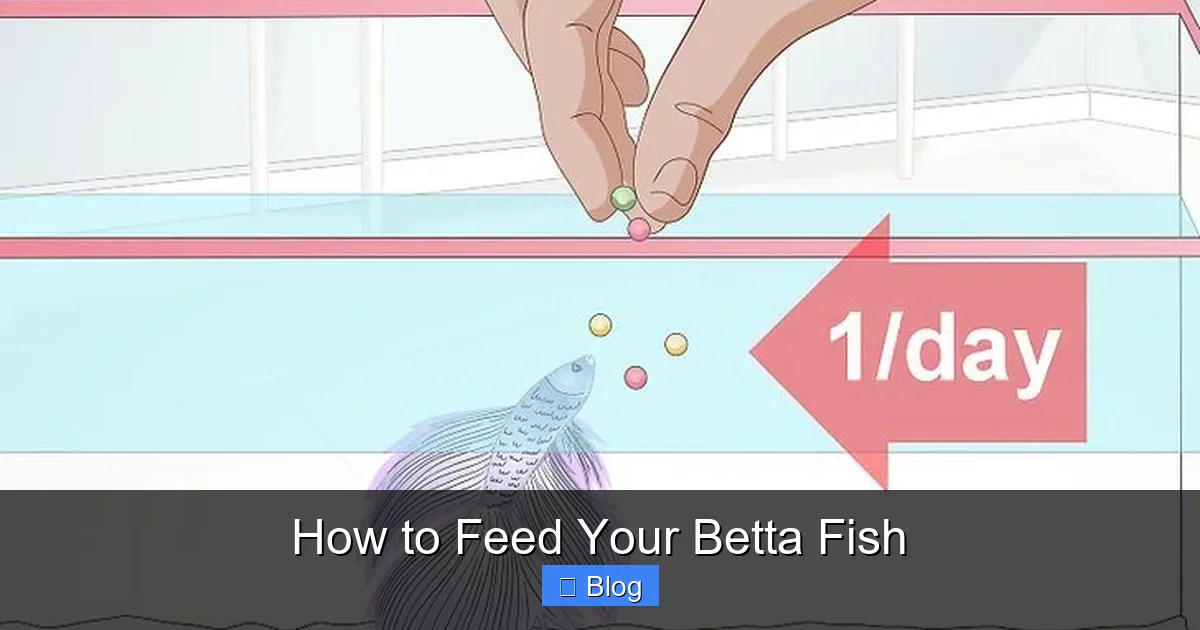
Feeding your betta fish correctly is crucial for its health and longevity. A proper betta diet consists of high-quality, protein-rich foods specifically formulated for them. The key is to avoid overfeeding by offering small portions 1-2 times daily and removing uneaten food promptly. Understanding your betta’s natural carnivorous needs and mimicking a varied diet in the wild will prevent common health issues like constipation and swim bladder disease.
Key Takeaways
- Bettas are carnivores: Their diet must be primarily animal-based protein, not plant matter or vegetable fillers found in many generic fish foods.
- Portion control is everything: A betta’s stomach is roughly the size of its eyeball. Overfeeding is the #1 cause of health problems and dirty water.
- Feed high-quality, varied foods: Use a staple pellet or flake designed for bettas, and supplement with frozen or live foods like brine shrimp or daphnia 2-3 times a week.
- Feed at regular times and remove leftovers: Stick to a 1-2 times per day schedule. Any uneaten food must be scooped out within 2-3 minutes to prevent water pollution.
- Soak dry foods to prevent constipation: Pre-soaking pellets in tank water for a few minutes makes them easier to digest and reduces the risk of buoyancy issues.
- Observe your fish: Watch your betta eat. If food consistently sinks and is ignored, try suspending it at the surface. Adjust portions based on its body condition.
- Water quality is directly tied to feeding: Overfeeding leads to excess waste and ammonia spikes. Clean water is non-negotiable for a well-fed betta.
📑 Table of Contents
- Welcome to the World of Betta Fish Care: It All Starts with Food
- Understanding Your Betta’s Natural Diet: The Carnivore in Your Living Room
- The Main Course: Choosing the Right Foods for Your Betta
- The Golden Rules of Feeding: Portion, Schedule, and Presentation
- Common Feeding Mistakes (And How to Avoid Them)
- Feeding Your Betta Through Different Life Stages
- The Final Bite: A Summary for a Happy, Healthy Betta
Welcome to the World of Betta Fish Care: It All Starts with Food
So, you’ve brought home a beautiful betta fish, with its flowing fins and vibrant colors. You’ve set up a cozy tank, found the perfect spot, and now you’re staring at this little wonder, thinking, “Now what?” The single most important thing you do every single day for your betta’s health and happiness is feed it. But here’s the secret: feeding a betta isn’t just about tossing some flakes in the tank. It’s an art, a science, and a cornerstone of responsible pet ownership. Getting it wrong can lead to a host of problems, from a bloated, constipated fish to a filthy, toxic tank. Getting it right means you’ll enjoy a lively, colorful companion for years—often three to five, sometimes even longer! This guide will walk you through everything you need to know about how to feed your betta fish, transforming you from a beginner to a confident caretaker. Let’s dive in.
Understanding Your Betta’s Natural Diet: The Carnivore in Your Living Room
Before we talk about food types and schedules, we need to understand who we’re feeding. The betta fish, also known as the Siamese fighting fish, hails from the shallow, warm waters of Thailand’s rice paddies and slow-moving streams. In this environment, they are ambush predators. They don’t graze on algae or plants all day. Instead, they lie in wait for insects, larvae, tiny crustaceans (like brine shrimp and daphnia), and even small worms that fall onto the water’s surface.
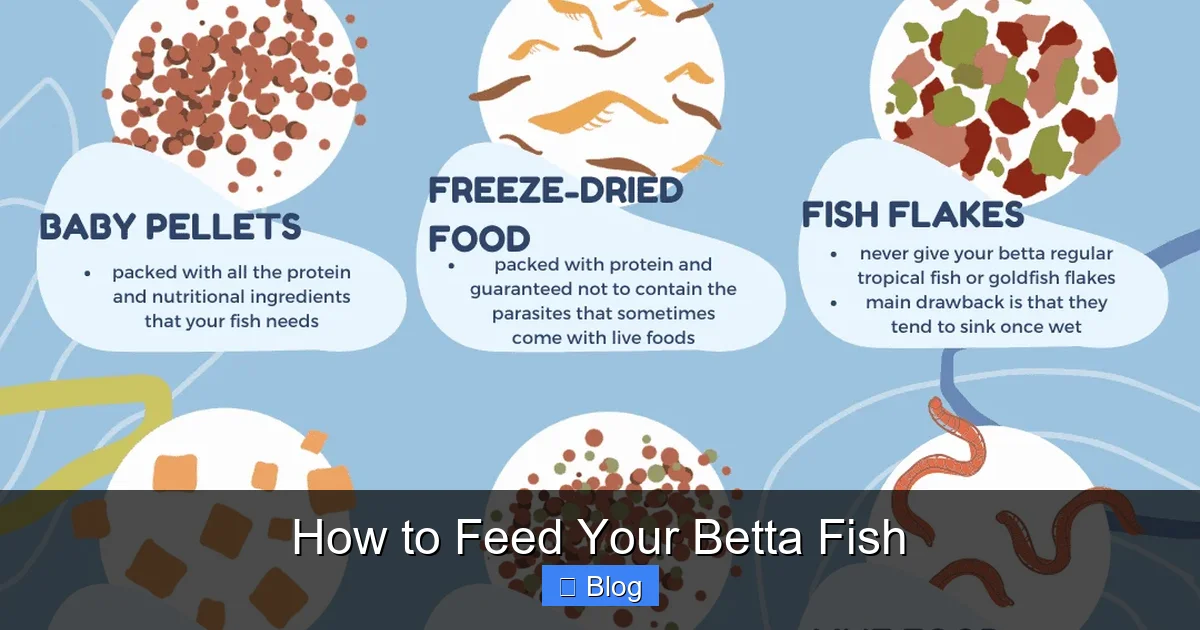
Visual guide about How to Feed Your Betta Fish
Image source: tankarium.com
The Protein-Powered Predator
This natural diet is almost entirely animal-based protein and fat. A wild betta’s system is built to process this. Their short, straight digestive tract is designed for meat, not for breaking down plant cellulose. This is the foundational truth of betta nutrition. Any food that lists wheat, corn, soy, or other grains as a primary ingredient is fundamentally wrong for them. These fillers pass through undigested, causing constipation and contributing to poor water quality as they decompose. When you choose a betta food, your first question should be: “Is the first ingredient a named animal protein, like salmon meal, shrimp meal, or krill?”
The Myth of the “Vegetarian” Betta
You might see bettas pecking at algae wafers or plant matter in a community tank. This is often out of boredom or curiosity, not a dietary need. They might ingest a tiny bit, but it provides no real nutritional value and can cause digestive issues. Don’t be fooled by marketing for “betta pellets” that are full of plant-based fillers. Always read the ingredient list. A quality betta diet will have a crude protein content of at least 40%, ideally higher, and will derive that protein from animal sources.
The Main Course: Choosing the Right Foods for Your Betta
Now that we know bettas are carnivores, let’s explore the fantastic array of foods available. A healthy betta diet should be built on a foundation of a high-quality staple food, with regular variety from supplemental treats. Think of it like your own diet: you need balanced meals every day, but it’s also good to mix things up!
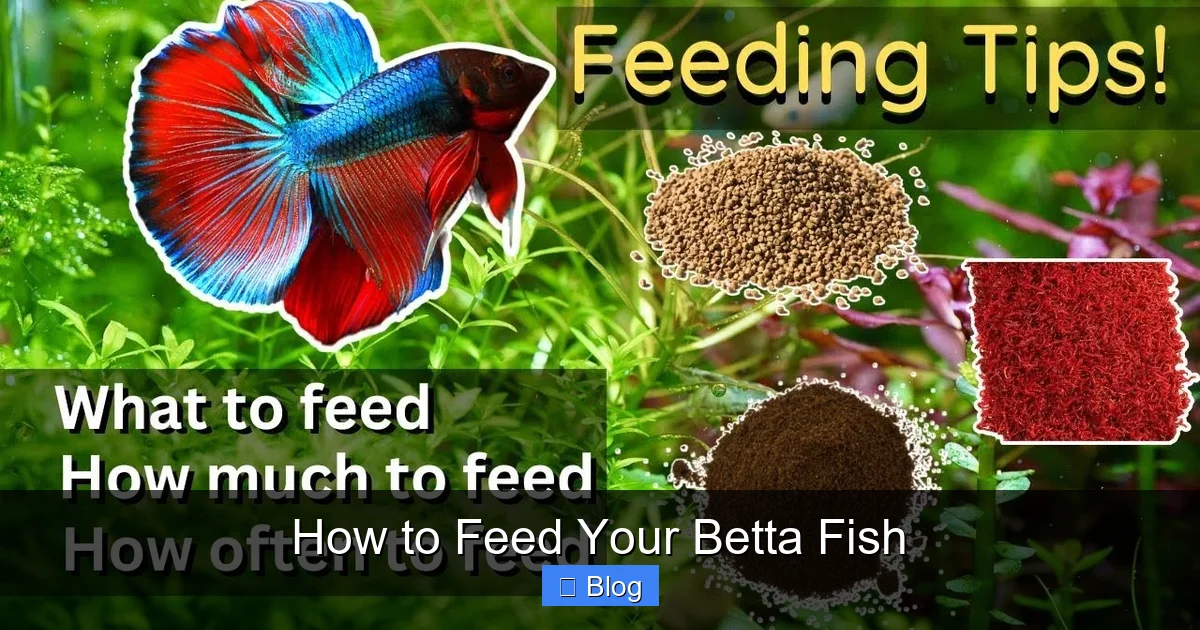
Visual guide about How to Feed Your Betta Fish
Image source: i.ytimg.com
Staple Foods: The Daily Bread (or rather, the daily shrimp)
These are the foods you’ll offer most days. Their job is to provide complete, balanced nutrition.
- Betta Pellets: This is the most common and convenient staple. Look for pellets specifically formulated for bettas. They are designed to float or sink slowly, mimicking natural prey. High-quality pellets will be small, dark, and dense. Avoid “betta crisps” or large pellets that are mostly filler. A good rule: if the pellet is larger than your betta’s eye, it’s too big. You may need to break them in half.
- Betta Flakes: Some bettas love flakes, but they can be messy. Flakes often dissolve quickly, polluting the water. If you use flakes, choose a high-protein betta-specific formula and feed only what your fish can consume in 30 seconds. Pellets are generally a cleaner, better option.
- Betta Sticks: These are often a gimmick. They are typically large, buoyant sticks that can cause overfeeding and water quality issues. They are not recommended as a primary food source.
Supplemental & Treat Foods: The Vibrant Variety
This is where you add excitement and extra nutrients to your betta’s life. Aim to offer these 2-3 times a week, replacing a staple meal.
- Frozen Foods: A fantastic, safe, and convenient option. Common choices include frozen bloodworms (the larval form of midges), frozen brine shrimp, and frozen daphnia. These are nutritionally rich and easy to digest. Simply thaw a small cube in a dish of tank water, rinse off the preservative gel, and offer a tiny pinch.
- Live Foods: The ultimate in stimulation and nutrition. Brine shrimp (hatched from cysts), daphnia, and microworms are excellent live options. The movement triggers a betta’s natural hunting instinct. However, live foods carry a risk of introducing parasites or bacteria to your tank, so source them carefully or consider culturing your own.
- Freeze-Dried Foods: These are dehydrated versions of live or frozen foods (bloodworms, brine shrimp, daphnia). They are a good, shelf-stable alternative but lack the moisture content of frozen foods. Always pre-soak freeze-dried foods in tank water for 5-10 minutes before feeding to rehydrate them and prevent digestive blockages.
The Golden Rules of Feeding: Portion, Schedule, and Presentation
Knowing *what* to feed is only half the battle. *How* you feed is equally critical. Three principles reign supreme: portion control, consistent scheduling, and proper presentation.
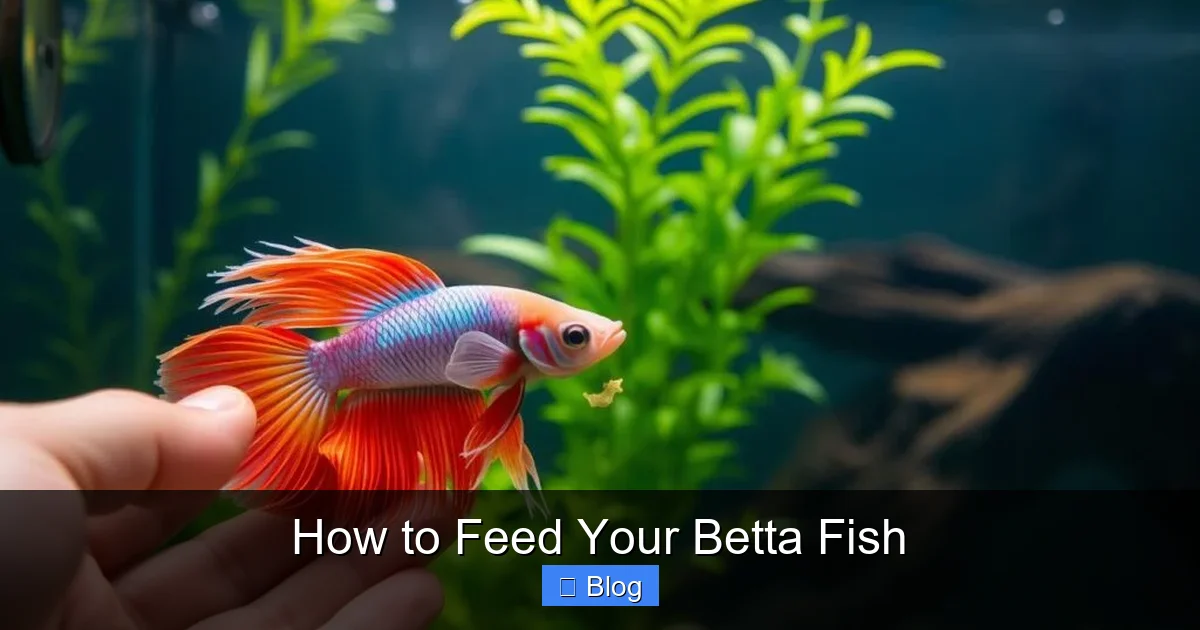
Visual guide about How to Feed Your Betta Fish
Image source: koibettafish.com
Rule #1: Master the Portion (The “Eyeball” Method)
This cannot be stressed enough. A betta’s stomach is about the size of its eyeball. That’s your visual guide. For most adult bettas, this translates to 2-3 small pellets per meal, or a pinch of frozen food no larger than a grain of rice. For younger or smaller bettas, it’s even less. When in doubt, underfeed. It is far better to slightly underfeed than to overfeed. An underfed betta will be more active and alert. An overfed betta becomes lethargic, constipated, and produces excessive waste.
Rule #2: Establish a Feeding Schedule
Bettas thrive on routine. Feed your betta at the same times each day. Most adult bettas do well on a schedule of once or twice daily. Many experienced keepers advocate for a “fast day” once a week (no food at all), which gives the digestive system a break and can help clear up minor issues. Juveniles (fry) need more frequent feedings (3-4 times a day) of appropriately sized foods like infusoria or baby brine shrimp. Stick to a schedule you can maintain consistently.
Rule #3: Presentation and Cleanup is Key
How you deliver the food matters.
- Surface Feeders: Bettas are labyrinth fish; they breathe air and naturally feed at the surface. Choose foods that float or sink slowly to allow them to grab it before it drops to the bottom.
- The 2-3 Minute Rule: Offer your betta’s portion. Set a timer for 2-3 minutes. After that time, any uneaten food must be removed immediately using a net, turkey baster, or gravel vacuum during a water change. This is a non-negotiable rule for maintaining pristine water quality.
- Pre-Soaking Dry Foods: Always soak pellets and freeze-dried foods in a small cup of tank water for 2-3 minutes before feeding. This softens them, making them easier to digest and less likely to cause constipation and swim bladder problems, a common betta ailment.
Common Feeding Mistakes (And How to Avoid Them)
Even with the best intentions, mistakes happen. Here are the most frequent pitfalls and how to sidestep them.
Mistake #1: Overfeeding – The Silent Killer
This is the #1 mistake new betta owners make. We love our pets and want to give them treats, but with bettas, this is dangerous. Signs of overfeeding include a visibly swollen, “pinecone” appearance (constipation), lethargy, stringy white poop, and excessive waste in the tank. The solution is simple: reduce portions immediately. Implement a 24-48 hour fast to clear the system. For severe constipation, a tiny piece of a peeled, cooked pea (blanched) can help, but prevention through correct portions is always best.
Mistake #2: Using the Wrong Food
Feeding your betta tropical fish flakes, goldfish food, or “community” pellets is a recipe for disaster. These foods are not formulated for a strict carnivore. The plant fillers will cause digestive issues. Always buy food labeled specifically for bettas or carnivorous tropical fish.
Mistake #3: Neglecting Water Quality After Feeding
Uneaten food decays rapidly, turning into toxic ammonia and nitrites. This is why the “remove leftovers” rule is so vital. A filter helps, but it can’t handle a constant influx of rotting food. Combine proper feeding with a regular maintenance schedule (weekly 25% water changes) to keep parameters safe.
Mistake #4: Boredom and a Monotonous Diet
Feeding the same two pellets every day is like eating only toast. It’s not terrible, but it’s not ideal. A lack of variety can lead to nutritional deficiencies and a bored fish that may lose its vibrant colors. Rotate your supplemental foods! One day bloodworms, next week daphnia, then maybe a high-quality brine shrimp. This provides a broader range of nutrients and keeps your betta mentally stimulated.
Feeding Your Betta Through Different Life Stages
A betta’s dietary needs change as it grows. Adjusting its diet accordingly supports healthy development at every age.
Fry (0-3 Months): The Critical Growth Phase
Betta fry are tiny and have different digestive capabilities. For the first 2-3 days after hatching, they live off their yolk sacs. After that, they need *constant* access to microscopic food. Start with infusoria (a culture of microorganisms) or commercial fry powder. After about a week, introduce newly hatched brine shrimp nauplii—their tiny size and movement are perfect. Feed 3-4 times a day, but only what they can consume in a few minutes. Clean water is absolutely critical at this stage; perform small, frequent water changes.
Juveniles (3-6 Months): Building Strength
As your betta grows, you can gradually introduce larger foods. Continue offering baby brine shrimp and finely crushed high-quality betta pellets. You can start offering small amounts of frozen daphnia or microworms. Feed 2-3 times a day, monitoring growth and body condition. This is the stage where vibrant colors begin to develop, supported by a rich, protein-heavy diet.
Adults (6+ Months): Maintenance and Vibrancy
This is the long-term maintenance phase. Feed a staple pellet once or twice daily. Supplement with frozen or live foods 2-3 times a week for variety and to maintain peak color and fin condition. As bettas age, they may become less active. Adjust portions slightly downward to prevent obesity. Always observe your individual fish—a less active older betta needs fewer calories.
The Final Bite: A Summary for a Happy, Healthy Betta
Feeding your betta fish is a daily act of care that directly impacts its health, color, and lifespan. By understanding their carnivorous nature, choosing high-quality foods, mastering portion control with the “eyeball” method, and maintaining impeccable water quality, you create an environment where your betta can truly thrive. Remember, consistency is your greatest ally. A predictable schedule of small, appropriate meals, followed by swift cleanup, will prevent the vast majority of common health issues. Watch your fish, learn its habits, and adjust as needed. A well-fed betta is an active, curious, and breathtakingly beautiful companion. You have the power to give it the best life possible, and it all starts with what’s in the bowl.
Frequently Asked Questions
How often should I feed my betta fish?
Most adult bettas should be fed once or twice a day. A common and healthy practice is to feed a small meal in the morning and a small meal in the evening, with one fast day per week to aid digestion. Juvenile bettas require more frequent feedings, 2-3 times daily.
What is the best food for a betta fish?
The best food is a high-quality pellet or flake specifically formulated for bettas, with animal protein as the first ingredient. This should be the staple of their diet. For optimal health and color, supplement this 2-3 times a week with frozen or live foods like bloodworms, brine shrimp, or daphnia.
How much should I feed my betta?
Feed an amount roughly the size of your betta’s eyeball, which is typically 2-3 small pellets per meal. For frozen foods, a pinch no larger than a grain of rice is sufficient. When in doubt, always feed less. Overfeeding is far more dangerous and common than underfeeding.
Can betta fish eat regular tropical fish food or goldfish flakes?
No, betta fish should not eat regular tropical fish food or goldfish flakes. These foods are formulated for omnivores or herbivores and contain high levels of plant-based fillers like wheat and corn. Bettas are strict carnivores and cannot digest these properly, leading to constipation, swim bladder disease, and poor health.
Why is my betta fish constipated and what should I do?
Constipation in bettas is almost always caused by overfeeding or feeding dry foods without soaking them first. A constipated betta will have a swollen, “pinecone” appearance and may struggle to swim. To treat it, fast your betta for 24-48 hours. Then offer a small, peeled, cooked pea (blanched and cut into a tiny piece) or a daphnia, which has natural laxative properties. Always pre-soak pellets to prevent future issues.
My betta spits out its food. Is something wrong?
Betta spitting out food is very common and usually not a cause for immediate alarm. Reasons can include: the food is too large (break pellets in half), the food is too dry (pre-soak it), your betta is simply being picky, or it may be a sign of mild constipation. Try offering a different type of food (e.g., frozen bloodworms) to see if it eats that. If the behavior persists alongside lethargy or other symptoms, a health check may be needed.