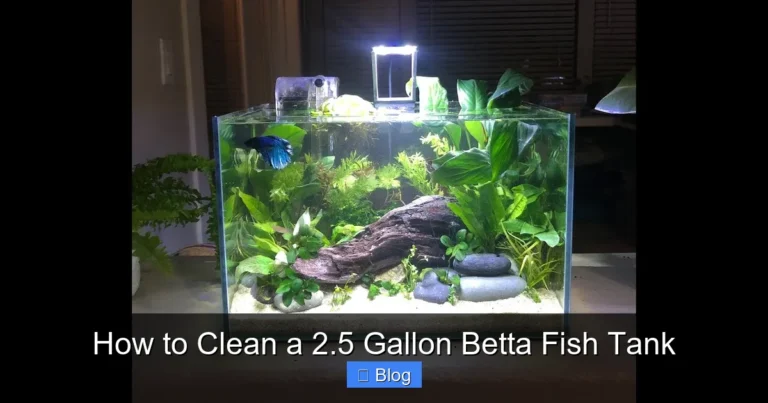
How to Get a Betta Fish
Getting a betta fish is more than just buying a colorful fish in a cup. It requires careful planning to ensure you provide a proper, healthy home. This guide walks you through every step, from understanding the long-term commitment and selecting a reputable source to setting up a cycled, filtered tank and introducing your new pet correctly. Follow these steps to give your betta the vibrant, happy life it deserves.
So, you’ve fallen for the mesmerizing fins and bold personality of a betta fish. That vibrant splash of color swimming in a tiny cup at the store is undeniably captivating. But here’s the most important thing to understand before you even think about how to get a betta fish: that little cup is a temporary holding cell, not a home. Bringing a betta into your life is a wonderful commitment, but it’s one that requires preparation, knowledge, and a dedication to providing a proper environment. This guide will take you from that initial spark of interest to the confident, responsible owner of a thriving aquatic companion. We’ll move far beyond the outdated “betta in a bowl” myth and into the modern, science-backed world of betta care.
Think of this as your complete roadmap. We’ll cover the crucial mindset shift needed, how to choose a healthy fish from a ethical source, the absolute essentials of tank setup (spoiler: it’s not a vase or a novelty tank), the critical cycling process, and the proper way to bring your new friend home. By the end, you won’t just know how to get a betta fish; you’ll know exactly how to give it a long, healthy, and enriched life. Let’s dive in.
Key Takeaways
- Commitment is Key: Betta fish live 2-5 years (sometimes longer) and require consistent daily and weekly care, not just a decorative bowl.
- Tank Size Matters Most: A absolute minimum of 5 gallons is non-negotiable for a healthy betta; larger is always better for stability and enrichment.
- Source Responsibly: Avoid big-box stores and pet stores with poor conditions. Seek reputable local breeders, specialized betta sellers, or rescues for healthier, ethically-sourced fish.
- The Tank Must Be Cycled: Never put a betta in a brand-new tank. You must establish a beneficial bacteria cycle (4-6 weeks) to process toxic waste safely.
- Equipment is Essential: A gentle filter and a reliable heater (maintaining 78-80°F) are mandatory, not optional, for a betta’s long-term health.
- Acclimation is Critical: Slowly drip-acclimate your betta to the new tank’s water parameters over 30-60 minutes to prevent shock and stress.
- Diet & Enrichment: Feed a high-quality, varied diet in tiny portions and provide plants, caves, and other decor to prevent boredom and stress.
📑 Table of Contents
- 1. The Mindset Shift: Understanding the Commitment
- 2. Choosing Your Betta: Where and How to Select a Healthy Fish
- 3. The Essential Habitat: Setting Up the Perfect Tank
- 4. The Nitrogen Cycle: The Most Important Preparation
- 5. Bringing Your Betta Home: Acclimation and Introduction
- 6. Long-Term Care: Diet, Maintenance, and Enrichment
- Conclusion: A Rewarding Journey
1. The Mindset Shift: Understanding the Commitment
Before you visit a store or a breeder’s website, you need to internalize one fact: a betta fish is a living, breathing creature with a lifespan comparable to a small pet. This isn’t a short-term decoration. With proper care, your betta will be part of your life for 2 to 5 years, and many dedicated owners report bettas living 7, 8, or even 10 years. That’s a significant commitment.
Beyond the “Fighting Fish” Myth
The betta’s formal name is Betta splendens, but they’re also called Siamese fighting fish. This nickname stems from their historically aggressive nature, bred for combat centuries ago. However, modern bettas, especially the fancy varieties you see today, are primarily ornamental. While males must be housed alone due to territorial aggression, they are not constantly “fighting.” They are curious, intelligent, and can even be trained to take food from your fingers. Understanding their true nature helps you provide mental stimulation, not just a sterile box.
The Daily & Weekly Reality
Owning a betta means establishing a routine. Daily tasks include:
- Feeding: A small portion of high-quality food (2-3 pellets or a few frozen foods) once or twice a day. Overfeeding is a leading cause of poor water quality and illness.
- Observation: A quick 5-minute check to ensure your betta is active, eating, and showing no signs of illness (clamped fins, lethargy, spots, bloating).
Weekly tasks are equally important:
- Water Testing: Using a liquid test kit to check ammonia, nitrite, nitrate, and pH levels.
- Partial Water Changes: Replacing 25-50% of the tank water weekly with dechlorinated, temperature-matched water to keep nitrate levels low and maintain water quality.
This isn’t burdensome; it’s a rewarding ritual that connects you to your pet and ensures its wellbeing.
2. Choosing Your Betta: Where and How to Select a Healthy Fish
Where you acquire your betta dramatically impacts its initial health and your overall experience. The goal is to find a fish that has been raised in good conditions from the start.
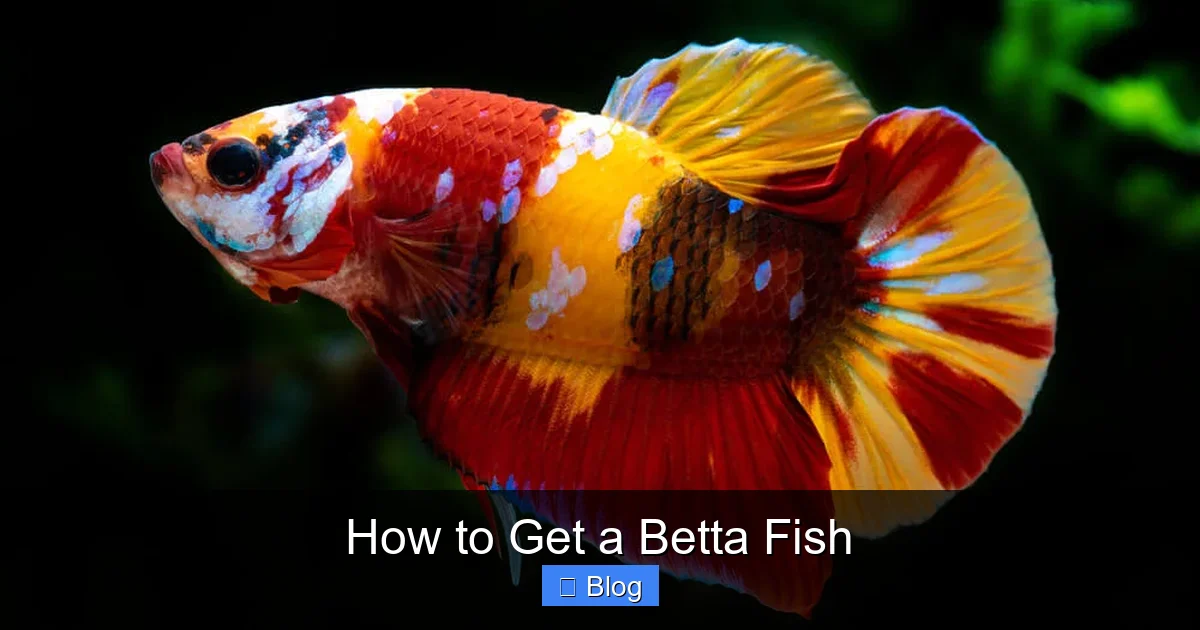
Visual guide about How to Get a Betta Fish
Image source: light.fish
Ethical Sources: Breeders, Specialists, and Rescues
Reputable Local Breeders: This is often the gold standard. Breeders who focus on bettas (not just a side hobby) usually keep their fish in filtered, heated setups with excellent water quality. You can ask about lineage, health history, and often see the parents. Look for breeders who are transparent about their practices and prioritize fish health over extreme, unhealthy fin mutations.
Specialized Online Betta Sellers: Many expert breeders sell online with guaranteed live arrival. Research extensively. Look for sellers with excellent reviews, clear health guarantees, and who ship responsibly (with heat/cold packs and insulation). They often have a wider variety of healthy, vibrant fish.
Local Fish Stores (LFS) with Good Practices: Some independent local fish stores are fantastic. Visit the store and observe the betta display. Are the fish in cups or, ideally, in small heated and filtered tanks? Are the water clean? Do the fish look active and alert? Staff should be knowledgeable and willing to answer questions about their bettas’ care.
Rescues & Adoption: Consider adopting a betta in need. Betta rescue organizations and some shelters take in unwanted or neglected bettas. This gives a deserving fish a second chance. Be prepared for possible recovery needs, but the reward is immense.
What to Look For: The Health Checklist
When you’ve found a potential source, inspect the individual fish carefully:
- Active & Alert: It should be swimming purposefully, not lethargically floating or sinking. It should react to your presence near the tank.
- Undamaged Fins: Fins should be full, flowing, and free of tears, rot (black or white edges, fraying), or clumping. Mild fin-nipping in a community tank is common, but severe damage is a red flag.
- Clear Eyes & Body: Eyes should be bright and not cloudy or bulging. The body should be smooth, without bumps, sores, white spots (ich), or fuzzy growths (fungus).
- Healthy Appetite: Ask to see it eat. A healthy betta will readily accept food.
- Vibrant Color: While some bettas are naturally paler, colors should be rich and even, not faded or patchy.
- No Excessive Slime Coat: A thin, protective slime coat is normal. A thick, white, or grey slime coating indicates poor water quality or disease.
Red Flags to Avoid: Fish in dirty water, fish with severe fin rot, fish that are listless and unresponsive, stores that keep all bettas in tiny, unheated cups with no filtration.
3. The Essential Habitat: Setting Up the Perfect Tank
This is the most crucial step. You cannot simply buy the fish and then buy the tank. The tank and its ecosystem must be fully established and stable before your betta arrives. This process is called “cycling.”
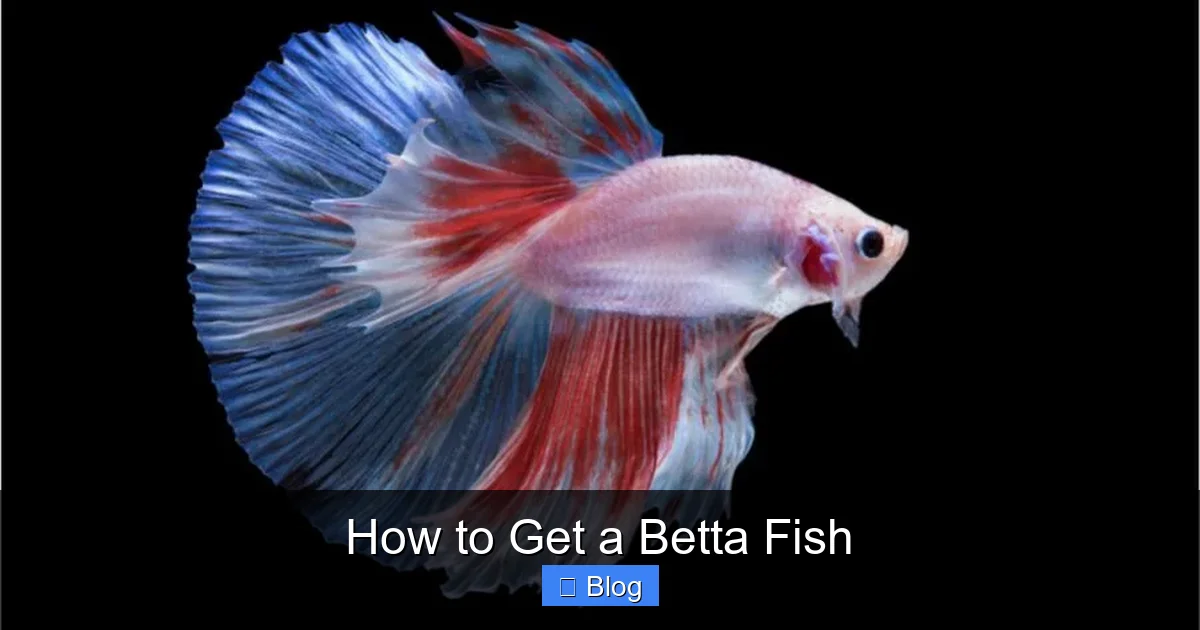
Visual guide about How to Get a Betta Fish
Image source: acaquarium.com
Tank Size & Shape: The 5-Gallon Minimum
Let’s be unequivocal: a betta needs at least 5 gallons of water. There is no scientific or ethical argument for a smaller volume. Here’s why a larger tank is superior to a “betta bowl”:
- Water Stability: Larger volumes of water dilute toxins (ammonia, nitrite) from fish waste, making sudden, lethal spikes far less likely. It’s a more forgiving environment for beginners.
- Temperature Stability: A small volume of water heats and cools rapidly, causing dangerous temperature swings. A 5+ gallon tank with a good heater maintains a stable, warm environment.
- Enrichment & Exercise: A betta is an active swimmer. A larger space allows for exploration, territory establishment, and reduces boredom and stress, which can lead to depression and illness.
- Easier Maintenance: Weekly water changes in a 5-gallon tank are manageable and effective. In a 1-gallon bowl, you’d be changing water daily to keep it livable.
Tank Shape: A standard rectangular tank (longer than it is tall) is ideal. Bettas are labyrinth fish and need to gulp air from the surface, so a wide surface area is important. Avoid tall, narrow “column” tanks.
Non-Negotiable Equipment
Your betta’s tank is a mini-ecosystem. These components are mandatory:
- Heater: Bettas are tropical fish from Thailand’s warm waters. They require a consistent water temperature between 78-80°F (25.5-26.5°C). A reliable, adjustable aquarium heater (50 watts for a 5-gallon tank) is essential. Use a separate aquarium thermometer to verify the temperature.
- Filter: A filter is not optional. It houses the beneficial bacteria that cycle the tank and keeps the water clear by removing physical debris. Choose a gentle filter. Strong currents can stress a betta and damage its long fins. Look for filters with adjustable flow, sponge filters (excellent and gentle), or hang-on-back (HOB) filters that can be baffled with a sponge to reduce flow.
- Lighting: Standard LED tank lighting is fine. Avoid intense, direct lighting that can cause algae growth or stress the fish. Provide a regular day/night cycle (8-10 hours of light) using a timer.
- Cover/Lid: Bettas are skilled jumpers. A secure lid is a must-have safety feature. Ensure there is still an air gap above the water for them to gulp air.
Substrate, Décor, and Plants
This is where you create a beautiful and functional environment.
- Substrate: Sand or smooth gravel (1-2 mm size) is best. Avoid sharp, jagged gravel that can tear delicate fins. Rinse thoroughly before adding to the tank.
- Plants & Hiding Spots: This is critical for a betta’s mental health. They need places to hide, rest, and claim as territory. Use live plants (like Anubias, Java Fern, Cryptocoryne) which improve water quality and provide natural texture. If using silk or plastic plants, ensure they have soft, smooth edges—no stiff, plastic leaves that can snag fins. Add ceramic caves, terracotta pots (with holes plugged), or driftwood (pre-soaked) for exploration.
- Philosophy: Create a landscape with open swimming space at the top (for surface breathing) and plenty of mid-level and bottom hiding spots. A betta should feel it has a castle to retreat to and a forest to explore.
4. The Nitrogen Cycle: The Most Important Preparation
You cannot skip this step. The nitrogen cycle is the process of establishing colonies of beneficial bacteria that convert toxic fish waste (ammonia) into less harmful nitrates. A tank without this cycle is a toxic soup that will poison your betta, often within days.
Visual guide about How to Get a Betta Fish
Image source: modestfish.com
What is the Cycle?
It’s a biological process with three stages:
- Ammonia (NH3/NH4+): Produced from fish waste and decaying food. Highly toxic.
- Nitrite (NO2-): Bacteria (Nitrosomonas) convert ammonia to nitrite. Also highly toxic.
- Nitrate (NO3-): A second bacteria (Nitrospira) converts nitrite to nitrate. Much less toxic and is removed by water changes and plants.
A “cycled” tank has enough bacteria to instantly convert any ammonia produced into nitrate, keeping water safe for fish.
How to Cycle a Tank (Fishless Cycle Method – Recommended)
This method is safest, fastest, and most humane. You cycle the tank without putting a fish in it.
- Set Up the Tank: Assemble everything—tank, filter, heater, substrate, décor. Fill with dechlorinated water. Turn on filter and heater. Set heater to 78-80°F. Let it run for 24 hours.
- Add an Ammonia Source: You need to feed the bacteria. Use pure ammonia (from a hardware store, no surfactants) or a commercial cycling product. Add enough ammonia to reach 2-4 ppm. You can also use a piece of raw shrimp or fish food, but it’s less precise.
- Test Daily: Using a liquid test kit (API Master Test Kit is the industry standard), test for ammonia, nitrite, and nitrate daily.
- The Process: You will see ammonia spike, then fall as nitrite appears and spikes. Then nitrite will fall as nitrate appears. The cycle is complete when you can add ammonia and 24 hours later, tests show 0 ppm ammonia and 0 ppm nitrite, with some nitrate present. This takes 4-6 weeks.
- Maintain: During the cycle, you may need to add more ammonia if it drops to zero before nitrite appears. Do not change water unless parameters become dangerously high (ammonia/nitrite > 5ppm).
Alternative: Some stores sell “cycle starters” with live bacteria. These can speed up the process but do not replace the need for testing and patience.
5. Bringing Your Betta Home: Acclimation and Introduction
Your tank is cycled, water parameters are perfect (ammonia & nitrite = 0, nitrate < 20 ppm), and the temperature is stable. Now, the exciting part—bringing your betta home.
The Drip Acclimation Method
Never just dump your betta into the new tank. The water parameters (temperature, pH, hardness) will be different, causing lethal shock. Slow acclimation is key.
- Float the Bag: Turn off the tank lights. Float the sealed bag in the tank for 15-20 minutes to equalize temperature.
- Open & Prepare: Open the bag and roll down the sides to create a floating ring. Use airline tubing (or a small siphon) to start a very slow drip from the tank into the bag. Aim for 1-2 drops per second.
- Drip & Double: Let the drip continue until the water volume in the bag has at least doubled. This usually takes 30-60 minutes.
- Release: Gently net the betta from the bag and transfer it to the tank. Discard the bag water—do not pour it into the tank, as it may contain waste from the store.
- Observe Quietly: Turn off the tank light for the first few hours and let your betta settle in. Do not feed for 24 hours to allow its digestive system to settle and reduce initial waste.
The First Few Days & Weeks
Your betta will be stressed. It may hide, not eat, or have clamped fins for a day or two. This is normal. Provide a quiet environment.
- Feeding: Offer a tiny pinch of high-quality food the next day. If it doesn’t eat, remove the food after 10 minutes to prevent water fouling. Try again later. Soaking pellets in a bit of tank water can make them easier to digest.
- Monitoring: Continue daily observations. Ensure it’s eating and becoming more active.
- Patience: Let your betta’s personality emerge. Some are curious immediately; others take weeks to feel secure.
6. Long-Term Care: Diet, Maintenance, and Enrichment
You’ve successfully gotten your betta home. Now, the journey of care begins.
A Varied, High-Quality Diet
Bettas are carnivores. A diet of only cheap, plant-based flakes or pellets will lead to digestive issues and poor health.
- Staple: High-quality betta pellets or granules (like New Life Spectrum, Hikari Betta Bio-Gold). These are formulated with protein and nutrients.
- Treats & Variety: Supplement 2-3 times a week with frozen or live foods. Excellent options include:
- Daphnia (great for digestion)
- Bloodworms
- Brine Shrimp
- Microworms
- Portion Control: A betta’s stomach is roughly the size of its eyeball. Feed only what it can eat in 2-3 minutes, once or twice a day. Remove any uneaten food immediately.
Consistent Tank Maintenance
Your cycled tank is a balanced system, but it needs help.
- Weekly Water Changes: Replace 25-50% of the tank water weekly. Use a gravel vacuum to clean debris from the substrate during the change.
- Water Conditioning: Always use a dechlorinator (water conditioner) to treat tap water before adding it to the tank. It neutralizes chlorine and chloramines, which are deadly to fish and beneficial bacteria.
- Filter Maintenance: Once a month, rinse filter media (sponges, bio-balls) in a bucket of *old tank water* (never tap water, which kills beneficial bacteria). Only replace filter media when it’s falling apart.
- Testing: Test your water parameters weekly or after any maintenance to ensure the cycle remains stable.
Enrichment: A Happy Betta is an Active Betta
Prevent boredom and stress with environmental enrichment:
- Plants & Caves: As mentioned, these are essential. Live plants grow and provide dynamic interest.
- Mirrors (Use Sparingly): A small mirror outside the tank for a few minutes a day can provide mental stimulation as your betta “flares” (spreads its gills and fins) at its reflection. Don’t overdo it, as it can be stressful.
- Training: Bettas are smart. You can train them to follow your finger, jump for food (carefully!), or even swim through a hoop (using a target like a stick with a food bit).
- Companions? (With Extreme Caution): The idea of a “betta community tank” is controversial and risky. Only experienced keepers should attempt it, and only in tanks 20+ gallons with meticulous planning. For a beginner, a solo betta is the safest and most ethical choice.
Conclusion: A Rewarding Journey
Learning how to get a betta fish properly is the first and most important chapter in your story with this incredible pet. It’s a journey that begins with rejecting the myth of the bowl and embracing the reality of responsible aquariums. You’ve now seen that it involves a commitment to time and research, a careful choice of a healthy fish from an ethical source, the patience to cycle a tank for weeks, and the diligence of weekly maintenance.
But the payoff is extraordinary. Watching a betta you’ve properly cared for explore its lush, planted 5-gallon kingdom, greet you at the glass, and display its brilliant colors in peak health is a uniquely rewarding experience. You are not just an owner; you are a steward of a small, beautiful ecosystem. By following this guide, you move from being someone who *wants* a betta to someone who is truly prepared to *provide for* one. Your betta’s vibrant, active, and long life will be the greatest thank-you gift you could ever receive. Now, go build that perfect home.
Frequently Asked Questions
Can betta fish live in a bowl or vase?
No. Bowls and vases are too small, lack heating and filtration, and cause rapid toxin buildup and temperature swings, leading to a short, stressed life. A minimum 5-gallon filtered and heated tank is essential for their health and wellbeing.
How long does it take to cycle a tank for a betta?
The nitrogen cycle typically takes 4-6 weeks to complete fully using the fishless cycle method. You must test your water parameters (ammonia and nitrite must read 0 ppm) before ever adding your betta to ensure the tank is safe.
Do betta fish need a filter?
Yes, absolutely. A filter is mandatory for a betta tank. It houses the beneficial bacteria that process toxic waste and keeps the water clear. Choose a filter with an adjustable, gentle flow to not stress the betta or damage its fins.
What is the ideal tank size for a single betta?
The absolute minimum is a 5-gallon tank. Larger is always better—10 gallons or more provides even more stability, space for enrichment, and a higher quality of life for your fish.
How often should I feed my betta fish?
Feed your betta once or twice a day, offering only what it can consume in 2-3 minutes (typically 2-3 high-quality pellets). Overfeeding is a major cause of health problems and poor water quality. Fast your betta one day a week to aid digestion.
Can I put other fish with my betta?
It is generally not recommended for beginners. Male bettas are territorial and will often attack other fish, especially those with long, flowing fins. While some experienced keepers create carefully planned community tanks in large volumes (20+ gallons), a solo betta in a properly set-up species-only tank is the safest and most humane choice for most owners.