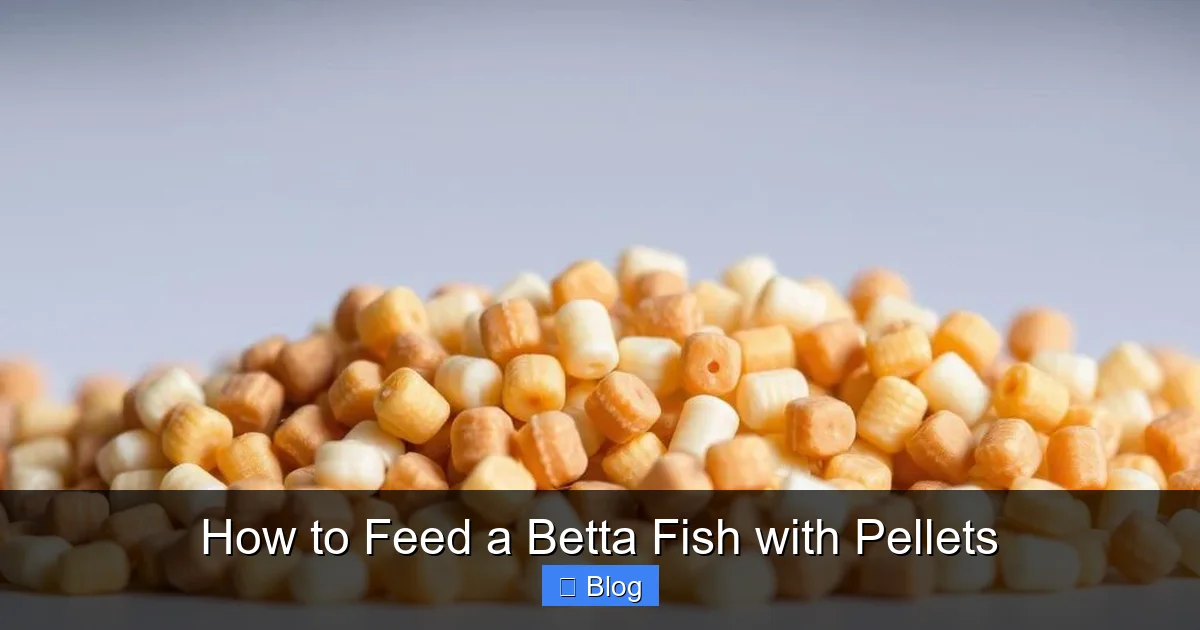
How to Feed a Betta Fish with Pellets
how to feed a betta fish with pellets is an essential topic that provides valuable insights and practical knowledge for anyone interested in learning more about this subject.
Key Takeaways
- Control portions: Feed only 2-3 high-quality pellets per meal to prevent overfeeding.
- Choose specialized pellets: Select betta-specific pellets with protein as the primary ingredient.
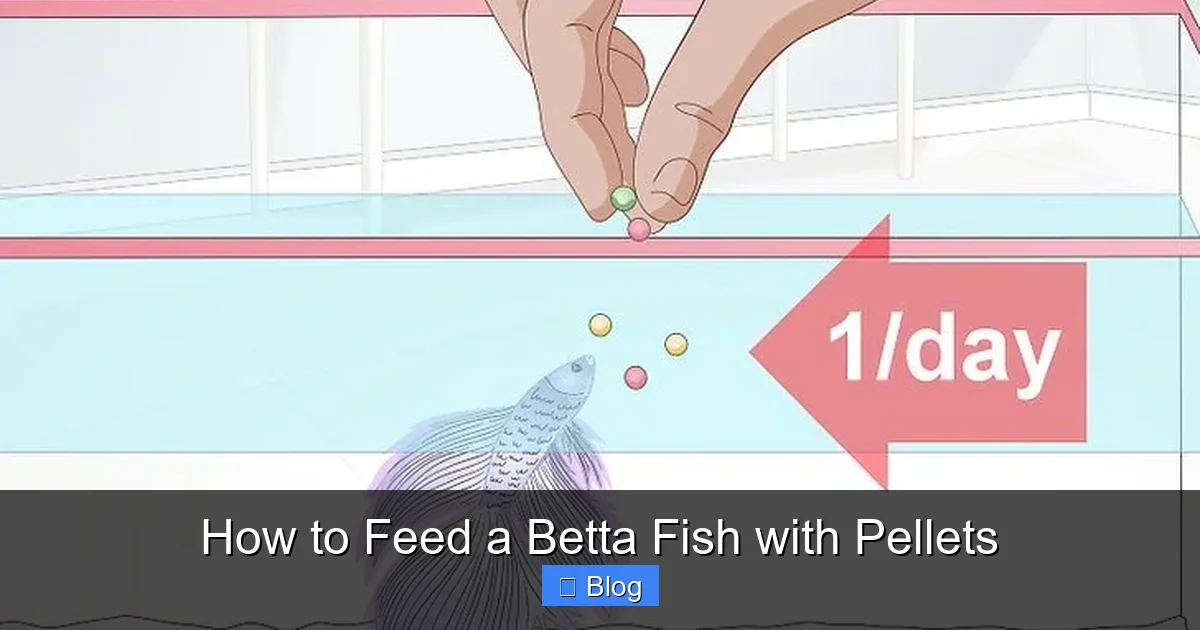
- Feed once daily: Offer one small meal per day to maintain a healthy digestive system.
- Observe eating habits: Remove uneaten pellets after 2-3 minutes to avoid water contamination.
- Soak dry pellets: Pre-soak pellets in tank water for a minute to aid digestion and prevent bloating.
- Prioritize water quality: Consistent overfeeding rapidly degrades water, harming your betta’s health.
- Vary the diet: Supplement pellets with occasional frozen or live foods for balanced nutrition.
📑 Table of Contents
- Why Pellets Are a Betta’s Best Friend (Most of the Time)
- Understanding Your Betta’s Unique Digestive System
- Choosing the Right Pellets: It’s Not All Created Equal
- The Step-by-Step Guide: Actually Feeding the Pellets
- Common Pitfalls and How to Avoid Them
- Enhancing the Diet: Variety is the Spice of (Betta) Life
- Monitoring Health: Your Betta’s Body is a Report Card
- Conclusion: The Simple Power of Mindful Feeding
Why Pellets Are a Betta’s Best Friend (Most of the Time)
Let’s be honest, the first time I brought my betta, Finn, home, I was handed a tiny glass jar of colorful flakes and a vague instruction: “Feed him a pinch a day.” It felt more like magic than science. Years and a few dietary mishaps later (including a very bloated, constipated betta named Bob), I learned that understanding how to feed a betta fish with pellets is one of the most fundamental—and impactful—parts of being a responsible betta parent. Pellets, when chosen and used correctly, are a powerhouse of convenience and nutrition. But they’re also the most common source of beginner mistakes. This guide is everything I wish I had in my back pocket: a no-fluff, experience-based walkthrough to mastering pellet feeding for a vibrant, healthy, long-lived companion.
Understanding Your Betta’s Unique Digestive System
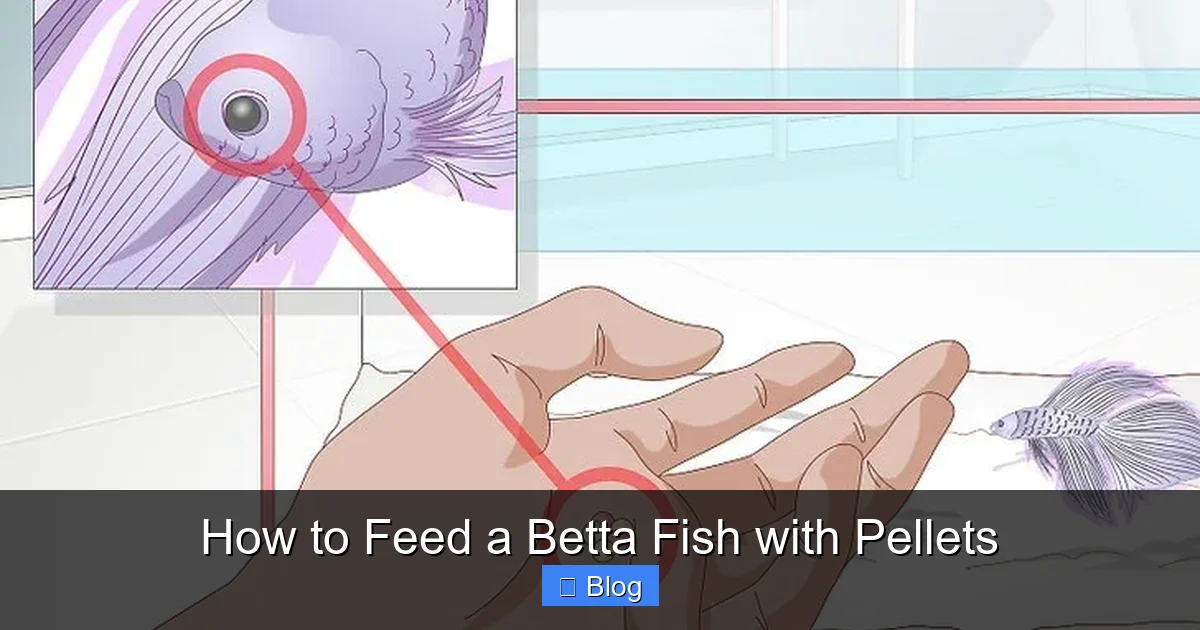
Before we dive into the “how,” we need the “why.” Betta fish are carnivores, plain and simple. In the wild, they snack on insects, larvae, and tiny crustaceans that land on the water’s surface. Their little digestive tracts are short and designed for protein, not plant matter. This is the core reason why not all fish food is created equal. Feeding them the wrong thing, or the wrong amount of the right thing, leads straight to problems like constipation, swim bladder disorder, and poor water quality. Think of their stomach as the size of their eye—a helpful, if slightly gross, visual guide we’ll come back to.
Visual guide about How to Feed a Betta Fish with Pellets
Image source: i.redd.it
The Carnivore’s Core: Protein is Non-Negotiable
A quality betta pellet should list a whole protein source—like salmon, shrimp, or krill—as the first ingredient, not “fish meal” or “wheat gluten.” Aim for a formula with 30-40% protein. Carbs and fillers just pass through, often uneaten, fouling your tank. My first betta, Finn, thrived when I switched from generic flakes to a high-protein pellet. His colors deepened, his fins grew fuller, and his energy levels visibly jumped. It was a lightbulb moment.
Small Stomach, Big Consequences
That “eye-sized stomach” rule isn’t just a cute saying; it’s a critical survival guide. Overfeeding is the #1 cause of betta health issues I’ve seen. Excess food decays into ammonia, poisoning your water and your fish. It also directly causes constipation, which can press against the swim bladder and make your elegant swimmer look like a drunken sailor. The solution? Precision and restraint.
Choosing the Right Pellets: It’s Not All Created Equal
Walk into any pet store, and you’ll be greeted by walls of fish food. Picking the right pellet is your first real step in how to feed a betta fish with pellets correctly. Here’s what to look for, and what to avoid, based on both label reading and real-world results.
Visual guide about How to Feed a Betta Fish with Pellets
Image source: wikihow.com
Decoding the Ingredient List: Your First Filter
Grab the bag and turn it over. If the first ingredient is “fish meal” or “wheat flour,” put it back. You want something specific: “Salmon,” “Whole Shrimp,” “Krill,” or “Squid.” These are complete proteins your betta can actually use. Next, scan the guaranteed analysis. Crude protein should be at least 30%, and crude fat around 5-10%. Fiber should be low (under 5%). High fiber from plant fillers is a red flag for digestive trouble.
Size and Sinkability Matter
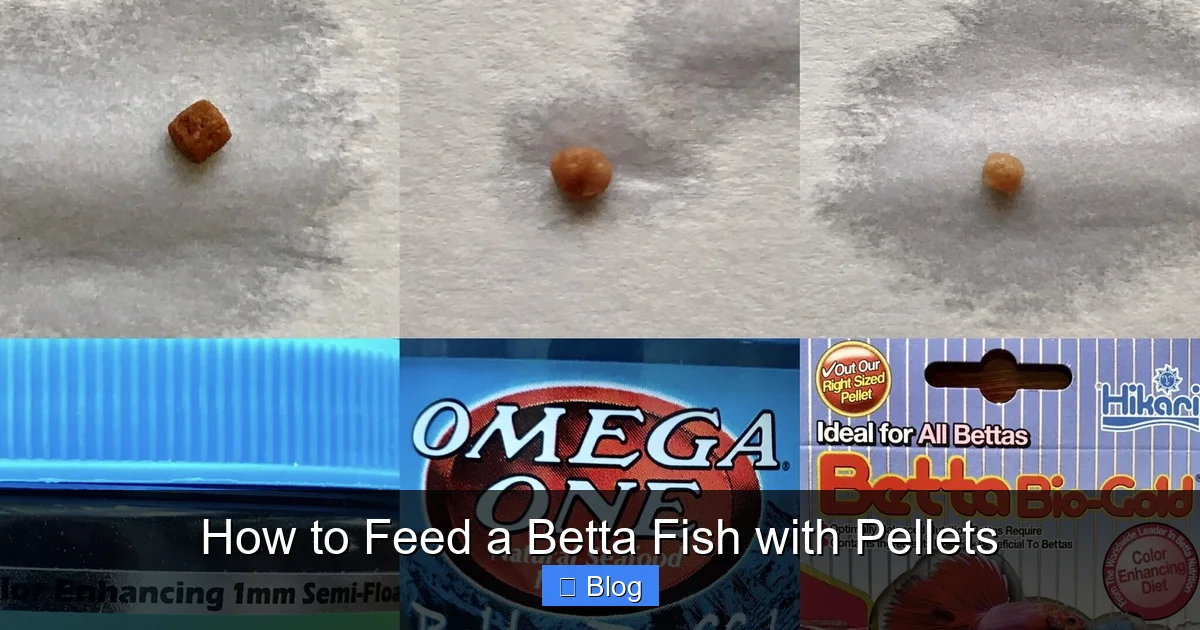
Bettas are surface feeders. They grab food from the top, not the bottom. You need a pellet that floats or slowly sinks. Sinking pellets will be lost to the substrate, rotting away. Also, consider pellet size. For adults, standard small pellets are fine. For a young betta (fry) or a betta with a petite mouth, you may need to crush pellets gently between your fingers into a finer powder. I keep a dedicated small mortar and pestle for this—it’s a game-changer for feeding tiny fry or older bettas with dental issues.
My Recommended Pellet Types (A Practical Comparison)
After testing many brands, here’s a simple breakdown of common types:
- Standard Floating Pellets: The workhorse. Easy to see, easy to remove. Good for daily feeding. Look for “betta-specific” formulas.
- Micro Pellets: Tiny, perfect for fry or small-mouthed adults. Disperse quickly, so watch for overfeeding.
- Semi-Floating/Slow-Sinking: Some bettas like to grab food as it drifts down. These can work, but you must watch closely to ensure all are eaten.
- What to Avoid: Large “cichlid” pellets, tropical fish flakes (too much plant matter), and generic “goldfish” food. These are nutritional mismatches.
The Step-by-Step Guide: Actually Feeding the Pellets
Okay, you have the right pellets. Now, the execution. This is where most well-intentioned owners go wrong. Feeding isn’t just about dumping food in; it’s a brief, daily ritual of observation and control.
Visual guide about How to Feed a Betta Fish with Pellets
Image source: wikihow.com
Step 1: The Pre-Feed Soak (The Secret to Preventing Constipation)
This is my non-negotiable step. Dry pellets absorb water in your betta’s gut, expanding and potentially causing blockages. To prevent this, place the portion of pellets (we’ll get to portion size next) in a small cup of tank water for 2-5 minutes before feeding. They’ll swell slightly and become softer. For extra digestive support, you can use a drop of Seachem Garlic Guard in the soak water—it’s a natural appetite stimulant and gut soother I’ve used countless times for picky or constipated bettas.
Step 2: Portion Control: The Penny Rule
How much is “a pinch”? It’s too vague. Here’s a concrete, visual method: the penny rule. For an adult betta, a single portion should be roughly the size of a US penny (about 1-2 mm in diameter). That’s it. For a smaller or younger betta, aim for a portion the size of a grain of rice. It feels criminally small, but it’s biologically correct. Betta metabolism is slow; they don’t need much. I use a dedicated, cleaned plastic tweezer to place 3-4 soaked pellets precisely in the water. No scattering, no guessing.
Step 3: The 3-Minute Rule
Drop the soaked pellets near your betta. Watch. He should swim up, grab them, and eat them within seconds. Set a timer for 3 minutes. After that time, any uneaten pellets must be removed immediately with a net or turkey baster. This is crucial. Leftover food is a ticking time bomb for ammonia spikes. This step also teaches you your betta’s appetite. Some days he might eat all 3 pellets, other days only 2. Adjust accordingly. Never, ever “top up” because he seems hungry later—his stomach is tiny, and his digestion is slow. He’s likely just curious.
Common Pitfalls and How to Avoid Them
Even with the best intentions, pitfalls are everywhere. Let’s navigate the most frequent mistakes I’ve made (and seen others make) with pellet feeding.
Pitfall #1: Overfeeding (The Silent Killer)
This is the big one. Symptoms include a visibly swollen abdomen, lethargy, stringy poop, and eventually, dropsy (a symptom of organ failure, often caused by poor diet/water). Solution: Rigorously follow the penny rule and the 3-minute rule. Implement a “fasting day” once a week—no food at all. This gives their digestive system a break and mimics natural feast-or-famine cycles. I do this every Sunday. Finn gets a break, and I get a break from worrying about feeding.
Pitfall #2: Food Bouncing Off the Water
Some pellets are so buoyant they skitter across the surface, impossible for a betta to catch. Solution: Gently pre-soak them as described. The slight water absorption reduces bounce. Alternatively, lightly press the pellet between your fingers to create a tiny dent—this increases drag and helps it sit still.
Pitfall #3: Ignoring Water Quality
Feeding and water quality are two sides of the same coin. Every uneaten pellet decays. Overfeeding, even by a little, leads to ammonia and nitrite spikes. Solution: Feed minimally, remove all excess, and maintain a strict water change schedule (25-50% weekly for a filtered tank, more for a bowl). Test your water regularly. If you see ammonia, the first suspect is always overfeeding.
Pitfall #4: Relying on Pellets Alone (Nutritional Boredom)
While pellets are an excellent staple, a diet of only pellets is like eating only cereal. It’s complete, but not optimal. Bettas benefit from dietary variety to thrive. Solution: Keep pellets as your 90% base, but rotate in other foods 2-3 times a week.
Enhancing the Diet: Variety is the Spice of (Betta) Life
To truly optimize your betta’s health, color, and immune system, supplement those high-quality pellets with other foods. This mimics their natural, varied diet in the wild.
Top Supplemental Foods & How to Use Them
- Frozen Foods (My Top Choice): Frozen daphnia, bloodworms, or brine shrimp. These are nutritionally dense and easy to digest. Thaw a small cube in a dish of tank water, rinse lightly, and feed a few morsels. Daphnia is especially great as a natural laxative.
- Live Foods (For the Adventurous): Live microworms or baby brine shrimp. Incredibly enriching and triggers natural hunting instincts. However, they can introduce disease if not from a clean culture. Use sparingly and from trusted sources.
- Freeze-Dried Foods: A convenient alternative to frozen. Always, always rehydrate freeze-dried foods in tank water for 5-10 minutes before feeding. Feeding them dry is a direct ticket to constipation.
- What to Avoid: Earthworms (can carry parasites), generic ” feeder fish” (disease risk), and human food (like peas—a common myth for constipation; it’s not appropriate for a carnivore).
Creating a Simple Weekly Feeding Schedule
Here’s a practical example of how I structure Finn’s week for balance:
- Monday, Wednesday, Friday: High-quality pellets (soaked) – main meal.
- Tuesday, Thursday: Pellets (soaked) with a tiny treat of frozen daphnia (2-3 pieces).
- Saturday: Pellets (soaked) only.
- Sunday: Fasting day. No food.
This schedule provides staple nutrition, digestive variety, and a necessary rest period. Adjust based on your betta’s activity and body condition.
Monitoring Health: Your Betta’s Body is a Report Card
Feeding isn’t a set-and-forget task. It’s an opportunity for daily health checks. Your betta’s body tells you instantly if your how to feed a betta fish with pellets strategy is working.
Signs of a Well-Fed, Healthy Betta
- Body: Streamlined, torpedo-shaped. No bulges or pinched areas.
- Fins: Held upright and flowing, not clamped or drooping.
- Color: Vibrant and iridescent. Dull colors can indicate stress or poor nutrition.
- Behavior: Active, curious, flares at you (a sign of health and engagement), builds bubble nests (a very good sign of well-being).
- Waste: Small, stringy, and brown or green (from pellets/veggies in supplements). Should not be long, white, and stringy (sign of internal parasites).
Warning Signs That Your Feeding Routine Needs Adjustment
- Constipation: A swollen, “pineapple-like” abdomen, lethargy, difficulty swimming down. Action: Fast for 2-3 days, then offer a soaked, peeled green pea (a last-resort, high-fiber laxative) or a few pieces of daphnia. Re-evaluate pellet portion size immediately.
- Poor Water Quality: Cloudy water, algae bloom, strong odor. Action: You are overfeeding. Reduce portion, remove excess faster, increase water changes.
- Lethargy & Loss of Appetite: Could be water quality, illness, or boredom with food. Action: Test water. Try a different pellet brand or a small treat of frozen food to stimulate appetite. If persists, consult a vet.
- Spitting Out Food: Sometimes a betta will grab a pellet, chew, and spit it out. This can mean the pellet is too hard or large. Action: Soak pellets longer, or try a softer, micro-pellet variety.
Conclusion: The Simple Power of Mindful Feeding
Mastering how to feed a betta fish with pellets boils down to three pillars: choosing the right high-protein, appropriately-sized pellet; practicing strict portion control with the penny and 3-minute rules; and enhancing their diet with safe, varied supplements. It’s a routine that takes less than five minutes a day but pays dividends in your betta’s vitality, color, and lifespan. Remember, your betta’s tiny stomach is not a bottomless pit. It’s a delicate system that thrives on consistency and quality, not quantity. Start with these steps, observe your fish closely, and adjust. The reward is watching your aquatic friend flourish, a living testament to the power of informed, compassionate care. Your betta isn’t just a pet; he’s a responsibility, and getting his diet right is one of the most profound ways you can honor that.
Frequently Asked Questions
How much betta fish pellets should I feed my betta?
Feed your betta only what it can consume in 2-3 minutes, typically 2-3 pellets per meal. Overfeeding is a common cause of health problems and dirty water, so err on the side of less rather than more.
How often should I feed my betta fish pellets?
Adult bettas should be fed once or twice a day, skipping one day per week to allow for digestion. Younger, growing bettas may require feeding twice daily to support their development.
Can I feed my betta fish only pellets?
Yes, high-quality betta fish pellets formulated as a complete diet are suitable as a staple food. However, supplementing with occasional treats like frozen or live brine shrimp provides essential variety and enrichment.
What should I do if my betta fish won’t eat the pellets?
First, ensure the pellets are specifically designed for bettas, as they are carnivores. Try soaking the pellets in a little tank water for a minute to soften them, and always remove any uneaten food after a few minutes to maintain water quality.
How do I choose the best betta fish pellets?
Look for pellets with whole fish or seafood as the primary ingredient and minimal fillers like wheat or soy. The pellets should be small, sinking or slow-sinking, and sized appropriately for your betta’s mouth.
Why is my betta fish spitting out its pellets?
Betta fish often spit out food that is too large, too hard, or not to their liking. Try offering a smaller amount of pre-soaked pellets or switch to a different brand with higher-quality, softer ingredients that are easier for them to digest.