How to Change Water in Fish Tank for Betta
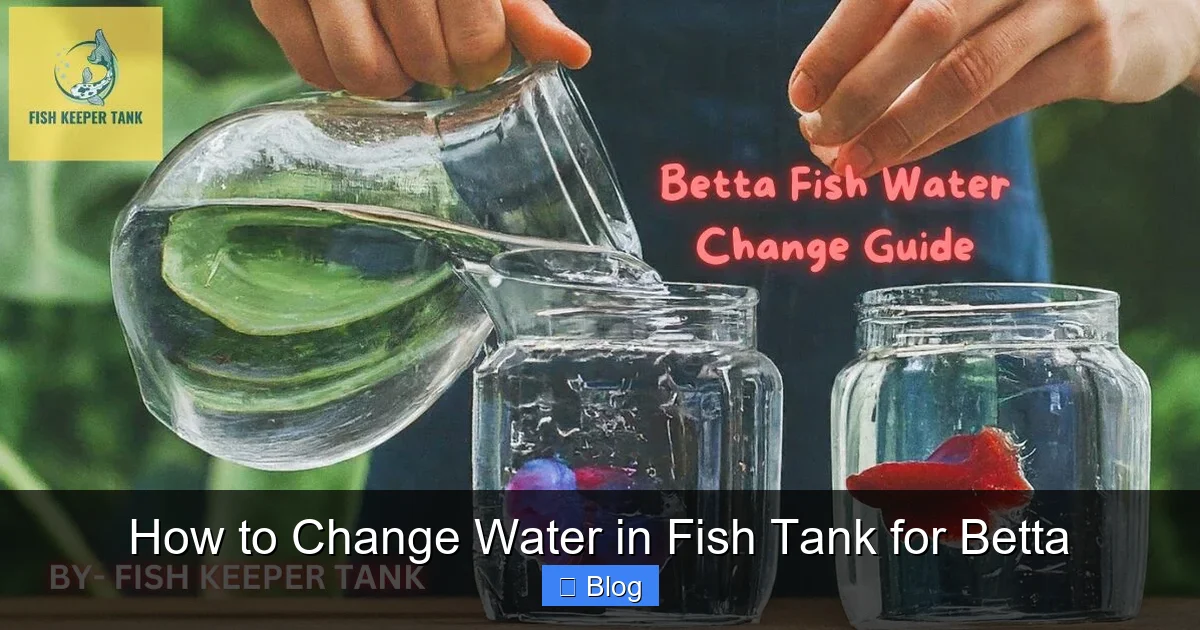
Changing your betta’s water correctly is non-negotiable for its health. It’s not just about removing old water; it’s about safely replacing it with dechlorinated, temperature-matched water to avoid toxic ammonia spikes and shocking your fish. A proper betta tank water change involves conditioning tap water, cleaning decorations without soap, and maintaining a consistent schedule. Neglecting this leads to poor water quality, faded colors, fin rot, and a shortened lifespan for your vibrant pet.
So, you’ve got a beautiful betta fish, with its flowing fins and personality that seems to say, “I own this place.” You’ve picked the perfect tank, the right heater, and some gorgeous plants. But here’s the secret your betta is counting on you to learn: the single most important routine for its long-term health and vibrancy is how you change water in fish tank for betta. It’s not glamorous, but it’s everything. A proper water change is like giving your betta a fresh, clean home where it can thrive, not just survive. Let’s walk through this essential task together, turning it from a chore into a simple, confident part of your weekly routine.
Key Takeaways
- Always Dechlorinate: Tap water contains chlorine and heavy metals lethal to bettas. Use a reliable water conditioner before adding any new water to the tank.
- Match Temperature Precisely: New water must be within 1-2°F (0.5-1°C) of the tank’s current temperature to prevent thermal shock, a major stressor.
- Change 25-50% Weekly: Small, frequent water changes are infinitely better than large, infrequent ones. This maintains stable water parameters and a healthy biofilter.
- Never Clean Everything: Never wash filter media, gravel, or decorations in tap water. This destroys the beneficial bacteria that process fish waste. Only rinse them in old tank water.
- Test Your Water: Use a liquid test kit to monitor ammonia, nitrite, nitrate, and pH. This tells you *if* and *how much* you need to change, moving beyond a simple schedule.
- Gentle Introduction is Key: Add new water slowly, preferably via a pouring cup or siphon with a diffuser, to avoid disturbing the substrate and stressing your betta.
[FEATURED_IMAGE_PLACEHOLDER]
📑 Table of Contents
Why Water Changes Are Your Betta’s Lifeline
Before we dive into the “how,” we must understand the “why.” Your betta lives in its own tiny, enclosed ecosystem. Every time it eats, breathes, and poops, it adds waste products to the water. The primary villain is ammonia, which is produced directly from fish waste and decaying food. Ammonia is incredibly toxic, burning a fish’s gills and skin even at very low levels. Lucky for us, we cultivate a colony of invisible beneficial bacteria in the filter and on surfaces. These bacteria convert toxic ammonia into nitrite (still toxic) and then into nitrate (much less toxic).
The Nitrogen Cycle in Your Living Room
This process is the famous nitrogen cycle. Nitrate is the end product we manage through water changes. As it builds up, it stresses your betta, dulls its colors, weakens its immune system, and can lead to diseases like fin rot. But water changes do more than just remove nitrate. They also:
- Replenish essential minerals and trace elements that get absorbed or used up.
- Remove other dissolved organic compounds that cloud water and reduce oxygen levels.
- Help maintain a stable pH, as the water’s buffering capacity can slowly shift over time.
Think of it this way: you wouldn’t want to live in a room with no fresh air and a steadily filling trash can. A water change is opening the window and taking out the trash.
Gathering Your Gear: The Essential Toolkit
Doing this right means having the right tools on hand. You don’t need a fancy, expensive setup, but a few key items make the job easy, clean, and safe for your fish.
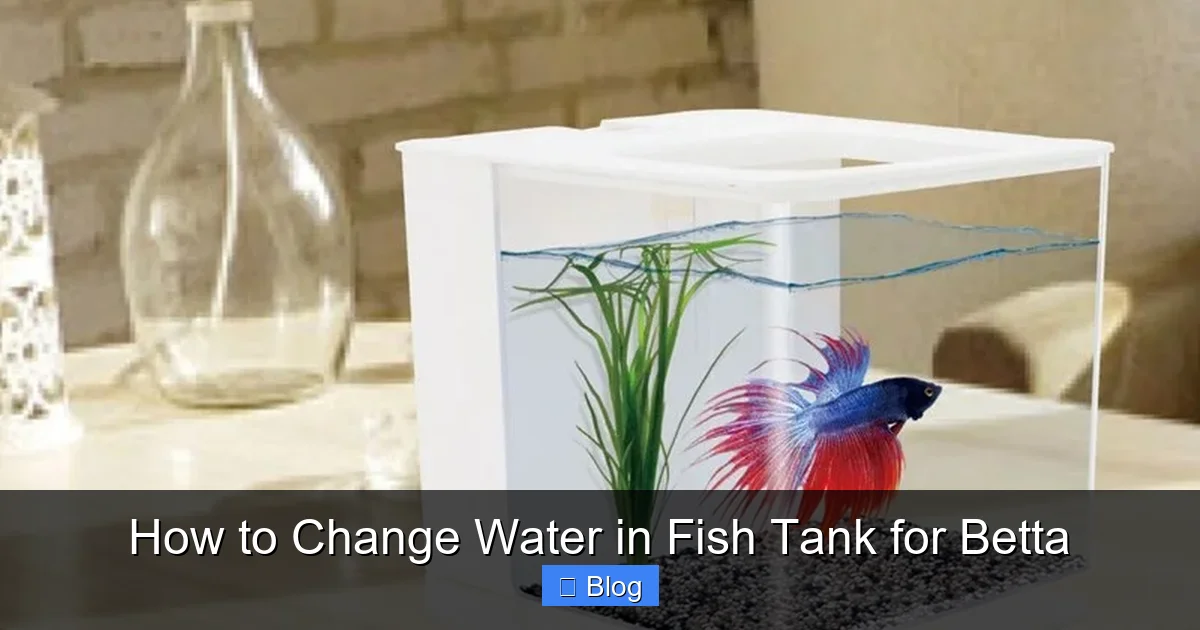
Visual guide about How to Change Water in Fish Tank for Betta
Image source: images.nexusapp.co
The Non-Negotiable: Water Conditioner
This is the most critical item. Never, ever add untreated tap water to your betta tank. Municipal water is treated with chlorine and chloramine to kill pathogens—both are deadly to fish and will wipe out your beneficial bacteria. A good water conditioner (like Seachem Prime, API Stress Coat+, or any reputable brand) instantly neutralizes these chemicals and often binds heavy metals. Keep a bottle dedicated to your aquarium use.
The Workhorse: Gravel Vacuum/Siphon
This simple tube-and-hose tool is your best friend. It does two jobs at once: it sucks out dirty water and gently agitates the gravel to lift trapped debris (fish poop, uneaten food) out of the substrate. Look for one with a wide mouth for easy debris pickup and a squeeze bulb to start the siphon. For a 5-gallon betta tank, a 6-foot hose is more than enough.
Temperature Control: The Thermometer & Heater
You cannot accurately guess your tank’s temperature. A stick-on thermometer or a digital thermometer is a must-have. Your heater must be fully submerged and working correctly to maintain that stable 78-80°F (25.5-26.5°C) tropical range. The new water you add must match this temperature exactly.
Clean Buckets: The #1 Rule
You need at least one, preferably two, clean buckets dedicated solely to aquarium use. Never use a bucket that has held cleaning chemicals, laundry detergent, or even something like paint. Residues can be lethal. Label them “FISH ONLY” if you live with others. One bucket will hold the dirty water you remove; the other can hold the fresh, conditioned water before you add it.
Optional but Helpful: A Pouring Cup
A large, clean measuring cup or pitcher with a spout allows you to pour the new water gently back into the tank, minimizing disturbance to your betta and the substrate. You can even place a clean plate or saucer in the tank and pour onto it to diffuse the flow.
Step-by-Step: The Perfect Betta Water Change
Now, let’s put it all together. A proper weekly water change for a 5-10 gallon betta tank should take 15-20 minutes. Always do this during the day when you can observe your fish afterwards.
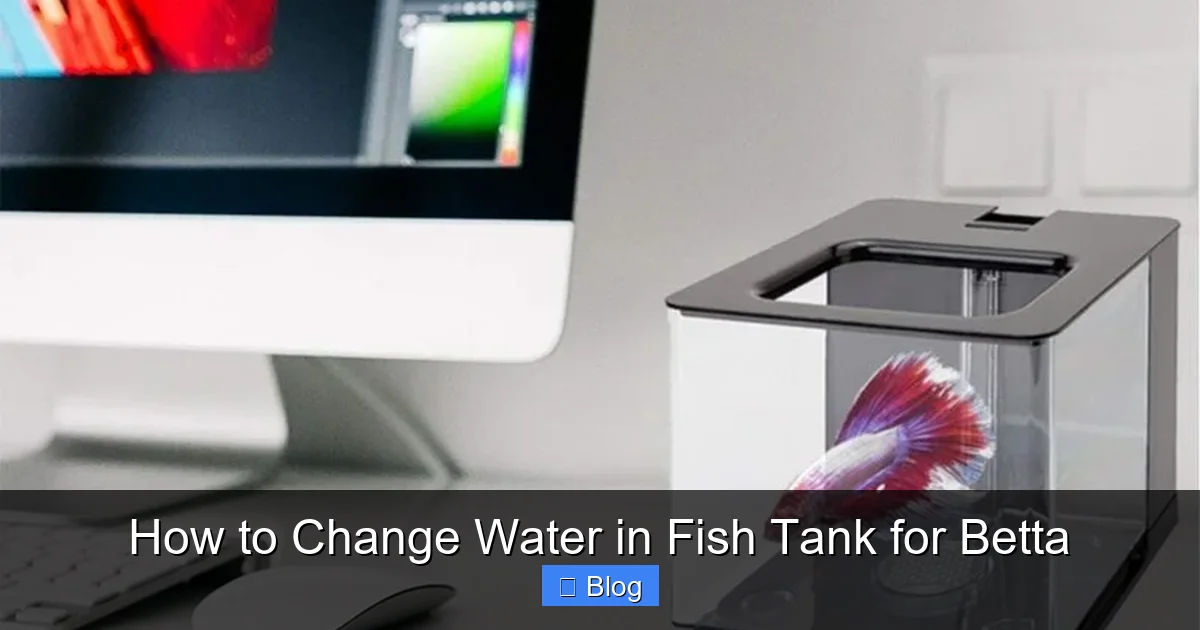
Visual guide about How to Change Water in Fish Tank for Betta
Image source: images.nexusapp.co
Step 1: Preparation is Everything
First, gather all your gear: siphon, two clean buckets, water conditioner, thermometer. Fill your “clean” bucket with the amount of new water you’ll need (usually 25-50% of your tank volume). For a 5-gallon tank changing 50%, you’ll need 2.5 gallons of fresh water. Important: Do this with cold tap water, as it will hold more dissolved oxygen. Now, add the correct dosage of water conditioner to this bucket of fresh water according to the product label. Let it sit. This treated water is now “aquarium-ready.”
Step 2: The Gentle Siphon & Clean
Place the end of your gravel vacuum into the tank. Start the siphon by squeezing the bulb or sucking on the hose (be careful not to ingest water!). Once water is flowing, gently push the vacuum’s mouth into the gravel. You’ll see a swirl of debris get sucked up. Move slowly across the tank floor, methodically cleaning sections of gravel. Don’t dig too deep; just disturb the top layer where waste collects. Your goal is to remove solid waste, not to sterilize the substrate. Allow the dirty water to flow into your “dirty” bucket until you’ve removed the desired percentage (e.g., 2.5 gallons for a 50% change). If debris is light, you can simply hover the vacuum just above the gravel to suck up floating particles.
Step 3: Mind the Decor & Filter
While siphoning, you can gently wipe algae off the glass with an algae pad (never use soap!) and use your fingers or a soft brush to gently dislodge any gunk from decorations. Critical: Do not remove and scrub everything. Leave some “dirty” surfaces alone. For your filter, only if it’s extremely clogged, you might rinse the mechanical media (sponges, floss) in the bucket of old tank water you just siphoned out. This preserves the beneficial bacteria. Never use tap water on filter media.
Step 4: The Temperature Check
Before you add any new water, check the temperature of the water still in your tank with your thermometer. Then, check the temperature of your conditioned new water in the clean bucket. They must be identical. If the new water is too cold, you can let it sit to reach room temp or, for a small adjustment, add a little warm (not hot!) tap water and re-condition. If it’s too warm, add a bit more cold tap water and re-condition. Matching temperatures prevents thermal shock, which can be fatal.
Step 5: The Delicate Refill
This is where you protect your betta’s stress levels. Slowly pour the conditioned, temperature-matched water into the tank. Use your pouring cup and aim for a tank wall or a clean plate placed in the water to break the flow. A torrent of water will scare your betta and kick up sediment, clouding the tank. Go slowly. As you pour, keep an eye on your betta. If it darts around frantically, stop and let the water settle before continuing.
Step 6: Final Checks & Cleanup
Once refilled, check your water level. Turn your heater and filter back on if you turned them off (many hobbyists don’t, but it’s safer if you’re worried about equipment running dry). Wipe up any spills. Place your clean bucket and siphon somewhere airy to dry completely to prevent mold. Observe your betta for a few minutes. It might be curious, flaring at the new water movement, or it might hide for a little while—this is normal. If it’s gasping at the surface frantically for more than 10-15 minutes, re-check your water parameters and temperature.
How Much & How Often: The Golden Rules
The two most common questions are “how often?” and “how much?” The answers are interconnected and based on tank size and stocking.
Visual guide about How to Change Water in Fish Tank for Betta
Image source: images.nexusapp.co
The 25-50% Weekly Rule
For a standard 5-gallon betta tank with a good filter, a 25-50% water change once per week is the gold standard. Smaller tanks (under 2.5 gallons) without filters may need 50% changes 2-3 times a week due to rapid toxin buildup. Larger, heavily planted tanks (10+ gallons) with a strong biofilter might only need 25% weekly. The key is consistency. A regular schedule is better than trying to “catch up” with a massive 75% change when the water gets nasty. Large changes cause drastic swings in water chemistry, which is stressful.
The “Test Kit Dictates” Rule
The best way to personalize your schedule is with a liquid aquarium test kit (like the API Freshwater Master Test Kit). Test your water before a change. If your nitrate is consistently below 20 ppm, you might be able to stretch to a 25% change. If it’s hitting 40-50 ppm before your weekly change, you need to either increase the change percentage or consider a larger tank/fewer decorations that trap waste. Never let nitrate exceed 40 ppm for a betta.
Special Situations
After introducing new tankmates, you might need an extra 25% change in a few days to handle the extra bioload. During a betta’s illness (like fin rot), more frequent, smaller changes (25% every other day) can be part of the treatment by keeping water quality pristine. Never perform a large water change (over 75%) on a healthy, established tank unless it’s an emergency (e.g., chemical spill), as it can crash the nitrogen cycle.
Common Water Change Mistakes That Harm Your Betta
Even with good intentions, it’s easy to make errors. Here are the pitfalls to avoid.
Mistake 1: Forgetting to Dechlorinate (The #1 Killer)
It seems obvious, but it happens. Always add conditioner to the new water before it touches your tank or fish. If you forget and add a small amount of untreated water, immediately add double the conditioner dose to the entire tank volume as a safety measure.
Mistake 2: Temperature Shock
Pouring cold tap water into a warm tropical tank is like throwing your betta into an ice bath. It causes immediate, severe stress and can lead to shock and death within hours. Always, always match temperatures.
Mistake 3: Over-cleaning the Filter
Your filter is a bio-reactor, not a trash can. The brown, gunk-filled sponge is where your beneficial bacteria live. Rinsing it under the tap with chlorinated water is like burning down your fish’s waste-processing plant. If you must clean it, do so sparingly (once a month or less) and only in old tank water.
Mistake 4: Disturbing the Substrate Too Much
Aggressively stirring up the gravel during every change can release massive amounts of trapped ammonia and nitrite from the deep substrate layers into the water column, causing a dangerous spike. Be gentle, target the surface, and don’t dig trenches.
Mistake 5: Inconsistent Schedule
Changing water “when it looks dirty” is a recipe for disaster. By the time the water looks cloudy or smells bad, toxin levels are already dangerously high. Stick to a calendar. Your betta’s health depends on stable, clean water, not visual cues.
Beyond the Basics: Optimizing for a Thriving Betta
Once you’ve mastered the basic change, here’s how to level up your betta care.
Live Plants & Water Changes
If you have live plants (like Anubias, Java Fern, or Marimo moss balls), they actually help absorb nitrates. This means you might be able to get away with a 25% change instead of 50%, but you still need to do it weekly to replenish other minerals. During the change, gently wipe plant leaves to remove algae and remove any dead leaves to prevent decay.
The Right Tank Matters
A common myth is that bettas live in tiny puddles. In reality, they inhabit vast, shallow rice paddies and slow-moving streams. A minimum of 5 gallons is strongly recommended. A larger volume of water dilutes toxins more effectively, making water changes easier and creating a more stable environment. It’s the single best upgrade you can make for your betta’s welfare.
Observing Your Betta: The Ultimate Health Check
The best indicator of water quality is your fish itself. A healthy betta has vibrant, rich colors, fins that are extended and flowing (not clamped tight to the body), is active and curious, and eats readily. After a water change, it might be more active, exploring the refreshed tank. If your betta is lethargic, hiding constantly, has ragged or discolored fins, or is not eating, test your water immediately. Poor water quality is the most common cause of these symptoms.
Conclusion: A Labor of Love
Learning to change water in fish tank for betta correctly is the cornerstone of responsible betta ownership. It’s a simple, predictable ritual that directly translates to a longer, healthier, and more colorful life for your fish. It connects you to the delicate balance of its world. By conditioning your tap water, matching temperatures, siphoning gently, and maintaining a consistent 25-50% weekly change, you are not just maintaining an aquarium—you are curating a thriving aquatic home. Your betta doesn’t ask for much: clean water, warm temperature, good food, and a safe place to live. Providing that clean water, week after week, is the most profound act of care you can offer. Now, grab your siphon and your conditioner, and enjoy the satisfaction of a job well done, watching your finned friend flourish in its pristine domain.
Frequently Asked Questions
Can I use bottled spring water instead of tap water for my betta?
While spring water is chlorine-free, it lacks essential minerals bettas need and can have unpredictable pH and hardness. It’s also expensive and unsustainable. Properly conditioned tap water is the best, most reliable, and cost-effective choice for a stable aquarium.
My betta seems stressed after the water change. What did I do wrong?
>The most likely culprit is a temperature mismatch or pouring the new water too forcefully. Always ensure the new water temperature is identical to the tank’s and add it slowly, diffused against a wall or plate. Also, ensure you used enough water conditioner to neutralize all chlorine/chloramine.
Do I need to take my betta out of the tank during a water change?
Absolutely not. Removing your betta causes immense stress and risks injury. All water changes should be done with the fish in the tank. The process of siphoning and refilling is perfectly safe for it if you follow the temperature and dechlorination rules.
Can I use rainwater or distilled water for my betta tank?
No. Rainwater and distilled water are devoid of all minerals and have virtually no buffering capacity. This leads to dangerous pH crashes. They are not suitable for a freshwater aquarium without extensive and complex re-mineralization.
How long should I wait to feed my betta after a water change?
You can feed your betta normally about 15-30 minutes after the water change is complete and the tank has settled. This gives the fish time to adjust and ensures the food doesn’t immediately contribute to waste in the newly cleaned water.
My tap water has a strong chlorine smell. Is conditioner still enough?
Yes. A strong chlorine smell often means your municipality uses chloramine, a more stable compound. A quality water conditioner is specifically designed to neutralize both chlorine and chloramine. Always follow the dosage instructions on the bottle for your water volume.