How to Cure Fin Rot on a Betta Fish
Fin rot is a common bacterial or fungal infection that causes betta fins to fray, discolor, and deteriorate. Curing it requires immediate action: isolate the fish, perform aggressive water changes, and use appropriate medication like antibiotics or antifungals. Most importantly, impeccable water quality and stress reduction are non-negotiable for healing and prevention.
Key Takeaways
- Fin rot is a symptom, not a disease: It’s caused by poor water quality, stress, or injury, allowing bacteria/fungus to attack damaged fins.
- Isolation is the first critical step: Move the affected betta to a clean, bare hospital tank to prevent spread and allow for targeted treatment.
- Water quality is the primary treatment: 100% daily water changes with dechlorinated, temperature-matched water are the foundation of any cure.
- Medication choice depends on the cause: Use broad-spectrum antibiotics (e.g., Kanamycin) for bacterial rot and antifungals (e.g., Methylene Blue) for fungal signs like white cottony growth.
- Never treat in the display tank: Medications can harm beneficial bacteria, invertebrates, and plants. Always use a separate quarantine tank.
- Prevention is easier than cure: Maintain pristine water with regular changes, avoid sharp decorations, provide a balanced diet, and keep water temperature stable (78-80°F).
- Healing is slow: Even with correct treatment, fin regrowth can take weeks to months. Patience and consistent water maintenance are essential.
📑 Table of Contents
- Understanding the Enemy: What Exactly Is Fin Rot?
- Step 1: Emergency Response & Diagnosis
- Step 2: The Foundation of All Cures – Aggressive Water Management
- Step 3: Choosing and Applying the Right Medication
- Step 4: Supportive Care & Boosting the Immune System
- Step 5: The Long Road to Recovery – Fin Regrowth
- Prevention: The Only Surefire Cure
- Conclusion: Patience, Diligence, and Observation
Understanding the Enemy: What Exactly Is Fin Rot?
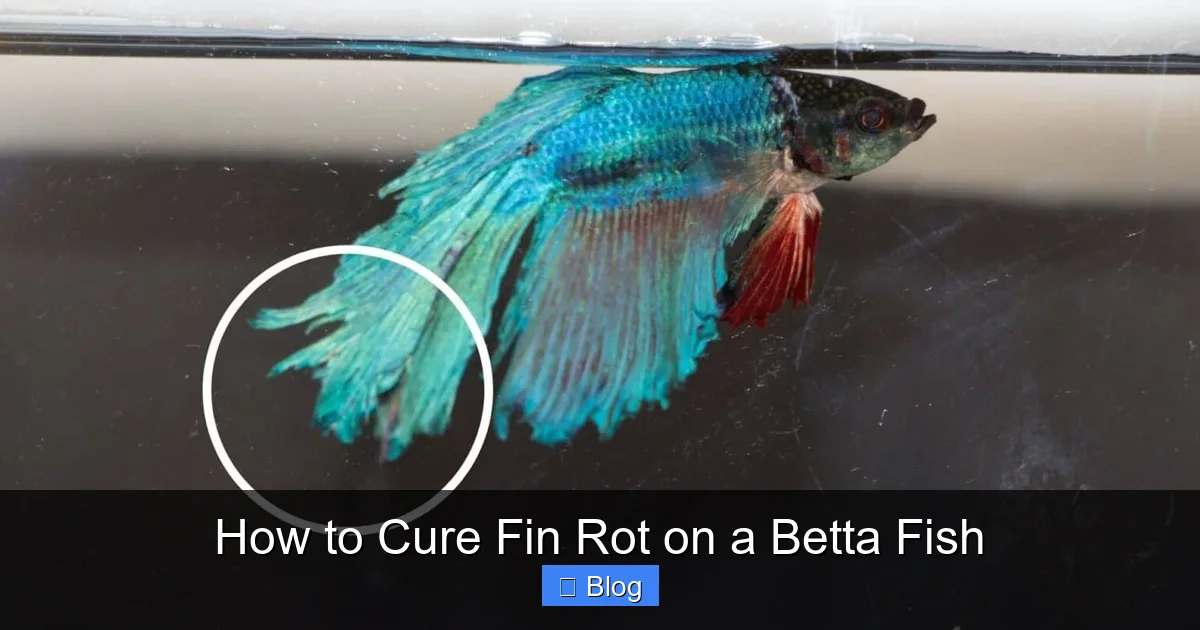
So you’ve noticed your betta’s beautiful, flowing fins looking a little… off. Maybe the edges are jagged, like a torn piece of paper. Perhaps there’s a suspicious white, fuzzy edge or a dark, necrotic tip. Your heart sinks. This is likely fin rot, and it’s one of the most common—and treatable—ailments in the betta world. But to cure it, you first need to understand what you’re fighting.
Fin rot isn’t a single pathogen. It’s a descriptive term for the progressive decay of a fish’s fin tissue. It’s almost always secondary, meaning it takes hold because something else has compromised your betta’s defenses. The primary culprits are opportunistic bacteria, like Aeromonas or Pseudomonas species, which are always present in the water. Fungal infections can also cause a similar rotting appearance, often with a distinctive white, cotton-like growth. The rot happens when these microbes invade damaged fin tissue.
The Root Cause: Why Your Betta Is Vulnerable
Think of fin rot like an infection in a cut on your skin. The cut (the initial injury) allows bacteria to enter. For your betta, the “cut” can be many things:
- Poor Water Quality: This is the #1 cause. High ammonia or nitrite, elevated nitrates, and inconsistent parameters stress the fish, suppress its immune system, and directly damage fin tissue. The toxins literally burn the delicate fin membranes.
- Physical Injury: Snagging fins on sharp plastic plants, rough filter intakes, or even aggressive tank mates (including fin-nipping species like tiger barbs) creates open wounds.
- Stress: Chronic stress from a too-small tank, loud noises, sudden temperature changes, or improper diet weakens the immune system, making the betta unable to fight off the normal bacteria in its environment.
- Bullying: In community tanks, a more aggressive fish can constantly nip at a betta’s long fins, causing chronic damage.
Without addressing these root causes, any treatment you apply is just a temporary band-aid. The infection will return.
Step 1: Emergency Response & Diagnosis
You’ve spotted the signs. Now, move fast. The sooner you intervene, the better your betta’s chances of a full recovery with minimal fin loss.
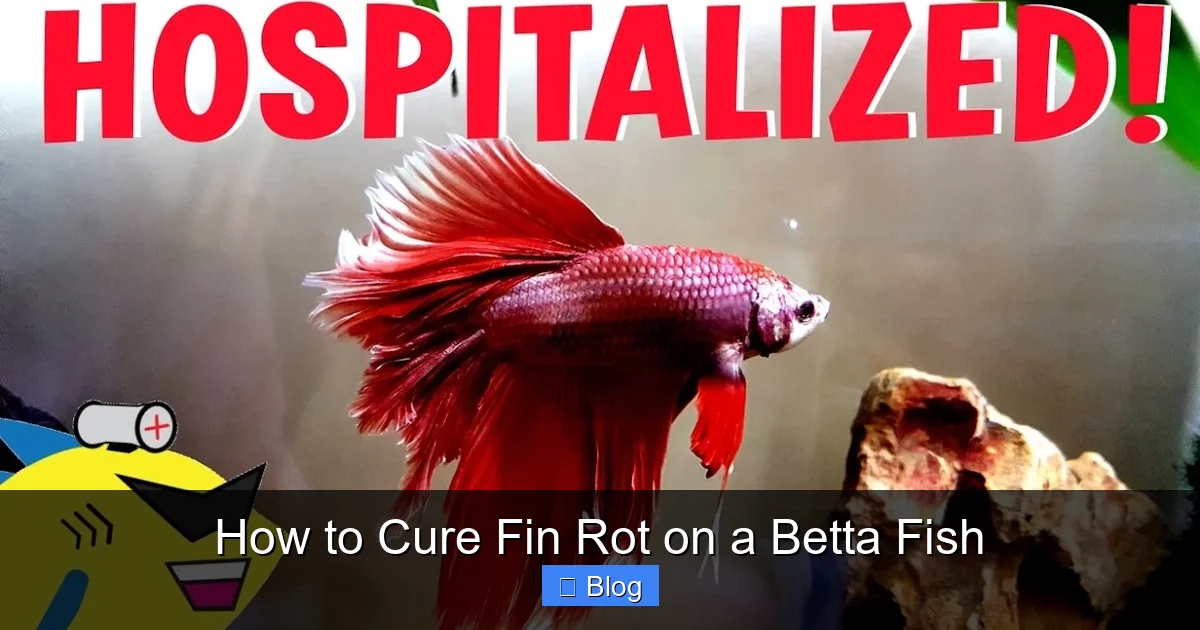
Visual guide about How to Cure Fin Rot on a Betta Fish
Image source: i.ytimg.com
How to Confirm It’s Fin Rot
Early-stage fin rot can be subtle. Look for these key signs:
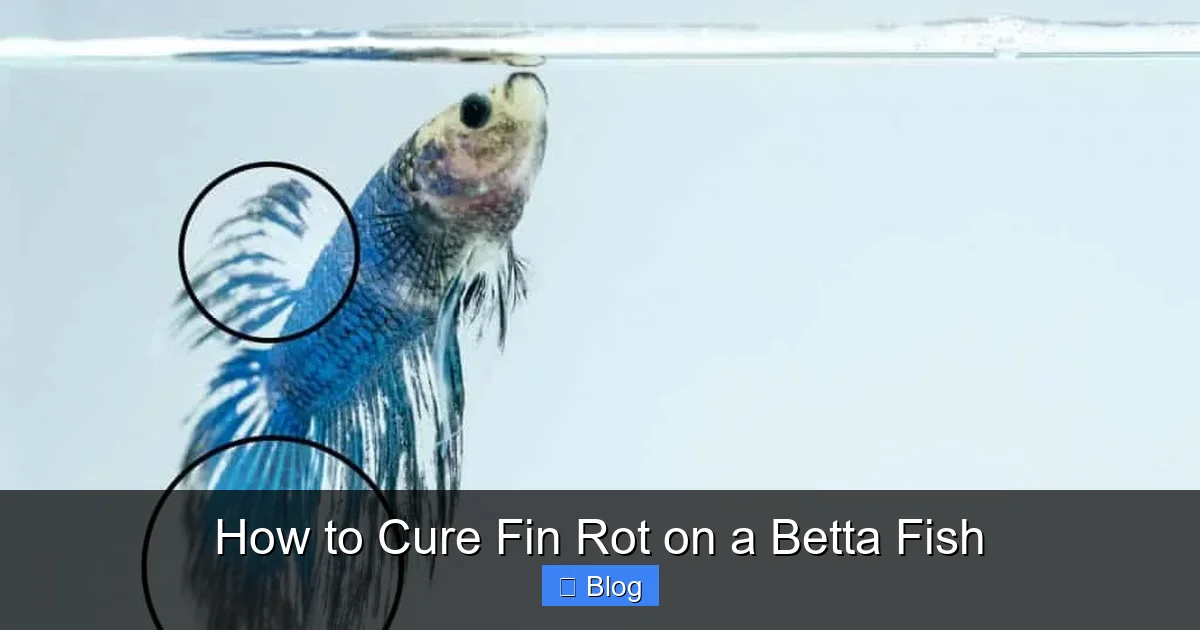
- Frayed or Torn Edges: The smooth margin of the fin becomes ragged, uneven, or looks like it’s melting away.
- Discoloration: Fins may turn white, black, red, or develop a translucent, mushy appearance at the tips.
- Progressive Shrinkage: The fin literally recedes from the tips inward over days.
- Clumping: Fins may stick together or look glued due to the decay.
- Behavioral Changes: Lethargy, loss of appetite, and frequent rubbing against objects (flashing) due to irritation.
Important Distinction: If you see a distinct white, fluffy, cotton-ball-like growth on the fin or body, this is likely a secondary fungal infection, which requires a different treatment approach than pure bacterial rot. Both can occur together.
Immediate Action: Set Up a Hospital Tank
Do not treat your betta in its display tank. The medications needed can destroy the beneficial bacteria cycle and harm any other livestock (snails, shrimp, sensitive fish). You need a simple, clean hospital tank.
- Tank Size: A 2.5 to 5-gallon glass aquarium is ideal. Smaller containers like bowls are not recommended as they make stable water parameters impossible.
- Bare Bottom: No gravel or substrate. This allows for effortless, thorough water changes and ensures no waste is hidden.
- Minimal Décor: Use only smooth, non-porous items. A single, silk or live plant (like an Anubias) for the betta to rest on is fine. Remove all sharp rocks, plastic plants with stiff edges, and complex ornaments.
- Filtration: Use a very gentle sponge filter. A strong filter current will stress a sick betta and can further damage fragile fins. The sponge filter also provides excellent biological filtration without creating current.
- Heater & Thermometer: A reliable, adjustable heater is crucial. Maintain a stable temperature of 78-80°F (25.5-26.5°C). This boosts the betta’s immune response. Use a separate thermometer to verify the heater’s accuracy.
- Cover: Bettas are labyrinth fish and need access to surface air. Use a tight-fitting lid to maintain humidity and prevent jumps.
Fill this hospital tank with freshly dechlorinated water. Do not use water from the display tank. This tank must be a sterile environment for your patient.
Step 2: The Foundation of All Cures – Aggressive Water Management
I cannot stress this enough: no medication will work without pristine water. The toxins in poor water are what caused the rot, and they will continue to burn the fins even as you medicate. Water changes are your single most powerful tool.
Visual guide about How to Cure Fin Rot on a Betta Fish
Image source: bettasource.com
The Daily 100% Water Change Protocol
For the first week of treatment, you will perform a full, 100% water change every single day. This sounds extreme, but it’s necessary to remove ammonia, nitrite, and the bacterial load in the water column.
- Prepare the New Water: Fill a clean bucket with tap water. Treat it with a complete water conditioner that neutralizes chlorine, chloramines, and heavy metals. Let it sit for 15-30 minutes to reach room temperature, or use a heater to match the hospital tank’s temperature exactly (within 1-2 degrees). Temperature shock is a major stressor.
- Remove the Betta: Gently net your betta and place it in a clean holding cup with a little old tank water.
- Empty & Scrub: Completely empty the hospital tank. Use a clean algae pad (designated for this tank only) to wipe the glass. Do not use soap. Rinse all décor and the sponge filter in the old tank water you just removed (not tap water, which kills beneficial bacteria on the filter).
- Refill & Reassemble: Refill the tank with the prepared new water. Reinstall the heater, filter, and décor.
- Acclimate & Return: Float the betta’s holding cup in the hospital tank for 15-20 minutes to equalize temperature. Gently add small amounts of new tank water to the cup over this period. Then, net the betta and place it back in the clean tank.
After the first week of visible improvement, you can taper to 50-75% changes every other day, then daily 25-50% changes for several weeks as the fins regrow.
Step 3: Choosing and Applying the Right Medication
With the hospital tank set up and a strict water change schedule in place, you can now target the infection directly. The choice of medication depends on your diagnosis.
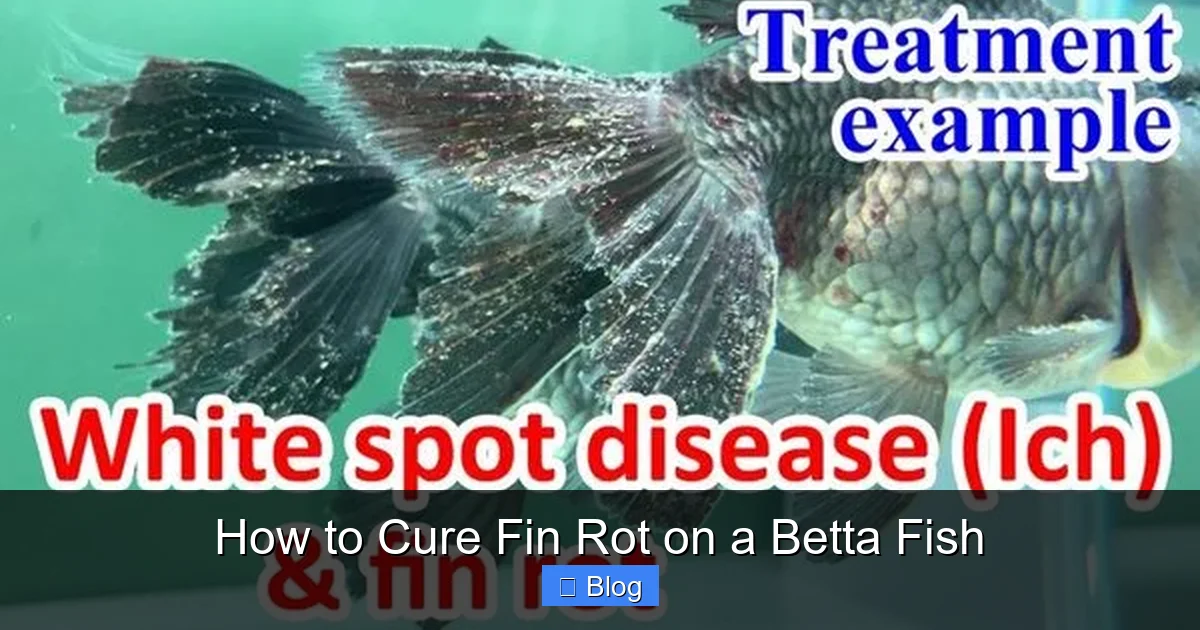
Visual guide about How to Cure Fin Rot on a Betta Fish
Image source: aquamarinepower.com
For Suspected Bacterial Fin Rot
This is the most common presentation: darkening, black or red tips, fraying without fuzz. You need a broad-spectrum antibiotic.
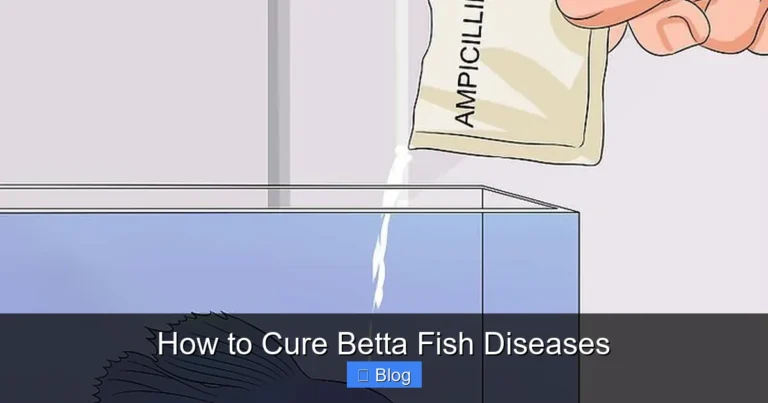
- Kanamycin-based Medications: This is a highly effective, broad-spectrum antibiotic safe for most fish. Look for products like Kanaplex (by Seachem) or similar. Follow dosage instructions precisely. Typically, you dose for 5-7 days, with a 100% water change and redose after each change.
- Tetracycline or Erythromycin: Other effective antibiotics often found in combination fin rot treatments.
- Important: Always remove carbon from your filter during medication, as it will adsorb the medicine and render it useless. The sponge filter media can stay in, as it houses beneficial bacteria.
For Suspected Fungal Fin Rot
Look for white, cottony, fluffy growths on the fins or body, often following an injury. Fungal infections thrive in dirty water.
- Methylene Blue: A classic antifungal and mild antibacterial. It’s very safe for bettas. Dose according to the product. It will turn the water and your betta (temporarily) blue. Use a separate dosing jar if possible, as it can stain.
- Malachite Green: A potent antifungal, but it is harsher and can be toxic to some fish at high doses or with prolonged exposure. Use with extreme caution and only if Methylene Blue fails. Never use with invertebrates.
- Fungus Clear: Commercial blends often contain Malachite Green and other antifungals.
For Mixed or Uncertain Infections
When you can’t tell if it’s bacterial, fungal, or both (a common scenario), use a combination treatment.
- Furan-2 (Nitrofurazone) & Kanamycin Combo: This is a powerful, broad-spectrum combo that covers both bacteria and some fungi. Products like Furan-2 are often paired with Kanamycin for severe cases. This is a strong treatment; follow dosing exactly and ensure excellent aeration, as these medications can reduce oxygen in the water.
- API Fin & Body Cure: Contains the antifungal Malachite Green and the antibacterial Methyl Blue, designed for exactly this scenario.
General Medication Rules:
1. Read the label. Different products have different dosing schedules (daily vs. every 48 hours).
2. Treat for the full course. Do not stop when the fish looks better. Continue for 5-10 days after the last visible sign of rot to ensure the infection is fully eradicated.
3. Increase aeration. Medications can lower dissolved oxygen. Use a gentle air stone in the hospital tank.
4. Never mix medications unless the product specifically states it’s safe to do so.
Step 4: Supportive Care & Boosting the Immune System
Medication and clean water are the heavy lifters, but supportive care helps your betta heal faster and stronger.
Optimizing the Hospital Environment
- Dim the Lights: A sick fish is stressed by bright light. Use a dimmer or provide plenty of shade with floating plants (real or silk).
- Eliminate All Current: Ensure the sponge filter’s output is pointed at the tank wall or baffled so there is no water movement Bettas are not strong swimmers, especially when weakened.
- Add Aquarium Salt (Optional & Cautious): A low dose of non-iodized aquarium salt (1 tsp per 5 gallons) can help reduce stress and osmoregulate the fish. Do not use if you have snails or live plants in the hospital tank. Dissolve it in a cup of water before adding to the tank. Do not use table salt.
- Indian Almond Leaves: Adding a pre-soaked, rinsed Indian Almond Leaf (IAL) to the hospital tank releases tannins that have mild antibacterial and antifungal properties, lower pH slightly, and reduce stress. It’s a wonderful natural supportive measure.
Feeding for Recovery
A sick betta often won’t eat. Forcing food is counterproductive. Focus on hydration and easy-to-digest foods when appetite returns.
- Offer High-Quality, Soaked Pellets: Soak premium betta pellets in a little tank water or garlic juice (a natural appetite stimulant and immune booster) until soft. Offer a tiny pinch once a day.
- Live or Frozen Foods: Once your betta shows interest, offer daphnia, bloodworms, or brine shrimp. These are easily digested and packed with nutrients. Thaw frozen foods fully.
- Do not overfeed. A single pellet or two is enough. Uneaten food will immediately foul the pristine water you’re working hard to maintain.
Step 5: The Long Road to Recovery – Fin Regrowth
The rot has stopped. The edges of the fins are no longer fraying and have a clean, solid look. Congratulations! But the journey isn’t over. Your betta now has the monumental task of regrowing its fins.
What to Expect During Healing
- Fin Regrowth is Slow: Do not expect to see a full, flowing tail in a week. Fin tissue grows at a rate of a few millimeters per week. For severe damage, it can take 3-6 months for a betta to fully recover its original finnage, and sometimes the new fin will have a slightly different shape or texture.
- New Fin is Transparent: The first sign of regrowth is a clear, almost glass-like membrane extending from the surviving fin base. This is normal. The color (red, blue, white) will fill in slowly over time.
- Maintain Flawless Water: Continue with diligent water changes (25-50% daily) for at least a month after the rot stops. The new fin tissue is extremely fragile and susceptible to re-infection in less-than-ideal water.
- No Stress: Keep the hospital tank quiet, dim, and peaceful. No tank mates. No sudden movements near the glass.
When to Return to the Display Tank
Only consider moving your betta back when:
- All signs of rot have been gone for at least 2-3 weeks.
- New, healthy fin growth is clearly visible (at least 3-5mm of clear membrane).
- The display tank parameters are perfect (0 ammonia, 0 nitrite, <20 nitrate).
- You have addressed the original cause (e.g., removed sharp plants, fixed filter, reduced aggression).
Acclimate the betta to the display tank water using the drip method for 30-60 minutes. For the first week back, monitor water parameters extra closely and be prepared to move it back to the hospital if any signs of stress or rot reappear.
Prevention: The Only Surefire Cure
The best way to cure fin rot is to never get it in the first place. Prevention is a simple, daily commitment to your betta’s basic needs.
The Pillars of Prevention
- Water, Water, Water: This cannot be overstated. In a filtered 5-gallon tank, perform a 25-50% water change once or twice a week. In a 2.5-gallon or unfiltered bowl, you need 50% changes every other day. Use a reliable water conditioner. Test water parameters weekly with a liquid test kit.
- Tank Size & Setup: A single betta needs a minimum of 5 gallons. A larger volume of water dilutes toxins and provides stable parameters. Use soft, silk plants or carefully chosen live plants (like Anubias, Java Fern) with no sharp edges. Avoid plastic plants entirely—they are fin-rippers. Ensure filter flow is gentle and adjustable.
- Stable Temperature: Use a 25-50 watt adjustable heater (depending on tank size) and a thermometer. Keep it between 78-80°F. Never let the temperature drop below 76°F or spike above 82°F.
- High-Quality Diet: Feed a high-quality pellet as a staple, supplemented with frozen or live foods 2-3 times a week. Avoid overfeeding. A healthy diet builds a robust immune system.
- Stress-Free Environment: Place the tank in a quiet area away from direct sunlight, loud TVs, and high traffic. Use a lid to prevent jumps and maintain humidity. If adding tank mates, research extensively for peaceful, short-finned species that won’t nip (e.g., snail, Kuhli loach, certain rasboras). When in doubt, keep your betta solo.
By making these practices routine, you create an environment where your betta’s fins can thrive, not just survive.
Conclusion: Patience, Diligence, and Observation
Curing fin rot on a betta fish is a test of an aquarist’s commitment. It’s not about a single magic pill; it’s a holistic process. You must be the detective, identifying the underlying cause. You must be the nurse, administering daily water changes and medication with precision. And you must be the patient guardian, waiting weeks and months for beautiful fins to regrow.
The formula is simple but non-negotiable: Immediate Isolation + Flawless Water Quality + Correct Medication + Stress-Free Environment. Miss one pillar, and you risk failure. But get it right, and you will witness one of the most rewarding recoveries in the hobby. Your betta, once again flaring its magnificent, healthy fins, will be a living testament to your care. Start today—your fish is counting on you.
Frequently Asked Questions
Can fin rot spread to other fish?
Yes, the bacteria and fungi that cause fin rot are opportunistic and can be present in any aquarium. A severely infected fish sheds large amounts of pathogens into the water. While a healthy fish with intact fins and strong immunity may resist infection, any stressed or injured fish in the same water is at high risk. This is why immediate isolation of the affected betta is critical.
How long does it take for a betta’s fins to grow back after fin rot?
Fin regrowth is a slow process. You can expect to see the first signs of clear, new membrane within 1-2 weeks of the rot stopping. Significant regrowth takes 1-3 months for minor damage, and severe damage can take 6 months or more for a near-full recovery. The new fin may never be exactly the same as the original, often being slightly shorter or with a different texture.
Can I treat fin rot without medication?
In very, very early stages (just a tiny bit of fraying at one tip), aggressive water changes and pristine water quality alone can sometimes halt the progression if the root cause (e.g., a sharp plant) is removed immediately. However, once active rot—darkening, shrinking, or fuzz—is visible, medication is almost always necessary to kill the established infection. Relying solely on water changes at this stage usually leads to worsening condition.
Is aquarium salt good for treating fin rot?
3>Aquarium salt can be a helpful supportive treatment. It reduces stress on the fish by aiding osmoregulation and has mild antibacterial properties. Use a low dose (1 teaspoon per 5 gallons) in a hospital tank only. It is not a primary cure and should be used alongside water changes and proper medication. Never use with live plants or invertebrates like snails and shrimp.
Should I trim my betta’s rotting fins?
No. Do not attempt to trim or cut off rotting fin tissue. This causes additional injury and stress, creating a larger wound for bacteria to invade. The clean, healthy tissue at the base of the rot will be the point from which new fin grows. Let the medication and clean water stop the decay, and the dead tissue will eventually slough off on its own or can be gently removed during a water change if it’s loose.
My betta’s fin rot came back after treatment. Why?
Recurrence almost always means the root cause was not eliminated. You likely treated the symptom (the infection) but not the cause (the poor water quality, the sharp decoration, the cold temperature, or the bully tank mate). Re-evaluate every aspect of your betta’s environment. Are you doing enough water changes? Is the heater working? Are there any other fish harassing it? You must solve the underlying problem to achieve a permanent cure.