How to Fix Swim Bladder in Betta Fish

Swim bladder disorder in betta fish is a common but treatable condition where the fish struggles to maintain buoyancy. It’s often caused by overfeeding, constipation, or poor water quality. Immediate steps like fasting and feeding a cooked pea can resolve many cases. If symptoms persist, consult a vet to rule out infections or physical injury. With proper care and diet adjustments, most bettas make a full recovery.
Key Takeaways
- Swim bladder disorder is a symptom, not a disease: It indicates an underlying issue like constipation, infection, or injury that affects the fish’s ability to control its buoyancy.
- Diet is the most common culprit: Overfeeding, low-quality food, and lack of fiber frequently cause constipation, which presses against the swim bladder.
- Fast action is crucial: Isolating the betta, improving water quality, and implementing a fast with a laxative food like a cooked pea are the first and most effective steps.
- Water quality is non-negotiable: Poor water conditions stress the fish and can lead to bacterial or parasitic infections that secondarily affect the swim bladder.
- Prevention is easier than cure: A consistent feeding schedule with high-quality, varied foods and regular tank maintenance is the best long-term strategy.
- Not all cases are simple: If home treatments fail within 48-72 hours, a physical injury or internal disease may be the cause, requiring veterinary diagnosis and treatment.
📑 Table of Contents
- Understanding Your Betta’s Struggle: An Introduction
- What Exactly is Swim Bladder Disorder? Causes & Symptoms
- Step-by-Step Treatment Plan: From Home Care to Vet Intervention
- Prevention is the Best Medicine: Long-Term Care for a Healthy Betta
- When to Call in the Experts: Consulting a Veterinarian
- Conclusion: Patience and Proactive Care
Understanding Your Betta’s Struggle: An Introduction
There’s nothing more concerning than seeing your vibrant betta fish, usually a graceful dancer in its aquatic world, floating helplessly upside down, sinking to the bottom, or swimming erratically. Your first thought might be panic—is it dying? The good news is, in most cases, this distressing behavior is a sign of a common and often treatable condition known as swim bladder disorder (SBD). It’s not a death sentence, but it is a clear signal from your fish that something is wrong internally. Think of the swim bladder as a biological balloon inside your betta. By adjusting the amount of air (or gas) in it, the fish can effortlessly float up or sink down. When this delicate organ is compressed, infected, or injured, that control is lost, leading to the bizarre swimming patterns you’re witnessing. This guide will walk you through everything you need to know, from identifying the problem to implementing effective treatments and preventing future occurrences. Let’s get your betta back to its beautiful, flowing self.
What Exactly is Swim Bladder Disorder? Causes & Symptoms
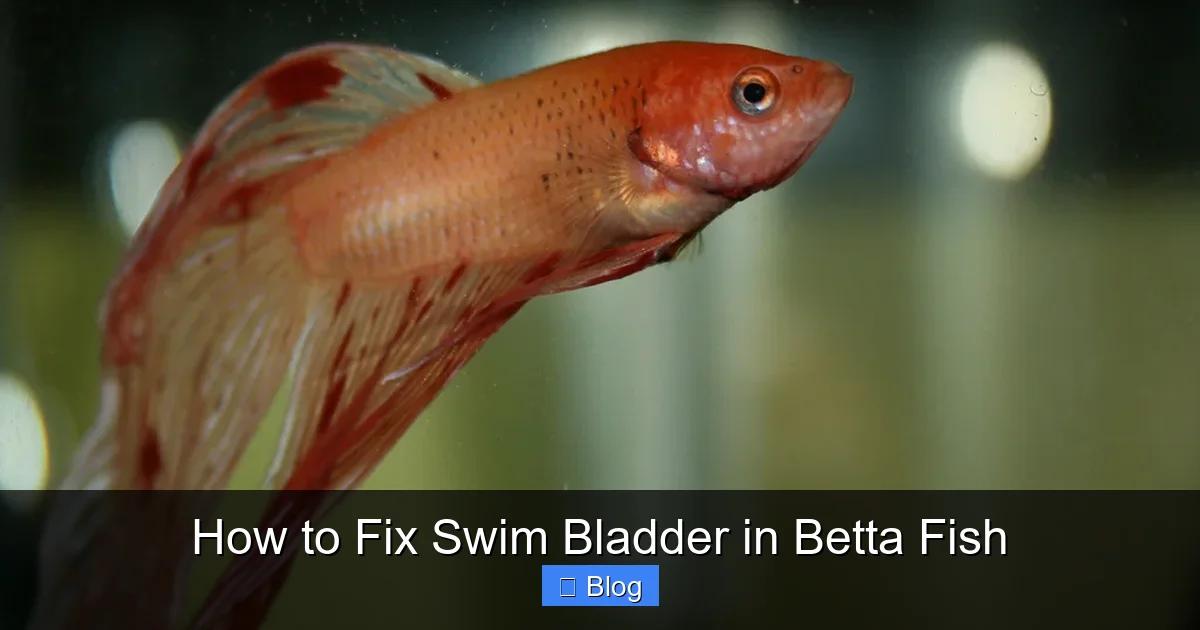
Before we dive into solutions, it’s vital to understand what we’re dealing with. Swim bladder disorder isn’t a specific disease; it’s a catch-all term for any condition that impairs the function of the swim bladder. This gas-filled organ, located near the spine and digestive tract, is crucial for buoyancy control. When it malfunctions, your betta loses its ability to orient itself correctly in the water.
Visual guide about How to Fix Swim Bladder in Betta Fish
Image source: nippyfish.net
The Usual Suspects: Common Causes of SBD
Identifying the root cause is the key to effective treatment. The most frequent offenders are:
- Constipation: This is the number one cause in bettas. A blocked digestive tract, often from overfeeding or a diet lacking in fiber, physically presses against the swim bladder, restricting its movement.
- Poor Water Quality: Water high in ammonia, nitrites, or nitrates causes immense stress and weakens the betta’s immune system. This opens the door for bacterial or parasitic infections that can inflame the swim bladder or surrounding organs.
- Overfeeding & Low-Quality Food: Betta stomachs are tiny, about the size of their eye. Too much food, especially dried pellets that expand in water, leads to constipation and digestive upset. Foods with excessive fillers are hard to digest.
- Injury: A sharp object in the tank, a aggressive tank mate, or even a hard fall can cause physical trauma to the swim bladder.
- Infection: Internal bacterial infections (like Pseudomonas) or parasites can directly infect the swim bladder or cause inflammation in the body cavity.
- Genetic Predisposition: Some bettas, particularly those with very rounded, “balloon” bodies, may have a naturally compressed swim bladder space, making them more prone to issues.
- Temperature Shock: Sudden changes in water temperature can disrupt the betta’s metabolism and digestive process, leading to constipation.
Reading the Signs: How to Diagnose SBD
The symptoms are usually unmistakable once you know what to look for. Your betta may exhibit one or more of these behaviors:
- Erratic Swimming: Swimming sideways, upside down, or darting around uncontrollably.
- Buoyancy Problems: Constant floating to the top and being unable to dive, or sinking to the bottom and being unable to rise.
- Lethargy and Inability to Eat: The fish may rest listlessly at the bottom or top, showing no interest in food because it’s too stressed or physically unable to eat properly.
- Swollen Abdomen: Often visible with constipation-related SBD. The belly may look puffy or bloated.
- Curved Spine: Sometimes, if the issue is long-standing or due to a severe infection like Mycobacterium (which causes “fish tuberculosis”), the spine can become visibly curved or kinked. This is a serious sign.
Step-by-Step Treatment Plan: From Home Care to Vet Intervention
Now for the action plan. Always start with the least invasive, most common causes. Patience is essential; treatments can take 2-5 days to show improvement.
Visual guide about How to Fix Swim Bladder in Betta Fish
Image source: iqss.eu
Phase 1: Immediate Isolation and Water Correction
Step 1: Set Up a Hospital Tank. If your betta is in a community tank, immediately move it to a separate, clean “hospital” tank (a 1-2 gallon tank is sufficient). This serves two purposes: it allows you to medicate precisely if needed, and it prevents other fish from harassing a vulnerable betta. It also lets you control the environment perfectly.
Step 2: Perform a 100% Water Change. Use a water conditioner to remove chlorine and heavy metals. The new water should be the same temperature as the current tank (within 1-2 degrees) to avoid shock. This instant improvement in water quality reduces stress and removes any potential pathogens.
Step 3: Fast Your Betta. For the next 24-48 hours, do not feed your betta. This gives its digestive system a complete rest and allows any impaction to potentially clear. It’s a simple but critical first step.
Phase 2: The Constipation Protocol (The “Pea Method”)
If fasting doesn’t resolve the issue, constipation is the prime suspect. The high-fiber content of a green pea acts as a natural laxative.
How to Prepare the “Magic Pea”:
- Take a frozen or fresh green pea (unsalted, unbuttered).
- Boil it for 1-2 minutes until it’s soft.
- Remove the skin by gently squeezing the pea. This is important to prevent any skin from causing further blockages.
- Mash the soft pea interior into a fine paste or cut it into a tiny, betta-sized piece (no larger than its eye).
- Using tweezers or a pipette, offer this small piece to your betta. You may need to hold it near its mouth. Betas are often too stressed or unbalanced to hunt for food.
Feed only the pea for 2-3 days. After the constipation clears (you should see normal, separate fecal pellets), slowly reintroduce a small amount of high-quality, pre-soaked betta pellet. Soaking pellets for 5-10 minutes before feeding prevents them from expanding in the stomach.
Phase 3: Addressing Water Quality and Bacterial Infections
If the pea method fails, the cause is likely not simple constipation. Poor water quality or a bacterial infection is probable.
Ensure pristine water: Perform daily 25-50% water changes in the hospital tank. Invest in a liquid water test kit (API Freshwater Master Test Kit is excellent) to monitor ammonia, nitrite, nitrate, and pH. Ammonia and nitrite should always be at 0 ppm.
Consider Epsom Salt Baths: A low concentration of Epsom salt (magnesium sulfate) can help reduce swelling and inflammation. Add 1 teaspoon of Epsom salt per gallon of dechlorinated water in the hospital tank. Leave the betta in this bath for 15-20 minutes daily for 3 days. Important: Do not use table salt or aquarium salt for this purpose.
Antibiotic Treatment: If you suspect a bacterial infection (fish may show other signs like red streaks, fin rot, or cloudy eyes), a broad-spectrum antibiotic designed for internal use is necessary. This is a point where consulting a vet is highly recommended. If you choose to proceed, medications like Maracyn 2 (which contains two antibiotics) can be effective. Follow the dosage instructions precisely for the full course, typically 5-7 days. Never use human antibiotics.
Prevention is the Best Medicine: Long-Term Care for a Healthy Betta
Once your betta recovers, your focus must shift to preventing a relapse. A healthy betta is a happy swimmer.
Visual guide about How to Fix Swim Bladder in Betta Fish
Image source: uploads-ssl.webflow.com
Perfecting the Betta Diet
What and how you feed your betta is the single most important factor in preventing SBD.
- Portion Control: Feed only 2-3 high-quality pellets or a small pinch of frozen food (like daphnia or bloodworms) once a day. A betta’s stomach is tiny—think “eyeball-sized” portions.
- Soak All Dry Foods: Always soak pellets and flakes in tank water for 5-10 minutes before feeding. This prevents them from absorbing water and expanding inside your betta’s digestive tract.
- Provide Fiber: Once a week, fast your betta and offer a small piece of peeled, cooked pea or a tiny amount of daphnia (which is also a natural laxative).
- Variety is Key: Rotate between high-quality pellets, frozen foods (brine shrimp, bloodworms), and occasional live foods (if you can culture them safely). Avoid cheap, filler-heavy foods.
Maintaining Impeccable Water Quality
Forget the “set it and forget it” mentality. Betta tanks, even small ones, require maintenance.
- Tank Size: A minimum of 5 gallons is strongly recommended. Smaller volumes of water waste products build up too quickly.
- Filtration: Use a gentle filter (a sponge filter is ideal) to cycle the water and remove waste. Clean filter media monthly in old tank water, not tap water, to preserve beneficial bacteria.
- Water Changes: Perform a 25% water change weekly. Use a gravel vacuum to remove uneaten food and debris from the substrate.
- Test Regularly: Use a liquid test kit weekly. Ammonia and nitrite must be 0 ppm. Nitrates should be kept below 20 ppm.
- Temperature Stability: Use a reliable aquarium heater and a thermometer. Maintain a stable temperature between 78-80°F (25.5-26.5°C). Sudden drops can cause digestive issues.
When to Call in the Experts: Consulting a Veterinarian
Home treatment is effective for the majority of SBD cases caused by constipation or minor water quality issues. However, there are clear red flags that indicate a more serious underlying problem requiring professional diagnosis.
Signs You Need a Vet
- No improvement after 3-4 days of consistent home treatment (fasting, pea, water changes).
- The presence of a visibly curved or kinked spine.
- Signs of external infection like fin rot, ulcers, or cotton-like growths.
- Rapid deterioration; the fish is completely lethargic and unresponsive.
A qualified aquatic veterinarian can perform diagnostics like X-rays (to check for physical injury or tumors), ultrasound, or internal swabs to identify specific bacteria or parasites. They can then prescribe targeted antibiotics or other medications that are not available over-the-counter. While it can be challenging to find a vet who treats fish, searching for “exotic pet veterinarian” or “aquatic veterinarian” in your area is a worthwhile investment in your pet’s life.
Conclusion: Patience and Proactive Care
Watching your betta fish struggle with swim bladder disorder is stressful, but armed with this knowledge, you are its best advocate. Remember the core principles: isolate, fast, treat constipation with a pea, and ensure perfect water quality. Most importantly, adopt a preventive mindset. A consistent feeding routine with high-quality, properly prepared food and diligent tank maintenance is the foundation of a long, healthy life for your betta. By understanding the “why” behind the strange swimming, you move from reacting to problems to proactively creating an environment where your betta can thrive, displaying its magnificent fins and vibrant personality for years to come. Your attentive care makes all the difference.
Frequently Asked Questions
How long does it take for a betta fish to recover from swim bladder disorder?
Recovery time varies. For simple constipation, improvement can be seen within 24-48 hours of fasting and feeding a pea. For more complex cases involving infection or injury, it may take a week or longer of consistent treatment. Patience and strict adherence to the treatment plan are key.
Is swim bladder disease contagious to other fish?
The symptom of swim bladder disorder itself is not contagious, as it’s a physical malfunction. However, the underlying cause might be. If the SBD is caused by a bacterial or parasitic infection (like internal parasites), that infection can spread to other fish in the same tank. This is why isolating the affected betta is a critical first step.
Can a betta fish die from swim bladder disorder?
Yes, unfortunately, a severe or untreated case can be fatal. The primary risks are starvation (if the fish can’t eat), stress from inability to swim properly, and the progression of a serious underlying disease like a systemic bacterial infection or tuberculosis. Prompt and correct treatment greatly increases the chances of a full recovery.
Should I stop feeding my betta completely?
A short, supervised fast of 24-48 hours is a recommended first step for suspected constipation-related SBD. This gives the digestive system a rest. However, you should not fast for more than 3 days without offering a laxative food like a pea, as your betta needs nutrition. After the fast, immediately begin the treatment protocol.
Why does my betta fish keep floating to the top and sinking?
>This is the classic sign of a loss of buoyancy control due to swim bladder dysfunction. The fish has lost its ability to adjust its position in the water column. It may float because gas is trapped in the bladder, or sink because the bladder is damaged, compressed, or empty. The specific cause needs to be determined through observation and treatment trials.
Is swim bladder disorder painful for my betta?
It’s difficult to know the exact subjective experience of a fish, but the condition is undoubtedly stressful and debilitating. The inability to swim normally, eat efficiently, or escape to a comfortable position in the water causes significant physiological stress. Addressing the issue promptly is an act of compassion to relieve that stress and prevent suffering.