How to Cure Constipation in Betta Fish
Constipation in betta fish is a common but serious issue that requires prompt action. It’s typically caused by overfeeding, improper diet, or poor water quality. The first steps are a 24-48 hour fast and a water change. Treatment involves high-fiber foods like daphnia and ensuring pristine water conditions. Ignoring it can lead to life-threatening swim bladder disease or dropsy. This guide provides a clear, step-by-step plan to identify, treat, and prevent constipation, keeping your betta vibrant and healthy.
Key Takeaways
- Constipation is an early warning sign: A bloated, constipated betta is often suffering from a digestive blockage that can escalate to fatal swim bladder problems if ignored.
- Fasting is the critical first treatment: A 24-48 hour fast gives the digestive system a chance to reset and is the safest initial step before introducing fiber.
- Dietary fiber is the primary cure: Feeding high-fiber foods like boiled daphnia or peeled green pea is the most effective, gentle way to stimulate bowel movements.
- Water quality is non-negotiable: Poor water quality stresses fish and impairs digestion. Regular testing and water changes are essential for both treatment and prevention.
- Prevention is always better than cure: Establish a consistent feeding schedule with high-quality, varied foods and maintain excellent tank hygiene to avoid recurrence.
- Know when professional help is needed: If fasting and fiber don’t work within 72 hours, or if symptoms like pineconing (dropsy) appear, consult an aquatic vet immediately.
📑 Table of Contents
- Understanding Constipation in Your Betta Fish
- Step 1: Confirming It’s Constipation (And Not Something Worse)
- Step 2: The Immediate First Aid Protocol
- Step 3: Introducing the Cure – High-Fiber Foods
- Step 4: The Critical Role of Water Quality and Environment
- Step 5: When Home Remedies Aren’t Enough – Advanced Options & Vet Care
- Step 6: Building a Prevention Plan for Life
Understanding Constipation in Your Betta Fish
Seeing your beautiful betta fish, with its flowing fins and vibrant colors, suddenly become listless and swollen is a heart-stopping moment for any owner. That rounded, bloated belly isn’t just unsightly; it’s a cry for help. Constipation in betta fish is one of the most common health issues, but it’s also one of the most misunderstood. Many new owners mistake it for a simple “full tummy” or, worse, for a sign of dropsy—a far more severe condition. The truth is, constipation is often the precursor to serious complications like swim bladder disorder. Your betta’s digestive system is a delicate, slow-moving conveyor belt. When things get stuck, the entire internal balance can be thrown off, affecting buoyancy, appetite, and ultimately, survival.
So, what exactly is constipation in a betta? Simply put, it’s a blockage in the digestive tract. Food, often due to overfeeding or the wrong types of food, isn’t processed correctly and accumulates, causing the abdomen to swell. This swelling puts physical pressure on the swim bladder, the organ that helps your fish control its position in the water. You’ll notice your betta struggling to swim upright, floating helplessly to the top, or sinking and unable to rise. It might also stop eating, become lethargic, and its beautiful colors may fade. Recognizing these signs early is the single most important factor in a full recovery. This guide will walk you through everything you need to know, from confident identification to gentle treatment and foolproof prevention, ensuring your finned friend gets back to flaring and flourishing.
Step 1: Confirming It’s Constipation (And Not Something Worse)
Before you start any treatment, you must be reasonably sure you’re dealing with constipation. Misdiagnosis can waste precious time. The key is to look at the type and location of the swelling and the fish’s behavior.
Visual guide about How to Cure Constipation in Betta Fish
Image source: theaquaadvisor.com
The Bloat Test: Location Matters
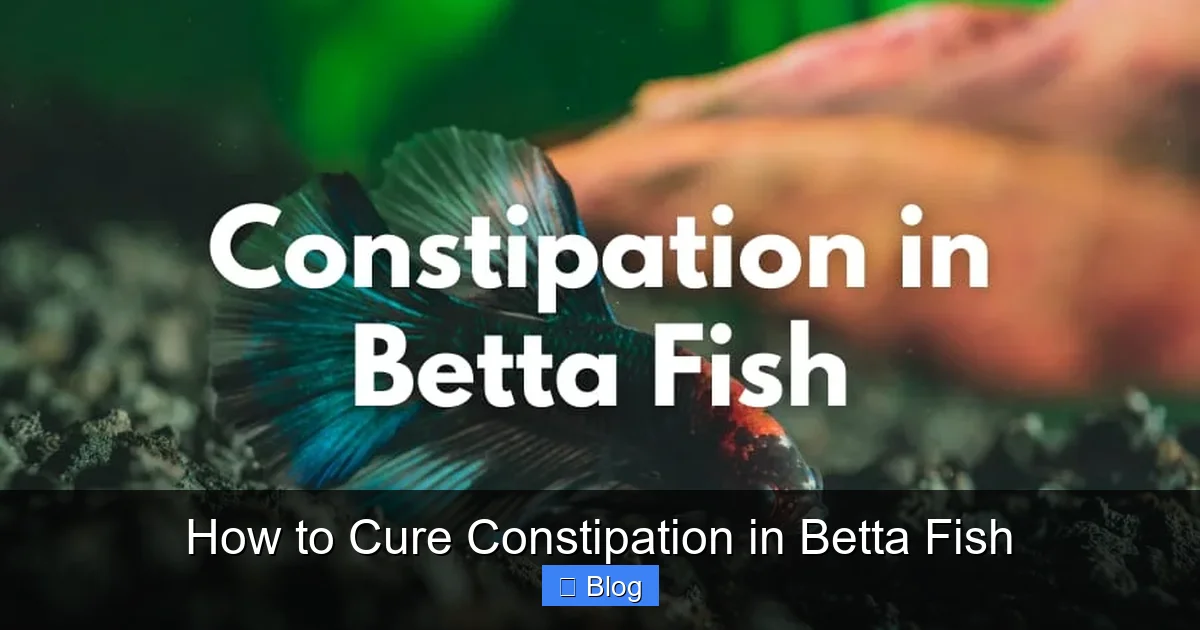
Gently observe your betta from above and from the side. A constipated betta will have a localized, round swelling right behind the gills and in the mid-abdominal area. The swelling is usually symmetrical and feels firm if you could gently palpate it (which you shouldn’t do directly). This is the stomach and intestines full of impacted waste. In contrast, the early stages of dropsy (caused by bacterial infection) often start as a more generalized swelling, sometimes starting near the tail. The most definitive sign of dropsy is “pineconing”—where the scales on the betta’s body stand out like a pinecone, a sign of severe fluid buildup. If you see pineconing, constipation is likely a secondary symptom of a systemic infection, and you need an aquatic vet immediately.
Behavioral Clues
A constipated betta is a miserable betta. Look for:
- Swim Bladder Symptoms: Floating upside down, sinking and unable to swim up, swimming erratically, or resting on the bottom at a strange angle.
- Loss of Appetite: It may ignore food entirely or seem to try to eat but spit it out.
- Lethargy: Minimal movement, often resting on plants or the substrate.
- No Other Physical Signs: Check for clamped fins (a sign of stress or illness), white spots (ich), frayed fins, or visible sores. Their absence points more toward a digestive issue.
If the primary symptom is a swollen belly paired with swimming difficulties and a recent history of overfeeding or a diet of only pellets, you can be about 90% confident it’s constipation. Proceed with the treatment plan below.
Step 2: The Immediate First Aid Protocol
Once you’ve identified the problem, time is of the essence. The goal of first aid is to stop adding to the problem and reduce stress on the fish’s body. Do not panic and start throwing medications at the tank. This is almost always a dietary and management issue.
Visual guide about How to Cure Constipation in Betta Fish
Image source: bettasource.com
Action 1: The 24-48 Hour Fast
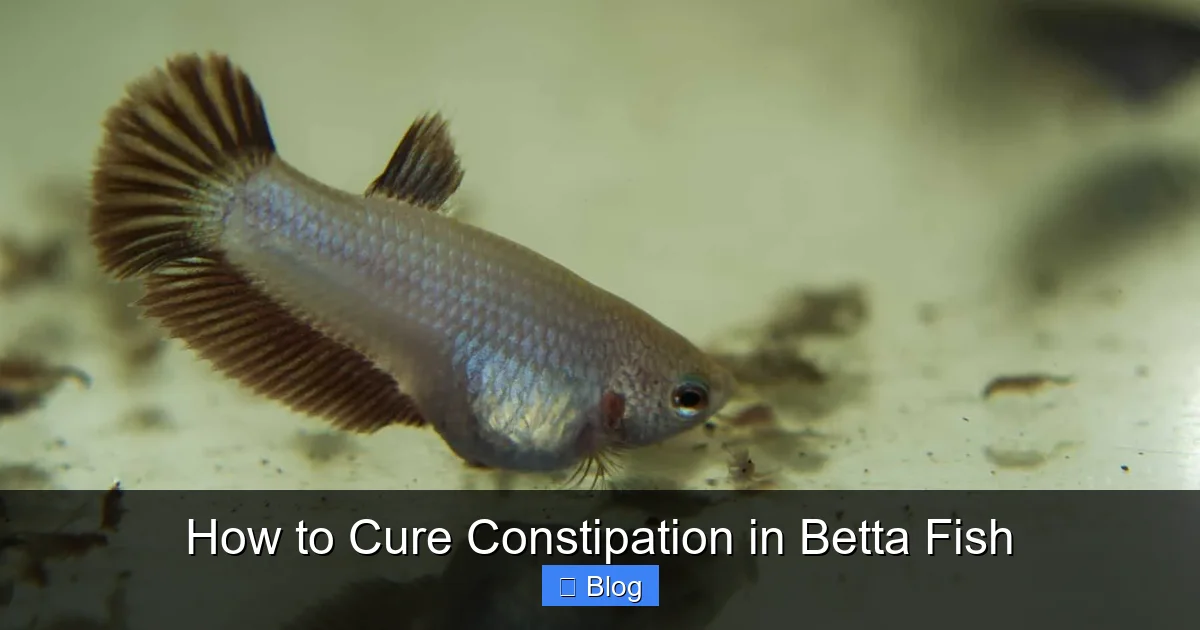
This is the most critical and often the most overlooked step. You must stop feeding your betta immediately. I know it feels cruel, but it’s not. A fish with a blocked gut cannot process more food. Adding pellets or brine shrimp to an already impacted system is like trying to pour more cars onto a gridlocked highway. The fast gives the digestive tract a complete rest. It allows any natural muscular movements (peristalsis) to potentially work the blockage through without new material getting in the way. For a severely constipated betta, extend the fast to 48 hours. During this time, ensure your betta is in clean, warm water (see Action 2). Do not worry about starvation; a healthy betta can easily go a week without food. This is a therapeutic reset.
Action 2: Perform a Large Water Change
Immediately after deciding to fast, do a 50% water change with properly conditioned water (dechlorinated, temperature-matched). This serves two vital purposes. First, it removes any uneaten food waste and ammonia spikes from the tank, improving overall water quality. Poor water quality is a major stressor that slows digestion. Second, it introduces fresh, clean water that can have a mild osmotic effect, potentially helping to hydrate the fish and soften the impacted stool. Use a gravel vacuum to siphon debris from the substrate, especially if your betta lives in a small, unfiltered bowl. For the next few days, aim for daily 25% water changes to keep parameters pristine.
Action 3: Check and Optimize Tank Temperature
Betta fish are tropical. Their metabolism, including digestion, is directly tied to water temperature. If your tank is below 78°F (25.5°C), their digestive system slows to a crawl, making constipation more likely and recovery slower. Use a reliable aquarium thermometer. The ideal temperature for a betta is 78-80°F (25.5-26.5°C). If your heater is broken or missing, get a new one immediately. A consistent, warm temperature will help stimulate natural digestive movement during the fast.
Step 3: Introducing the Cure – High-Fiber Foods
After the 24-48 hour fast, it’s time to gently reintroduce food—but not just any food. You need a natural, effective laxative. The two gold-standard foods for treating betta constipation are daphnia and green peas.
Visual guide about How to Cure Constipation in Betta Fish
Image source: bettasource.com
The Superior Choice: Daphnia (Water Fleas)
Daphnia is a tiny, freshwater crustacean and is widely considered the best first food for a constipated betta. Why? It’s a natural, high-fiber, high-protein food that bettas would eat in the wild. Its exoskeleton provides roughage that gently scrubs and stimulates the intestinal tract, encouraging a bowel movement. It’s also highly nutritious and easy to digest.
- How to Prepare: Buy freeze-dried or frozen daphnia from a reputable aquarium store. If using frozen, thaw a small piece in a dish of tank water. If using freeze-dried, soak it in tank water for a minute to rehydrate—this makes it easier to digest and prevents it from swelling inside the fish’s stomach.
- How to Feed: After the fast, offer 1-2 pieces of rehydrated daphnia. You may need to use a feeding tweezer to hold it near your betta. Watch for interest. If it eats, great. If not, remove the food after 15 minutes to prevent water quality issues. Feed only daphnia for 2-3 days. You should see a significant improvement and a normal-sized fecal string within this period.
The Accessible Alternative: Blanched Green Pea
Not everyone has access to daphnia. The humble green pea is an excellent, readily available alternative. It’s packed with fiber and has a laxative effect. The key is in the preparation.
- How to Prepare: Take a frozen or fresh green pea. Remove it from the pod. Blanch it by placing it in boiling water for 1-2 minutes, then immediately transferring it to a bowl of cold water. This softens the tough outer skin. Once cool, peel the skin off completely. The skin is difficult for bettas to digest and can make things worse. You should be left with just the soft, green inner part. Mash it slightly between your fingers or with a spoon to create a tiny, manageable portion (about the size of a pea’s 1/4).
- How to Feed: Offer this small, peeled, mashed pea piece after the fast. It may sink, which is fine. Your betta will likely nibble at it. Again, remove any uneaten portion after 15 minutes. Feed a pea once a day for 2-3 days. The results are often dramatic.
What to AVOID Feeding
During treatment and for prevention, steer clear of foods that contribute to constipation:
- Low-Quality Pellets: Many cheap pellets are mostly fillers like wheat, soy, and potato starch. They swell in the stomach and are hard to digest. If you use pellets, soak them first and choose a high-quality, betta-specific brand with fish or shrimp meal as the first ingredient.
- Live/Frozen Foods with Hard Shells: Avoid bloodworms (they have a tough exoskeleton) and brine shrimp (very low in fiber) as primary foods. They are treats, not staples.
- Bread or Human Food: Never do this. It is completely inappropriate and will guarantee a severe blockage.
Step 4: The Critical Role of Water Quality and Environment
You cannot cure constipation by diet alone if the fish is living in toxic water. The digestive system is a sensitive organ. Ammonia, nitrite, and high nitrate levels cause chronic stress, which shuts down non-essential bodily functions, including efficient digestion. A stressed fish has a compromised immune system, making it susceptible to secondary infections that can complicate constipation.
Testing is Non-Negotiable
You need a liquid test kit (like the API Freshwater Master Test Kit). Test strips are notoriously inaccurate. Know your parameters:
- Ammonia (NH3/NH4+): Must be 0 ppm. Any detectable ammonia is poisonous and stressful.
- Nitrite (NO2-): Must be 0 ppm.
- Nitrate (NO3-): Should be below 20 ppm, ideally under 10 ppm. For a sick fish, strive for 5 ppm or less.
Test your water before treatment, during treatment (daily), and after. If any levels are elevated, perform more frequent water changes. A 50% daily change until parameters are perfect is a good strategy for a sick betta in a small, unfiltered tank.
The Nitrogen Cycle: Your Tank’s Life Support System
If your tank is not cycled (meaning beneficial bacteria haven’t established to process waste), you are essentially keeping your fish in a gradually poisoning bowl. A cycled tank has zero ammonia and nitrite. Cycling a tank takes 4-6 weeks and involves adding an ammonia source and testing until nitrates appear. An uncycled tank is the #1 cause of chronic stress and disease in bettas kept in small containers. If you have a bowl, your primary long-term goal must be to upgrade to a filtered, cycled 5-gallon tank. This is the single greatest thing you can do for your betta’s overall health and digestion.
Optimal Environment for Recovery
During illness, reduce all other stressors:
- Tank Mates: Remove any tank mates. A sick, slow-moving betta will be harassed.
- Strong Flow: Turn down or turn off filters and bubblers. A constipated betta is already struggling to swim; strong current exhausts it.
- Hiding Places: Provide plants (live or silk) or a cave so it can rest securely without feeling exposed.
- Lighting: Dim the lights. Stress is reduced in calmer environments.
Step 5: When Home Remedies Aren’t Enough – Advanced Options & Vet Care
What if you’ve fasted for 48 hours, fed daphnia/peas for 3 days, and maintained perfect water, but your betta is still massively bloated and swimming poorly? It’s time to escalate carefully.
The Epsom Salt (Magnesium Sulfate) Bath
This is a supportive, not primary, treatment. Epsom salt is not a medication; it’s a muscle relaxant and osmotic agent. It can help reduce swelling and ease muscle cramping associated with constipation. It is NOT for long-term tank use and is toxic to plants.
- How to Administer: Prepare a separate hospital tank or large container with 1 gallon of dechlorinated, temperature-matched water. Dissolve 1 teaspoon of plain, unscented Epsom salt per gallon. Gently net your betta and place it in this bath for 10-15 minutes. Observe closely. If it becomes extremely stressed, remove it immediately. Do this once a day for up to 3 days, in addition to the fasting and fiber diet. Return the fish to its clean main tank after the bath.
Warning: Never use Epsom salt in the main display tank long-term. Never use table salt or aquarium salt for this purpose; they are different and harmful.
The Critical Decision: Seeing an Aquatic Veterinarian
If there is zero improvement after 72 hours of proper treatment, or if you see any of these “red flag” symptoms, you must seek professional help:
- Pineconing scales (dropsy).
- Rapid, labored breathing at the surface.
- Visible ulcers, sores, or red streaks.
- Extreme lethargy and unresponsiveness.
An aquatic vet can diagnose if the constipation is a symptom of an internal parasite, a severe bacterial infection, or a permanent physical damage to the swim bladder. They can prescribe appropriate, targeted antibiotics or other medications that are unavailable over the counter. This is your betta’s last best chance. Find a vet beforehand if possible; many general vets will not treat fish.
Step 6: Building a Prevention Plan for Life
Once your betta is back to normal, your work isn’t done. The goal is to never have this happen again. Prevention is built on two pillars: diet and environment.
Mastering the Betta Diet
Think of your betta’s stomach as the size of its eye. That’s the maximum amount it should eat in one feeding. Follow these rules:
- Feed High-Quality Pellets as a Base: Choose pellets with fish/shrimp meal as the #1 ingredient. Soak them for a few minutes before feeding to prevent expansion inside the gut.
- Variety is Essential: Feed pellets 4-5 days a week. On the other 2-3 days, offer a high-fiber alternative: a tiny piece of blanched, peeled pea OR a couple of soaked daphnia. This mimics a varied natural diet and keeps digestion moving.
- Treats Sparingly: Frozen or live bloodworms, brine shrimp, or mysis shrimp should be treats, given no more than once a week. They are low in fiber.
- Establish a Schedule: Feed once or twice a day, at the same times. Remove all uneaten food after 5 minutes with a turkey baster or net.
Maintaining a Zen Tank
The tank is your betta’s entire world. Make it a healthy one.
- Minimum Tank Size: A filtered, heated 5-gallon tank is the absolute minimum for a betta’s long-term health. Larger is always better.
- Cycled is Mandatory: A cycled tank with a filter is non-negotiable for stable water. Learn about the nitrogen cycle and use a test kit.
- Consistent Maintenance: Perform a 25-30% water change once a week, using a gravel vacuum. Clean the filter media in old tank water (never tap water) once a month.
- Monitor Temperature: Keep a reliable heater and thermometer. No fluctuations.
By integrating these habits, you create a resilient, thriving betta. Constipation becomes a rare, quickly resolved blip instead of a recurring crisis. Your attentiveness is the best medicine your fish could ask for.
Frequently Asked Questions
How long should I fast my constipated betta fish?
Fast for 24-48 hours. For a severely bloated betta, a full 48-hour fast is safer and more effective. During this time, ensure the water is clean and warm. Do not feed anything during the fast.
What is the single best food to relieve constipation?
Freeze-dried or frozen daphnia (water fleas) is the best first choice. It’s high in fiber and natural roughage. If unavailable, a small piece of blanched, peeled green pea is an excellent and effective alternative.
Can constipation in betta fish be prevented?
Absolutely. Prevention is key. Feed a varied diet with high-fiber foods 2-3 times a week, avoid overfeeding (a portion the size of its eye), soak pellets, and maintain excellent water quality in a filtered, cycled tank of at least 5 gallons.
When should I take my constipated betta to a vet?
Consult an aquatic vet if there is no improvement after 72 hours of proper fasting, fiber feeding, and clean water. Also seek immediate help if you see pineconing scales (dropsy), rapid breathing, or open sores, as these indicate a secondary, serious infection.
Is Epsom salt safe for betta fish?
Yes, but only as a short-term bath, not in the main tank. A 10-15 minute bath in 1 tsp per gallon of dechlorinated water can help reduce swelling. Never use it long-term in the display tank, as it can harm beneficial bacteria and plants.
Why does my betta fish keep getting constipated?
Recurring constipation usually points to one of three ongoing issues: 1) A poor diet (low-quality pellets, lack of fiber, overfeeding), 2) Chronic poor water quality (from an uncycled or uncleaned tank), or 3) An underlying, undiagnosed health problem like parasites or permanent swim bladder damage. Address the first two first.