How to Feed a Betta Fish a Pea
Alleviate your betta fish’s constipation by feeding it a properly prepared pea. Simply cook, peel, and mash a small pea, then offer a tiny portion to promote digestive health and prevent bloating.
Key Takeaways
- Always cook peas thoroughly to soften them for easy digestion.
- Peel and cut a tiny piece from a cooked pea for a single serving.
- Offer the pea piece once weekly as a dietary supplement, not a staple.
- Remove any uneaten pea within a few hours to prevent water fouling.
- Monitor your betta’s reaction to ensure it accepts this new food.
- The primary benefit is relief from occasional constipation or bloating.
📑 Table of Contents
- Why Your Betta Might Need a Pea (And Why It’s Not as Weird as It Sounds)
- The Digestive Dilemma: Understanding Your Betta’s Tummy Troubles
- The Magic of the Pea: Why This Simple Veggie Works Wonders
- Step-by-Step Guide: How to Prepare and Feed a Pea to Your Betta
- What to Expect and How to Monitor Progress
- Long-Term Prevention: Keeping Your Betta’s System Happy
- Common Mistakes and Myths: Debunking Pea Protocol Pitfalls
- Conclusion: A Simple Tool for a Healthy, Happy Betta
Why Your Betta Might Need a Pea (And Why It’s Not as Weird as It Sounds)
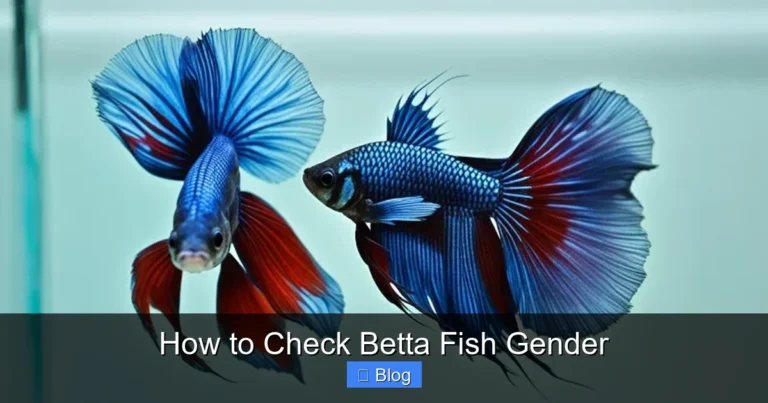
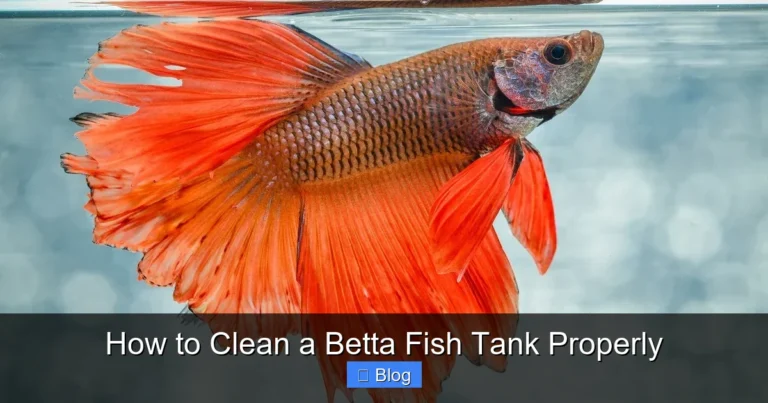
Let me tell you about Bloo. Bloo was my vibrant, half-moon betta with fins so flowy they looked like silk scarves in the current. One Tuesday, I noticed he was looking… puffy. Not his usual sleek self, but more like a little water balloon with a face. His gills moved a bit faster, and he seemed to lurk at the bottom, disinterested in his favorite bloodworms. Panic, as any betta parent knows, set in immediately. Is it swim bladder disease? A parasite? Did I overfeed him?
After a frantic dive into betta forums (it’s what we do, right?), I kept seeing one bizarre, humble solution pop up: a green pea. Specifically, a cooked, skinned, halved green pea. My first thought was, “I’m going to feed my fish a vegetable? This is either genius or the worst advice ever.” But desperate times call for desperate measures. So, I prepared that pea, offered it to Bloo, and within 24 hours, he was back to flaring at his reflection and building bubble nests. It felt like magic, but it’s actually simple science. This guide is everything I wish I’d had that day—a clear, no-nonsense, step-by-step walkthrough on how to feed a betta fish a pea correctly, safely, and effectively.
The Digestive Dilemma: Understanding Your Betta’s Tummy Troubles
Before we dive into the pea protocol, we need to understand the “why.” Bettas are carnivores by nature. In the wild, they munch on insects, larvae, and tiny crustaceans. Their short digestive tracts are built for protein, not for plant matter. This design flaw is the root of many common betta ailments.
Visual guide about How to Feed a Betta Fish a Pea
Image source: petfood.guide
The Constipation Connection
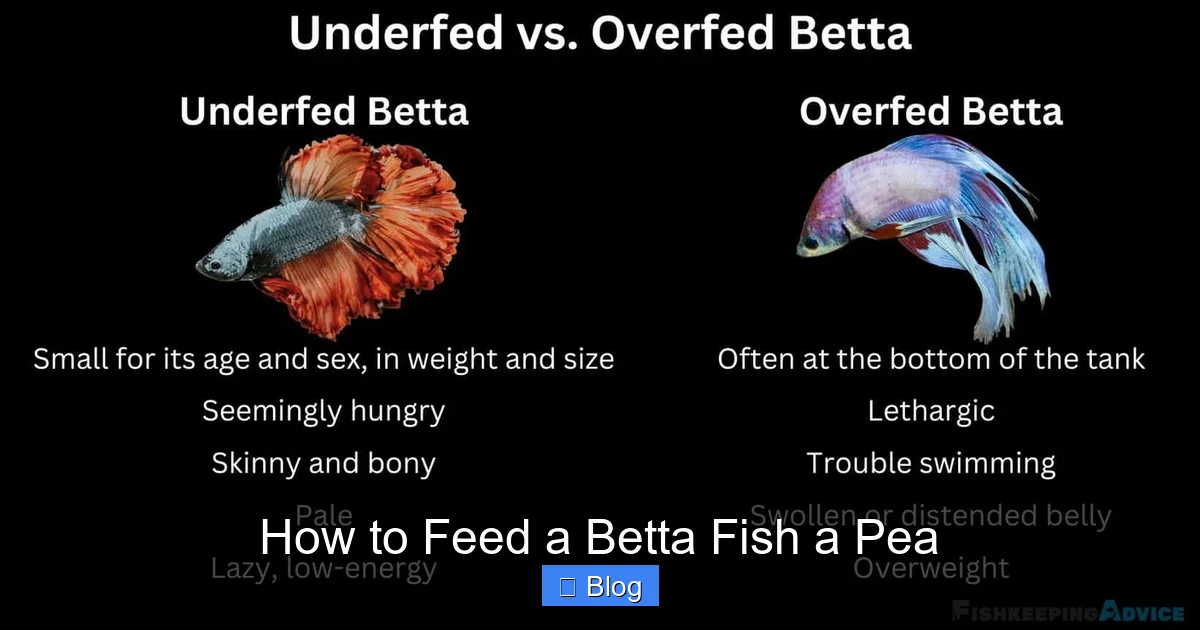
When we feed our bettas high-protein foods like pellets, brine shrimp, or bloodworms, we’re doing right by their carnivorous instincts. But overfeeding, feeding low-quality foods with fillers, or simply a bout of stress can slow things down. The result? Constipation. A backed-up digestive tract can press against the swim bladder—the organ that helps them float upright—causing swim bladder disorder. This is why your betta might be swimming upside down, sinking, or struggling to maintain depth. It’s often not a disease of the bladder itself, but a symptom of poor digestion.
Other Culprits of Bloatedness
It’s crucial to rule out other issues. Dropsy (a bacterial infection causing severe bloating and pineconing scales) is deadly and requires veterinary intervention. Internal parasites are another possibility. A pea is a remedy for simple dietary constipation. If your betta has pineconing scales, is lethargic with clamped fins, or shows other signs of systemic illness, skip the pea and consult a vet immediately. The pea trick is for the “I ate too much premium bloodworms and now I’m a floaty betta” scenario.
The Magic of the Pea: Why This Simple Veggie Works Wonders
So why a pea? It all comes down to fiber and water content. Green peas are an excellent source of soluble fiber. This type of fiber absorbs water in the gut, softening the stool and adding bulk, which stimulates the intestines to move things along. Think of it as a gentle, natural laxative. Furthermore, the high water content in a cooked pea provides much-needed hydration, which is key to resolving constipation.
Visual guide about How to Feed a Betta Fish a Pea
Image source: fishkeepingadvice.com
Fiber: The Digestive Broom
Your betta’s system needs a sweep. The fiber in the pea acts like a broom, gently sweeping through the compacted food matter and encouraging a bowel movement. Once that pressure is relieved from the swim bladder, your betta’s buoyancy and appetite should return to normal. It’s a non-invasive, low-cost first step that addresses the most common cause of swim bladder issues.
Why Not Other Veggies?
You might wonder why we don’t use other vegetables. Peas are ideal because they are soft when cooked, easy to portion into a betta-sized morsel, and have the perfect balance of fiber and water. Things like zucchini or cucumber can work but are often more cumbersome to prepare to the right size and texture. The green pea is the gold standard for a reason—it’s simple and effective.
Step-by-Step Guide: How to Prepare and Feed a Pea to Your Betta
Alright, the moment you’ve been waiting for. Here is the exact, foolproof method. Skipping steps or taking shortcuts can render the treatment useless or even harmful.
Visual guide about How to Feed a Betta Fish a Pea
Image source: img.thepets.net
Step 1: Choose and Prep Your Pea
Grab a single green pea from your freezer or fridge. Use only a plain, green pea. No canned peas (they have sodium and preservatives), no salted peas, no sweet peas. Organic is a great choice to avoid any pesticide residue. If using frozen, thaw it completely.
Step 2: The Cooking Process
Place the pea in a small cup of water. Microwave it for about 20-30 seconds or boil it for 2-3 minutes. You want it to be soft but not mushy. You should be able to easily pierce it with a toothpick. This softens the fiber and makes it digestible. Let it cool to room temperature. Never feed a hot pea!
Step 3: The Critical Peeling Step
Once cooled, gently pinch the pea between your fingers. The outer skin should slip off easily. This is the most important step. The skin is tough and indigestible for a betta and can cause further blockage if eaten. You should be left with a soft, bright green interior.
Step 4: Portioning Perfectly
Take the peeled pea and cut it in half lengthwise. Then, take one of those halves and cut it into three tiny pieces. A betta’s stomach is smaller than its eye. You are aiming for a piece no bigger than the size of his eye or a tiny bloodworm. One of these tiny pieces is the full serving. The rest can be stored in the fridge for 24 hours for a second dose if needed.
Step 5: The Feeding Ritual
With tweezers or a toothpick, gently dangle the tiny pea piece in front of your betta. He might be hesitant at first. You can lightly touch it to his mouth or let it sink slowly to the bottom. Most bettas will investigate and take it within a few minutes. Remove any uneaten portion after 10-15 minutes. Leaving it to decay will foul your water.
Step 6: The Fast and Follow-Up
Do not feed your betta his regular food for 24-48 hours before and after the pea treatment. This ensures his system is clear and can focus on the fiber. After the pea, you can resume his normal high-quality pellet diet. If he is still constipated after 24 hours, you can offer a second tiny pea piece, then fast again for another 24 hours.
What to Expect and How to Monitor Progress
Now you wait. This is the hardest part for us anxious betta parents. Here’s a timeline of what’s normal.
The First Few Hours
Your betta might ignore the pea at first. That’s okay. He might also seem more lethargic as his system starts working. This is normal. Do not intervene. Ensure water quality is pristine (do a 25% water change before starting the treatment).
The 12-24 Hour Mark
This is the magic window. You should see a significant improvement in buoyancy. He should be swimming more upright, perhaps even exploring again. You might also, and I’m sorry to be graphic, but you might see the proof at the bottom of the tank—a small, stringy, brownish-green fecal matter. This is the goal! It means the pea did its job. Once you see this, his swim bladder pressure is likely relieved.
After 48 Hours
If your betta is active, eating normally (when you resume feeding), and swimming properly, the treatment was a success. Resume his regular diet with a slightly reduced portion for a day or two. If there is no improvement in swimming or behavior after 48 hours, the issue is likely not simple constipation. It’s time to consider other diagnoses and seek help from a vet experienced with fish.
Long-Term Prevention: Keeping Your Betta’s System Happy
An ounce of prevention is worth a pound of peas. The goal is to never need this treatment again.
Feed a High-Quality, Varied Diet
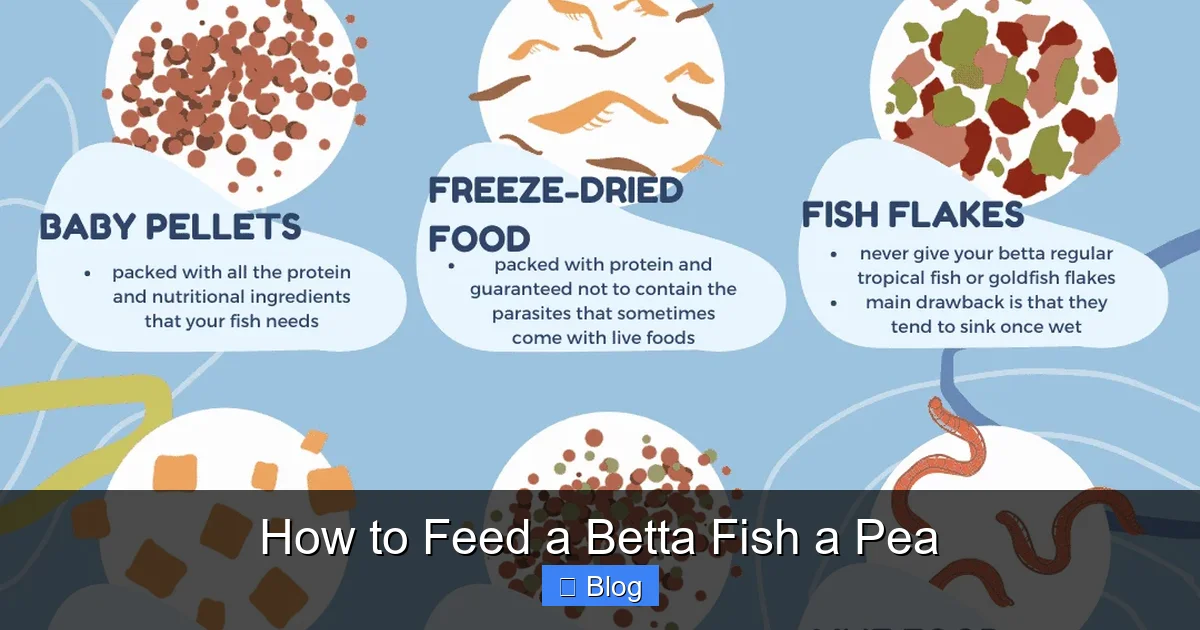
Choose a premium betta pellet as your staple. Look for ingredients where whole fish or shrimp are the first few items, not fish meal or fillers like wheat or soy. Supplement this diet 2-3 times a week with high-quality, fiber-rich foods. Think: daphnia (great for digestion!), frozen mysis shrimp, or a tiny bit of cooked, skinned zucchini. This variety mimics their natural diet and provides different nutrients.
Master the Art of Portion Control
Overfeeding is the #1 cause of betta constipation and poor water quality. A betta’s stomach is the size of his eyeball. Feed him no more than 2-3 pellets per day (or the equivalent in frozen foods). It’s better to underfeed slightly than overfeed. A healthy betta will have a slightly rounded belly after eating, which should flatten by the next day.
Common Mistakes and Myths: Debunking Pea Protocol Pitfalls
Even with good intentions, it’s easy to mess this up. Let’s clear up the confusion.
| Mistake | Why It’s Wrong | The Right Way |
|---|---|---|
| Using a canned pea | Contains high sodium and preservatives toxic to fish. | Always use a plain, fresh or frozen green pea. |
| Skipping the peel | The tough skin is indigestible and can worsen the blockage. | Always peel the cooked pea completely. |
| Feeding a whole pea or large piece | Too much bulk at once can shock the system and is wasteful. | Cut a peeled pea half into 3 tiny pieces; one piece is the full dose. |
| Not fasting before/after | Regular food competes with the pea’s fiber, reducing effectiveness. | Fast for 24-48 hours before and after the pea treatment. |
| Using the pea as a regular food | Bettas need protein; too much plant matter is unhealthy long-term. | The pea is a medicinal treatment, not a dietary staple. |
Conclusion: A Simple Tool for a Healthy, Happy Betta
Feeding a betta fish a pea isn’t a quirky hack; it’s a responsible, science-backed tool for every betta owner’s toolkit. It addresses the most common digestive issue these little guys face due to their carnivorous design and our often well-meaning but excessive feeding habits. By understanding the cause—constipation—and executing the simple, precise steps of choosing, cooking, peeling, portioning, and fasting correctly, you empower yourself to solve a potentially scary problem quickly and gently.
Remember Bloo? That little pea was a turning point. It taught me to look at his diet critically, to respect the size of his stomach, and to appreciate the power of simple, natural solutions. Your betta can’t tell you his tummy hurts, but he shows you with his floaty, listless behavior. Now you know how to listen and how to help. Keep that pea in your freezer, know the steps by heart, and share this knowledge with your fellow betta enthusiasts. Here’s to clear water, upright swimmers, and fins that flare with health and happiness.
Frequently Asked Questions
Why should I feed my betta fish a pea?
Feeding a blanched pea is a common home remedy to relieve constipation in bettas, which can cause bloating and swim bladder issues. The fiber in the pea acts as a gentle laxative to help get their digestive system moving again.
How do I properly prepare a pea for my betta fish?
Start by removing the pea from its pod and blanching it in boiling water for 1-2 minutes. Then, plunge it into cold water, carefully peel off the soft outer skin, and mash or cut a tiny piece (no larger than the betta’s eye) for feeding.
How often can I feed my betta a pea for constipation?
A pea should only be used as an occasional treatment, typically once or twice a week at most, until the constipation clears. It is not a nutritional staple and should not replace their regular, high-quality betta pellets.
What should I do if my betta fish won’t eat the pea?
Some bettas are picky and may refuse the pea. You can try gently attaching the tiny piece to a toothpick or waving it near them. If they consistently refuse, consult a vet as the issue may be more serious than simple constipation.
Can I use frozen peas to feed my betta fish?
Yes, frozen peas are actually preferred as they are often fresher. You should still thaw, blanch, and peel the frozen pea before offering a microscopic piece to your betta. Never feed a frozen pea directly.
Are there alternatives to feeding a betta a pea for constipation?
Yes, other high-fiber options include a small piece of cooked, de-shelled daphnia or a commercial “fasting” or “constipation” gel food. Always research and introduce any new food very gradually to avoid further digestive upset.