How to Change Water for Betta Fish in a Bowl

Changing the water in your betta’s bowl is the single most important task for its health and longevity. Unlike a filtered tank, a bowl’s water quality can deteriorate rapidly, leading to stress and disease. The key is performing regular, partial water changes (25-50%) with properly conditioned water at the same temperature. Never do a 100% change, as it removes beneficial bacteria and shocks your fish. This guide provides the exact, gentle steps to keep your betta thriving in its bowl environment.
Key Takeaways
- Partial Changes are Paramount: Always replace only 25-50% of the old water in the bowl. A full 100% water change destroys the nitrogen cycle and severely stresses your betta.
- Water Conditioner is Non-Negotiable: Tap water contains chlorine and heavy metals toxic to bettas. You must use a reliable water conditioner/dechlorinator on *all* new water before it touches your fish.
- Temperature Matching is Critical: The new water must be within 1-2°F (0.5-1°C) of the old water in the bowl. Use a thermometer to avoid thermal shock, which can be fatal.
- Gentle Introduction is Key: Slowly add the new, conditioned water over 15-30 minutes using a cup or a slow pour. Never dump it in, as the current and temperature change will panic your betta.
- Clean Décor, Not Everything: Never use soap, detergents, or harsh scrubbing on the bowl, gravel, or decorations. These items hold beneficial bacteria. A quick rinse in the old tank water is sufficient.
- Frequency Depends on Bowl Size: For a small bowl (under 2 gallons), change 25% of the water every 2-3 days. For a larger bowl (2-3 gallons), 30-50% weekly is usually sufficient. Never go more than a week without a change.
- Observe Your Fish: Your betta’s behavior is your best guide. Lethargy, faded colors, clamped fins, or gasping at the surface are red flags that water quality needs immediate attention.
📑 Table of Contents
- Why Changing Water in a Betta Bowl Isn’t Optional—It’s Essential
- Step-by-Step: The Gentle Art of the Partial Water Change
- Essential Tools: What You Really Need (and What You Don’t)
- Recognizing Water Quality Emergencies: Signs Your Change is Overdue
- Beyond the Change: Creating a Healthier Bowl Environment
- Conclusion: A Labor of Love, Not a Chore
Why Changing Water in a Betta Bowl Isn’t Optional—It’s Essential
Let’s be honest for a moment. That beautiful betta fish, with its flowing fins and vibrant colors, is living in a small, closed ecosystem—a bowl. Unlike a large, filtered aquarium, a bowl has no mechanical or biological filtration to speak of. Its entire world is the water you put in it. Every day, your betta breathes, eats, and excretes into that same finite volume of water. Waste products like ammonia build up quickly, along with nitrites and nitrates. These toxins, invisible to the naked eye, are a slow-acting poison. They burn your betta’s gills, damage its fins, suppress its immune system, and drastically shorten its lifespan. A proper, regular water change is not just “maintenance”; it is the primary act of care that replicates the natural flow and dilution of a river or stream. It removes these toxins, replenishes essential minerals and oxygen, and provides a stable, clean environment where your betta can actually thrive, not just survive. Skipping water changes is the fastest route to a sick, miserable, and short-lived fish.
The Myth of the “Low-Maintenance” Bowl
Many people are sold the idea that a betta in a bowl is a “set-it-and-forget-it” pet. This is a dangerous and persistent myth. Bettas are incredibly hardy *for a fish*, but they are not invincible. They originate from the shallow, warm, slow-moving waters of Thailand’s rice paddies and floodplains. While these habitats are small, they are part of a vast, interconnected ecosystem with constant water movement, plant absorption of wastes, and rainfall dilution—a natural water change. A static bowl on your desk has none of this. It is a concentrated soup of your betta’s own waste. The “low-maintenance” label applies to the *hardware* (no heater, no filter), not to the *care regimen*. In fact, the care required is more diligent because you are manually performing the job a filter would do. Understanding this shift in mindset—from viewing the bowl as a decorative object to viewing it as a living, breathing micro-ecosystem you must steward—is the first and most crucial step to becoming a successful betta keeper.
Step-by-Step: The Gentle Art of the Partial Water Change
Now, let’s get to the hands-on process. The goal is to make this as stress-free as possible for both you and your betta. We will focus on a 30% water change, which is an excellent, safe standard for most bowl setups. Gather your tools first: a clean cup or small bucket dedicated solely to this task, a water conditioner (like Seachem Prime or API Stress Coat+), an aquarium thermometer, and possibly a small gravel vacuum or a flexible tubing siphon if your bowl has substrate.
Visual guide about How to Change Water for Betta Fish in a Bowl
Image source: i.ytimg.com
Step 1: Preparation – The Golden Rule of Temperature
This is the most critical step to prevent shock. You must treat the new water before it goes anywhere near the bowl. Fill your clean cup or bucket with the amount of water you plan to replace (e.g., for a 1-gallon bowl changing 30%, you’ll need about 12 ounces or 355 ml of fresh tap water). Immediately add the correct dosage of water conditioner as directed on the bottle. Swirl it gently. Now, you must match the temperature. Place your thermometer in the new water and let it sit for a minute. Then, check the temperature of the water currently in your betta’s bowl. The goal is to get them within 1-2 degrees Fahrenheit (0.5-1°C). If the new water is too cold, you can let it sit to acclimate to room temperature, or very carefully mix in a small amount of the old tank water to warm it. If it’s too warm, add a little more cold tap water. Patience here prevents a potentially fatal shock.
Step 2: Removing the Old Water – Be a Smooth Operator
Now, gently remove the old water from the bowl. Do not chase your betta or cause a frantic splash. The best method is to use a cup. Slowly lower the cup into the bowl, ideally on the opposite side from where your betta is resting. Scoop out the old water. If you have gravel, you can gently stir it with your fingers or a clean tool to release any trapped debris *before* scooping, allowing the cloudy waste to settle for a minute before removing the water. If you have a small gravel vacuum, you can use it to siphon debris from the substrate as you remove water. Aim to remove the targeted percentage (e.g., 30%) without taking more. Try to avoid removing your betta from the water if possible. The less you handle the fish, the less stressed it will be. If you must move it, use a soft, clean net or better yet, a small cup to gently corral and transfer it to a clean, temperature-matched holding container with some of the old bowl water.
Step 3: Inspect and Clean (Without Soap!)
With the water level lowered, you have a perfect opportunity to do a quick visual inspection and clean. Check the glass for algae. A clean algae pad or even a clean finger can wipe it off. Look at the decorations and the gravel. If there is visible gunk, rinse it thoroughly in the *old water you just removed* or in the new conditioned water. Never, under any circumstances, use soap, dish detergent, or household cleaners. These leave a toxic residue that will kill your fish. The “old water” rinse is perfect because it retains the beneficial bacteria that live on surfaces. If your bowl has live plants, you can gently rinse their leaves in the old tank water to remove any decaying bits. This step should take no more than 60-90 seconds. Your goal is a quick tidy-up, not a deep scrub that strips the ecosystem.
Step 4: Adding the New Water – The Slow Pour
This is the moment of truth. Take your cup of conditioned, temperature-matched new water. Do not dump it from a height. Instead, place your hand flat on the surface of the remaining water in the bowl. Slowly pour the new water onto the back of your hand. This breaks the force of the water stream, preventing a current that will knock your betta around and cause panic. Alternatively, you can use a clean spoon to trickle the water in slowly, or pour it very gently down the side of the bowl against the glass. The entire addition should take at least 1-2 minutes for a partial change. As you add water, the level will rise. Watch your betta. If it darts around, pause for a moment. The slower, the better. Once the desired water level is reached (do not overfill), stop. Let the water settle for a minute.
Step 5: The Final Check and Return
If you moved your betta to a holding cup, now is the time to return it. Gently lower the cup into the bowl and let your betta swim out on its own. Do not pour it. Once your betta is back in its refreshed home, take a final look. Is the water clear? Are there no bubbles from conditioner overdose (a few are normal)? Is your betta swimming normally? If you notice any immediate distress, double-check your water temperatures. It’s also a good practice to keep the lights off for an hour or two after the change to let your betta adjust in a calm, low-stress environment. Then, resume your normal feeding schedule a few hours later, as a full digestive system adds to the bioload.
Essential Tools: What You Really Need (and What You Don’t)
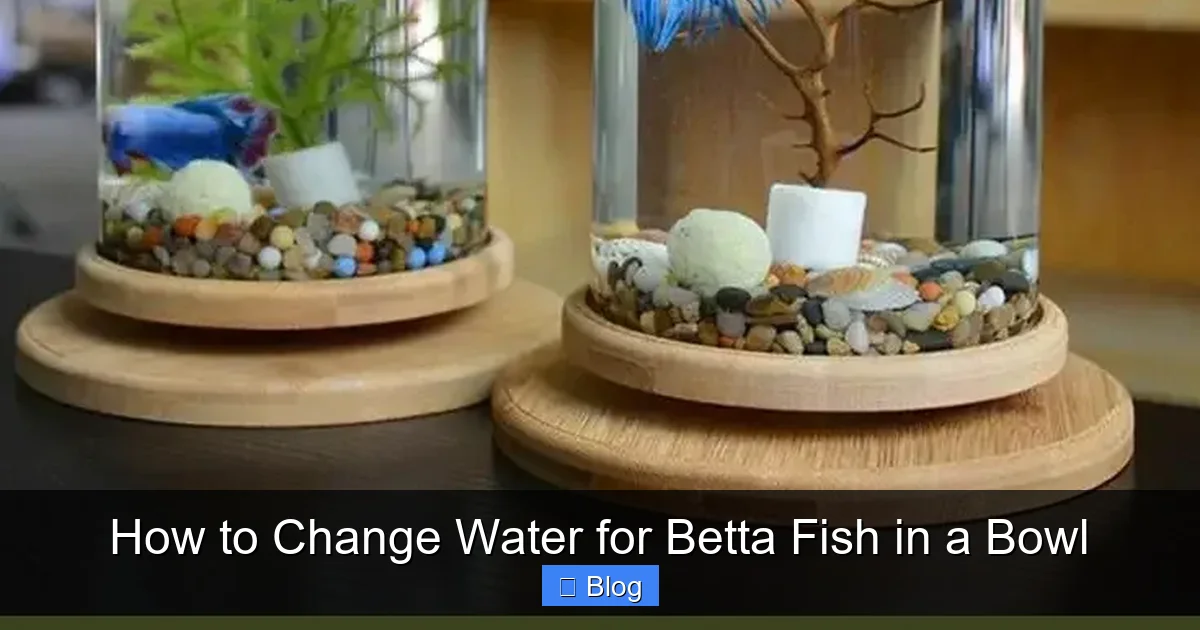
You don’t need a fancy, expensive setup to perform a proper water change. However, having the right basic tools makes the job 100 times easier, cleaner, and more effective. Let’s separate the must-haves from the nice-to-haves.
Visual guide about How to Change Water for Betta Fish in a Bowl
Image source: bettafishworld.com
The Non-Negotiable Trinity
There are three items you absolutely cannot skip. First, a water conditioner/dechlorinator. This is your single most important chemical. It neutralizes chlorine, chloramines, and heavy metals instantly. Brands like Seachem Prime are concentrated and also help detoxify ammonia for 24-48 hours, which is a bonus. Second, a clean, dedicated bucket or large pitcher. This must be used only for your betta’s water. Never use a bucket that has held cleaning chemicals, even if you think you rinsed it. A 1-gallon plastic pitcher is perfect for small bowl changes. Third, a simple glass or digital aquarium thermometer. Guessing temperature is a recipe for disaster. A cheap stick-on thermometer works, but a digital one is more accurate and easier to read.
Highly Recommended Helpers
Next, consider a small gravel vacuum/siphon. These are inexpensive (under $10) and consist of a plastic tube with a bulb or squeeze chamber. They allow you to remove dirty water from the substrate while sucking out solid waste (decayed food, feces) that settles in the gravel. This deep cleans the bowl’s floor much more effectively than just scooping water from the top. If your bowl has no substrate (just glass), this is less critical. A clean algae scrubber or pad is also useful for keeping the glass clear. Get one designated for aquarium use only. Finally, a small, soft net can be helpful if you need to move your betta, though a cup is often less stressful.
What to Avoid
Do not buy into “bowl-specific” kits that include nets, bowls, and often a tiny, ineffective filter that doesn’t belong in a static bowl. They are usually gimmicks. Also, avoid any product that claims to “eliminate water changes.” There is no magic pill. Chemical additives that clarify water or absorb ammonia are temporary fixes that mask the real problem: too many toxins in too small a space. They are not a substitute for dilution via water changes. Your focus should be on the physical process of removing dirty water and replacing it with clean, not on adding more chemicals to the same dirty water.
Recognizing Water Quality Emergencies: Signs Your Change is Overdue
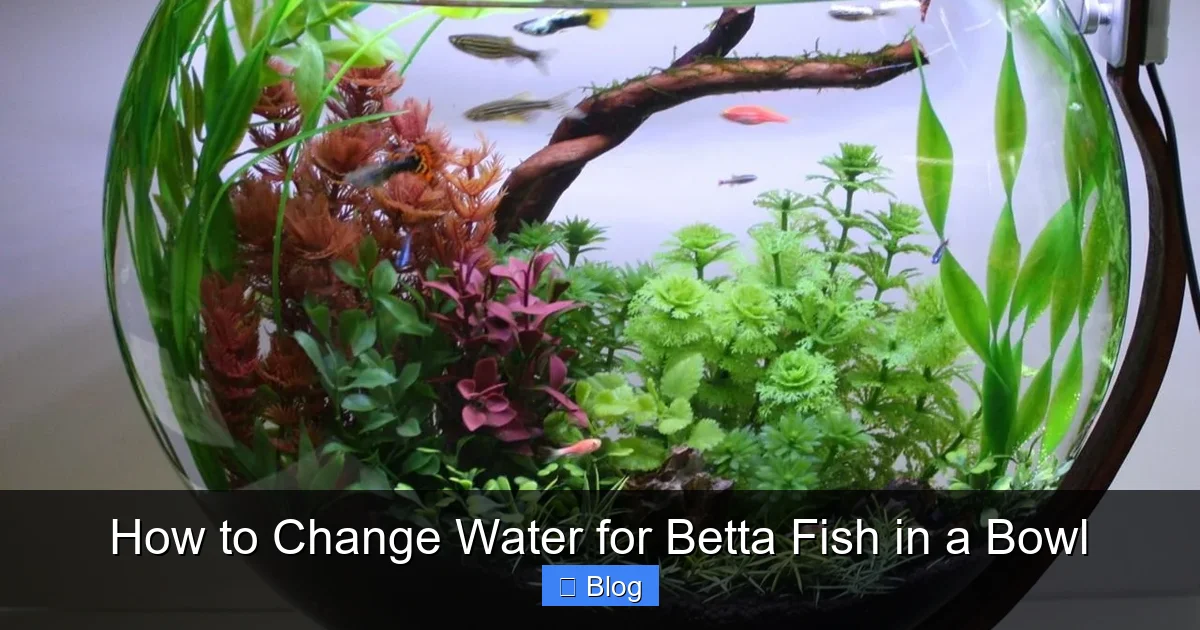
Sometimes, you might miss a scheduled change, or the bowl’s ecosystem might be struggling. Your betta cannot speak, but it will tell you everything is wrong through its behavior and appearance. Learning to read these signs is a vital skill that can save your fish’s life.
Visual guide about How to Change Water for Betta Fish in a Bowl
Image source: i.pinimg.com
Behavioral Red Flags
The most common and earliest signs are behavioral. A healthy betta is curious, active, and flares at its reflection or your finger. A stressed or sick betta becomes lethargic, spending all day at the bottom of the bowl, often propped up against the glass or a decoration. It may lose its appetite, swimming listlessly past food. You might see it gasping at the surface, frantically taking gulps of air. Bettas have a labyrinth organ and can breathe air, but constant surface breathing means the water is so oxygen-poor or toxic that it’s struggling to get enough air. Another sign is hiding constantly and being easily startled. If your normally confident betta is cowering in a corner, water quality is the first suspect.
Physical Warning Signs
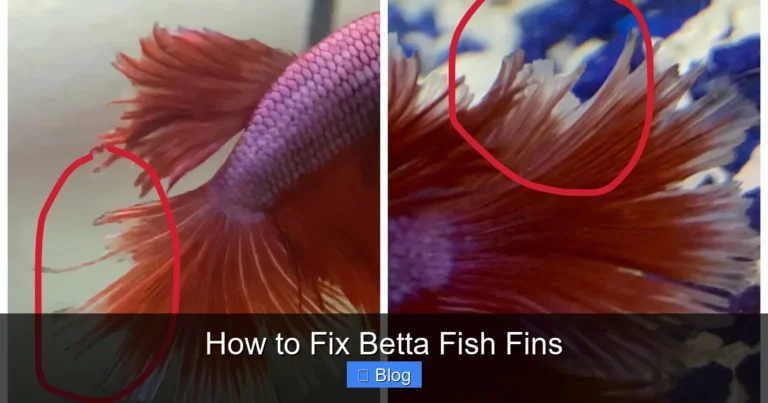
Changes in appearance follow behavioral changes. Look for faded or dull colors. A vibrant red or blue betta may turn a washed-out pink or gray. Clamped fins—where the fins are held tightly against the body instead of being gracefully spread—is a classic sign of stress or illness. Fin rot can begin with a tiny white tip or a frayed edge on a fin, which then progresses to a black or red, decaying margin. This is often directly linked to poor water quality. You might also see excessive slime coat production, where the fish looks like it’s coated in a thin, milky layer. This is a protective response to irritants in the water. Finally, watch for raised scales (pineconing), which is a sign of dropsy, a severe and often fatal symptom of organ failure usually caused by long-term poor conditions. If you see any of these, the immediate priority is a 50% water change with perfectly conditioned water to give your betta a fighting chance.
Beyond the Change: Creating a Healthier Bowl Environment
While the water change is the core of maintenance, you can reduce the frequency needed and improve your betta’s overall well-being by optimizing its bowl setup. Think of it as making the job easier for yourself and the life better for your fish.
The Power of Live Plants (Even Just One)
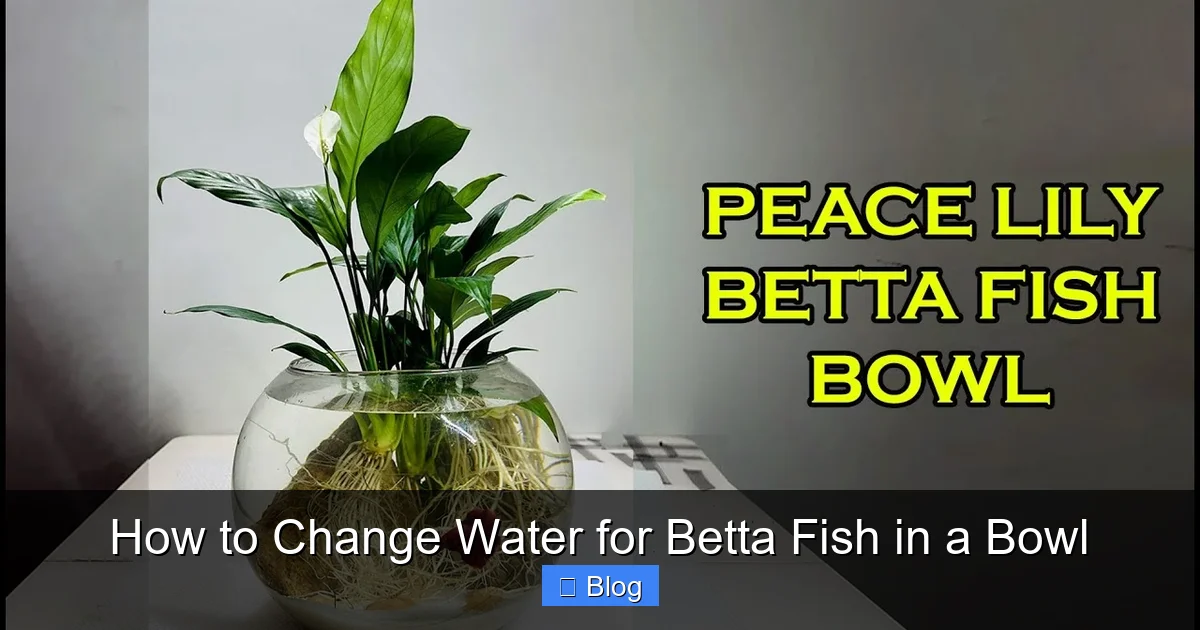
A single, hardy live plant like a Marimo moss ball, a Java fern, or an Anubias attached to a rock does wonders. Plants absorb ammonia, nitrates, and phosphates as nutrients. They also produce oxygen during the day and provide natural hiding places and enrichment for your betta, which will often rest on broad leaves. A Marimo moss ball is arguably the easiest “plant” for a bowl—it’s a clump of solid algae that you simply roll gently once a week to maintain its shape and it helps absorb nitrates. Even a floating plant like a duckweed fragment can help, though it may need occasional thinning. This natural filtration supplement means your water parameters will change more slowly between manual changes.
Feeding: Less is Always More
The #1 cause of poor water quality in a small bowl is overfeeding. A betta’s stomach is roughly the size of its eye. A proper meal is 2-3 high-quality pellets or a few brine shrimp, once a day. Any food not eaten within 2-3 minutes will sink, decay, and produce ammonia. It’s better to underfeed than overfeed. Consider implementing a “fasting day” once a week where you feed nothing. This gives the digestive system a rest and reduces bioload. Use a feeding ring if you have a current to keep food from floating away. The less waste you put in, the slower the water fouls, and the less often you need to change it.
Temperature Stability: The Heater Question
This is controversial for bowls, but from a health standpoint, it’s critical. Bettas are tropical fish requiring a consistent temperature of 78-80°F (25.5-26.5°C). If your room temperature dips below 72°F (22°C) regularly, your betta’s metabolism slows, its immune system weakens, and it becomes susceptible to diseases like velvet. A small, fully-submersible aquarium heater (3-5 watts for a 1-2 gallon bowl) can be used if and only if you have a thermometer to monitor the temperature constantly. A heater without a thermometer is dangerous. The ideal is a stable room temperature in the mid-70s. If you use a heater, perform water changes with water that is already at the correct temperature—never add cold water to a heated bowl, as the heater can overheat trying to compensate.
Conclusion: A Labor of Love, Not a Chore
Changing the water in your betta’s bowl is more than a routine task; it’s a direct, tangible expression of care for a creature entirely dependent on you. It connects you to the natural cycles of life—the inflow of fresh, clean water and the outflow of waste. By performing these gentle, regular changes with attention to temperature and conditioning, you are not just maintaining a container of water. You are curating a healthy home. You are preventing silent suffering. You are giving your betta the stable, clean environment it needs to display its full personality: the curious flares, the lazy naps on a leaf, the vibrant, shimmering colors that make it such a captivating pet. A well-maintained bowl, with a properly changed water schedule, can be a beautiful, serene habitat where your betta lives a full, happy life of 3, 4, or even 5 years. Start your water change routine today, observe the positive effects, and enjoy the rewarding peace of knowing you are providing the best possible life for your aquatic companion.
Frequently Asked Questions
Can I change 100% of the water in my betta’s bowl at once?
No, a full 100% water change is extremely stressful and dangerous for your betta. It removes all beneficial bacteria that help process toxins and causes drastic shifts in water chemistry and temperature, leading to shock. Always perform partial changes of 25-50%.
Is tap water safe for my betta bowl?
Tap water is safe only after it has been treated with a water conditioner/dechlorinator. Untreated tap water contains chlorine and/or chloramines, which are lethal to fish. The conditioner neutralizes these instantly, making the water safe.
How do I clean the gravel or decorations in the bowl?
During a water change, rinse gravel and decorations in the old tank water you just removed. Swirl them around to dislodge debris. Never use soap, detergent, or hot water. These kill beneficial bacteria. A quick rinse in the old water is sufficient to remove visible gunk.
My betta hides a lot after a water change. Is this normal?
Yes, some temporary hiding is normal. The change in water flow and environment can be unsettling. Ensure the water temperature was matched correctly. Your betta should resume normal activity within an hour or two. If hiding persists for more than 24 hours, re-check your water parameters and temperature.
Do I need a filter for my betta bowl?
A filter is not recommended for a traditional, small betta bowl. The gentle water flow from most filters can stress a betta’s long fins, and the bowl’s small volume can’t handle the filter’s mechanical load without frequent maintenance. The most reliable method for a bowl is manual, partial water changes.
What’s the best time of day to change the water?
The best time is during your betta’s normal active period, usually morning or early afternoon. This gives it time to adjust and become active again before resting. Avoid changing water late at night right before the lights go out, as the stress combined with darkness can be problematic.