How to Cure Betta Fish Depression
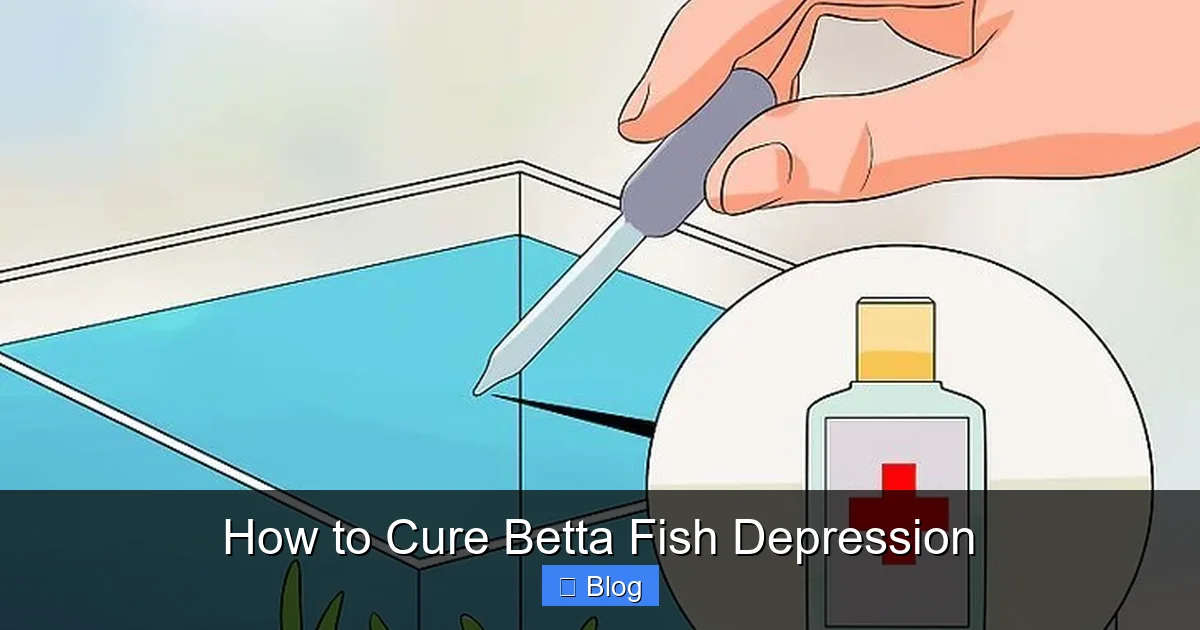
Betta fish depression is often a sign of poor tank conditions, not a human-like mood disorder. It’s primarily cured by addressing the root causes: inadequate water quality, a boring or stressful environment, poor nutrition, or underlying illness. By optimizing your betta’s habitat with clean water, proper heating, stimulating decor, and a balanced diet, you can reliably restore their vibrant spirit and energy. Consistent, attentive care is the ultimate cure.
You got your betta fish for their stunning colors and feisty personality. But lately, your once-vibrant companion seems… listless. They just float at the top, sometimes leaning against the glass, their fins clamped tight. Their appetite is gone. It’s heartbreaking. You’ve probably heard the term “betta fish depression” floating around online. Let’s be clear: fish don’t get depressed in the complex, clinical sense humans do. But they absolutely suffer from chronic stress, poor welfare, and a life devoid of stimulation, which manifests in what we call “depressed” behavior. The fantastic news? This is almost always fixable. You are the architect of your betta’s world, and with a few key changes, you can be the reason they flare, explore, and shine again. This guide will walk you through every step to diagnose and cure your betta’s malaise.
Key Takeaways
- Depression in bettas is a symptom, not a disease: It signals that one or more of their fundamental needs—clean water, proper temperature, mental stimulation, or health—are not being met.
- Water quality is the #1 priority: Ammonia, nitrite, and unstable parameters are the most common culprits. Regular testing and water changes are non-negotiable.
- A barren tank causes chronic stress: Bettas are intelligent fish that need hiding spots, plants (real or silk), and visual barriers to feel secure and explore.
- Diet directly impacts mood and color: A poor diet leads to lethargy and faded colors. High-quality pellets, frozen foods, and occasional fasts are essential.
- Enrichment combats boredom: Simple additions like a floating log, ping pong ball, or mirror sessions provide crucial mental exercise.
- Rule out illness first: Lethargy and clamped fins are symptoms of both depression and diseases like velvet or swim bladder issues. Observe closely.
- Patience and consistency are key: Improvements won’t happen overnight. Stick to a strict maintenance and care routine for several weeks to see results.
📑 Table of Contents
- Understanding “Depression” in Your Betta Fish
- H2: The Foundation: Mastering Water Quality & Parameters
- H2: Building the Perfect Betta Palace: Habitat & Enrichment
- H2: Nutrition: Feeding for Vibrancy and Vitality
- H2: Mental Stimulation & Interaction: Curing Boredom
- H2: Health Check: When “Depression” is Actually Disease
- H2: Patience, Observation, and the Road to Recovery
Understanding “Depression” in Your Betta Fish
Before we fix anything, we must understand what we’re looking at. “Betta fish depression” is a layman’s term for a cluster of behaviors indicating poor health and welfare. It’s your betta’s way of screaming that something is wrong with their environment or body. Recognizing these signs is the first, critical step.
The Tell-Tale Signs of a Sad Betta
You know a happy betta. They’re curious, swimming actively, flaring at their reflection or a new object, and their fins are beautifully spread. A depressed betta does the opposite. Look for:
- Lethargy & Clamped Fins: The most common sign. Instead of patrolling their territory, they hover listlessly, often at the water’s surface or bottom. Their beautiful, flowing fins are held tightly against their body like a sad little umbrella.
- Loss of Appetite: They ignore food, even their favorite treats like daphnia or bloodworms.
- Faded Colors: Stress hormones can cause color loss, making them look pale or washed out. A vibrant betta in a good environment is a colorful betta.
- Hiding Excessively: While bettas do like to rest, constant hiding, especially in the darkest corner, indicates fear or stress.
- No Flaring Response: A healthy betta will often flare ( puff up their gills and spread their fins) at their reflection, a new object, or during a gentle “mirror exercise.” A lack of this response can signal low vitality.
It’s crucial to note that many of these symptoms are also signs of common betta illnesses like velvet, fin rot, or swim bladder disease. Always rule out sickness first by looking for other symptoms like white spots, torn or fuzzy fins, raised scales, or abnormal swimming (like swimming upside down). If you see these, treat the illness before anything else.
The Root Causes: Why Bettas “Depress”
Bettas, or Siamese fighting fish, are incredibly intelligent, surface-dwelling labyrinth fish from the shallow, warm, plant-choked waters of Southeast Asia. They are built for a complex environment. When we strip that away, they suffer. The primary causes of chronic stress are:
- Poor Water Quality: This is the heavyweight champion of betta suffering. Ammonia and nitrite are toxic, even in small amounts. Unstable pH and temperature cause immense stress.
- Inadequate Tank Size & Setup: The infamous “bowl” is a torture chamber. A 5-gallon tank is the absolute bare minimum. A barren tank with nothing to look at or interact with leads to boredom and anxiety.
- Incorrect Temperature: Bettas are tropical fish. They require a consistent temperature between 78-80°F (25.5-26.5°C). Cold water slows their metabolism, making them sluggish and prone to illness.
- Poor Nutrition: Cheap, low-quality pellets fill them up but don’t nourish them. A lack of essential vitamins and proteins leads to poor health and low energy.
- Lack of Mental Stimulation: A fish with nothing to do gets bored. In the wild, they navigate dense plants, hunt insects, and defend territory. A bare tank offers zero enrichment.
- Aggressive or Incompatible Tank Mates: While bettas can sometimes live in community tanks, a constant threat from fin-nippers or overly active fish is a major stressor.
Your job is to play detective and systematically eliminate these potential causes. Start with the most likely culprit: water.
H2: The Foundation: Mastering Water Quality & Parameters
You cannot have a healthy, happy betta without pristine water. It’s that simple. Think of it as the air you breathe. If it’s polluted, you’re going to feel terrible no matter how nice your furniture is. For your betta, clean water is everything.
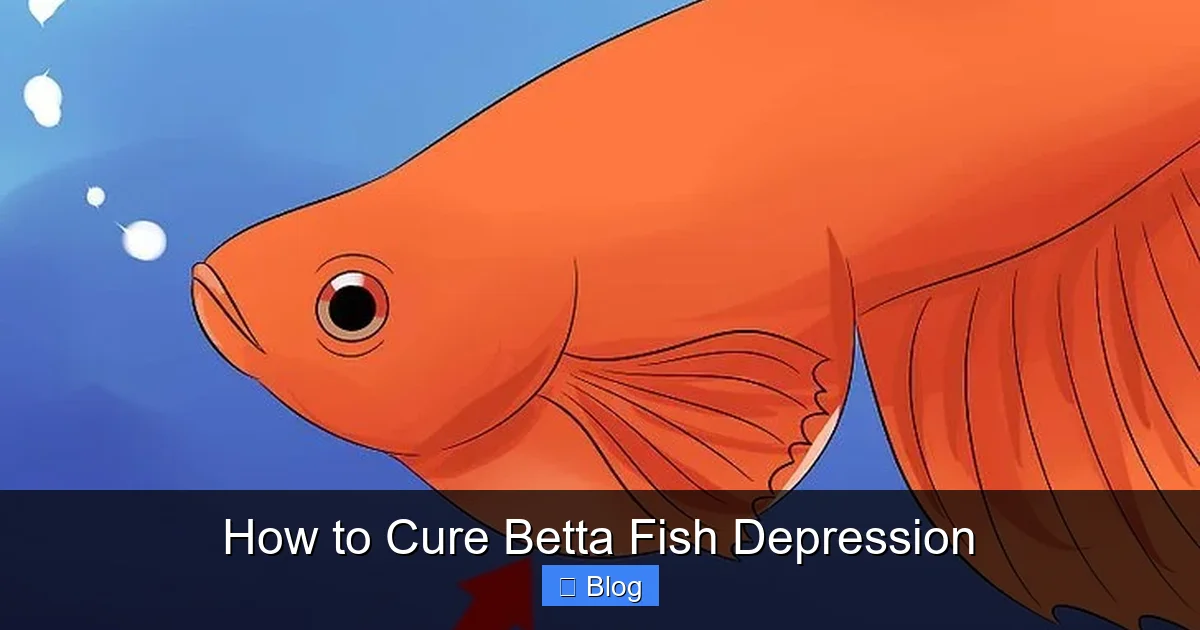
Visual guide about How to Cure Betta Fish Depression
Image source: wikihow.com
Essential Water Parameters for a Thriving Betta
You need a liquid test kit (like the API Freshwater Master Test Kit) and a reliable aquarium thermometer. Don’t guess; test. Here’s what you’re aiming for:
- Ammonia (NH3/NH4+): 0 ppm. Absolutely zero. Ammonia is deadly and burns gills.
- Nitrite (NO2-): 0 ppm. Also deadly, it prevents blood from carrying oxygen.
- Nitrate (NO3-): < 20 ppm. This is the end product of the nitrogen cycle. It’s less toxic but should be kept low through regular water changes.
- pH: 6.5 – 7.5. Bettas are adaptable but prefer slightly acidic to neutral water. Stability is more important than a perfect number.
- Temperature: 78-80°F (25.5-26.5°C). Use a reliable adjustable heater. A 5-watt heater per gallon is a good rule of thumb. Never use a heater without a thermostat control in a small tank.
Practical Tip: Test your tap water first. If it has high ammonia, nitrite, or extreme pH/hardness, you may need to treat it or use a water conditioner that specifically addresses ammonia (like Seachem Prime).
The Sacred Ritual: Proper Water Changes
This is your single most powerful tool. A 25-50% water change once or twice a week is essential for a 5-gallon tank. Here’s the correct way:
- Dechlorinate: Treat all new water with a quality water conditioner (Seachem Prime is the gold standard) before it touches your tank. Chlorine and chloramines will kill your betta.
- Match Temperature: The new water should be within 1-2 degrees of the tank water. A drastic temperature change is a huge shock.
- Gently Siphon: Use a gravel vacuum to suck out debris from the substrate. Don’t disturb the beneficial bacteria on decorations and filter media.
- Slowly Add: Pour the new water slowly back in, perhaps using a cup to diffuse the flow and avoid stressing your fish.
- Never, ever change 100% of the water. This destroys your beneficial bacteria colony and resets your cycle, causing dangerous ammonia spikes.
Stick to this schedule religiously for two weeks. You will likely see a dramatic improvement in your betta’s energy and fin-clamping if water quality was the issue. Make it a non-negotiable part of your weekly routine, like taking out the trash.
H2: Building the Perfect Betta Palace: Habitat & Enrichment
Now that the “air” is clean, let’s furnish the apartment. A betta’s tank is their entire universe. A universe with nothing in it is a depressing, stressful place. Your goal is to create a complex, secure, and interesting landscape.
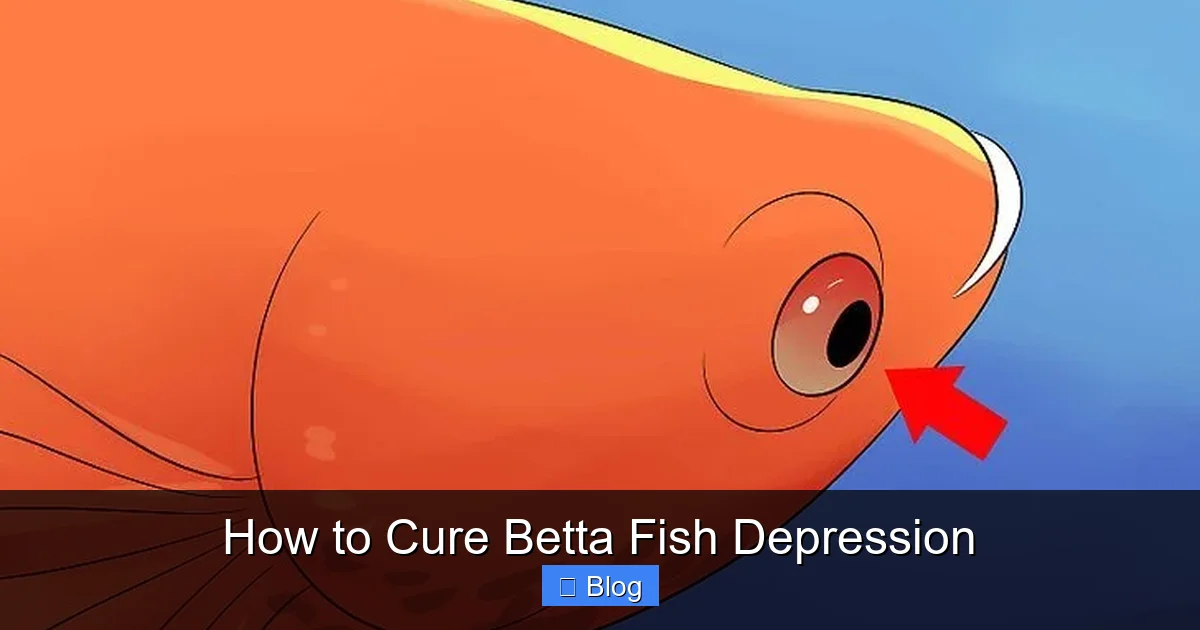
Visual guide about How to Cure Betta Fish Depression
Image source: wikihow.com
Tank Size & The Myth of the Bowl
Let’s kill this myth dead. A bowl is a death sentence. It has no filtration, no stable temperature, and rapidly accumulates toxic waste. The absolute minimum tank size for a betta is 5 gallons (19 liters). A 10-gallon (38 liters) is significantly better and allows for a richer environment and tank mates if you choose. The larger the volume of water, the more stable and forgiving the parameters will be. It gives your betta room to swim, explore, and establish a true territory. This is the first upgrade you must make for a depressed betta.
The Power of Plants, Hiding Spots, and Vertical Space
Bettas come from a world of dense vegetation. They use plants for security, to build bubble nests (males), and to navigate. Replicate that.
- Live Plants are Ideal: They improve water quality, provide incredible texture, and are more natural. Start with easy, hardy plants like Java Fern, Anubias, Amazon Swords, or Marimo Moss Balls. Attach Anubias and Java Fern to driftwood or rocks—don’t bury their rhizomes.
- Silk Plants are a Great Substitute: If you’re not ready for live plants, high-quality silk plants with soft, varied leaves are perfect. Avoid plastic plants with sharp edges that can tear delicate betta fins.
- Create a Jungle: Don’t just put one plant in the corner. Create a dense thicket in the back and sides, leaving an open swimming lane in the front. Use a mix of plant heights and types.
- Provide Multiple Hiding Spots: A betta should have at least two distinct caves or hiding places (ceramic pots, coconut shells, commercial betta logs). This gives them a choice and a sense of security. A stressed betta that feels exposed is a depressed betta.
- Add Vertical Elements: A tall piece of driftwood, a tall plant, or a bubble wall allows your betta to patrol different levels of the water column, which they love to do.
Lighting: Not Too Bright, Not Too Dim
Bettas don’t like harsh, direct light. It’s stressful and can fade their colors. Use a low to moderate light cycle of 8-10 hours a day. If your tank light is too intense, use floating plants (like frogbit or water lettuce) or a floating betta leaf to create dappled shade at the surface where your betta spends most of its time. A consistent day/night cycle is also crucial for their circadian rhythm.
H2: Nutrition: Feeding for Vibrancy and Vitality
You are what you eat, and that goes for bettas too. A diet of solely cheap, grain-based pellets is like a human living on only white bread. Your betta needs a high-protein, varied diet to recover from depression and build a strong immune system.
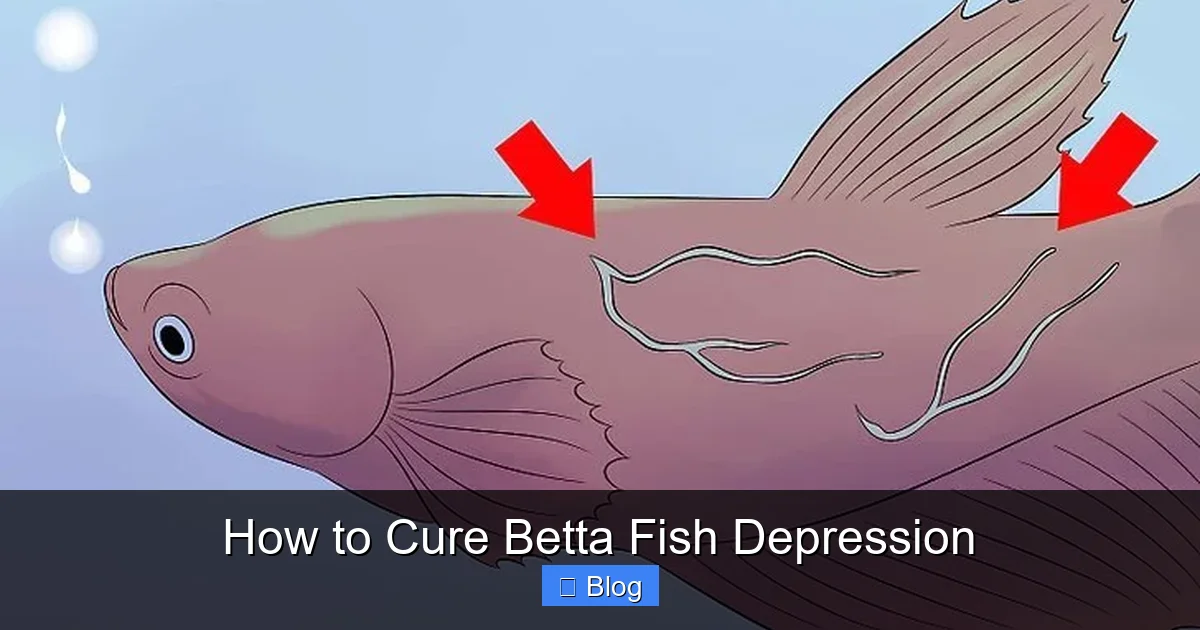
Visual guide about How to Cure Betta Fish Depression
Image source: wikihow.com
Choosing the Right Staple Food
Select a high-quality betta-specific pellet. Look for ones where the first few ingredients are whole fish or seafood (e.g., salmon, krill, shrimp). Avoid pellets with fillers like wheat, soy, or potato starch as the primary ingredients. Feed only what your betta can eat in 2-3 minutes, once or twice a day. Overfeeding is a direct path to poor water quality.
The Importance of Dietary Variety & “Fasting”
In the wild, bettas eat insects and larvae. We need to mimic that.
- Frozen Foods: These are fantastic. Keep a stash of frozen daphnia, brine shrimp, or bloodworms. Thaw a tiny piece in a dish of tank water and offer it as a treat 2-3 times a week. Daphnia is especially good as a natural laxative.
- Freeze-Dried Foods: A convenient alternative to frozen. Soak them in tank water for a few minutes before feeding to prevent digestive issues.
- “Fasting” Day: Once a week, don’t feed your betta. A healthy fish can easily go a day without food. This gives their digestive system a break and is a natural rhythm in the wild. It also helps prevent constipation, a common cause of swim bladder issues and lethargy.
Practical Example: Monday-Wednesday-Friday: High-quality pellets. Tuesday: A tiny piece of thawed frozen daphnia. Thursday: Pellets. Saturday: Pellets. Sunday: FASTING DAY. This simple schedule provides excellent nutrition without overloading the system or polluting the water.
H2: Mental Stimulation & Interaction: Curing Boredom
This is the “fun” part of betta care and a critical component in reversing depression. A smart fish in a stimulating environment is an active, curious fish.
Introducing Toys & Changing the Scenery
Betta toys don’t need to be expensive. They need to be interesting.
- A Floating Betta Log or Leaf: This is a must-have. It gives your betta a place to rest near the surface (where they naturally breathe air) and often a place to build a bubble nest. It’s their favorite chair.
- The Ping Pong Ball: A clean ping pong ball on the water’s surface is a fantastic toy. Your betta will investigate, push it around, and even flare at it. You can gently move it to encourage interaction.
- Rearrange the Furniture: Every 2-4 weeks, do a partial rearrangement of the plants and decorations. This creates a “new” environment for your betta to explore, which provides hours of stimulation as they re-map their territory.
- Mirror Sessions (Use Sparingly): Holding a small mirror up to the tank for 1-2 minutes a day triggers your betta’s natural flaring response. This is great exercise and mental engagement. But limit this to 1-2 minutes max, once a day. Prolonged exposure to their reflection can cause chronic stress as they perceive an intruder that never goes away.
Target Training & Simple Conditioning
Bettas are smart enough to learn. You can teach them to follow your finger or even jump for food (be careful with this—only do it over the tank, not on a table). Start by putting a small amount of food on the tip of a plastic straw or your finger (after washing hands thoroughly!). Gently move it just above the water. Eventually, they’ll associate the object with food and follow it. This provides interaction and mental exercise. It’s not about performing tricks; it’s about engaging with your pet.
H2: Health Check: When “Depression” is Actually Disease
We touched on this, but it bears repeating and expanding. Always, always rule out physical illness. Many diseases present with the exact same symptoms as depression: lethargy, clamped fins, loss of appetite.
Common Diseases That Mimic Depression
- Velvet: A parasitic disease. Look for a fine gold or rust-colored dust on the body, especially in good light. The fish will also scratch against objects (flash). It’s highly contagious and fatal if untreated.
- Swim Bladder Disorder: Causes buoyancy issues—the fish may float upside down, sink, or swim erratically. Often caused by overfeeding, constipation, or bacterial infection.
- Fin Rot: Fins become ragged, torn, and may have white or black edges. Can be bacterial or fungal.
- Internal Parasites: Cause chronic lethargy, bloating, and wasting away despite a good appetite.
The Quarantine & Treatment Protocol
If you suspect disease:
- Isolate: If you have a community tank, move the betta to a separate hospital tank (a clean 2-5 gallon with heater and filter). This prevents spreading disease and allows for easier medication dosages.
- Observe: Under a magnifying glass or good light, look for spots, fuzzy growth, abnormal swimming, or physical injuries.
- Medicate: Have a basic betta first-aid kit. For suspected velvet, use a copper-based medication (follow instructions EXACTLY). For bacterial issues, a broad-spectrum antibiotic like Kanamycin or Tetracycline may be needed. Never mix medications unless the label says it’s safe.
- Supportive Care: During treatment, maintain impeccable water quality in the hospital tank, consider adding aquarium salt (1 tsp per gallon) to reduce stress (unless using medication that says not to), and feed high-quality, easily digestible foods like daphnia.
If you are unsure, consult a vet who specializes in fish (yes, they exist!) or a highly reputable local fish store. Do not randomly dump medications into your main tank.
H2: Patience, Observation, and the Road to Recovery
You’ve tested the water, done the changes, added plants and a log, upgraded the food, and tossed in a ping pong ball. Now what? You wait. And you watch.
The Timeline of Healing
Recovery is not instant. A chronically stressed betta has a weakened immune system and depleted energy reserves.
- Days 1-3: You may see little change. The water change itself can be a mild stressor. Just maintain your routine.
- Week 1-2: This is when you should start to see the first glimmers. The clamped fins might begin to relax slightly. They might show a flicker of interest in food. The first tentative exploration of a new plant.
- Week 3-4: Major improvements. Active swimming returns. Fins are noticeably more open. Color may begin to deepen. The personality starts to peek through again—flaring at you, checking out new things.
- Month 2+: This is a fully recovered, thriving betta. They are a vibrant, interactive centerpiece of your tank.
Do not get discouraged if it takes a month. You are reversing months or years of poor conditions. Consistency is your greatest ally.
Be a Betta Detective: The Daily Observation
Spend 5 minutes each day just watching your betta. Don’t tap the glass. Just observe. Where do they rest? Do they patrol the whole tank? Do they flare when you approach? What’s their reaction to a new plant you added? This daily check-in is your health report card. It tells you if your interventions are working or if you need to adjust something. You’ll learn their normal behavior, and you’ll spot a problem before it becomes a crisis.
Your betta’s “depression” is a direct reflection of the world you’ve built for them. By becoming a thoughtful, attentive, and knowledgeable caretaker, you hold the complete cure. It’s not a pill or a magic potion. It’s clean water, a beautiful home, good food, and a little bit of fun. The reward is watching a once-lifeless fish transform into the majestic, curious, and vibrant creature you were drawn to in the first place. That transformation is the greatest joy of betta ownership.
Frequently Asked Questions
Can betta fish really get depressed?
Not in the clinical human sense, but they absolutely experience chronic stress, anxiety, and poor welfare from unsuitable environments. The behaviors we call “depression”—lethargy, clamped fins, faded colors—are clear signs that their needs are not being met.
How long does it take to cure a depressed betta fish?
With consistent, correct care, you should see initial improvements in 1-2 weeks, with significant recovery in 3-4 weeks. Full restoration of color and vitality can take 1-2 months, depending on how long the poor conditions lasted.
Should I get my betta a friend to cure its depression?
Almost never. Bettas are famously territorial and aggressive, especially males. Adding a tank mate is far more likely to increase stress and cause injury or death. The solution is a better environment for the single betta, not a companion.
My betta is still lethargic after a week of clean water and a new plant. What now?
First, double-check your water parameters with a test kit. Second, perform a close inspection for signs of illness (spots, fuzz, torn fins, abnormal swimming). If you suspect disease, move the betta to a hospital tank and begin treatment. If no illness is found, continue your excellent care—some fish just take longer to adjust.
Is a filter necessary for a betta tank?
Yes, absolutely, in a tank of 5 gallons or more. A gentle filter (like a sponge filter) is crucial for maintaining the nitrogen cycle and water quality. Bettas are not strong swimmers and can be stressed by strong currents, so choose a filter with an adjustable flow or baffle it.
My betta flares at me constantly. Is that a sign of stress or health?
Flaring is a natural, healthy behavior for a betta! It’s exercise and communication. It only becomes a sign of stress if it’s constant, frantic, and directed at a permanent reflection or an aggressive tank mate. A betta that occasionally flares at you or a new object is confident and stimulated.