How to Cure Betta Fish Constipation
Betta fish constipation is common and usually easy to fix. Look for a swollen, pinecone-like abdomen and lack of poop. The first and most important step is a 24-48 hour fast to clear their system. After fasting, offer a high-fiber diet like cooked peas or daphnia. Preventing future issues comes down to a proper, varied diet and optimal water conditions. Most cases resolve quickly at home, but severe or recurring blockage requires a vet.
Key Takeaways
- Fast Your Betta: A 24-48 hour fast is the safest first treatment to clear a constipated digestive tract.
- Fiber is Key: After fasting, feed a single, skinned, cooked pea or daphnia to act as a natural laxative.
- Ditch the Problem Foods: Avoid overfeeding and high-fat foods like bloodworms or brine shrimp as staples.
- Check Water Quality: Poor water conditions stress fish and can contribute to digestive issues; test regularly.
- Warm the Water: Ensure your tank temperature is consistently between 78-80°F (25.5-26.5°C) to aid metabolism.
- Observe, Don’t Panic: A slightly swollen belly is often just a full stomach; true constipation looks like a pinecone.
- Know When to Call a Vet: If there’s no improvement after 72 hours of treatment, or the fish is lethargic and sinking, seek professional help.
📑 Table of Contents
- Understanding Betta Fish Constipation: It’s More Common Than You Think
- How to Identify Constipation vs. Other Issues
- Immediate First-Aid: The 24-48 Hour Fast
- The Fiber Fix: Administering the “Laxative”
- Dietary Prevention: Feeding Your Betta Right, Every Day
- The Tank Environment: Why Water and Temperature Matter
- When Home Treatment Fails: Advanced Steps & Vet Care
- Conclusion: A Healthy Betta is a Happy Betta
Understanding Betta Fish Constipation: It’s More Common Than You Think
You glance at your beautiful betta, and something seems off. That usually sleek, streamlined body looks… puffy. Bloated. Maybe he’s hanging out near the bottom, looking sluggish, or his beautiful fins seem clamped shut. Your mind races. Is it dropsy? A tumor? Swim bladder disease? Before you hit full panic mode, take a deep breath. The most likely culprit for a swollen, pinecone-looking abdomen in a betta fish is something wonderfully mundane: constipation.
Yes, betta fish get constipated. In fact, it’s one of the most common health issues they face, and it’s almost always directly linked to their diet and care. The good news? Unlike many serious betta ailments, constipation is usually straightforward to identify and treat at home. Your fish isn’t necessarily dying; he might just need a good, long fast and a fiber boost. This guide will walk you through every single step, from confident diagnosis to effective treatment and foolproof prevention. We’ll talk like friends, so you feel empowered, not overwhelmed.
How to Identify Constipation vs. Other Issues
Correct diagnosis is everything. Treating for constipation when your fish actually has a severe internal infection or true swim bladder disorder can waste precious time. So, let’s become constipation detectives.
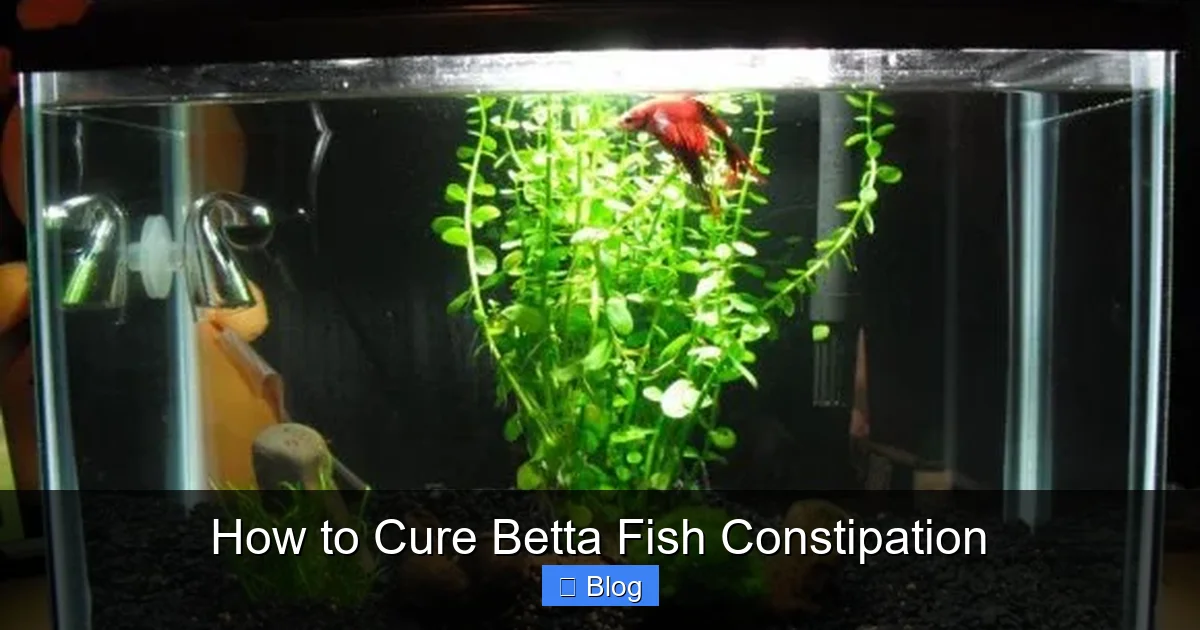
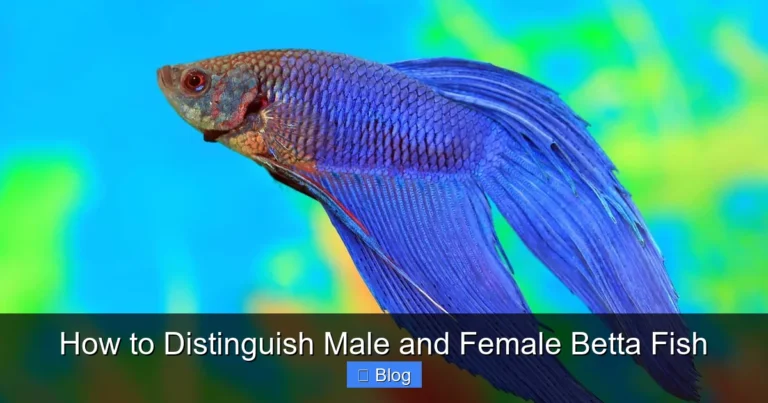
Visual guide about How to Cure Betta Fish Constipation
Image source: iqss.eu
The Classic “Pinecone” Sign
The hallmark sign of constipation in bettas is a swollen abdomen that feels firm to the touch (if you gently cup your fish during a water change). More importantly, when you look at your betta from above, the scales on the swollen area may begin to protrude slightly, giving the belly a rough, textured appearance—like a pinecone. This is distinct from the smooth, fluid-filled swelling of dropsy. Constipation swelling is typically localized to the front half of the body, right behind the gills and pectoral fins.
Accompanying Behavioral Clues
- Lethargy and Clamped Fins: Your active swimmer is now resting on the bottom or plant, fins held tightly to the body.
- Loss of Appetite: He might ignore his favorite foods.
- Straining: You might see him making little wiggling motions, trying to pass waste but unable to.
- Stringy, Unpassed Poop: Sometimes, you can see a long, white or clear string dangling from his vent (anus). This is a tell-tale sign of a backed-up system.
What It Is NOT (Usually)
Constipation is a gastrointestinal blockage. It is not the same as Swim Bladder Disorder (SBD), though the symptoms can overlap. SBD is a problem with the gas-filled organ that helps fish control buoyancy. Constipation can press on the swim bladder and cause SBD-like symptoms (floating upside down, sinking). Treating the constipation often resolves the buoyancy issue. True SBD can have other causes like injury, infection, or genetics.
It is also not dropsy. Dropsy is a systemic bacterial infection causing severe fluid buildup (edema). The scales on a dropsy betta will stand out dramatically, like a pinecone all over the body, and the fish is often extremely lethargic, with a curved spine. Dropsy requires antibiotic treatment.
Immediate First-Aid: The 24-48 Hour Fast
Okay, you’ve identified the likely problem. Your first, non-negotiable action is to stop feeding your betta immediately. I know it feels cruel, but it’s the single most effective and safest first step. Why? A constipated digestive tract is packed with undigested food. Adding more food is like adding more cars to a already gridlocked highway. The fast gives the entire digestive system a complete rest and a chance to process and move along what’s already inside.
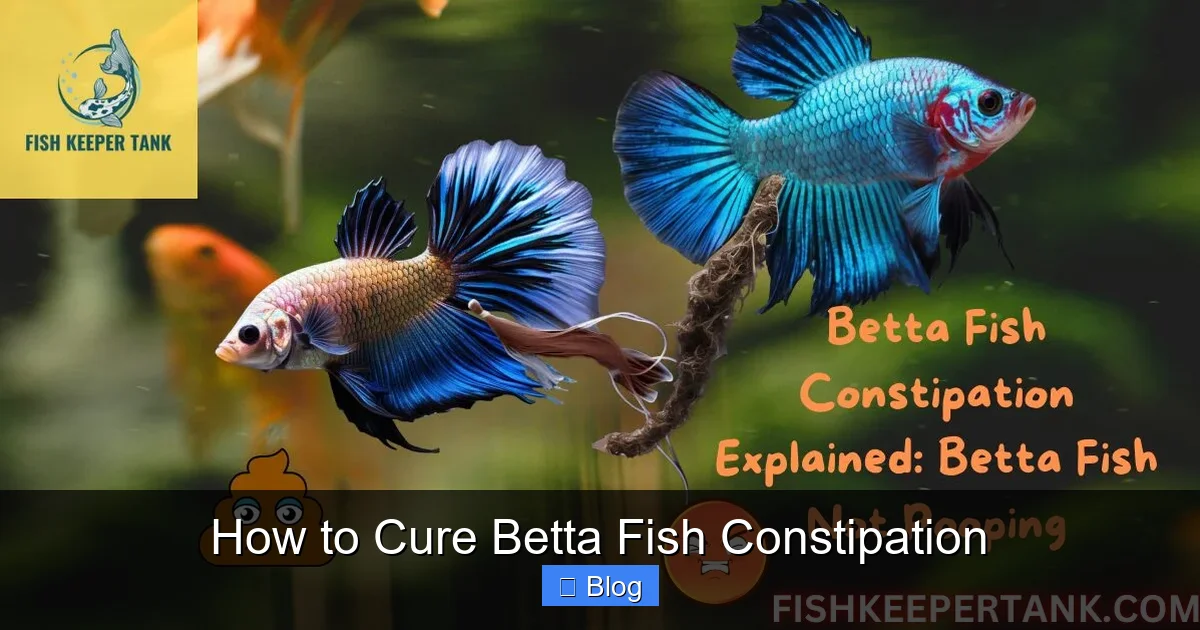
Visual guide about How to Cure Betta Fish Constipation
Image source: fishkeepertank.com
How Long Should You Fast?
For a typical case of betta constipation, fast for a full 48 hours. Do not offer any food—no pellets, no flakes, no treats. Bettas are tough and can easily go a week without food in a pinch. Two days is nothing for them, but it’s everything for clearing a clogged gut. For a mild case, you might see improvement after 24 hours, but commit to the full 48. During this time, ensure your water is pristine. Perform a 25% water change with properly conditioned water to keep parameters stable and reduce stress.
Monitoring During the Fast
Watch your betta closely. Is the swelling starting to go down? Is he becoming a bit more active? These are good signs that the system is clearing. If after 48 hours the bloating is completely gone and he’s acting normal, you’ve likely solved the problem. You can then resume feeding a very small, high-quality portion. If the bloating remains or worsens, move to the next step.
The Fiber Fix: Administering the “Laxative”
If the fast alone didn’t fully resolve the issue, it’s time to introduce a gentle, natural laxative. The champion of betta constipation relief is the humble green pea. Yes, the frozen or fresh kind from your grocery store.
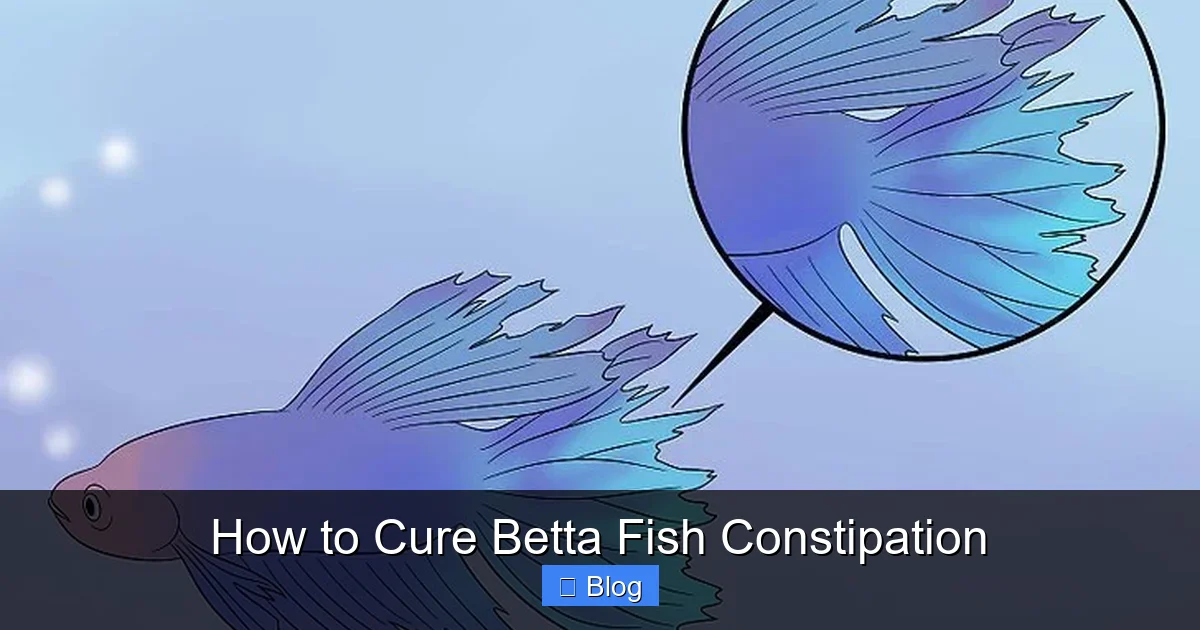
Visual guide about How to Cure Betta Fish Constipation
Image source: wikihow.com
Why a Pea Works Wonders
Peas are high in fiber and have a natural laxative effect on fish. They are also mostly water, which helps hydrate the system. The key is preparation. You must remove the skin, as betta fish cannot digest it and it could make things worse.
Step-by-Step Pea Preparation & Feeding
- Cook the Pea: Boil or microwave a single green pea until it is completely soft (about 5-7 minutes in boiling water).
- Cool It Down: Let the pea cool to room temperature. Never feed hot food.
- Skin It: Gently squeeze the pea. The inner part should pop out of the outer skin. Discard the skin. You should have a soft, mushy green ball.
- Serve a Tiny Portion: Using tweezers or your fingers, tear off a piece about the size of your betta’s eye (or smaller!). This is a single serving. Place it in the tank near your fish.
- Remove Uneaten Food: After 15-20 minutes, if he hasn’t eaten it, use a siphon or turkey baster to remove the pea. You do not want it rotting in the tank and fouling the water.
Alternative Fiber Sources
- Daphnia: These tiny water fleas are an excellent, natural source of fiber and are a beloved betta treat. Use frozen or live daphnia. They are often more palatable than peas.
- Blanched Zucchini or Spinach: Very small, soft pieces of these vegetables, blanched in boiling water for 30 seconds, can also provide fiber.
Important: Offer this fiber-rich meal once. Wait another 24 hours. You should see a significant amount of waste (normal-looking poop) in the tank within 12-24 hours of feeding the pea. The swelling should subside. If there is no improvement, you may repeat the pea feeding once more the next day. After the issue is resolved, return to a normal, pellet-based diet.
Dietary Prevention: Feeding Your Betta Right, Every Day
Constipation is a man-made problem, and prevention is 90% of the battle. It all comes down to what, how much, and how often you feed.
The Myth of “Frequent Small Meals”
The old advice to feed bettas several tiny meals a day is often wrong. Bettas are natural ambush predators. In the wild, they might eat a large insect one day and nothing the next. Their digestive systems are designed for this pattern. Overfeeding, even with “good” food, is the #1 cause of constipation and subsequent swim bladder problems. Their tiny stomachs are only about the size of their eye.
The Perfect Betta Diet: Quality & Variety
- High-Quality Pellets: Choose a reputable brand where the first few ingredients are fish or shrimp meal (not wheat or soy). Soak pellets in tank water for a minute before feeding to prevent them from expanding in the betta’s stomach.
- Treats Are Just That—Treats: Feed live or frozen foods like brine shrimp, bloodworms, or daphnia only 1-2 times per week. These are high in protein and fat and low in fiber. They should never be a staple.
- Fiber is Essential: Incorporate a fiber source into your regular weekly routine. A small piece of pea or a few daphnia once a week is a fantastic preventative measure, even for perfectly healthy fish.
The “One-Eye Rule” for Portion Size
Here is the simplest, most effective feeding rule in the hobby: Each meal should be no larger than your betta’s entire eye. For a typical betta, that’s 2-3 high-quality pellets. It looks like almost nothing. If you’re feeding multiple types of food, the total volume of the meal should still equal that one-eye size. When in doubt, underfeed. A slightly hungry betta is a healthy betta. A constipated, bloated betta is not.
The Tank Environment: Why Water and Temperature Matter
You can have the perfect diet, but if the tank environment is off, your betta’s digestion will suffer. Stress from poor water conditions slows metabolism and weakens the immune system.
Water Quality is Non-Negotiable
Constipation can be a symptom of poor water quality, which causes general stress. Ammonia or nitrite spikes, even at low levels, wreak havoc on a fish’s internal systems. You must have a cycled tank with a filter and perform regular water changes.
- Test Your Water: Use a liquid test kit (like API Freshwater Master Test Kit) weekly. Ammonia and nitrite must be 0 ppm. Nitrates should be below 20 ppm.
- Water Change Schedule: Perform a 25% water change weekly in a filtered tank. In an unfiltered bowl (which is not recommended), you need 50% changes 2-3 times a week.
Consistent, Warm Temperature
Betta fish are tropical. Their ideal temperature range is 78-80°F (25.5-26.5°C). If the water is too cold (below 76°F), their metabolism slows dramatically. Food digests slowly, sits in the gut longer, and ferments, leading to gas, bloating, and constipation. An aquarium heater is absolutely essential for a betta, even in a warm room. Use a small, adjustable heater and a reliable thermometer to ensure a stable, warm temperature day and night.
When Home Treatment Fails: Advanced Steps & Vet Care
Most cases of betta constipation clear up within 72 hours of starting the fast/peptide protocol. But what if your fish is still swollen and miserable after three days of proper treatment?
Re-evaluate Your Diagnosis
Be brutally honest. Was it truly constipation? Could it have been an internal tumor, a severe case of dropsy in its very early stages, or a chronic swim bladder issue unrelated to diet? The “pinecone” scale sign is the best indicator. If the scales are not protruding, it might be a different internal issue.
The Epsom Salt Bath (Use With Caution)
An Epsom salt (magnesium sulfate) bath can help relieve swelling and stress. It is not a cure for constipation itself, but it can support the fish while the gut clears.
- Dosage: Dissolve 1 teaspoon of Epsom salt (NOT aquarium salt or table salt) per gallon of *separate* treatment water.
- Method: Gently net your betta and place him in the treatment container for 5-10 minutes. Watch closely for signs of distress. Do this once a day for up to 3 days.
- Warning: Do not add Epsom salt directly to your main tank unless directed by a vet. It can harm beneficial bacteria and plants.
Time to Call a Veterinarian
If there is no improvement after 72 hours of correct treatment, or if your betta is severely lethargic, cannot maintain buoyancy at all, or is developing a curved spine, it is time to seek professional help. A vet experienced with fish can diagnose internal issues beyond simple constipation and may prescribe antibiotics or other medications. It can be costly, but for a beloved pet, it is a valid option. Look for an aquatic or exotic animal veterinarian.
Conclusion: A Healthy Betta is a Happy Betta
Curing your betta fish constipation is almost always a simple process of patience and correct care. Remember the golden trio: Fast, Fiber, and Food Management. Start with a 48-hour fast to clear the blockage. Follow up with a single, skinned pea or daphnia to get things moving. And then, commit to a long-term prevention plan of high-quality, appropriately-sized meals with weekly fiber, pristine warm water, and a stable tank environment. By understanding your betta’s simple digestive needs, you move from a worried caretaker to a confident one. You’ve got this. Now go check on your little buddy—he’s lucky to have you.
Frequently Asked Questions
How long should I fast my constipated betta?
Fast your betta for a full 48 hours with no food. This gives the digestive system time to clear. Ensure water quality is excellent during this period. If bloating persists after 48 hours, proceed to a fiber treatment like a cooked pea.
Can I use other vegetables besides peas for constipation?
Yes, you can use other high-fiber options like a small piece of blanched zucchini or spinach. However, the green pea is the most recommended and widely used because it’s easy to prepare, skin, and is highly effective. Always cook and cool vegetables before offering a tiny, bite-sized piece.
Is my betta’s swollen belly always constipation?
No. A smooth, evenly swollen belly after a large meal is likely just a full stomach. True constipation presents as a firm, localized swelling (often pinecone-like scales) and is accompanied by lethargy, clamped fins, and a lack of pooping. Always observe behavior alongside physical appearance.
Can poor water quality cause constipation?
Indirectly, yes. Stress from poor water conditions (high ammonia/nitrite, incorrect temperature) slows a fish’s metabolism and weakens its immune system, making digestive problems like constipation more likely. Maintaining pristine, warm water is a critical part of both treatment and prevention.
My betta got constipated again after treatment. Why?
Recurring constipation almost always points to a flaw in the long-term diet or tank setup. Re-evaluate your feeding routine: are you overfeeding? Are you feeding too many high-fat, low-fiber treats like bloodworms? Ensure you are using the “one-eye rule” for portion size and incorporating a weekly fiber source like daphnia.
When should I take my constipated betta to a vet?
Seek veterinary help if there is no improvement after 72 hours of correct treatment (fast + fiber), if your betta is extremely lethargic and sinking, or if you notice a curved spine or pinecone scales spreading across the entire body. These could indicate a severe internal issue beyond simple constipation.