How to Clean Fish Bowl Betta
Cleaning a betta’s bowl isn’t about scrubbing everything clean; it’s about maintaining a stable, healthy ecosystem. The key is performing regular, partial water changes (25-50%) with properly conditioned water that matches the bowl’s temperature. Never use soap or chemicals, and always clean the gravel and decorations gently with old bowl water to preserve beneficial bacteria. Over-cleaning or using chlorinated tap water are the most common mistakes that stress and harm betta fish.
Welcome to the definitive guide on how to clean fish bowl betta habitats properly. If you’re reading this, you likely care deeply about your vibrant, personality-filled Siamese fighting fish. You’ve probably seen conflicting advice online—some sources say to change all the water weekly, others say never to clean it. It’s confusing! The truth lies in understanding that a betta’s bowl is a delicate, living ecosystem, not just a glass container with water. Cleaning it the wrong way is one of the fastest ways to stress or even kill your betta. This article will walk you through the exact, gentle process that prioritizes your fish’s health above a sparkling-clean bowl. We’ll debunk myths, list essential supplies, and provide a foolproof step-by-step method. By the end, you’ll know exactly how to maintain a clean, stable, and thriving home for your aquatic companion.
Key Takeaways
- Partial Changes are Paramount: Never perform a 100% water change unless it’s an absolute emergency. Changing 25-50% of the water weekly maintains stable water parameters and beneficial bacteria.
- Water Conditioner is Non-Negotiable: Always use a reliable water conditioner/dechlorinator to neutralize harmful chlorine, chloramines, and heavy metals in tap water before adding it to the bowl.
- Temperature Matching is Critical: The new replacement water must be within 1-2°F (0.5-1°C) of the existing bowl water to prevent thermal shock, a major stressor for bettas.
- No Soap, Ever: Never use household cleaners, soap, or detergent on any bowl item. These leave toxic residues. Use only water and, if absolutely necessary, a dedicated aquarium-safe algae pad.
- Clean with Old Water: Use the old water you’ve siphoned out to gently rinse decorations, gravel, and the bowl’s sides. This preserves the beneficial bacterial biofilm essential for the nitrogen cycle.
- Gentle Gravel Vacuuming: A simple gravel vacuum or even a turkey baster can clean debris from the substrate without disturbing the entire bowl’s ecosystem or uprooting live plants.
- Observe Your Betta: Your fish’s behavior is your best indicator. Lethargy, clamped fins, or loss of appetite after cleaning means your process needs adjustment, likely due to temperature shock or water parameter instability.
📑 Table of Contents
- Understanding Your Betta’s Needs: Why Cleaning is Different
- Gathering Your Supplies: The Betta-Safe Cleaning Kit
- The Step-by-Step Guide to a Safe Partial Water Change
- Common Mistakes That Harm Bettas (And How to Avoid Them)
- Establishing a Maintenance Schedule
- Troubleshooting: After the Clean
- Conclusion: A Healthy Bowl is a Balanced Bowl
Understanding Your Betta’s Needs: Why Cleaning is Different
Before we dive into the “how,” we must understand the “why.” Bettas (Betta splendens) are anabantoids, meaning they possess a labyrinth organ that allows them to breathe atmospheric air. This adaptation makes them somewhat hardy in poor water conditions compared to purely gill-breathing fish, but it does not mean they thrive in dirty water. A “clean” bowl for a betta is not a sterile bowl; it’s a bowl with stable, non-toxic water parameters.
The Nitrogen Cycle in a Bowl
Every betta bowl, even a small one, attempts to establish a mini nitrogen cycle. Your betta’s waste (ammonia) is broken down by bacteria into nitrite (also toxic) and then into nitrate (less toxic, but still needs removal via water changes). These beneficial bacteria colonies live on every surface—the gravel, the glass, the decorations, and especially in the filter media if you have one. When you scrub the bowl entirely with soap or replace all the water and media, you obliterate these bacterial colonies. This causes “new tank syndrome,” where ammonia and nitrite spike uncontrollably because there’s nothing to process them. Your goal during cleaning is to remove physical debris and dilute nitrates while preserving the bacterial biofilm.
Bettas are Sensitive to Change
Bettas are creatures of extreme habit. They are native to the shallow, slow-moving rice paddies and stagnant ponds of Southeast Asia, where water conditions are relatively stable (though often warm and low in oxygen). Sudden changes in water temperature, pH, or mineral content are a huge shock to their system. Thermal shock from cold water can suppress their immune system instantly. pH crashes can be fatal. This is why the mantra for how to clean fish bowl betta setups is “slow and steady.”
Gathering Your Supplies: The Betta-Safe Cleaning Kit
Having the right tools on hand makes the process quick, stress-free, and safe. You should never improvise with household items that could introduce contaminants. Here’s your essential checklist.
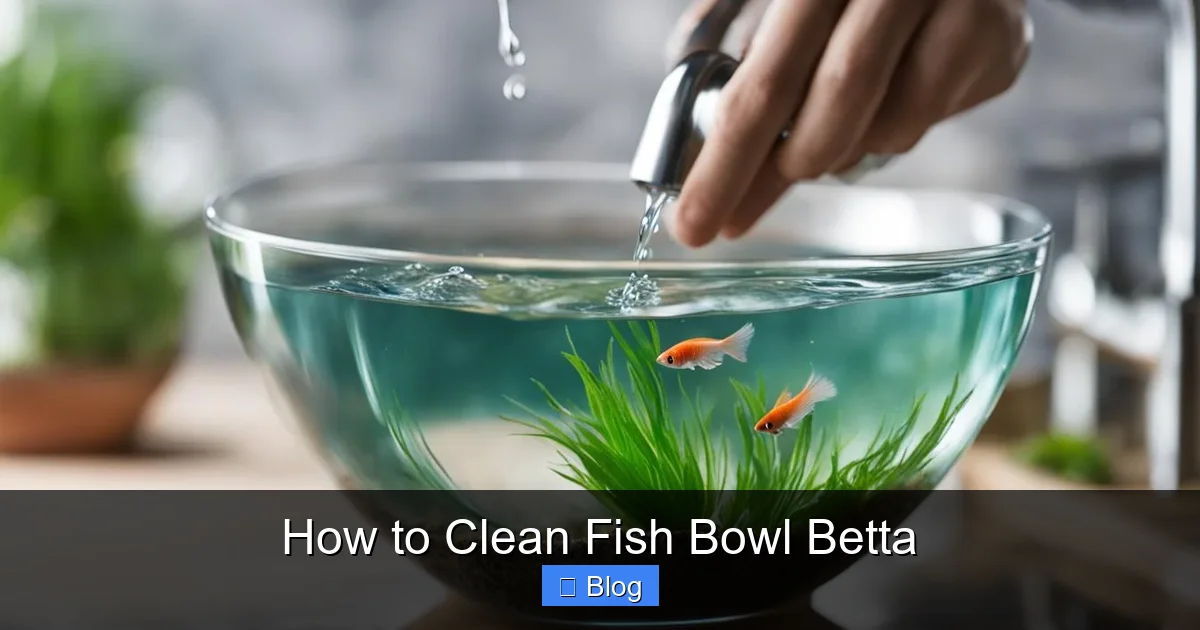
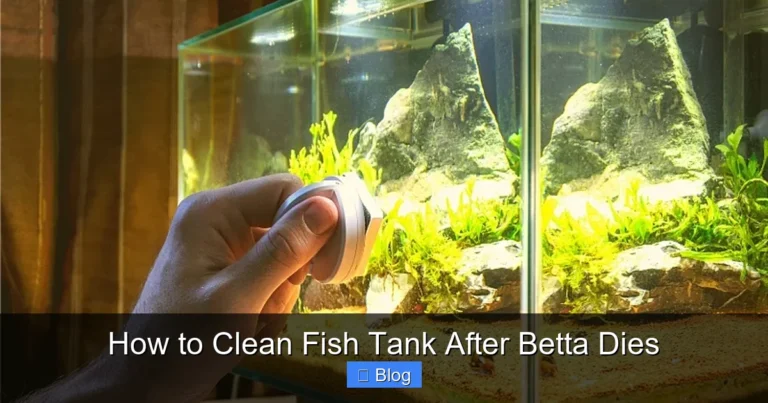
Visual guide about How to Clean Fish Bowl Betta
Image source: bettafishworld.com
The Non-Negotiables
- Water Conditioner: This is your #1 most important product. Seachem Prime is a gold standard in the hobby for its effectiveness and concentration, but any reputable dechlorinator/water conditioner that neutralizes chlorine, chloramines, and heavy metals will work. Never skip this step.
- Gravel Vacuum/Siphon: A simple, narrow-gauge siphon is ideal. You can find inexpensive ones made for small aquariums or even use a dedicated aquarium turkey baster for very small bowls. Its purpose is to suck out debris from the substrate without removing all the water at once.
- Dedicated Bucket or Container: This bucket is for fish use only. Never use a bucket that has held cleaning chemicals, even if rinsed. A 1-2 gallon bucket is perfect for most betta bowls. Have a second, clean container for holding the fresh, conditioned water.
- Thermometer: A stick-on aquarium thermometer or a simple floating/liquid crystal thermometer is crucial for ensuring your new water matches the old water temperature exactly.
- Soft Cloth or Paper Towels: For wiping the outside of the bowl. Use a separate cloth for the inside if needed, but preferably just use your hands and old water.
What You Should NOT Use
- Soap, Detergent, or Household Cleaners: Even a tiny residue is toxic to fish.
- Algae Scrapers with Metal Blades: These can scratch glass or acrylic. If you have stubborn algae, use a dedicated plastic algae pad.
- Any Sponge or Scrubber Used in Your Kitchen: Cross-contamination is a real risk.
- Tap Water Directly from the Faucet: It must be conditioned first.
The Step-by-Step Guide to a Safe Partial Water Change
This is the core of how to clean fish bowl betta homes correctly. We will perform a 25-50% water change. For a 1-2 gallon bowl, 50% is fine weekly. For a 3+ gallon bowl with a filter, 25% weekly is often sufficient. Always observe your water clarity and nitrate levels (if you have a test kit).
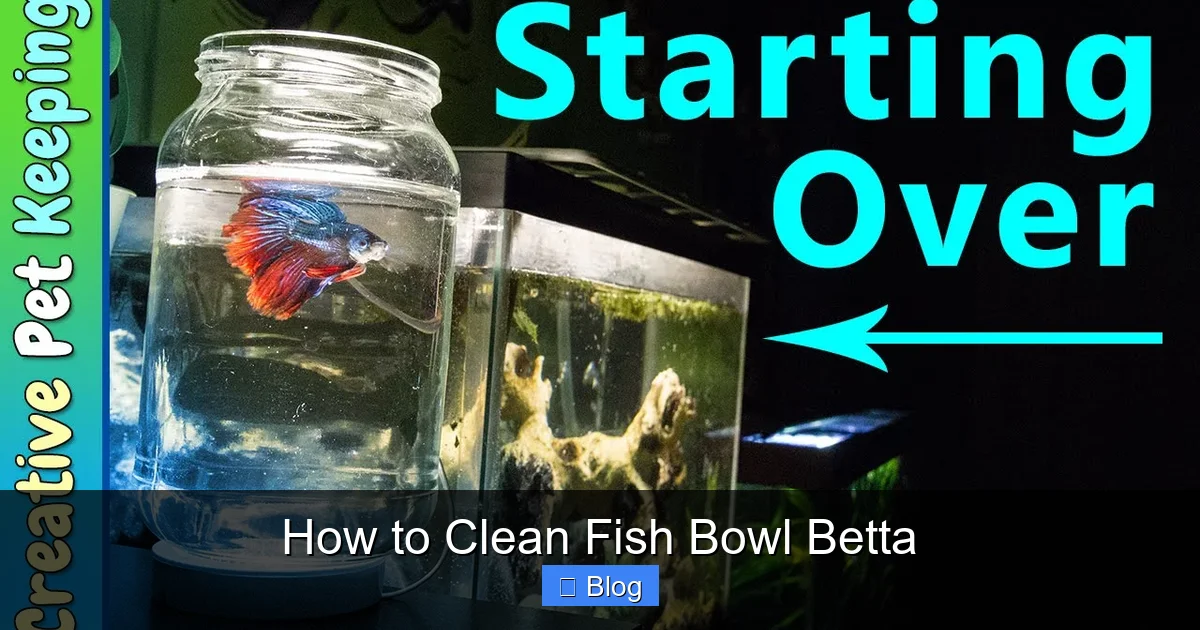
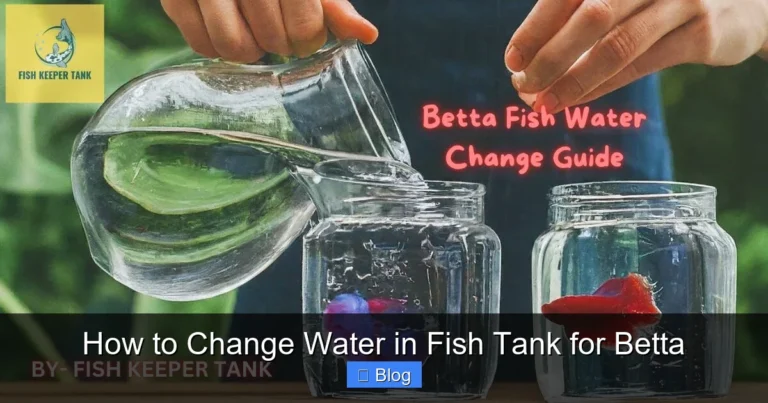
Visual guide about How to Clean Fish Bowl Betta
Image source: i.ytimg.com
Step 1: Preparation is Everything
First, fill your clean bucket with the amount of fresh tap water you plan to add back. Add the correct dosage of water conditioner to this new water before you even touch the bowl. Stir gently. Let this bucket sit while you work so the conditioner can fully neutralize contaminants and so the water can come to room temperature. Do not use cold water from the tap.
Step 2: Acclimate Your Betta (Optional but Recommended for Very Small Bowls)
If your bowl is very small (under 2 gallons) and you’re changing a large percentage of water (40-50%), it’s wise to acclimate your betta to the new water temperature. You can do this by carefully netting your betta and placing him in a small, clean container (like a leftover food tub) with a few cups of his old bowl water. Float this container in the bowl or place it nearby. This keeps him secure and at the right temperature while you work. For larger, more stable bowls, you can leave the betta in if you’re very gentle and quick.
Step 3: Remove the Old Water & Debris
Insert your gravel vacuum/siphon into the substrate. Angle it so it hovers just above the gravel. Start the siphon flow (you may need to suck on the tube briefly—be careful not to ingest water!). The goal is to lift debris off the top of the gravel and into the siphon, not to churn up the entire substrate. Move the vacuum slowly across the bottom, focusing on areas where waste visibly collects. Continue until you have removed the desired percentage of water (e.g., half the water for a 50% change). Pour this old, dirty water down the drain—do not use it for plants if you have a severe algae problem, as it may contain hydra or other pests.
Step 4: Clean Decorations & Surfaces (The Gentle Way)
Take any decorations, rocks, or silk plants out of the bowl. Place them in a bowl or the now-empty part of your bucket. Use the old tank water you just removed to gently rub them clean. You can use your fingers or a soft cloth. For algae on decorations, you can use a soft toothbrush dedicated solely to aquarium use. Do not use the new conditioned water for this task. You are using the old water because it still contains the beneficial bacteria from the surfaces. This preserves your cycle. Wipe the inside glass with your hand or a soft cloth soaked in old water to remove any slimy biofilm (this is good bacteria!) or algae. Only scrub if absolutely necessary, and be gentle.
Step 5: The Big Refill
Check the temperature of your new, conditioned water with your thermometer. It must match the temperature of the remaining old water in the bowl (and your betta’s container, if you acclimated him) within 1-2°F. Adjust by adding a little warm or cold tap water if needed. Once matched, slowly and gently pour the new water into the bowl. Do not dump it. You can pour it over a clean plate, your hand, or use a cup to create a gentle stream to avoid shocking your betta or stirring up the gravel. Fill to the original water level.
Step 6: Return Your Betta & Final Checks
If you acclimated your betta in a separate container, gently net him and return him to the clean bowl. If he was left in, he’s already home! Turn any filter or air stone back on. Wipe the outside of the bowl with a clean, dry cloth to remove fingerprints and water spots. Dispose of the old water properly. Do a final visual check—is your betta swimming normally? Is the water clear?
Common Mistakes That Harm Bettas (And How to Avoid Them)
Even with the best intentions, many betta owners sabotage their cleaning routine. Let’s address the most frequent errors.
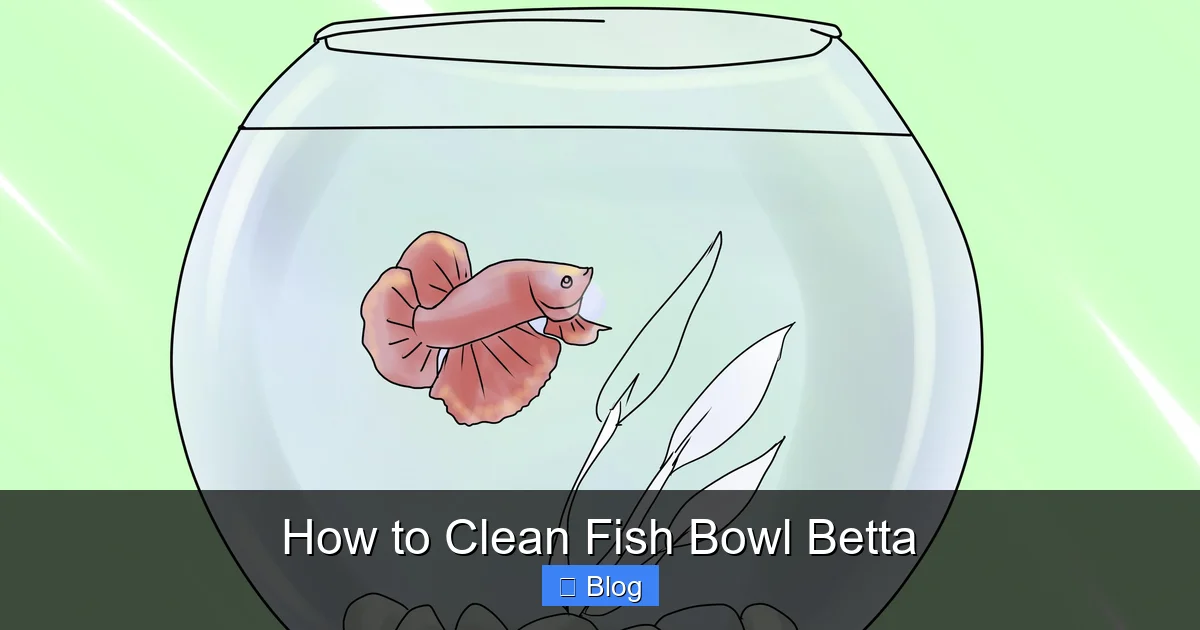
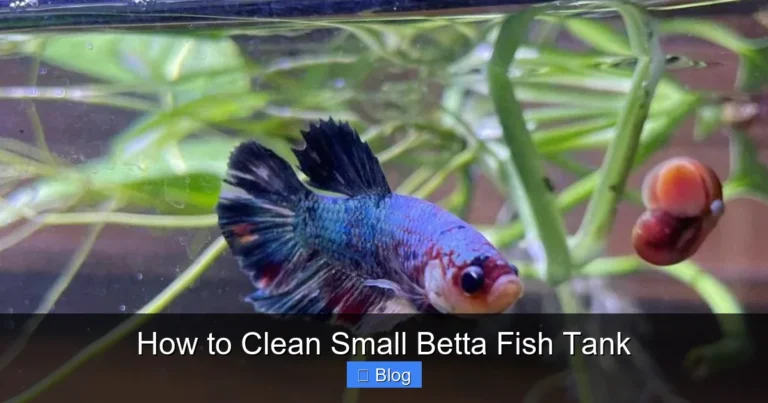
Visual guide about How to Clean Fish Bowl Betta
Image source: wikihow.com
Mistake 1: The Full Strip-Down
The Error: Every week, emptying the entire bowl, scrubbing every surface with soap or a rough sponge, rinsing everything under the tap, and starting from scratch. This is the single most damaging thing you can do. It destroys the entire nitrogen cycle, leading to toxic ammonia and nitrite spikes that can kill your fish within days.
The Fix: Embrace the partial water change. You are not trying to achieve a laboratory-sterile environment. You are maintaining a balanced ecosystem. Clean the glass and decorations only as needed with old water, not every single week.
Mistake 2: Temperature Shock
The Error: Pouring cold tap water directly into a warm bowl (or vice versa). Bettas prefer temperatures between 76-82°F (24-28°C). A sudden drop of even a few degrees can cause severe stress, loss of appetite, and susceptibility to disease like dropsy.
The Fix: Always, always use a thermometer. Let the new water sit to reach room temperature, and adjust with warm tap water if your house is cool. Match it perfectly to the existing bowl water.
Mistake 3: Forgetting the Conditioner
The Error: Thinking that letting tap water sit for 24 hours is enough. While this can dissipate chlorine, it does nothing for chloramines, which are common in municipal water and are far more toxic and stable. Chloramines will burn your betta’s gills.
The Fix: Use a quality water conditioner every single time, without exception. It works instantly and is the only safe guarantee.
Mistake 4: Overfeeding & Under-Cleaning
The Error: Feeding too much, which leads to excess waste and decaying food, clouding the water and spiking ammonia. Then, trying to “fix” the cloudy water with a full water change or chemical clarifiers, which disrupts the cycle.
The Fix: Feed your betta only what he can eat in 2-3 minutes, once or twice a day. Remove any uneaten pellets immediately. A proper weekly partial water change will naturally keep the water clear if you are not overfeeding.
Establishing a Maintenance Schedule
Consistency is the cornerstone of successful betta husbandry. A predictable routine keeps water parameters stable and reduces stress for both you and your fish.
Weekly Tasks (The Core Routine)
- Perform a 25-50% partial water change using the method described above.
- Test water parameters (if you have a liquid test kit). Check for ammonia and nitrite (should be 0) and nitrate (should be below 20 ppm). This tells you if your change percentage is adequate.
- Gently wipe the inside glass with old water if algae or biofilm is building up.
- Inspect your betta for any signs of illness (spots, torn fins, lethargy, scratching).
- Check filter media (if you have a filter). Rinse it gently in the old tank water you just removed, never under tap water, if it becomes clogged. Do this only when needed, not weekly.
Bi-Weekly or Monthly Tasks
- Deep clean the gravel: During a water change, spend a little extra time vacuuming more thoroughly, especially under decorations.
- Clean decorations: Remove any that have significant algae or sludge buildup and give them a good rub-down in old water.
- Prune live plants and remove dead leaves.
- Inspect and clean the outside of the bowl with a vinegar-water solution (1:1) for hard water spots, rinsing extremely well with fresh water afterward. Never put vinegar in the tank.
Signs You Need to Adjust Your Schedule
If your water gets cloudy or smelly between weekly cleanings, you are likely overfeeding or your bowl is too small/under-filtered. Increase your water change percentage or frequency. If you see rapid algae growth, you may have too much light (move the bowl away from direct sunlight) or need to add live plants to compete for nutrients.
Troubleshooting: After the Clean
Sometimes, even when we follow the steps, things don’t look or feel right post-cleaning. Here’s how to diagnose common issues.
“My betta is hiding and not eating!”
This is almost always stress from the cleaning process. First, check your water temperature match. Second, check for sudden changes in water clarity or chemistry. Did you disturb the gravel too much, causing a cloud of debris? Did you use a new conditioner or a different brand? Re-test the water for ammonia and nitrite. Perform a small, 10% water change with perfectly matched, conditioned water to help dilute any stress-causing compounds. Give your betta 24-48 hours in a quiet, dark room to recover.
“The water is still cloudy after my cleaning.”
A slight cloudiness that clears within a few hours is normal—it’s a bacterial bloom responding to the disturbance. However, persistent cloudiness indicates a bacterial imbalance, usually from over-cleaning or a cycle crash. Stop all chemical additives. Increase your next water change to 50% and ensure you are using dechlorinator. Do not add more bacteria; just maintain your clean but gentle routine. The cloudiness will subside as the cycle restabilizes.
“There’s a film on the top of the water.”
This is often a protein film from excess food or organics. It’s not immediately harmful but can limit gas exchange. Gently break it up with your finger or a clean paper towel during your water change. Reducing feedings will prevent it from recurring. A small sponge filter can also help break surface tension.
Conclusion: A Healthy Bowl is a Balanced Bowl
Learning how to clean fish bowl betta environments is a journey of patience and observation. It’s not about achieving a picture-perfect, sterile tank; it’s about fostering a stable, low-stress aquatic home. The process we’ve outlined—gentle partial changes, temperature matching, preserving beneficial bacteria, and avoiding harsh chemicals—is the time-tested method used by responsible betta keepers worldwide. Remember, your betta is not just a pet in a bowl; he is an inhabitant of a miniature ecosystem. Your role is to be a steady, careful steward of that ecosystem. By committing to a regular, gentle cleaning routine and watching your fish’s response, you will provide the foundation for a long, vibrant, and healthy life for your beautiful betta. The reward is a happy, active fish that displays his stunning fins and curious personality, proving that your careful maintenance is the key to his well-being.
Frequently Asked Questions
How often should I completely change all the water in my betta’s bowl?
You should never perform a 100% water change on a regular, cycled betta bowl. This destroys the beneficial bacteria and causes dangerous water parameter swings. The only exception is a dire emergency, such as contamination with toxic chemicals. For routine maintenance, stick to weekly partial changes of 25-50%.
Can I use bottled spring water instead of tap water?
You can, but it’s generally not recommended. Bottled water lacks essential minerals (GH/KH) that help stabilize pH and support your betta’s health. It’s also expensive and inconsistent. Tap water, when properly conditioned with a dechlorinator, is the best and most reliable choice for your betta’s long-term health.
How do I clean algae off the glass without harming my betta?
During your water change, use your hand or a soft, algae-specific pad (never a kitchen scrubber) dipped in the old tank water you’ve already removed. Gently wipe the affected area. For stubborn algae, you can use a dedicated magnetic algae cleaner for glass, but be very careful not to trap your betta between the magnets. Never use an algae scraper with a metal blade on acrylic tanks.
My betta seems stressed after a water change. What did I do wrong?
>The most common cause is temperature shock. Always ensure the new water is within 1-2°F of the old water. Other causes include a significant pH difference between the old and new water (use conditioner on all new water) or stirring up too much debris from the gravel, which can temporarily spike ammonia. Perform a small, 10% follow-up change with perfectly matched water if stress persists.
Do I need to take my betta out of the bowl to clean it?
For a careful, gentle partial water change where you are not disturbing the entire gravel bed, you can leave your betta in the bowl. This is less stressful than netting him. However, if you are doing a deeper clean or have a very small bowl where you’ll be removing a large volume of water quickly, it is safer to acclimate him in a separate, clean container with some of his old water while you work.
How can I prevent my betta bowl from getting dirty so quickly?
The primary cause of a rapidly dirty bowl is overfeeding. Feed only what your betta can consume in 2-3 minutes, once or twice a day, and remove all uneaten food immediately. Also, ensure your bowl is not in direct sunlight, which promotes algae growth. A small, gentle filter (like a sponge filter) can also help capture debris and maintain water clarity between changes.