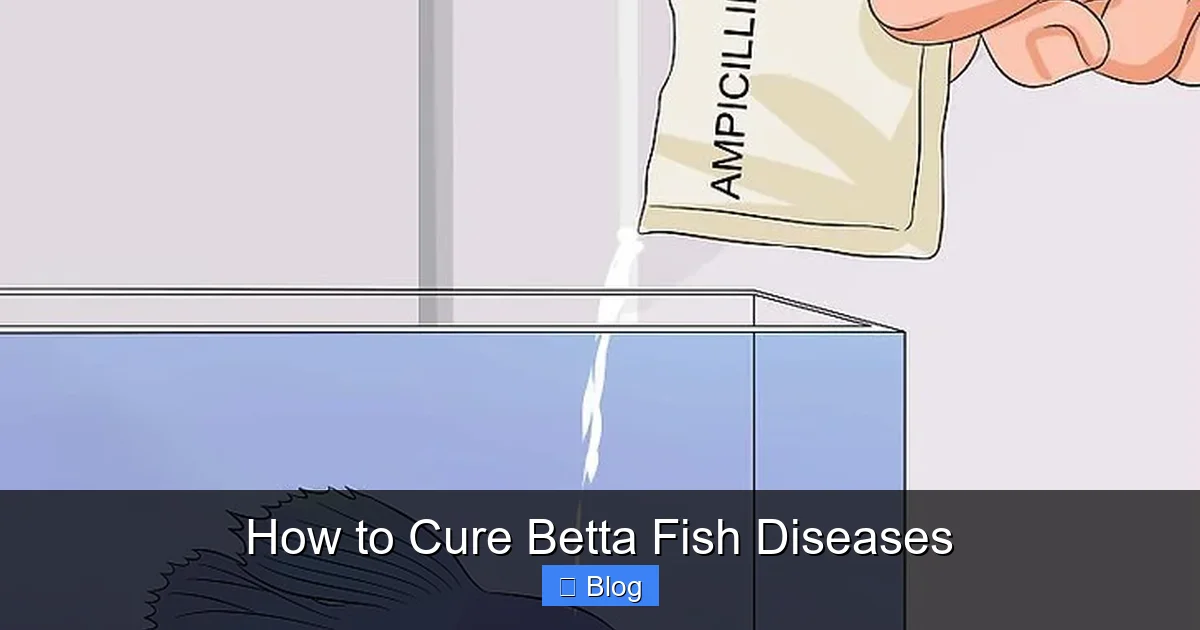
How to Cure Betta Fish Diseases
Curing betta fish diseases starts with pristine water quality and early detection. Most common ailments like fin rot, ich, and velvet are treatable if you act quickly using a quarantine tank and appropriate medications. Prevention through proper tank maintenance, diet, and quarantine of new fish is always the best medicine. This guide provides clear, actionable steps to diagnose and treat your sick betta.
There’s nothing quite as heartbreaking as seeing your vibrant, regal betta fish—your personal underwater prince or princess—listless, clamped, or covered in spots. Your heart sinks. But here’s the crucial first thing you need to know: most common betta fish diseases are curable. Success doesn’t rely on magic pills; it hinges on your ability to become a detective, a nurse, and a vigilant guardian. This comprehensive guide will walk you through exactly how to cure betta fish diseases, from the initial “oh no” moment to the final healthy flare-up. We’ll cover identification, setup for treatment, specific protocols for each ailment, and, most importantly, how to stop them from ever coming back.
The secret weapon in your arsenal isn’t a rare, expensive medication. It’s knowledge. Understanding that a white spot isn’t always ich, that a torn fin isn’t always fin rot, and that a swollen belly isn’t always constipation will save your fish’s life. We’ll break it down plainly. Think of this as your friendly, no-nonsense handbook for betta first aid. Let’s dive in.
Key Takeaways
- Water Quality is Paramount: 90% of betta health issues stem from poor water conditions. Regular testing and partial water changes are non-negotiable for both treatment and prevention.
- Quarantine is Essential: Always treat a sick betta in a separate, hospital tank to avoid contaminating the main display aquarium and to control medication dosing.
- Accurate Diagnosis is Key: Misidentifying the disease leads to ineffective treatment. Learn to spot the distinct signs of fin rot, ich, velvet, dropsy, and swim bladder disorders.
- Medication Safety First: Never use copper-based medications in a tank with invertebrates. Always remove activated carbon from filters during treatment as it absorbs medication.
- Observation and Patience: Monitor your betta’s behavior and physical changes daily. Treatment can take 1-3 weeks; complete the full course of medication even if symptoms improve.
- Stress is the Enemy: A stressed betta has a weakened immune system. Minimize stress from tank mates, poor water, improper temperature, and loud surroundings during illness and recovery.
- When to Euthanize: In cases of advanced dropsy (severe pineconing) or prolonged, untreatable suffering, humane euthanasia is the kindest option to prevent further pain.
📑 Table of Contents
Foundation First: The Non-Negotiable Pillars of Betta Health
Before we even talk about specific diseases, we must establish the baseline. You cannot cure a disease in a toxic environment. It’s like trying to heal a patient in a room filled with poison gas. For a betta, that “poison gas” is often ammonia, nitrite, or chronically poor water quality. These conditions suppress the immune system, making your fish vulnerable. Every single treatment plan we discuss depends on this foundation being solid.
The Hospital Tank: Your Essential Treatment Zone
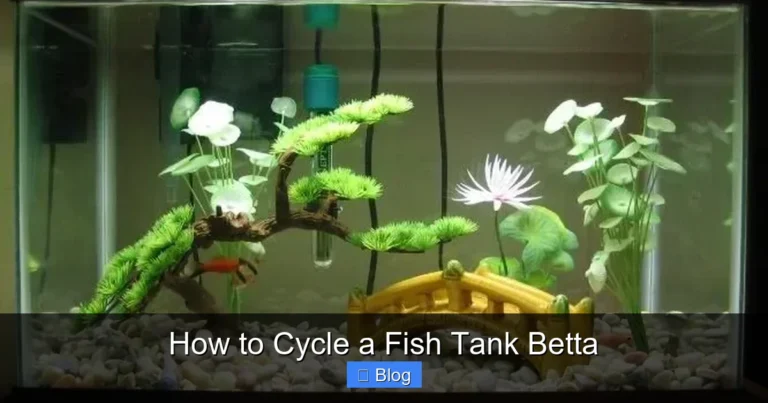
You must have a dedicated quarantine or hospital tank. This is a small, bare aquarium (5 gallons is ideal, but 2.5+ gallons works) with a gentle filter (a sponge filter is perfect) and a heater. It should be empty except for a few hiding places like a terracotta pot or silk plant. Why is this so critical? First, it allows you to dose medication precisely without harming any other aquatic life (like shrimp or snails) in your display tank. Second, it isolates the sick fish, preventing the spread of contagious pathogens. Third, it gives you complete control over the environment—no tank mates to stress the patient, and no competing bio-load to complicate water changes. Set this tank up and cycle it *before* you ever need it. Having it ready means you can act within minutes of noticing a problem.
Water Quality: The #1 Cure and Preventative
Invest in a liquid test kit (like the API Freshwater Master Test Kit). You need to know your parameters: Ammonia = 0, Nitrite = 0, Nitrate < 20 ppm. In your display tank, perform 25-50% water changes weekly using a gravel vacuum. In the hospital tank during treatment, you will be performing 100% water changes daily or every other day, replacing the medicated water with fresh, pre-treated water (dechlorinated and temperature-matched). This removes waste products that stress the fish and dilutes the pathogen load. No amount of medication will work if the fish is swimming in its own toxic waste.
Temperature: Boosting the Immune Response
Betta fish are tropical. Their optimal temperature range is 78-80°F (25.5-26.5°C). When sick, slightly raising the temperature (to 80-82°F) can speed up the life cycle of many parasites (like ich) and boost the fish’s metabolic and immune rate. But never exceed 82°F, and never raise the temperature on a fish that is already lethargic or gasping for air. Use a reliable heater with a thermostat and a separate thermometer to verify. The increase should be gradual, no more than 1-2 degrees over an hour.
Disease Detective: Identifying the Most Common Betta Ailments
Now, let’s put on our detective hats. Observe your betta closely. Note changes in behavior (clamped fins, lethargy, loss of appetite, flashing/scratching) and physical appearance (spots, fuzz, torn fins, swelling, discoloration). Here are the usual suspects.
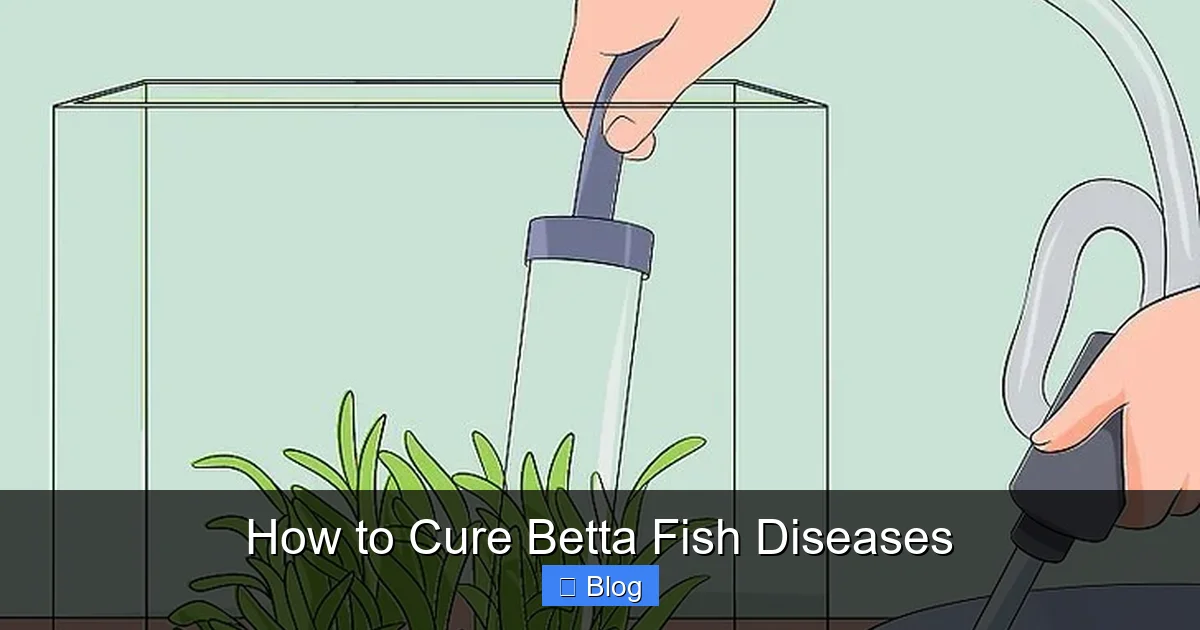
Visual guide about How to Cure Betta Fish Diseases
Image source: wikihow.com
1. Fin Rot: The Progressive Destroyer
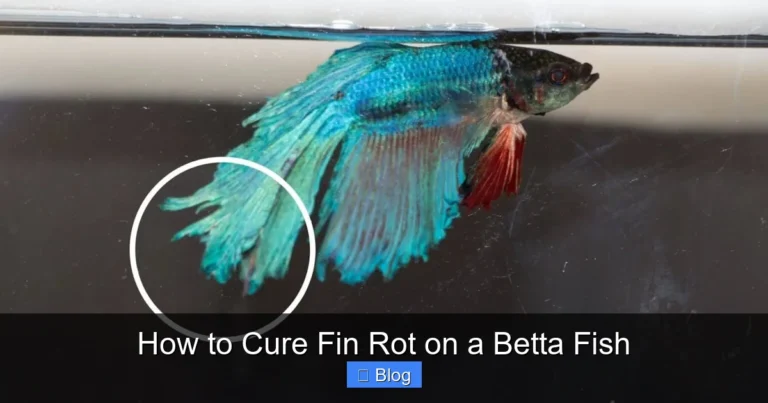
Symptoms: This bacterial (sometimes fungal) infection starts with a small, milky-white or blackened patch on the fin edge. The fin tissue begins to disintegrate, looking shredded or “melting.” It progresses from the tips inward. The base of the fin may become inflamed and red. The fish may clamp its fins tightly.
Causes: Poor water quality is the primary culprit. It creates stress and allows opportunistic bacteria to attack. Fin nipping from tank mates or from the betta itself (due to stress or boredom) also creates an entry point.
How to Cure Fin Rot:
- Step 1: Immediately move the betta to a clean hospital tank with pristine, warm water (80°F).
- Step 2: Perform 100% water changes daily. Use a water conditioner that detoxifies ammonia and nitrite.
- Step 3: For mild cases, meticulous water changes alone can cure it. For moderate to severe cases, use an antibacterial medication. Methylene blue baths (5-10 ppm for 30 minutes daily) or Kanamycin/Erythromycin (follow package dosage) in the hospital tank are effective. Never use both simultaneously.
- Step 4: Add a fin regenerator supplement containing Vitamin C and B vitamins to the food to promote healing.
2. Ich (White Spot Disease): The Contagious Parasite
Symptoms: The classic sign is tiny, salt-like white dots (cysts) all over the body, fins, and gills. The fish will “flash” or rub against tank decor, objects, or the substrate to scrape off the parasites. It becomes lethargic, loses appetite, and fins are clamped. The spots are often more easily seen on the fins and gill covers.
Causes: The single-celled parasite Ichthyophthirius multifiliis. It’s highly contagious and often introduced via new, unquarantined fish or contaminated equipment. It has a life cycle that requires treatment to target the free-swimming stage.
How to Cure Ich:
- Step 1: Raise the hospital tank temperature slowly to 82-84°F. This accelerates the parasite’s life cycle, making it more vulnerable.
- Step 2: You must treat for the entire life cycle, which is about 7-10 days at this temperature. Use a dedicated ich medication containing Malachite Green and Formalin (like Ich-Out or similar). Follow dosing instructions precisely. Copper-based medications are also very effective but are lethal to invertebrates.
- Step 3: Perform 25-50% water changes every 24-48 hours during treatment to remove dead parasites and refresh medication levels (as some medications are degraded by organic waste).
- Step 4: Continue treatment for at least 3-5 days after the last visible spot disappears to ensure all parasites in their vulnerable stage are eliminated.
3. Velvet (Oodinium): The Gold Dust Disease
Symptoms: Often mistaken for ich, but the spots are much finer, resembling a fine gold or rust dust (like a velvet coating) on the body. It’s more noticeable under a light. The fish will flash, scratch, and become very lethargic. Gills may appear red and inflamed as the parasite attacks them. Fins may be clamped and frayed.
Causes: Caused by the parasite Oodinium. It’s also highly contagious and thrives in poor water conditions and cooler temperatures.
How to Cure Velvet:
- Step 1: Raise temperature to 82-84°F to speed up the life cycle, similar to ich.
- Step 2: Treatment is nearly identical to ich. Use a medication containing Copper Sulfate ( Cupramine, etc.) or Malachite Green. Note: Copper is extremely toxic to invertebrates. If your display tank has snails or shrimp, you must treat in a hospital tank.
- Step 3: Increase aeration/flow gently, as velvet damages the gills and the fish needs more oxygen.
- Step 4: Treat for a full 10-14 days, continuing for several days after symptoms vanish.
4. Dropsy: The Symptom of Internal Failure
Symptoms: This is not a disease itself but a severe symptom of internal organ failure (often bacterial sepsis). The hallmark sign is pineconing—severe, raised, protruding scales all over the body, especially the abdomen, making the fish look like a pinecone. The fish becomes extremely swollen (bloated), lethargic, and may have raised, protruding eyes (exophthalmia). It is almost always fatal by the time pineconing is visible.
Causes: Usually a bacterial infection (like Aeromonas) that has entered the bloodstream, causing internal damage and fluid buildup. It can be triggered by chronic poor water quality, internal parasites, or a severe internal injury.
How to Attempt to Cure Dropsy: Prognosis is very poor. Treatment is a last-ditch effort:
- Step 1: Isolate immediately in a hospital tank with pristine, warm, slightly salty water (use 1-3 teaspoons of non-iodized aquarium salt per gallon—not table salt). The salt helps draw out fluid.
- Step 2: Use a broad-spectrum antibacterial medication like Kanamycin, Furan-2, or a combination like Erythromycin. These must be administered via medicated food or directly into the water.
- Step 3: Maintain impeccable water quality with daily 100% water changes.
Be prepared for the likelihood that this is not curable. If the fish is not eating and is visibly suffering, humane euthanasia is the compassionate choice. Prevention through flawless water quality is the only real defense against dropsy.
5. Swim Bladder Disorder: The Buoyancy Problem
Symptoms: The fish struggles to maintain normal buoyancy. It may sink and lie on the bottom, float upside down or sideways at the surface, swim erratically, or appear to be “head heavy” or “tail heavy.” It’s not contagious.
Causes: This is a symptom, not a disease. Causes include:
- Constipation: The #1 cause. Overfeeding, especially of dry foods that expand in the gut, presses against the swim bladder.
- Bacterial or Parasitic Infection: Infection in the bladder or surrounding organs.
- Injury: From bumping into hard decor or from aggressive tank mates.
- Congenital Defect: Some bettas are born with a malformed bladder.
How to Cure Swim Bladder Disorder:
- Step 1: Fast the fish for 3 days. This clears the digestive system. Do not feed.
- Step 2: After fasting, offer a cooked, skinned pea. Boil a pea until soft, remove the skin, and mash a tiny piece. The fiber acts as a laxative. Alternatively, use a daphnia or brine shrimp diet.
- Step 3: If constipation is the cause, buoyancy should improve within 24-48 hours of feeding the pea.
- Step 4: If there is no improvement, suspect infection. Treat with a broad-spectrum antibiotic like Maracyn 2 (Minocycline) in a hospital tank for 7-10 days, as it can penetrate internal tissues.
The Treatment Protocol: A Step-by-Step Action Plan
So you’ve identified the likely culprit. What now? Follow this universal protocol for maximum success.
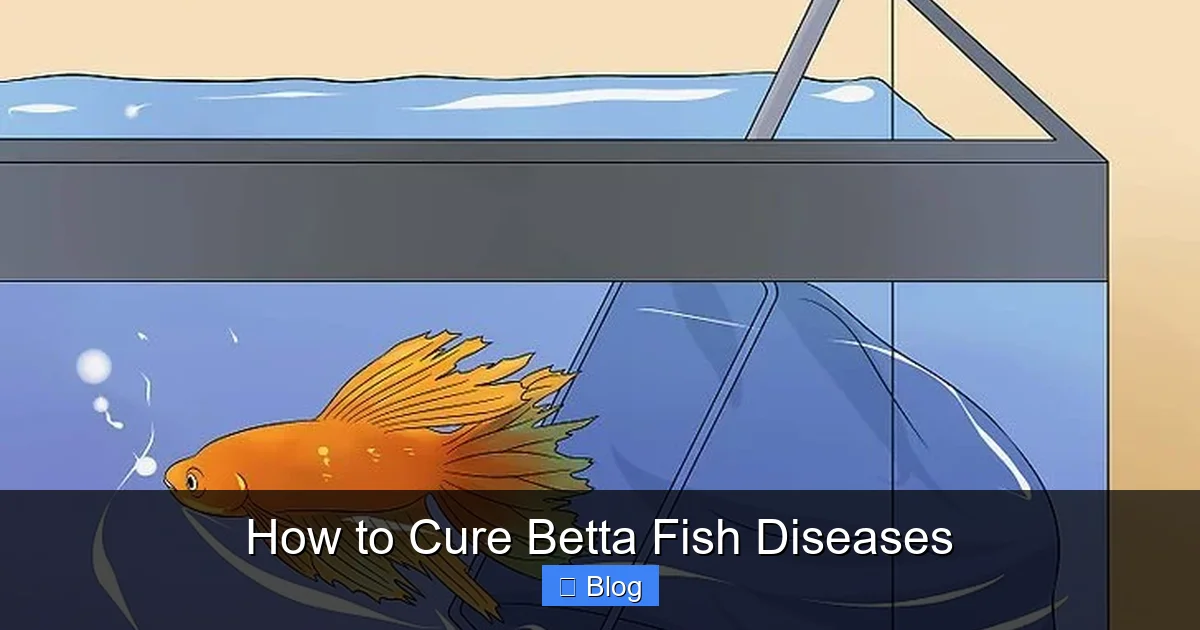
Visual guide about How to Cure Betta Fish Diseases
Image source: wikihow.com
Step 1: Immediate Isolation
Get the betta into the clean, heated hospital tank immediately. Use a net, not a cup, to transfer. Do not transfer any water from the display tank. Let the betta acclimate to the new water temperature by floating the bag or cup in the hospital tank for 15-20 minutes, then slowly add hospital water to the transfer cup before releasing the fish. This prevents shock.
Step 2: Prepare the Environment
In the hospital tank, set the heater to the target temperature (usually 80-82°F for most diseases, 84°F for ich/velvet). Add any required medication to the pre-mixed, dechlorinated water before adding the fish, or dose immediately after transfer according to product instructions. Remove all activated carbon from the filter, as it will adsorb the medication and render it useless. A simple sponge filter is ideal.
Step 3: The Medication Regimen
Read the label twice. Dosage is critical. More is not better; it can kill your fish. Weigh your fish if possible for precise dosing, but for most bettas, standard “dose for 10 gallons” in a 2.5 gallon hospital tank is too much. Dilute the dose in a small cup of water first, then add to the tank. For water-soluble medications, you typically need to redose with every 100% water change. For bath treatments (like methylene blue), follow the timed protocol.
Step 4: Supportive Care & Monitoring
During treatment, your betta’s appetite may be gone. Do not force-feed. A healthy betta can go a week without food. If it shows interest after a few days, offer a tiny amount of easily digestible food like daphnia or a soaked, crushed pellet. Observe constantly. Note any changes in breathing rate (rapid gill movement is bad), behavior, or appearance. Is the pineconing getting worse? Are the spots spreading? This tells you if the treatment is working or if you need to adjust.
Step 5: Water Changes Are Treatment
This cannot be stressed enough. In the hospital tank, perform 100% water changes every 24 hours for the duration of the treatment. This removes waste, dead parasites/bacteria, and old medication that has broken down. It is arguably more important than the medication itself. Always use properly dechlorinated water that matches the tank temperature exactly.
Beyond the Cure: Prevention is the Ultimate Goal
You’ve nursed your betta back to health. Now, the real work begins to ensure it never happens again. An ounce of prevention is worth a pound of cure.
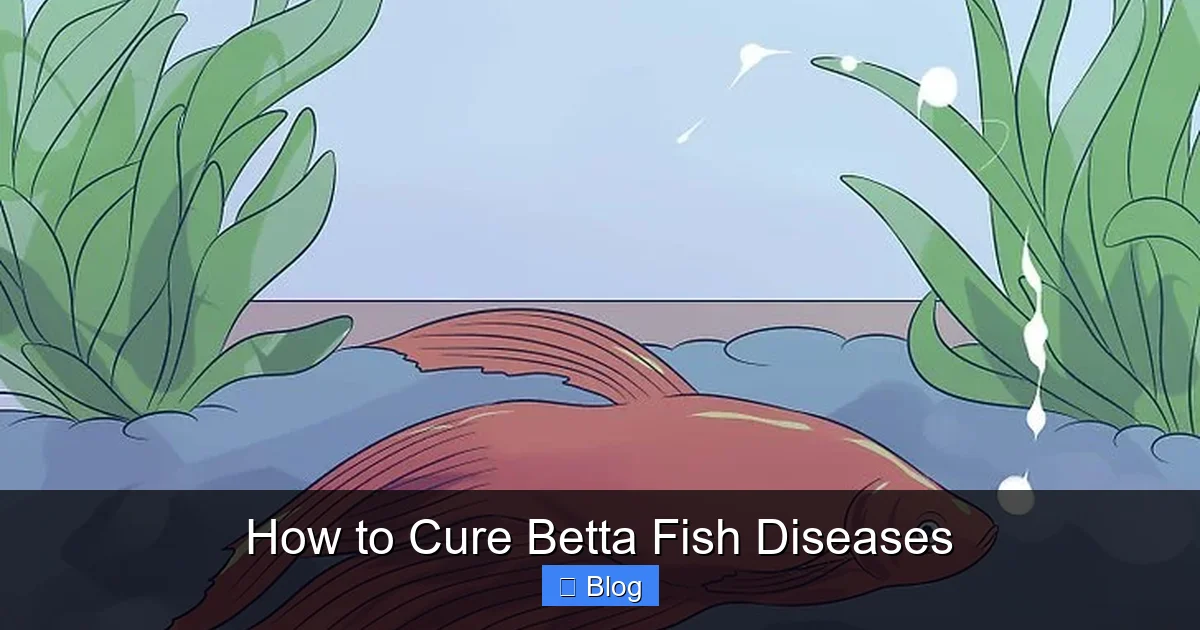
Visual guide about How to Cure Betta Fish Diseases
Image source: wikihow.com
The Unbreakable Water Change Routine
In your display tank, commit to a strict schedule. A 25-50% weekly water change with a gravel vacuum is the single most important thing you can do. Test your water monthly with a liquid test kit to ensure your cycle is stable and ammonia/nitrite are zero.
Quarantine All New Arrivals
Never add a new fish directly to your display tank. Quarantine it in a separate tank for a minimum of 4 weeks. This is where you observe for any signs of ich, velvet, or other diseases. You can even prophylactically treat for parasites during quarantine with a mild copper-based medication (if no invertebrates are present) or a general parasite eliminator. This one habit will save you from countless outbreaks.
Diet and Nutrition: Building a Strong Immune System
Feed a high-quality, varied diet. Use a premium betta pellet as a staple, supplemented with frozen or live foods like daphnia, brine shrimp, or bloodworms 2-3 times a week. A well-nourished betta has a robust immune system. Avoid overfeeding—a betta’s stomach is the size of its eye. Two small pellets a day is often sufficient.
Stress-Free Tank Setup
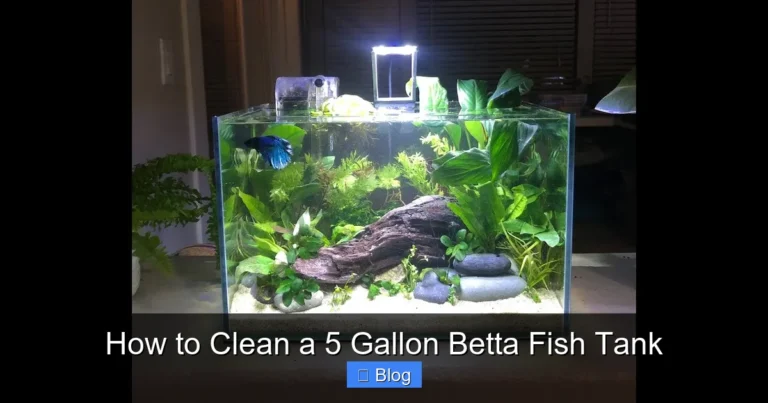
Ensure your tank is betta-appropriate. A minimum of 5 gallons is recommended. Use a gentle filter (sponge filter is best) to avoid stressing them with strong currents. Provide plenty of plants (live or silk) and hiding spots. Avoid fin-nipping tank mates (no tiger barbs, for example). Male bettas should almost always be kept alone. Keep the tank in a quiet location, away from loud noises, sudden vibrations, and direct sunlight which can cause temperature swings and algae blooms.
Conclusion: Your Role as a Betta Guardian
Curing a betta fish disease is a journey of observation, swift action, and diligent care. It’s about understanding that you are your fish’s entire world. The clarity of its water, the stability of its temperature, the cleanliness of its home—these are the fundamentals of health. When disease strikes, remember the core principles: isolate in a hospital tank, diagnose accurately, treat with the correct medication while maintaining pristine water quality, and be patient through the recovery.
Your betta’s bright colors and flowing fins are a direct reflection of its health. By mastering the steps in this guide, you move from being a worried owner to a confident caretaker. You learn to read the subtle signs, to act before a small spot becomes a fatal outbreak. The bond you build through this careful nursing is profound. Start today by checking your water parameters, setting up that hospital tank, and familiarizing yourself with the symptoms. A healthy, thriving betta is not a matter of luck; it’s the result of informed, consistent care. You have the power to be the reason your betta lives a long, vibrant life.
Frequently Asked Questions
Can I treat my betta in its main display tank?
It is strongly discouraged. Medications can harm beneficial bacteria, invertebrates (shrimp, snails), and live plants. A hospital tank allows for precise dosing, easier water changes, and prevents the spread of disease to other fish.
Are there any natural or home remedies for betta diseases?
For very mild fin rot, immaculate water changes and Indian almond leaves (which have mild antibacterial/fungal properties) can help. However, for confirmed cases of ich, velvet, or advanced infections, proper veterinary-grade medications are necessary and far more effective and reliable. Home remedies like salt baths or tea tree oil are inconsistent and can worsen stress.
How long should I keep my betta in the hospital tank after symptoms disappear?
You must continue treatment for at least 5-7 days after the last visible symptom is gone. This ensures the pathogen is completely eradicated from its vulnerable life stages. Only then should you slowly acclimate the betta back to the clean, cycled display tank.
What is the single most important thing I can do to prevent betta diseases?
Maintain consistently excellent water quality through weekly 25-50% water changes and regular testing. This is the foundation of a strong immune system and directly counters the primary cause of nearly all betta ailments.
My betta is clamped and not eating but has no visible spots or rot. What could be wrong?
This is a classic sign of severe stress or the early stages of an internal issue like a bacterial infection or swim bladder disorder. First, test and correct water parameters. Ensure the temperature is correct. Fast for 3 days, then offer a pea. If there is no improvement in 48 hours, consider a broad-spectrum antibiotic like Maracyn 2 in a hospital tank.
When is it time to consider humane euthanasia for my betta?
If your betta is suffering from an advanced, untreatable condition like severe dropsy (extreme pineconing and swelling), is unable to swim or rest normally, is gasping for air constantly despite pristine water, and shows no interest in food for over a week, humane euthanasia is the kindest option to prevent prolonged pain. Clove oil is a recommended, peaceful method.