How to Cure a Betta Fish with Swim Bladder
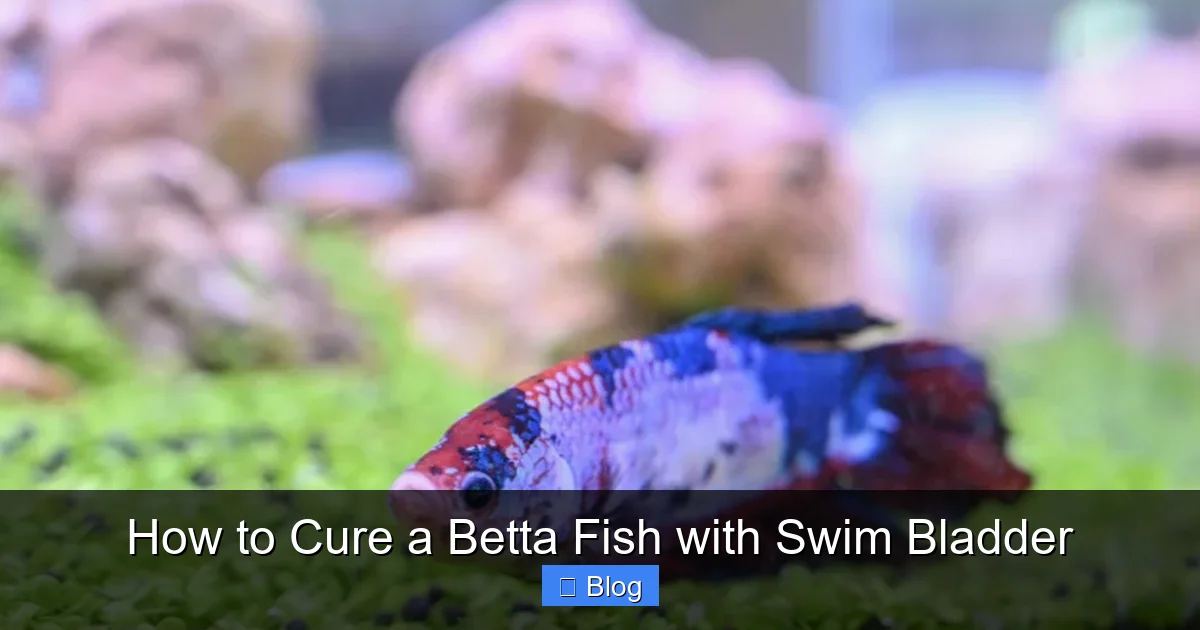
Swim bladder disorder (SBD) in betta fish is a common but often treatable condition causing buoyancy issues. It’s usually not a disease itself but a symptom of digestive problems, infection, or physical injury. The primary treatment involves a rigorous fasting period followed by a careful, fiber-rich diet and impeccable water quality. With patience and proper care, most bettas can recover fully and return to their vibrant, active selves.
Key Takeaways
- SBD is a symptom, not a disease: It indicates a problem with the swim bladder organ, most commonly caused by overfeeding, constipation, or poor water quality.
- Fasting is the critical first step: Withholding food for 24-72 hours clears the digestive tract, often resolving constipation-related buoyancy issues.
- Dietary reform is essential for recovery: After fasting, introduce easily digestible, high-fiber foods like daphnia or pre-soaked peas to prevent recurrence.
- Water quality is non-negotiable: Ammonia and nitrite spikes stress the fish and exacerbate SBD. Maintain pristine water with regular testing and changes.
- Rule out parasites and infections: If fasting and diet fail, internal parasites like Hexamita may be the culprit, requiring specific medication.
- Prevention is the best cure: Feed high-quality food in tiny portions, avoid floating foods that cause gulping air, and always maintain excellent tank conditions.
- Patience and observation are key: Recovery can take days to weeks. Monitor your betta closely for improvements in swimming and appetite.
📑 Table of Contents
Understanding Swim Bladder Disorder in Betta Fish
Seeing your beautiful betta fish floating upside down, sinking to the bottom, or struggling to maintain a normal position is understandably alarming. This classic sign points to a condition commonly called Swim Bladder Disorder, or SBD. Before we dive into cures, it’s crucial to understand what the swim bladder is and why it matters. Think of it as a tiny, gas-filled balloon inside your betta’s body. This organ helps the fish control its buoyancy—whether it floats up, sinks down, or hovers effortlessly in the middle of the tank. When this organ is inflamed, compressed, infected, or physically damaged, its function is disrupted. Your betta loses its ability to navigate the water column gracefully. The good news? In the vast majority of cases, especially with bettas, this is a manageable and often reversible condition. It’s typically a symptom of an underlying issue, most frequently digestive distress, rather than a fatal, untreatable disease. Our goal is to identify and address that root cause.
The Betta’s Unique Anatomy
Betta fish, with their long, flowing fins and compressed bodies, are particularly prone to buoyancy issues. Their body shape leaves less internal space, making the swim bladder more susceptible to pressure from a full, constipated intestine. Unlike many other fish, bettas are also labyrinth fish, meaning they breathe air from the surface. This behavior can lead to gulping excessive air, which can directly impact the swim bladder. Furthermore, their aggressive and curious nature often leads to minor injuries from tank decor or flare-ups with reflections, which can also affect this delicate organ. Understanding these betta-specific vulnerabilities is the first step toward effective treatment and prevention.
Common Causes of Swim Bladder Issues
Pinpointing the cause is half the battle. SBD is a symptom with several common culprits. The most frequent offender, by a wide margin, is related to digestion and diet. However, other factors like water quality and genetics can play a role.
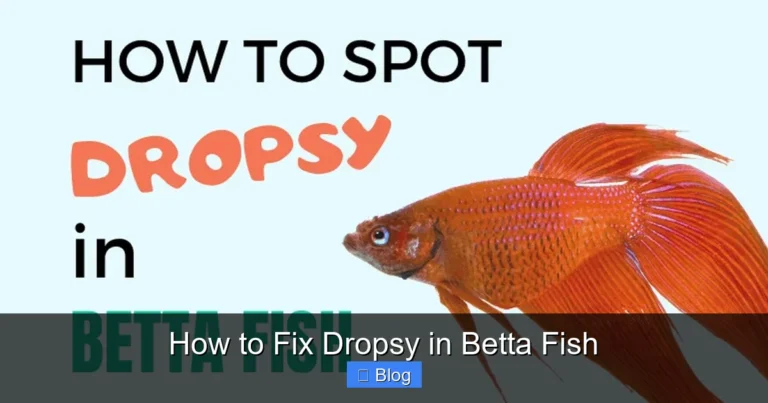
Visual guide about How to Cure a Betta Fish with Swim Bladder
Image source: japanesefightingfish.org
1. Constipation and Overfeeding
This is the #1 cause of SBD in bettas. Betta stomachs are incredibly small, about the size of their eye. Yet owners often feed them too much, or the wrong type of food. Dry pellets and flakes expand in the stomach. If you feed your betta a large portion, this expansion can physically press against the swim bladder, preventing it from functioning. Constipation from a lack of fiber in the diet has the same compressive effect. A constipated betta will often have a visibly swollen, bloated abdomen.
2. Poor Water Quality and Temperature
Ammonia and nitrite are toxic to all fish. Even low, sub-lethal levels of these toxins cause immense stress and inflammation throughout a betta’s body, including the digestive tract and swim bladder. Cold water is another major issue. Bettas are tropical fish from warm, shallow waters. Their metabolism slows dramatically in cold water (below 76°F/24°C), leading to poor digestion and a higher risk of constipation and bacterial infections that can affect the swim bladder.
3. Internal Parasites and Bacterial Infections
Parasites like Hexamita (which causes “hole-in-the-head” disease) or various nematodes can infect the intestinal tract, causing severe inflammation, swelling, and damage that directly impacts the swim bladder. Bacterial infections from poor water can also lead to internal inflammation. In these cases, fasting alone won’t solve the problem, and medication is necessary.
4. Physical Injury or Genetics
A hard bump against tank decor, a jump and fall, or even a bruising encounter with a tank mate can cause internal trauma. Some bettas, particularly those with severe finnage like half-moons, may have a slightly malformed or compressed swim bladder from birth, making them chronically prone to SBD. While you can’t change genetics, you can manage the condition through meticulous diet and care.
Diagnosis: Is It Really Swim Bladder Disorder?
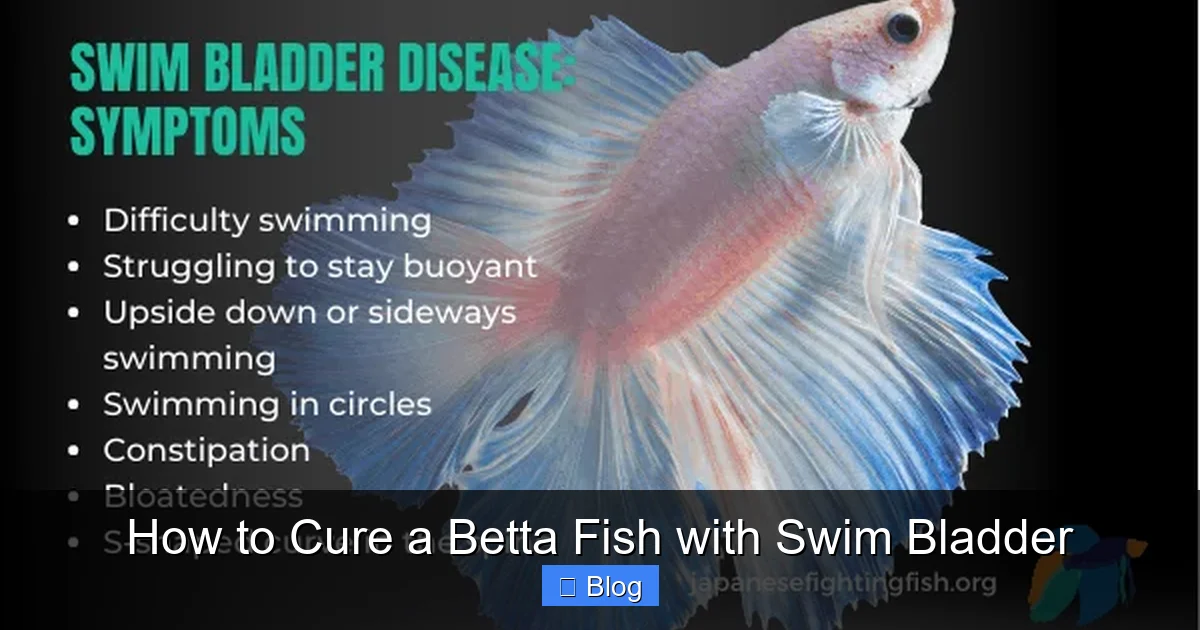
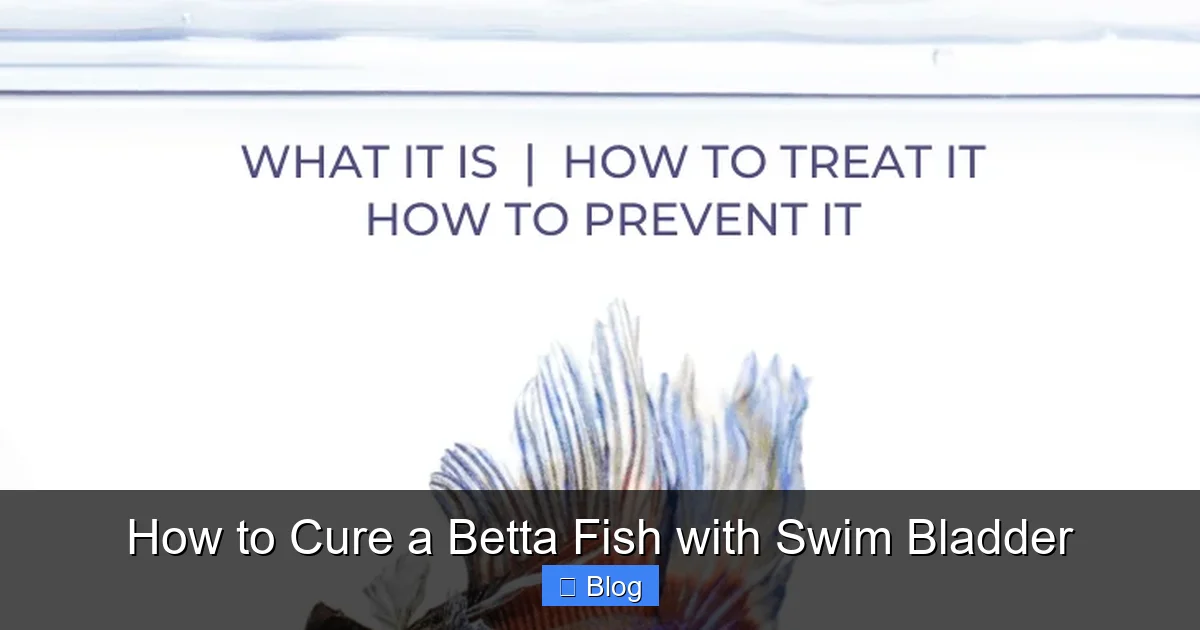
Before starting treatment, you must be confident you’re dealing with SBD and not another issue like dropsy (which causes severe pineconing scales) or a severe external infection. The hallmark of SBD is a persistent problem with buoyancy. Your betta might:
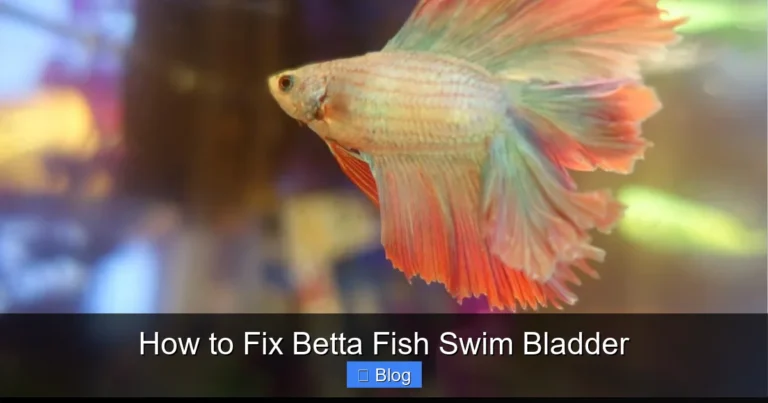
Visual guide about How to Cure a Betta Fish with Swim Bladder
Image source: japanesefightingfish.org
- Float to the top and be unable to dive.
- Sink to the bottom and be unable to rise.
- Swim in circles, tilt to one side, or float upside down.
- Have difficulty maintaining a level position, appearing to “headstand” or “tail-stand.”
Important: The buoyancy issue should be constant or frequently recurring. A single instance of odd swimming could just be a betta being quirky. Also, check your betta’s body. Is there visible swelling or bloat in the belly? That strongly points to constipation. Are the scales raised like a pinecone? That’s dropsy, a separate and often fatal condition. Are there visible wounds or fungal growth? That points to other ailments. For SBD, the fish is otherwise alert (even if struggling), and the primary symptom is positional instability.
The Step-by-Step Treatment Protocol
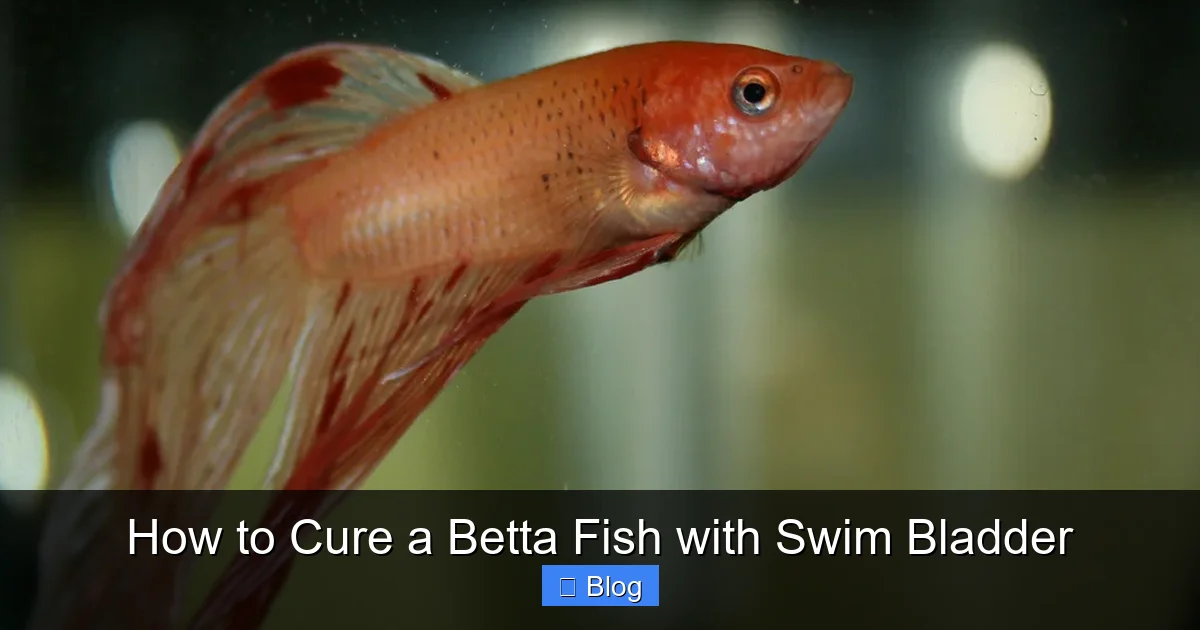
If you’ve diagnosed SBD, follow this systematic approach. Start with the least invasive and most common solutions first. Do not skip the fasting step. It is the most critical and effective initial treatment.
Visual guide about How to Cure a Betta Fish with Swim Bladder
Image source: nippyfish.net
Step 1: The Fast (24-72 Hours)
This is non-negotiable and often resolves the issue on its own. You must stop feeding your betta completely for at least 24 hours, and up to 72 hours if there is significant bloat. This gives the entire digestive system a complete rest and allows any impacted food to pass through. Do not worry about your betta “starving.” A healthy betta can easily go a week without food, and this short fast is therapeutic. During the fast, ensure the water is impeccably clean. Perform a 25% water change with properly conditioned, temperature-matched water. This removes any waste and reduces stress.
Step 2: The “Pea Treatment” or Daphnia
After the fast, it’s time to offer a single, powerful, easily digestible meal. The classic remedy is a cooked, shelled green pea.
- How to prepare: Boil a frozen green pea (or microwave it) until soft. Remove the outer skin—it should slip off easily. Mash the inner pea into a tiny paste or small chunk. For a betta, you only need about 1/8th of a pea. Offer this single piece using tweezers or a pipette.
Why it works: Peas are high in fiber, which acts as a natural laxative to clear the intestines. They are also soft and low in protein, putting minimal strain on the digestive system. An even better, more natural alternative is live or frozen daphnia. Daphnia are tiny crustaceans with a hard shell that, when digested, also acts as a gentle laxative. They are a betta’s natural food in the wild. If using frozen daphnia, thaw a small amount and offer a few individuals.
Wait 24 hours after this single meal and observe. Has your betta’s buoyancy improved? Is it swimming more normally? If yes, you’ve likely cured the SBD. If there is no change or only slight improvement, proceed to the next step.
Step 3: Long-Term Dietary Reform
Whether the pea worked or not, your betta’s diet needs an overhaul to prevent recurrence.
- Ditch the cheap pellets: Many commercial betta pellets are packed with fillers, grains, and fish meal that are hard to digest. Invest in a high-quality, protein-rich pellet (like New Life Spectrum Opti-Bet or Hikari Betta Bio-Gold) where the first few ingredients are whole fish or seafood.
- Soak all dry food: Always soak pellets in a bit of tank water for 5-10 minutes before feeding. This prevents them from expanding in your betta’s stomach.
- Feed sparingly: 2-3 high-quality pellets per day, once a day, is plenty for an adult betta. You can skip a day each week to mimic natural fasting periods.
- Incorporate fiber regularly: Add a tiny piece of shelled pea or a few daphnia to the diet 1-2 times per week as a preventative measure.
- Variety is key: Rotate with occasional treats of frozen or live foods like brine shrimp, microworms, or bloodworms (in moderation, as these are rich).
Step 4: Optimize Water Quality and Temperature
No treatment will be fully effective in poor water. Your betta’s immune system and digestion depend on it.
- Test your water: Use a liquid test kit (like API Master Test Kit) to check for ammonia, nitrite, and nitrate. Ammonia and nitrite must be at 0 ppm. Nitrate should be below 20 ppm.
- Temperature: Use a reliable aquarium heater. Maintain a stable temperature between 78°F and 80°F (25.5°C – 27°C). This optimizes metabolism and digestion.
- Water changes: Perform 25-50% water changes 2-3 times per week. Use a gravel vacuum to remove detritus from the substrate. Always dechlorinate new water with a water conditioner (like Seachem Prime).
Step 5: Consider Medication (If Needed)
If you have completed the fasting, pea treatment, and dietary reform with no improvement after a week, an internal parasite or bacterial infection is likely. Look for other signs: white, stringy feces (parasites); loss of appetite despite normal swimming; or a generally wasted appearance.
- For parasites: A medication containing Metronidazole is the standard treatment. It can be found in products like API General Cure or Seachem MetroPlex. Follow dosing instructions carefully, typically via a medicated food soak or direct dosing in the tank. A full treatment course (often 5-7 days) is required.
- For bacterial infection: A broad-spectrum antibiotic like Kanamycin or a combination medication like Furan-2 may be used. Only use antibiotics if you are reasonably sure of a bacterial cause, and always complete the full course. Misuse contributes to antibiotic resistance.
- Important: Remove any activated carbon from your filter during medication, as it will absorb the medicine. Raise the temperature slightly (to 80-82°F) during treatment to speed up the parasite lifecycle and boost the fish’s immune response.
Prevention: Keeping Your Betta Healthy Long-Term
Curing SBD is rewarding, but preventing it is even better. A few simple, consistent habits will drastically reduce the risk.
The Right Way to Feed
Feed less than you think you should. A betta’s stomach is tiny. A good rule: if you feed pellets, two to three of the smallest size, once a day, is sufficient. Use a feeding ring to keep food in one area and observe to ensure all food is eaten immediately. Remove any uneaten food with a pipette or net after 5 minutes. This prevents it from decaying and fouling the water. Stick to high-quality foods and incorporate fasting and fiber as a regular part of the routine.
Mastering Water Maintenance
Forget the “set it and forget it” myth. A betta’s small tank (minimum 5 gallons) needs regular attention. Test water weekly. Perform partial water changes religiously. Use a filter that provides gentle flow—strong currents stress bettas and can cause them to gulp excessive air from the surface, contributing to SBD. Ensure your filter intake is not so strong that it sucks the betta against it, causing stress or injury.
Safe Tank Environment
Choose decor carefully. Avoid sharp rocks, plastic plants with rough edges, or ornaments with small holes a betta could get stuck in. Smooth silk plants, live plants like Anubias or Java Fern, and soft driftwood are excellent choices. Ensure the tank has a secure lid—bettas are notorious jumpers. A fall can cause internal trauma leading to SBD. Keep the tank in a quiet area away from loud noises and sudden vibrations.
When to Say Goodbye: The Difficult Decision
Most cases of SBD are treatable. However, there are circumstances where the quality of life is severely compromised, and humane euthanasia may be the kindest option. This is a personal and heartbreaking decision, but it’s important to consider your betta’s suffering.
- No improvement after comprehensive treatment: If you have fasted, medicated (if appropriate), optimized water, and reformed the diet for 3-4 weeks with zero improvement, the underlying cause may be irreversible (e.g., severe genetic deformity, permanent physical injury).
- Chronic suffering: The fish is constantly sinking or floating, can never rest properly, is unable to eat without extreme difficulty, and appears stressed and wasted despite your best efforts.
- Accompanying severe illness: If SBD is paired with incurable dropsy, advanced fin rot, or a systemic infection that is not responding to treatment.
Methods like clove oil overdose are considered humane for small fish. Consult a veterinarian or experienced aquatic veterinarian for guidance. Your duty as a caretaker is to prevent suffering. A peaceful, quick end is better than a prolonged, stressful struggle.
Conclusion: Hope and Patience
Swim bladder disorder in betta fish is rarely a death sentence. It is, in most cases, a loud and clear signal from your fish that something in its environment or diet is wrong. By arming yourself with knowledge—understanding the causes, implementing the systematic fast-and-diet protocol, and committing to pristine water conditions—you hold the power to heal your betta. The process requires patience. Recovery might be seen in 24 hours or might take a couple of weeks of careful management. Watch for the small signs: a straighter swim, a successful dive to the bottom, a eager appetite. Each is a victory. Your betta’s resilience is remarkable. With your dedicated, informed care, you can often restore that flowing, graceful swim and enjoy many more months, or even years, with your vibrant aquatic companion. Start with the fast, check your water, and take it one step at a time.
Frequently Asked Questions
How long does it take for a betta fish to recover from swim bladder disorder?
Recovery time varies. If caused by simple constipation, improvement can be seen within 24-48 hours after a fast and pea treatment. For more chronic issues or cases requiring medication, full recovery may take 1-3 weeks of consistent treatment and dietary management.
Can swim bladder disorder spread to other fish?
No. Swim bladder disorder itself is not contagious. It is a symptom of an internal problem in the individual fish. However, if the underlying cause is a waterborne bacterial or parasitic infection, that pathogen could spread to other fish in the same poor water conditions.
Is my betta fish in pain with swim bladder disorder?
While we can’t know their exact experience, SBD causes significant stress and physical difficulty. A betta struggling to swim, constantly sinking or floating, is expending immense energy just to stay alive and is likely stressed. prompt treatment to alleviate this suffering is essential.
Should I use Epsom salt (magnesium sulfate) for my betta?
Epsom salt can help reduce swelling and inflammation in some cases of SBD related to fluid retention or minor inflammation. A common dose is 1 teaspoon per 5 gallons of water, dissolved separately, added to a hospital tank. It is not a cure for constipation but can be a supportive adjunct. Do not use table salt.
My betta’s SBD comes and goes. What does that mean?
>Intermittent SBD is very common and usually points to a chronic dietary issue, like overfeeding or a lack of fiber. The betta’s digestive system is periodically becoming impacted. Strict adherence to a proper, sparse, high-fiber diet will typically resolve the recurring episodes.
When is it time to consider euthanasia for a betta with SBD?
Consider humane euthanasia if there is absolutely no improvement after 3-4 weeks of diligent, correct treatment (fasting, diet, clean water, medication if appropriate), and the fish is visibly suffering—unable to eat, constantly distressed, and wasting away. A life of constant struggle is not a life of quality.