How to Clean Water for Betta Fish
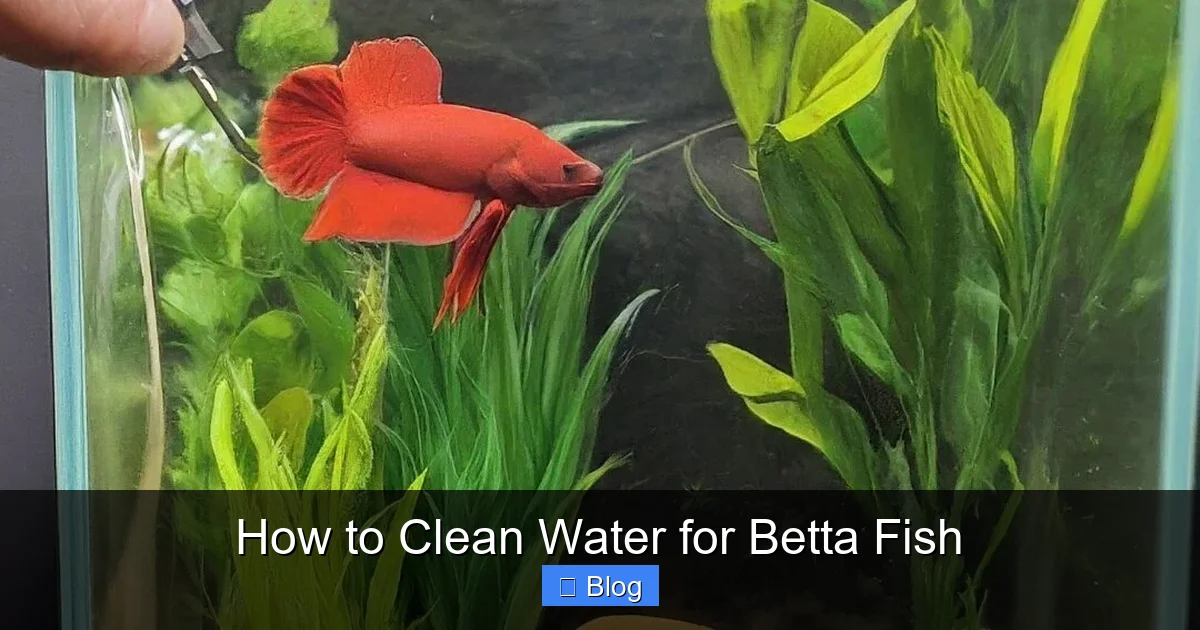
Keeping your betta fish’s water clean is non-negotiable for its health and longevity. Unlike many fish, bettas are sensitive to poor water quality, which can lead to stress, disease, and a shortened lifespan. The process isn’t complicated but requires consistency: you must understand key water parameters, establish a nitrogen cycle, perform regular partial water changes, and properly clean tank equipment. By mastering these fundamentals, you create a thriving, low-stress environment where your betta can display its vibrant colors and fascinating behaviors for years.
Key Takeaways
- Clean water is the #1 factor in betta health: Poor water quality is the primary cause of betta illness and death, directly impacting their labyrinth organ and immune system.
- You must cycle the tank before adding your betta: The nitrogen cycle establishes beneficial bacteria that convert toxic fish waste into less harmful substances; this process takes 4-6 weeks.
- Partial water changes are more important than full cleans: Changing 25-50% of the water weekly removes toxins and replenishes minerals without shocking your betta by wiping out all beneficial bacteria.
- Never use soap or chemicals to clean tank decorations or filters: These products kill essential bacteria. Use only old tank water for rinsing to preserve the biological filter.
- Test your water regularly with a liquid test kit: Strips are less accurate. Monitor ammonia, nitrite, nitrate, and pH to catch problems before your betta shows symptoms.
- Condition tap water every single time: Tap water contains chlorine and chloramines that are fatal to fish. A reliable dechlorinator is mandatory for every water change and top-off.
- A filter is highly recommended, even for bettas: A gentle, adjustable flow filter provides crucial biological filtration and surface agitation for gas exchange, significantly improving water stability.
[FEATURED_IMAGE_PLACEHOLDER]
📑 Table of Contents
- Why Crystal-Clear Water Isn’t Enough: The Real Reason Clean Water Matters for Betta Fish
- Mastering the Basics: Understanding Your Betta’s Water Parameters
- The Foundation: How to Cycle Your Betta Tank (The Most Critical Step)
- The Heart of Maintenance: How to Perform a Perfect Partial Water Change
- Beyond the Water Change: Cleaning the Tank and Equipment Properly
- Troubleshooting: When Clean Water Efforts Go Wrong
- Conclusion: Clean Water is a Habit, Not a Chore
Why Crystal-Clear Water Isn’t Enough: The Real Reason Clean Water Matters for Betta Fish
You scroll through social media and see stunning betta fish in beautifully planted aquariums with water so clear you can see every delicate fin ray. The aesthetic is breathtaking, but what you’re really seeing is a triumph of water chemistry and biology. That clarity is a side effect of a properly balanced ecosystem. For your betta, clean water isn’t about looks—it’s about survival.
Betta fish, or Siamese fighting fish, are anabantoids. They possess a unique labyrinth organ that allows them to breathe atmospheric air. This adaptation lets them survive in stagnant, low-oxygen puddles in the wild. But that doesn’t mean they thrive in dirty water. In fact, their sensitive labyrinth organ is easily irritated by ammonia and other toxins, making them more susceptible to poor water conditions than many other fish. Their wild habitats, while often shallow, are part of a larger, dynamic ecosystem where plant matter and microorganisms help process waste. Your glass box is a closed system with no such natural safety net.
When waste (fish poop, uneaten food, decaying plant matter) builds up, it decomposes and produces ammonia (NH3). Ammonia is a silent, invisible killer that burns gills and damages internal organs. Beneficial bacteria, if present, convert ammonia to nitrite (NO2-), which is also highly toxic. A second type of bacteria then converts nitrite to nitrate (NO3-), which is much less toxic but still needs to be controlled through water changes. This is the nitrogen cycle—the fundamental process of how to clean water for betta fish at a microbial level. Without this cycle running smoothly, your betta is swimming in poison. Clean water, therefore, means managing these invisible parameters, not just removing visible debris.
Mastering the Basics: Understanding Your Betta’s Water Parameters
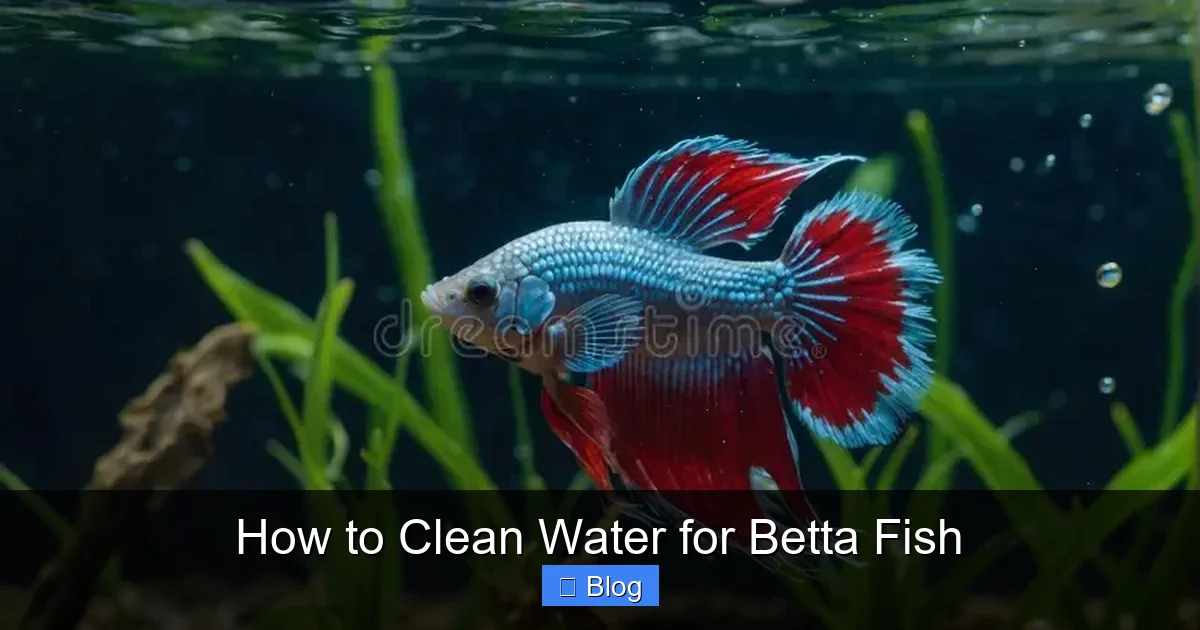
Before you can clean the water, you need to know what you’re cleaning. Guessing or relying on visual cues is a recipe for disaster. You must test your water. Invest in a reputable liquid test kit (API Freshwater Master Test Kit is the industry standard). Test strips are notoriously inaccurate, especially for ammonia and pH. Here’s what you’re aiming for in a cycled, stable betta tank.
Visual guide about How to Clean Water for Betta Fish
Image source: thumbs.dreamstime.com
Ammonia (NH3/NH4+): The Silent Killer
Target: 0 ppm. There is no safe level of ammonia. Even 0.25 ppm can cause severe stress and damage. Ammonia burns are a common sight in uncycled or overstocked tanks, appearing as red, inflamed gills or frayed fins. The presence of ammonia means your tank is not cycled, you are overfeeding, your filter is inadequate, or you have too much decaying matter. Immediate action with a water change and investigation is required.
Nitrite (NO2-): The Stealthy Poison
Target: 0 ppm. Nitrite is even more toxic than ammonia to most fish. It binds to hemoglobin in the blood, preventing oxygen transport, leading to a condition called “brown blood disease” and suffocation. Like ammonia, any detectable nitrite indicates an incomplete or crashing nitrogen cycle. A cycled tank should show nitrite only briefly during the initial cycle or after a major disturbance.
Nitrate (NO3-): The Manageable Byproduct
Target: Below 20 ppm, ideally under 10 ppm. Nitrate is the end product of the nitrogen cycle. It’s far less toxic but accumulates over time. Chronic exposure to high nitrates (above 40 ppm) causes stress, suppresses the immune system, and can lead to conditions like swim bladder disorder. The only way to remove nitrate is through regular partial water changes. Live plants can help consume some nitrate, but they are not a substitute for water changes.
pH: The Stability is Key
Target: 7.0 – 7.5 (slightly acidic to neutral). Bettas are adaptable and can tolerate a pH from 6.5 to 7.5, but extreme swings are dangerous. A stable, slightly acidic pH is ideal. The danger isn’t the number itself, but rapid fluctuations caused by improper water changes, decaying organics, or certain substrates. Always match the pH and temperature of your new water to the tank water during a change to avoid shock.
Temperature: The Warmth Requirement
Target: 78°F – 80°F (25.5°C – 26.5°C). Bettas are tropical fish. Cold water (< 76°F) slows their metabolism, weakens their immune system, and can lead to constipation and swim bladder issues. Use a reliable aquarium heater (5-watt per gallon is a good rule) and a thermometer. Temperature stability is crucial; avoid placing the tank in drafty areas or near windows.
The Foundation: How to Cycle Your Betta Tank (The Most Critical Step)
You cannot skip this. “Cleaning” a tank that isn’t cycled is like mopping a floor while the sewage pipe is broken—you’re just moving the problem around. Cycling is the 4-6 week process of establishing a colony of beneficial bacteria that live on your filter media, substrate, and hardscape. These bacteria are your cleaning crew. Here’s how to set them up.
Visual guide about How to Clean Water for Betta Fish
Image source: thumbs.dreamstime.com
Setting Up for Success: The Fishless Cycle (Highly Recommended)
The most humane and controlled method. You add a source of ammonia (pure ammonia from a store, a piece of shrimp, or a few flakes) to an empty tank with your filter running. You then test the water daily. You’ll see ammonia spike, then drop as nitrite rises. Finally, nitrite will drop and nitrate will rise. Once you can add ammonia and see it convert to nitrate within 24 hours with zero ammonia and nitrite readings 24 hours later, your tank is cycled. Perform a large water change to remove the built-up nitrate, and your tank is ready for your betta. This method introduces zero stress to the fish.
The Alternative: Cycling with Your Betta (Not Ideal, But Possible)
Some stores may advise adding your betta immediately. If you must, you become the beneficial bacteria surrogate via massive, daily water changes. You will need to test twice daily. Any sign of ammonia or nitrite (0.25 ppm+) requires an immediate 50% water change. This is stressful for you and your fish and carries a high risk of poisoning. The fish-in cycle can take months of vigilant monitoring. It is far better to wait and cycle the tank first.
Using a Bacteria Starter
Products like Seachem Stability or Fritz Zyme 700 can help “seed” your tank with bacteria. They are not magic bullets that cycle a tank in a day, but they can shorten the process and are very useful after a water change or when adding new fish. Add them according to directions during the cycling process and after every maintenance.
The Heart of Maintenance: How to Perform a Perfect Partial Water Change
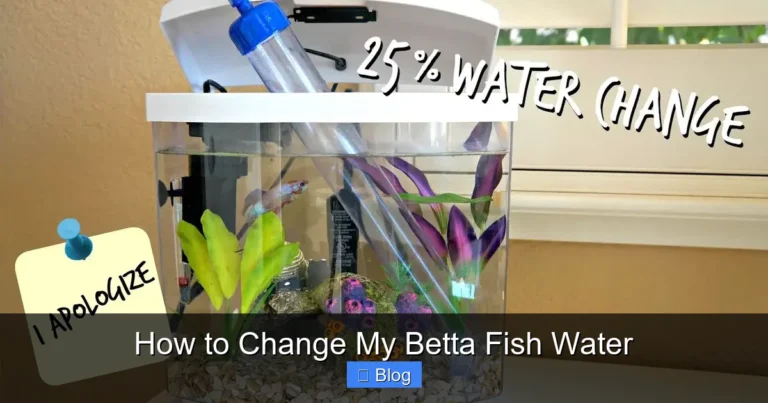
This is the single most important recurring task in how to clean water for betta fish. A partial water change (PWC) dilutes toxins, removes waste, and replenishes trace minerals. A full water change is catastrophic as it removes all your beneficial bacteria and causes severe stress.
Visual guide about How to Clean Water for Betta Fish
Image source: wallpapers.com
Step-by-Step Guide to a Safe 25-50% Water Change
What You’ll Need: A dedicated gravel vacuum/siphon, a clean bucket (never used for soap or chemicals), your water conditioner, and your test kit.
- Prep: Fill your clean bucket with tap water. Add the correct dose of water conditioner (like Seachem Prime) per the gallon amount. Let it sit. If your tap water is very hard or soft, you may need to research buffering agents, but conditioner is the absolute minimum.
- Temperature Match: The new water must be within 1-2°F of the tank water. Use a thermometer. If needed, add a little warm or cold tap water to the bucket to achieve this.
- Test: Test your tank water. Note ammonia, nitrite, nitrate.
- Siphon: Insert the gravel vacuum into the substrate. Gently stir the top layer to release trapped waste and debris. Siphon out 25-50% of the tank water, along with the debris. Pay special attention to areas with leftover food or behind decorations. Do not disturb the sand/gravel too deeply if you have live plants.
- Refill: Slowly pour the conditioned, temperature-matched water back into the tank. Pour it against the glass or use a cup to avoid disturbing the substrate too much. A slow trickle prevents shocking your betta.
- Dispose: Dump the old tank water down a sink or toilet. Do not use it to water houseplants if you use certain medications.
How Often and How Much?
For a properly cycled 5-gallon+ tank with a filter, a 25% water change once a week is the standard. For smaller, unfiltered bowls (which are not recommended), you may need 50% changes every other day. The best guide is your nitrate level. If your nitrate test shows 20 ppm before a weekly change, you’re on track. If it’s hitting 40 ppm, increase the change volume or frequency. Always use your test kit as your guide, not the calendar alone.
Beyond the Water Change: Cleaning the Tank and Equipment Properly
Cleaning the tank glass and decor is part of the routine, but it must be done correctly to avoid destroying your biological filter.
Cleaning the Glass and Decor
Use an algae pad (the kind for acrylic tanks if you have acrylic) or a clean, unused sponge (no soap residue!) to scrub the inside of the glass. For stubborn algae, a razor blade (for glass only) can be used carefully. For decorations, rocks, and silk plants, remove them from the tank and rinse them thoroughly in the old tank water you just siphoned out. This water contains beneficial bacteria. Rinsing them under the tap with cold water will kill the bacteria. Use a toothbrush to scrub crevices. Never, under any circumstances, use soap, dish detergent, or any cleaning product on anything that goes into the tank.
Filter Maintenance: The Do’s and Don’ts
Your filter is home to the majority of your beneficial bacteria. Cleaning it wrong is a leading cause of “new tank syndrome” crashes.
- DO: Rinse your filter media (sponges, bio-balls, ceramic rings) in the old tank water from your water change. Gently squeeze sponges to remove solid waste. Only replace 25% of your media at a time, and never all of it at once. If you must replace media, put the old media alongside the new for a month to seed it.
- DO NOT: Use tap water to rinse filter media. The chlorine will kill the bacteria. Do not replace all filter media at once. Do not over-clean it; you want it to look slightly dirty—that’s the bacteria.
Gravel Vacuuming: The Key to Substrate Cleaning
As mentioned in the PWC steps, the gravel vacuum is your best friend. It removes waste that settles into the substrate, which is a major source of ammonia as it decomposes. Angle the vacuum into the gravel and hover slightly above the bottom to suck up loose debris without sucking up too much gravel. For sand substrates, be even gentler and don’t plunge the vacuum too deep.
Troubleshooting: When Clean Water Efforts Go Wrong
Even with the best routine, problems can arise. Here’s how to diagnose and fix common water quality issues.
“My Water is Cloudy/Milky”
This is usually a bacterial bloom. It’s common in new tanks as the bacterial population explodes to handle waste. It’s not directly harmful but indicates an imbalance. The solution is patience and regular water changes to remove the excess nutrients feeding the bacteria. It will clear on its own as the cycle stabilizes. In an established tank, it can mean overfeeding or a dead organism decomposing. Test for ammonia and nitrite.
“I Have Algae Everywhere!”
Algae is a symptom of an imbalance, usually too much light and/or too many nutrients (nitrate, phosphate). First, reduce light: move the tank away from windows, turn off tank lights for 48 hours, or shorten photoperiod to 6-8 hours. Second, increase water changes to lower nitrates. Third, manually remove it. Adding fast-growing live plants (like floaters: frogbit, duckweed) can outcompete algae for nutrients. Never use algae-killing chemicals; they are dangerous to fish.
“My Parameters are Spiking After a Change”
This means you likely didn’t condition the water properly, the temperature was off, or you disturbed the substrate too much, releasing a large amount of trapped ammonia. Always use conditioner. Match temperatures. Vacuum gently. Test the new water in your bucket before adding it to the tank to ensure it’s safe. If parameters spike in the tank after a change, perform another 25% change with properly conditioned water.
Conclusion: Clean Water is a Habit, Not a Chore
Learning how to clean water for betta fish is the single most important thing you can do for your pet. It moves you from being a pet owner to a dedicated aquarist. The process—testing, changing, rinsing—becomes a rhythmic, mindful habit. You stop looking at your betta and just seeing a beautiful fish. You start seeing the entire ecosystem in that glass box: the invisible bacteria working tirelessly, the plants absorbing nitrate, the stable temperature and pH, and the result: a vibrant, active, healthy betta that flares at you, builds bubble nests, and lives its full 3-5 year lifespan (or more!).
Start with the cycle. Commit to weekly water changes. Test regularly. Clean your filter with care. By respecting the science of the aquarium, you provide the clean, stable water that allows your betta’s natural beauty and personality to truly shine. It’s not just about keeping a fish alive; it’s about creating a thriving world for it to live in. That’s the real secret to a happy betta.
Frequently Asked Questions
Can I use bottled spring water for my betta tank?
Generally, no. Bottled spring water varies wildly in mineral content and pH, which can cause dangerous swings. It also lacks essential minerals and is expensive long-term. Properly conditioned tap water is almost always the best, most stable choice.
How long can a betta survive without a water change in a cycled tank?
In a properly cycled, appropriately sized tank (5+ gallons) with a filter, a betta can go a week without a change if nitrate levels are kept low. However, weekly 25% changes are the standard for maintaining optimal health and preventing nitrate creep. Smaller, uncycled enclosures will foul in days.
Do betta fish need a filter?
Yes, a filter is strongly recommended. It provides essential biological filtration (housing the good bacteria) and surface agitation for oxygen exchange. Choose a filter with an adjustable flow, as bettas dislike strong currents. A sponge filter is an excellent, gentle option for small tanks.
Is it safe to use vinegar to clean algae off my betta tank?
Vinegar can be used to clean the outside of the glass, but it must be rinsed thoroughly with water and the tank must be completely dry before refilling. Never add vinegar to the tank water, as it will alter pH and harm fish. For inside algae, use an algae pad or a dedicated scraper.
My betta tank is cloudy after I cleaned the filter. What happened?
You likely rinsed the filter media in tap water, killing the beneficial bacteria. This caused a bacterial die-off and a spike in ammonia as the tank’s biofilter collapsed. The cloudiness is a bacterial bloom. Immediately test for ammonia and perform a 25-50% water change with conditioned water. Do not clean the filter again for several weeks.
Can I use rainwater for my betta fish?
Rainwater is not recommended. It is extremely soft (low in minerals), can contain atmospheric pollutants, and its pH is unstable. It lacks the essential minerals (like calcium and magnesium) that fish need for osmoregulation. Stick to conditioned tap water for consistent, safe parameters.