How Often Do U Feed Betta Fish
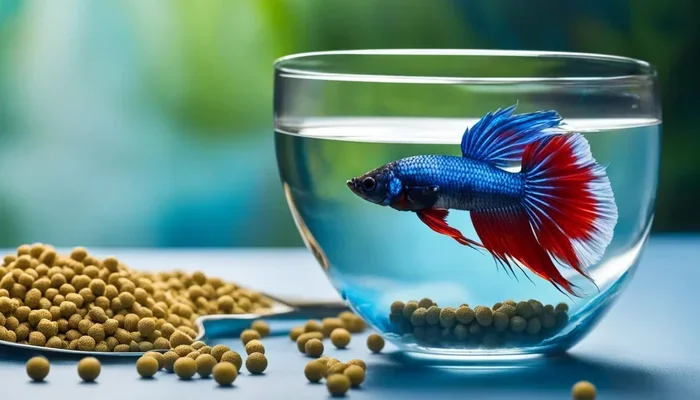
So, how often do u feed betta fish? The short answer is twice a day, once in the morning and once in the evening. Most betta fish thrive on two small meals per day with one fasting day per week. Overfeeding is the biggest mistake new betta owners make, so keeping portions small and consistent is key to your fish staying healthy and active.
If you just brought home a betta fish, you are probably wondering about one of the most important parts of betta fish care: feeding. How often do u feed betta fish? It sounds like a simple question, but the answer has a few important details you need to know. Getting the feeding schedule right makes a huge difference in your fish’s health, color, and lifespan.
Many new fish owners make the mistake of either feeding too much or too little. Both problems can lead to serious health issues. Too much food pollutes the water and causes bloating. Too little food leads to malnutrition and a weak immune system. This guide will walk you through everything you need to know about how often do u feed betta fish, what to feed them, and how to avoid common mistakes.
Your betta fish depends on you for every meal. That is a big responsibility, but it is also one of the most rewarding parts of fish keeping. Once you understand your betta’s needs, feeding becomes second nature. Let us dive into the details.
Key Takeaways
- Feed your betta twice a day: Morning and evening meals work best for most bettas.
- Watch portion sizes: Only give what your fish can eat in two minutes to avoid overfeeding.
- Include one fasting day per week: This helps prevent constipation and keeps digestion healthy.
- Choose high-quality pellets: They should be the staple of your betta’s diet.
- Vary the food: Mix in frozen or live foods occasionally for extra nutrition.
- Observe your fish: Appetite changes can signal stress or illness early on.
- Clean uneaten food promptly: Leftover food harms water quality fast.
📑 Table of Contents
- How Often Do U Feed Betta Fish: The Basic Schedule
- What to Feed Your Betta Fish
- Portion Control: How Much Is Enough?
- How Often Do Betta Fish Eat in the Wild
- Special Feeding Situations
- Common Feeding Mistakes to Avoid
- How Feeding Ties Into Overall Tank Maintenance
- Final Thoughts on How Often Do U Feed Betta Fish
How Often Do U Feed Betta Fish: The Basic Schedule
The standard feeding frequency for betta fish is twice a day. This means one meal in the morning and one in the evening. This schedule mimics their natural eating patterns in the wild, where they forage for small meals throughout the day.
Here is a simple daily routine to follow:
- Morning feeding: Give a small portion of pellets or flakes around the same time each day.
- Evening feeding: Offer another small portion, about 8 to 12 hours later.
- Fasting day: Skip one feeding per week, usually on a weekend day. This gives the digestive system a break.
Consistency matters a lot. Bettas do best when they know when to expect food. Try to feed at the same times every day. This also helps you notice changes in appetite quickly, which can be an early sign of betta fish health problems.
If you ever wonder how often you feed a betta fish, this twice-a-day routine is the gold standard most experts agree on. Some people ask if once a day is enough. For adult bettas, twice a day is ideal. For betta fry, you may need to feed them three or four times a day in tiny portions.
Why Twice a Day Works Best
Betta fish have small stomachs. Their stomach is roughly the size of their eyeball. This means they cannot handle large meals. Two small feedings per day keep things running smoothly without overloading the digestive system.
Feeding too much at once can cause a condition called bloating, which is painful and sometimes fatal for bettas. Smaller, more frequent meals also match how bettas eat in their natural habitat. In the warm waters of Thailand, bettas snack on small insects and larvae throughout the day. They do not get one big meal.
What to Feed Your Betta Fish
Now that you know the schedule, let us talk about food. Not all fish food is created equal. The quality of your betta’s diet directly impacts their energy, color, and longevity.
Best Food Options for Bettas
Here are the top food choices for your betta fish:
- High-quality betta pellets: These should be the foundation of every meal. Look for pellets with a protein content of 30% or higher. How much you feed a betta fish depends on the pellet size, so always follow the package guidelines.
- Frozen or live foods: Bloodworms, brine shrimp, and daphnia are excellent treats. They mimic what bettas eat in the wild and boost their natural hunting instincts.
- Betta flakes: Some owners use flakes, but they tend to be less nutritious than pellets. If you use flakes, choose a brand made specifically for bettas.
- Freeze-dried foods: These are a good alternative to frozen foods. Just soak them in tank water before feeding to prevent digestive issues.
Foods to Avoid
Not everything is safe for bettas. Here are foods you should never offer:
- Goldfish food: It lacks the protein levels bettas need. Can you feed a betta fish goldfish food? The answer is no, it is not a good substitute.
- Bread or crackers: These fill the stomach with air and cause serious digestive problems.
- Feeding too many treats: Freeze-dried bloodworms are great as an occasional treat, but they should not replace staple pellets.
Portion Control: How Much Is Enough?
Portion control is just as important as feeding frequency. Even if you get the schedule right, too much food at each meal can harm your fish. The general rule is simple: only give your betta what it can eat in about two minutes.
For pellets, this usually means two to four pellets per feeding. For flakes, a small pinch will do. If there is leftover food after two minutes, remove it from the tank right away. Uneaten food decays quickly and releases ammonia into the water, which is toxic to fish.
If you are unsure about how much do I feed a betta fish, start with a smaller portion and increase slightly if your fish finishes everything quickly. Every betta is different, and factors like age, activity level, and water temperature affect how much they need.
Signs You Are Overfeeding
Watch for these warning signs that tell you your betta is getting too much food:
- Cloudy water shortly after feeding
- Swollen or distended belly
- Food left uneaten after several minutes
- Lethargy or floating near the surface
- Constipation or difficulty swimming
If you notice any of these signs, reduce the portion size immediately. A short fasting period of one to two days can also help clear up digestive issues.
How Often Do Betta Fish Eat in the Wild
Understanding your betta’s natural eating habits helps you create a better feeding routine at home. In the wild, bettas live in shallow rice paddies, slow-moving streams, and flood plains in Southeast Asia. They are opportunistic eaters, which means they grab small meals whenever food is available.
Wild bettas eat tiny insects, larvae, and small crustaceans throughout the day. They do not gorge on one big meal. Instead, they snack frequently. This is why replicating a feeding frequency of two small meals per day works so well for captive bettas.
If you want to learn more about natural betta eating patterns, check out this guide on how often betta fish eat in their natural environment. It provides great insight into how to mirror those patterns in your aquarium.
Why Mimicking Natural Habits Matters
When you feed your betta in a way that matches their natural instincts, several positive things happen:
- Better digestion: Small, frequent meals are easier to process.
- More natural behavior: Your betta will display hunting and foraging behaviors, which keeps them mentally stimulated.
- Improved color: A diet that matches their nutritional needs brings out vibrant colors.
- Longer lifespan: Bettas that are not overfed tend to live longer and stay healthier.
Remember that bettas are not like goldfish or other tropical fish that can graze all day. Bettas have a specific digestive design that works best with structured, scheduled meals. This is a key part of betta fish care that many beginners overlook.
Special Feeding Situations
Sometimes, the standard twice-a-day routine needs adjustments. Here are some situations where you might need to change your approach.
Feeding a Sick or Stressed Betta
If your betta is showing signs of illness, appetite often changes first. A sick betta may refuse food or eat very little. In this case:
- Offer smaller portions than usual.
- Soak pellets in tank water before feeding to make them easier to digest.
- If your fish refuses food for more than three days, consult a vet who specializes in fish.
Feeding a Baby Betta (Fry)
Betta fry have tiny stomachs and need to eat more frequently than adult bettas. Feed fry three to four times a day with very small amounts of food. How to feed betta fish fry requires special food like infusoria or finely crushed pellets. As they grow, you can gradually reduce the feeding frequency and increase portion sizes.
Feeding When You Are Away
Going on vacation does not mean your betta goes hungry. For trips lasting one to three days, your betta can safely fast. For longer trips, consider using an automatic feeder or asking a friend to feed your fish. Never use a vacation feeder block, as these often release too much food at once and foul the water quickly.
For detailed tips on feeding your betta while you are away, visit this guide on how to feed my betta fish during travel.
Common Feeding Mistakes to Avoid
Even experienced fish keepers sometimes make feeding mistakes. Here are the most common ones and how to fix them:
- Overfeeding: This is the number one mistake. Bettas will eat as long as food is available, but their stomachs cannot handle large amounts. Stick to the two-minute rule.
- Feeding at random times: Irregular feeding schedules stress your fish. Set alarms if you need to, and keep the routine consistent.
- Ignoring fasting days: Skipping one day of feeding per week helps prevent constipation and keeps the digestive system healthy.
- Using low-quality food: Cheap fish food is full of fillers that bettas cannot digest properly. Invest in high-quality betta-specific pellets.
- Not removing uneaten food: Leftover food decays within hours and spikes ammonia levels. Use a small net or turkey baster to remove uneaten food after feeding time.
Avoiding these mistakes alone will dramatically improve your betta’s quality of life. Combined with a proper feeding schedule and good water maintenance, your betta can live a long, happy, and colorful life.
Quick Tips for Perfect Feeding
Here are some bonus tips to make feeding time easier and more effective:
- Soak dry pellets for a few seconds before adding them to the tank. This prevents them from expanding in your betta’s stomach.
- Use a feeding ring or target feeding stick to keep food in one spot and reduce waste.
- Rotate between pellets and frozen foods for a balanced betta fish nutrition profile.
- Watch your betta eat to make sure they are actually consuming the food and not just playing with it.
- Keep a feeding log if you are tracking appetite or health changes.
How Feeding Ties Into Overall Tank Maintenance
Feeding and tank maintenance go hand in hand. Every time you feed your betta, leftover food breaks down and affects water quality. This is why a consistent cleaning schedule is just as important as a consistent feeding schedule.
If you are wondering how often to clean a betta fish tank, the answer is usually a partial water change of 20 to 25% every week. This removes the buildup from uneaten food and waste, keeping the tank healthy between cleanings.
A clean tank means a healthier betta, and a healthy betta has a better appetite and digests food more efficiently. It is a cycle that feeds on itself. When you get the feeding and cleaning routines right, everything else in your aquarium falls into place.
Good water parameters also affect how often and how much your betta eats. Bettas in clean, warm water with stable temperatures tend to eat eagerly and digest food properly. If your water quality drops, your betta may lose interest in food entirely.
Final Thoughts on How Often Do U Feed Betta Fish
Getting the betta fish feeding schedule right is one of the simplest yet most impactful things you can do for your fish. Feed your betta twice a day, keep portions small, and include one fasting day each week. Choose high-quality food, remove uneaten portions, and watch for signs of overfeeding or underfeeding.
The question of how often do u feed betta fish comes down to consistency and moderation. Your betta fish will thrive when you stick to a routine, provide nutritious food, and keep the tank clean. These small daily efforts add up to years of vibrant, active, and healthy fish.
Remember that every betta is an individual. Some may eat a little more, some a little less. Pay attention to your fish’s behavior, adjust as needed, and enjoy the process of caring for your beautiful pet. You have got this, and your betta will thank you with bright colors and lively energy every single day.
Frequently Asked Questions
How often do u feed betta fish flakes?
You can feed betta fish flakes once or twice a day, just like pellets. The key is to give a small pinch that your fish can finish within two minutes. Flakes tend to lose nutritional value quickly once exposed to air, so only take out what you need for each feeding.
Can I feed my betta fish once a day instead of twice?
Once a day can work for some adult bettas, but twice a day is better for most fish. If you feed once a day, make sure the portion is appropriate and that you still include a weekly fasting day. Some owners prefer once-a-day feeding because it reduces the risk of overfeeding.
What happens if I overfeed my betta fish?
Overfeeding causes bloating, constipation, and poor water quality from uneaten food decaying in the tank. In severe cases, it can lead to swim bladder disease or even death. Always feed small portions and remove any leftover food after two minutes.
How do I know if I am feeding my betta enough?
A well-fed betta will have a healthy appetite, vibrant colors, and steady energy levels. If your betta is losing weight, looking pale, or constantly begging for food, you may need to increase the portion slightly. If your fish looks bloated or leaves food behind, you are likely feeding too much.
Should I skip feeding my betta fish when I go on vacation?
For trips under three days, your betta can safely skip meals. Bettas can go without food for up to a week without harm. For longer trips, arrange for someone to feed your fish or use an automatic feeder set to the correct portion size.
What is the best time of day to feed betta fish?
Morning and evening work best for most bettas. Try to feed at the same times every day to build a routine. Morning feeding gives your betta energy for the day, and evening feeding mimics the natural feeding pattern of catching food at dusk in the wild.
=== CONCLUSION ===
Learning how often do u feed betta fish is the foundation of great betta care. Stick to a twice-a-day schedule, keep portions small, and never skip your weekly fasting day. Choose high-quality food, watch for overfeeding signs, and keep the tank clean. With these simple habits, your betta fish will live a long, healthy, and colorful life. Start today, stay consistent, and enjoy watching your betta thrive.