How Often Do You Feed a Betta Fish
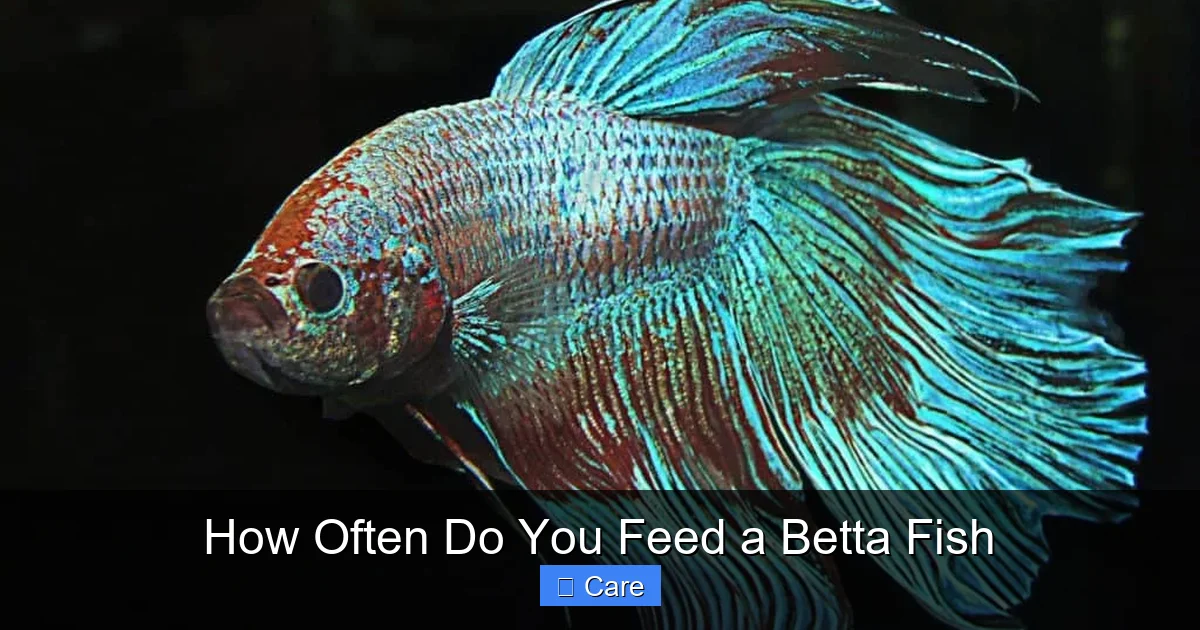
Feeding your betta fish correctly is simple but critical for its health. The general rule is to feed your betta once or twice daily, offering only what it can consume in 2-3 minutes, typically 2-3 pellets or a small pinch of food. Overfeeding is the #1 mistake and leads to serious health issues like constipation, swim bladder disease, and poor water quality. Consistency, high-quality food, and observing your fish are key to a long, vibrant life.
Key Takeaways
- Feed Once or Twice Daily: Adult bettas thrive on 1-2 meals per day. This schedule mimics their natural foraging habits and prevents digestive strain.
- Portion Control is Everything: A betta’s stomach is roughly the size of its eye. Feed 2-3 high-quality pellets or an equivalent small amount that is fully consumed in 2-3 minutes.
- Overfeeding is Dangerous: Excess food decays, polluting water and causing constipation, swim bladder disorder, and fatal bloat. It’s the most common cause of betta health problems.
- Fast Once a Week: Implementing a 24-hour fast once per week gives the digestive system a rest, helps clear any blockages, and is a natural part of a betta’s cycle.
- Food Quality Matters: Use a high-quality pellet formulated specifically for bettas (carnivores). Supplement sparingly with frozen or live foods like brine shrimp or daphnia.
- Observe and Adjust: Watch your betta eat. If food sinks and is ignored, you’re feeding too much. Adjust portions based on your individual fish’s appetite and activity level.
- Consistency Over Perfection: A consistent routine is more important than an exact clock time. Feed at similar times each day to establish a healthy pattern.
📑 Table of Contents
- The Critical Question: How Often Do You Feed a Betta Fish?
- Understanding Your Betta’s Digestive System & Natural Habits
- The Standard Feeding Schedule: 1-2 Meals Per Day
- The “What” Matters: Choosing the Right Food for Your Feeding Schedule
- Common Feeding Mistakes & How to Spot the Signs of Trouble
- Special Considerations: Fasting, Breeding, and Seasonal Adjustments
- Conclusion: The Simple Path to a Healthy, Vibrant Betta
The Critical Question: How Often Do You Feed a Betta Fish?
So, you’ve brought home a stunning betta fish, with its flowing fins and vibrant colors. You’ve set up a beautiful tank, complete with plants and perhaps a gentle filter. Now, the most fundamental daily question arises: how often do you feed a betta fish? It seems simple, but getting this one detail right is arguably the most important factor in your betta’s long-term health and vitality. The answer, while straightforward, is surrounded by myths and confusion that lead well-meaning owners into the trap of overfeeding. Let’s clear the water, so to speak, and establish a perfect, sustainable feeding routine for your aquatic companion.
The short, definitive answer is this: you should feed a healthy adult betta fish once or twice a day. That’s it. Not three times. Not whenever you walk past the tank. Not a “big meal” on the weekends. Once or twice daily, with a portion no larger than its eyeball. This simple rule is the cornerstone of betta care. Why such a tiny amount? Bettas are small, with tiny digestive tracts. They are natural surface feeders in the wild, eating small insects and larvae that happen to land on the water’s surface. Their metabolism is not designed for large, protein-heavy meals. In captivity, with food readily available and no need to hunt, the risk of overfeeding is enormous. Understanding the “why” behind the “how often” will empower you to make the right choices every single day.
Understanding Your Betta’s Digestive System & Natural Habits
To truly grasp the feeding frequency, we need to think like a betta. In the shallow, warm waters of Southeast Asia’s rice paddies and streams, bettas are opportunistic carnivores. They don’t graze all day. Instead, they conserve energy, displaying a lazy, floating demeanor, and then strike with explosive speed when a small insect or piece of protein hits the water’s surface. They might get one or two substantial “hits” in a day, and sometimes go a day with very little. Their digestive systems are built for this feast-or-famine rhythm, not for constant snacking.
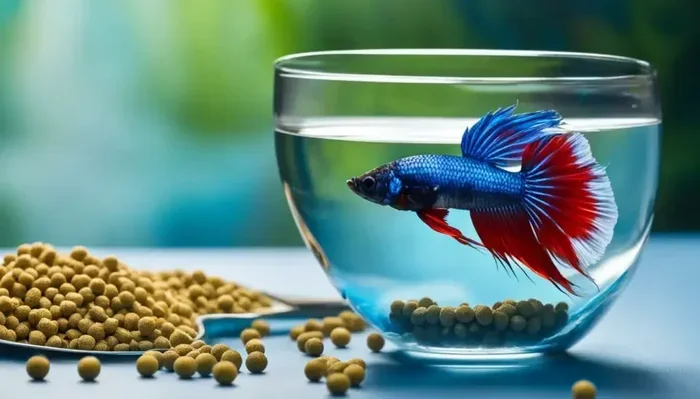
Visual guide about How Often Do You Feed a Betta Fish
Image source: fishlab.com
Stomach Size: The Eyeball Rule
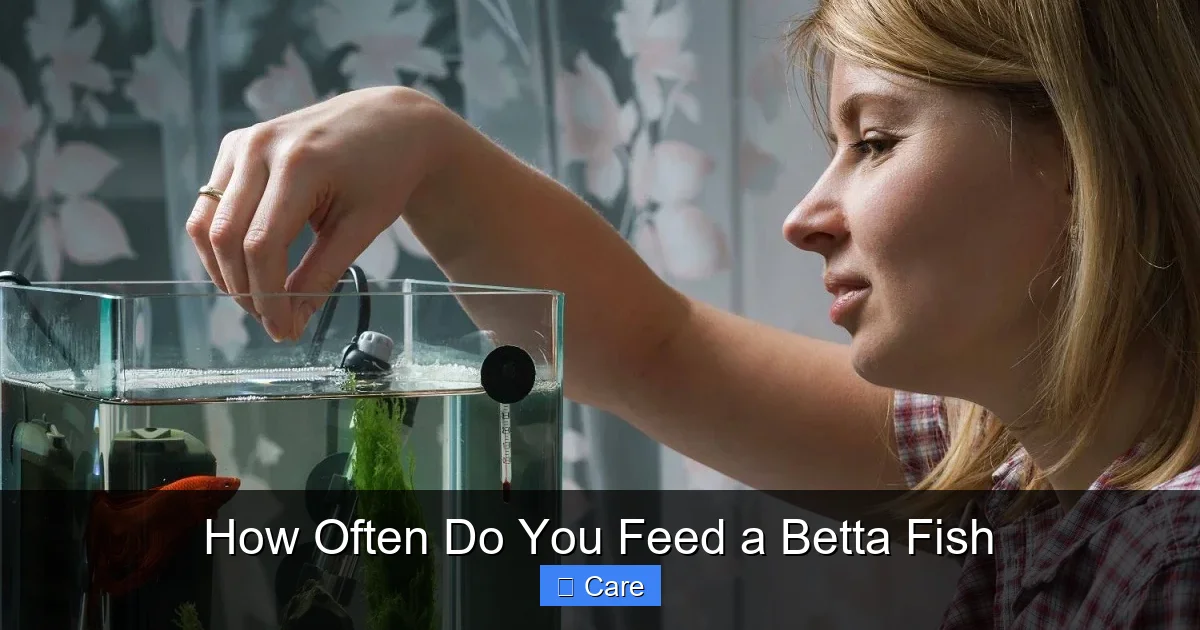
The most practical and reliable guideline for portion size is the “eyeball rule.” A betta’s stomach is approximately the size of one of its own eyes. This is not a cute analogy; it’s a biological fact. Therefore, the total volume of food per meal should not exceed the size of its eyeball. For typical commercial betta pellets, this usually means 2-3 pellets per feeding for an average-sized adult. If you’re using flakes, pinch off a tiny amount—no more than a small snowflake. If using frozen or live foods, offer a few small pieces, roughly the size of the pellet recommendation. This tiny volume is sufficient to meet its nutritional needs without overwhelming its system.
The 2-3 Minute Rule
Even with the eyeball rule, observation is key. Place the food in the tank and watch. Your betta should actively consume it within 2-3 minutes. If food is sinking to the bottom and being ignored after this time, you have fed too much. Any uneaten food must be promptly removed with a net or siphon. Why the urgency? That leftover food begins to decompose immediately, releasing ammonia and other toxins into the water. Poor water quality is a silent killer, stressing your fish and compromising its immune system, making it susceptible to diseases like fin rot. The 2-3 minute rule is your first and best defense against a polluted tank.
The Standard Feeding Schedule: 1-2 Meals Per Day
With the portion understood, let’s lock in the frequency. For the vast majority of adult bettas, a schedule of once or twice daily is ideal. This provides consistent nutrition without overtaxing the digestive system. But when should you choose once vs. twice?
Visual guide about How Often Do You Feed a Betta Fish
Image source: fishkeepingadvice.com
When to Feed Once a Day
Feeding once a day is a perfectly healthy and simple option. It closely mimics some natural patterns and eliminates any chance of accidental overfeeding. This is an excellent choice for:
- Owners with busy schedules who want a no-fuss routine.
- Less active or older bettas with slower metabolisms.
- Any betta, really. Once a day, with the correct portion, is 100% adequate.
Choose a consistent time each day, typically in the morning or early afternoon, when you are likely to be home and can observe the fish. Avoid feeding right before bed, as your betta will be less active and may not eat, leaving food to decay overnight.
When to Feed Twice a Day
Feeding twice a day can be beneficial for:
- Very active, high-energy bettas that seem constantly on the move.
- Young bettas (fry and juveniles) who are growing rapidly and have higher energy demands. (They require more frequent, smaller feedings of appropriately sized food).
- Owners who enjoy the interaction of feeding and want to bond with their fish twice daily.
If you choose two meals, space them out by about 8-12 hours. For example, a small feeding at 9 AM and another at 5 PM. The total daily food volume should still not exceed the equivalent of 2-3 pellets. So, you might give 1 pellet in the morning and 1 pellet in the evening, rather than 2-3 at once. This “split portion” can be easier for some bettas to digest.
The Vital Weekly Fast
Here is a pro-tip that separates knowledgeable betta keepers from beginners: implement a 24-hour fast once per week. This means choosing one day a week—often a Sunday—to provide no food at all. This practice is not cruel; it’s biologically beneficial. It gives the digestive tract a complete rest, helps clear any minor blockages or undigested food, and can stimulate appetite. In the wild, a betta might naturally experience a day without a successful catch. This weekly reset is a powerful tool for preventing constipation and swim bladder issues, which are often directly linked to continuous feeding. Your betta will be fine and may even be more enthusiastic at the next meal.
The “What” Matters: Choosing the Right Food for Your Feeding Schedule
“How often” is only half the equation. “What” you feed is equally important. A poor-quality diet will cause problems regardless of the schedule.
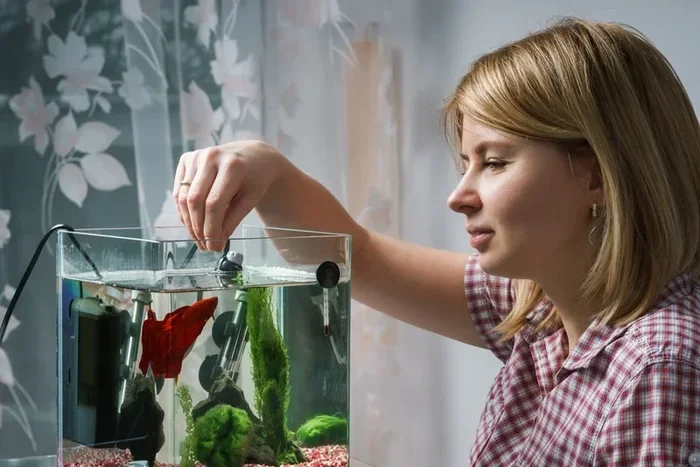
Visual guide about How Often Do You Feed a Betta Fish
Image source: aquaticspoolspa.com
The Staple: High-Quality Betta Pellets
Your betta’s diet should be built around a high-quality pellet formulated specifically for bettas or carnivorous fish. Read the ingredient list. The first few ingredients should be whole fish or seafood (e.g., salmon, shrimp, krill), not fillers like wheat, soybean meal, or corn. Bettas are obligate carnivores; they require a diet high in animal protein and fat. Cheap, generic pellets often contain mostly plant-based fillers, which bettas cannot digest properly, leading to digestive problems and bloating. A good pellet is nutritionally complete and forms the foundation of their diet.
The Importance of Variety: Frozen & Live Foods
While pellets are convenient and balanced, variety is the spice of life—and health. Supplement your betta’s staple diet with frozen or live foods 1-2 times per week. These are treats, not staples. Excellent options include:
- Brine Shrimp (Baby Brine Shrimp – BBS): The gold standard. Easy to digest, high in protein, and their movement excites bettas. Rinse before feeding.
- Daphnia: Tiny water fleas. They are fantastic for easing constipation due to their high fiber content. A natural laxative.
- Bloodworms: A betta favorite. Use sparingly as they are rich and can cause constipation if overfed. Always thaw frozen bloodworms completely and rinse.
- Microworms or Vinegar Eels: Perfect for picky eaters or fry.
When feeding these, replace the pellet meal for that day. Offer a small pinch—the same eyeball-sized portion. This variety provides essential nutrients and oils that pellets may lack, enhancing color and vitality.
Foods to Avoid
Never feed your betta feeder fish (like goldfish), as they carry parasites and are nutritionally inappropriate. Avoid human food like bread or vegetables; bettas cannot digest plant matter effectively. Stay away from generic “tropical fish flakes” as a staple—they are too large and often plant-based. And always, never use live foods from unknown sources (like garden insects), as they may carry pesticides or diseases.
Common Feeding Mistakes & How to Spot the Signs of Trouble
Even with the best intentions, mistakes happen. Recognizing them early is crucial.
Mistake #1: The “Just One More Pellet” Syndrome
This is the #1 error. Your betta looks at you with those pleading eyes (they have a way, don’t they?), and you think, “he’s still hungry, just one more.” Resist! That “one more” pellet every day adds up to a significant overload over a week. Stick to the measured portion. If your betta consistently acts hungry after a proper meal, it may be a sign of poor water quality (stress), a parasitic infection, or that the food you’re using is not satisfying. Evaluate the tank parameters first.
Mistake #2: Ignoring Leftovers
Never assume your betta will eat everything later. If food is floating after 3 minutes, it’s not going to be eaten. Remove it immediately. This is non-negotiable for tank health.
Mistake #3: Feeding at the Wrong Time
Feeding right before a light-out period is problematic. Your betta will be less active, food will sink and decay overnight. Feed during the active part of the day.
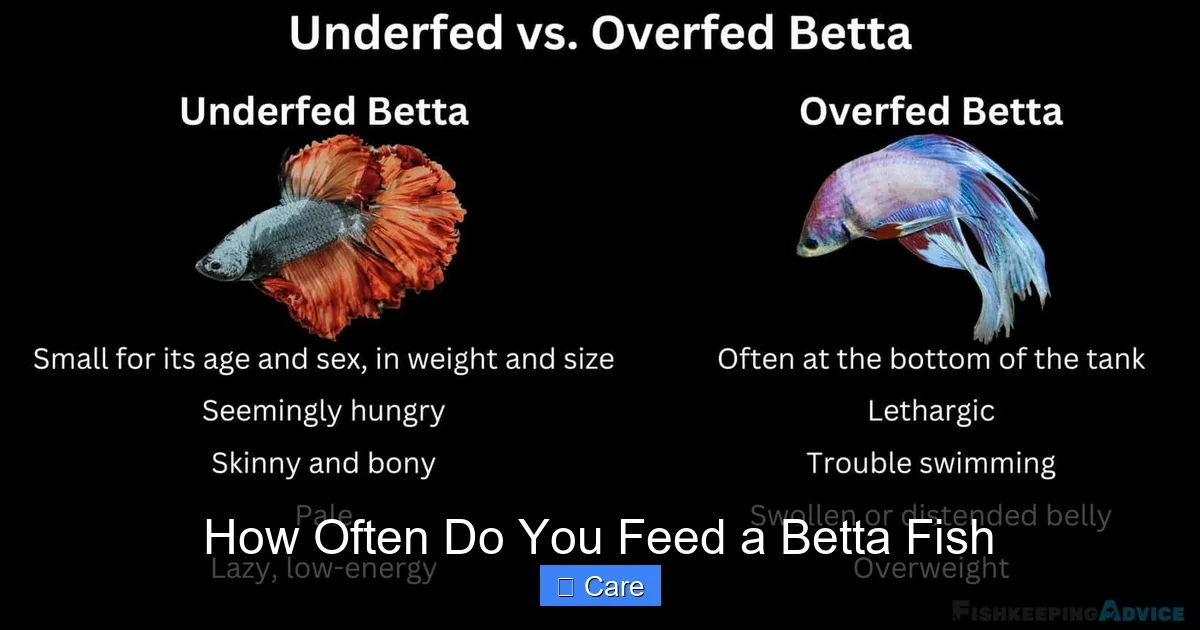
Spotting the Signs of Overfeeding
How do you know if you’ve been overfeeding? Look for these physical and behavioral signs:
- Constipation: A swollen, stringy feces trailing from the vent. The fish may appear bloated.
- Swim Bladder Disorder: The fish struggles to swim normally—sinking, floating uncontrollably, swimming upside down, or listing to one side. This is often directly caused by overfeeding or constipation pressing on the swim bladder.
- Visible Bloat: A rounded, swollen abdomen that persists. This can progress to fatal dropsy.
- Poor Water Quality: Cloudy water, algae blooms, or high readings of ammonia/nitrite in tests are red flags that excess food is decomposing.
- Lethargy & Loss of Appetite: Paradoxically, an overfed betta may become lethargic and eventually stop eating, as its system is overwhelmed.
If you see swim bladder symptoms, immediately cease feeding for 3-5 days to let the digestive system clear completely. After the fast, offer a single, small, skinned pea (cooked, deshelled, and mashed) or a daphnia to act as a laxative. Then resume the strict 1-2 pellet schedule.
Special Considerations: Fasting, Breeding, and Seasonal Adjustments
Life happens, and your betta’s needs can change. A rigid schedule is a starting point, but flexibility based on circumstance is key.
How Long Can a Betta Go Without Food?
Healthy adult bettas are surprisingly resilient. They can easily go 5-7 days without food with no adverse effects, and some sources suggest up to two weeks. This is not a recommended practice, but it’s reassuring to know if you go on vacation. Use an automatic feeder (calibrated for *tiny* portions) or have a trusted friend feed the strict 1-2 pellet amount. Never use vacation “food blocks,” as they dissolve and pollute the water. For trips under a week, it’s safer to skip feeding than to risk overfeeding by an untrained person.
Feeding During Breeding
Breeding bettas have different nutritional demands. To condition a pair for spawning, you will increase feeding frequency to 2-3 times per day and offer high-quality, high-protein foods (frozen brine shrimp, high-protein pellets, live foods). The goal is to plump them up slightly and boost energy. However, even during conditioning, the portion per meal must still be small—you’re increasing *frequency*, not *portion size per meal*. Once spawning begins, the male may guard the nest and eat very little. The female, after being removed, should be fed lightly. Fry (baby bettas) require an entirely different regimen: infusoria, then baby brine shrimp, multiple times a day.
Seasonal & Temperature Adjustments
Bettas are tropical fish, and their metabolism is directly tied to water temperature. In the optimal range of 76-82°F (24-28°C), their metabolism is active and they will eat readily. If your home gets cold and the tank temperature drops below 75°F, their metabolism slows dramatically. In this case, you should reduce feeding to once every other day or even once every two days until the temperature rises. Feeding a cold betta its normal ration is a direct path to bloating and constipation, as its digestive system has nearly shut down. Always use a reliable aquarium heater to maintain a stable, warm temperature.
Conclusion: The Simple Path to a Healthy, Vibrant Betta
After all this detail, the core wisdom remains beautifully simple. To answer “how often do you feed a betta fish?” with confidence: aim for once or twice daily, with a portion the size of its eye, and fast one day a week. Build your routine around a high-quality pellet, supplement with frozen foods for variety, and become a master observer. Watch your betta eat. Watch the tank for leftovers. Watch its body condition and swimming behavior. This mindful approach transforms feeding from a mundane chore into a vital health check. You are not just putting food in the water; you are directly controlling the primary input that affects your betta’s digestion, water quality, and overall well-being. By respecting its small size, its carnivorous nature, and its natural feast-or-famine rhythm, you provide the foundation for a long, colorful, and active life. Your betta will reward you with its stunning presence and fascinating personality for years to come. Now, go enjoy your perfect, properly-fed companion.
Frequently Asked Questions
Can I feed my betta every other day instead of every day?
Yes, you can. Feeding an adult betta every other day (e.g., Monday, Wednesday, Friday) is a safe and healthy practice that many experienced keepers use. It closely mimics natural feeding patterns and virtually eliminates the risk of overfeeding. Just ensure that on feeding days, you offer the correct small portion.
What are the first signs that I’m overfeeding my betta?
The earliest signs are often behavioral and environmental. You may notice uneaten pellets sinking and accumulating on the substrate, or the water becoming cloudy and developing a foul odor quickly. Physically, your betta may develop a slightly swollen or bloated abdomen, and you might see stringy, white feces (constipation). If swimming becomes labored or unbalanced, swim bladder disorder from overfeeding is likely.
My betta isn’t eating. What should I do?
First, don’t panic. A missed meal is not an emergency. First, test your water parameters (ammonia, nitrite, nitrate). Poor water quality is the most common cause of appetite loss. Second, ensure the water temperature is in the optimal 76-82°F range. Third, try offering a different food, like a thawed frozen bloodworm or daphnia. If the problem persists for more than a couple of days, consider the possibility of illness (like swim bladder issues or parasites) and consult a vet or experienced aquarist.
Is it okay to use an automatic fish feeder for my betta?
Yes, but with extreme caution. Most automatic feeders are designed for larger fish and dispense far too much food. You must rigorously test and calibrate the feeder to dispense a single pellet or a tiny amount at a time. It’s often safer to use a feeder that allows manual loading of individual portions. For short vacations, it’s often safer to skip feedings and have someone monitor the tank rather than risk a malfunction that dumps a week’s worth of food in minutes.
How long can a betta fish survive without food if I go on vacation?
A healthy adult betta can easily survive 5-7 days without any food and can potentially go up to two weeks. Their metabolism is slow, and they are adapted to periods without eating. For vacations of a week or less, it’s perfectly safe to not feed at all. For longer trips, arrange for a knowledgeable friend to feed the strict 1-2 pellet portion once every 2-3 days, or use a carefully calibrated automatic feeder.
What is the best time of day to feed my betta fish?
The best time is during the active part of the day, typically morning or early afternoon. This gives your betta time to digest the food before rest periods. Avoid feeding right before the tank lights turn off, as the fish will be less active and food is more likely to sink and decay unnoticed overnight. Consistency with the timing (e.g., always at 8 AM) helps establish a routine and can make your betta more eager and responsive at feeding time.