How Often Do Betta Fish Eat
Betta fish should be fed once or twice daily, with a portion size no larger than their eye. Overfeeding is the most common mistake and leads to serious health issues like constipation and swim bladder disease. Their diet must be high in protein, primarily from quality pellets or frozen foods, with occasional treats. Fasting your betta for 24 hours once a week is beneficial for digestion. Understanding your specific betta’s activity level and water temperature is key to tailoring their diet.
So, you’ve brought home that stunning, flowing-finned betta fish. You’ve set up a beautiful tank with plants and a heater. Everything looks perfect. Then comes the million-dollar question that plagues every new betta owner: how often do betta fish eat? It seems simple, but getting this one detail right is perhaps the single most important factor in your fish’s long-term health and vibrancy. Feed too little, and your betta becomes weak and listless. Feed too much, and you’re slowly poisoning it with its own waste. The answer isn’t just a number—it’s a philosophy of mindful, observation-based care. Let’s dive deep into the world of betta nutrition and build a feeding strategy that will keep your aquatic jewel thriving for years.
Key Takeaways
- Feed成年 bettas 1-2 times daily: A consistent schedule prevents overfeeding and mimics natural habits.
- Portion size is critical: A serving should be roughly the size of your betta’s eyeball (about 0.1-0.2 grams).
- Protein is paramount: Bettas are carnivores; their diet must be 40-50% protein from quality pellets, frozen, or live foods.
- Fasting is healthy: A 24-hour fast once a week aids digestion and prevents constipation.
- Water temperature dictates metabolism: Colder water (below 76°F) slows digestion, requiring less frequent feeding.
- Observe, don’t just dispense: Watch your betta eat. If food sinks uneaten, you’ve overfed.
- Variety is a supplement, not a staple: Pellets should be 80-90% of the diet; treats like brine shrimp are for enrichment.
📑 Table of Contents
- The Fundamental Rule: Quality Over Quantity, Consistency Over Generosity
- Factors That Change the Feeding Schedule: It’s Not One-Size-Fits-All
- The “What”: Choosing the Right Food for Your Betta
- Practical Implementation: A Sample Weekly Feeding Schedule
- The 5 Deadly Sins of Betta Feeding (And How to Avoid Them)
- Conclusion: Feeding as an Act of Observation and Care
The Fundamental Rule: Quality Over Quantity, Consistency Over Generosity
Before we discuss “how often,” we must address the “how much.” This is the cornerstone of all betta feeding advice. A betta’s stomach is approximately the size of its eye. That’s not a cute saying; it’s a biological fact. Their digestive tracts are short and unsuited for processing large volumes of food. Therefore, the universal rule for portion size is: feed an amount equal to the size of your betta’s eyeball. For most adult bettas, this translates to 2-3 high-quality pellets or a tiny pinch (about 0.1-0.2 grams) of frozen or live food per meal.
Why Such a Tiny Portion?
In the wild, a betta (a surface-dwelling insectivore) might consume one or two bugs that land on the water’s surface in an entire day. They are opportunistic feeders, not grazers. Their metabolism is designed for sporadic, protein-rich meals. Overfeeding fills their tiny stomach, overwhelms their digestive system, and forces their body to work overtime. The undigested food rots in their gut and in the tank, creating a toxic soup of ammonia and nitrites. This directly leads to the two most common betta ailments: constipation (and its ugly cousin, swim bladder disorder) and poor water quality that stresses the fish’s immune system, making it susceptible to diseases like dropsy or fin rot.
The 1-2 Times Daily Guideline: A Starting Point
For a healthy adult betta living in warm, stable water (78-80°F / 25.5-26.5°C), feeding once or twice a day is the standard recommendation. The “twice” option is often preferred for younger, more active fish or those you are conditioning for breeding. The key is that the total daily amount should never exceed that eyeball-sized portion. If you feed twice, each meal is half that tiny portion. Many experienced keepers actually advocate for a single daily feeding, as it gives the digestive system a longer, more natural rest period and simplifies the routine, reducing the chance of accidental overfeeding.
Factors That Change the Feeding Schedule: It’s Not One-Size-Fits-All
Your betta’s perfect feeding frequency isn’t set in stone. It’s a dynamic equation influenced by several key factors. Ignoring these can turn a good feeding plan into a bad one.
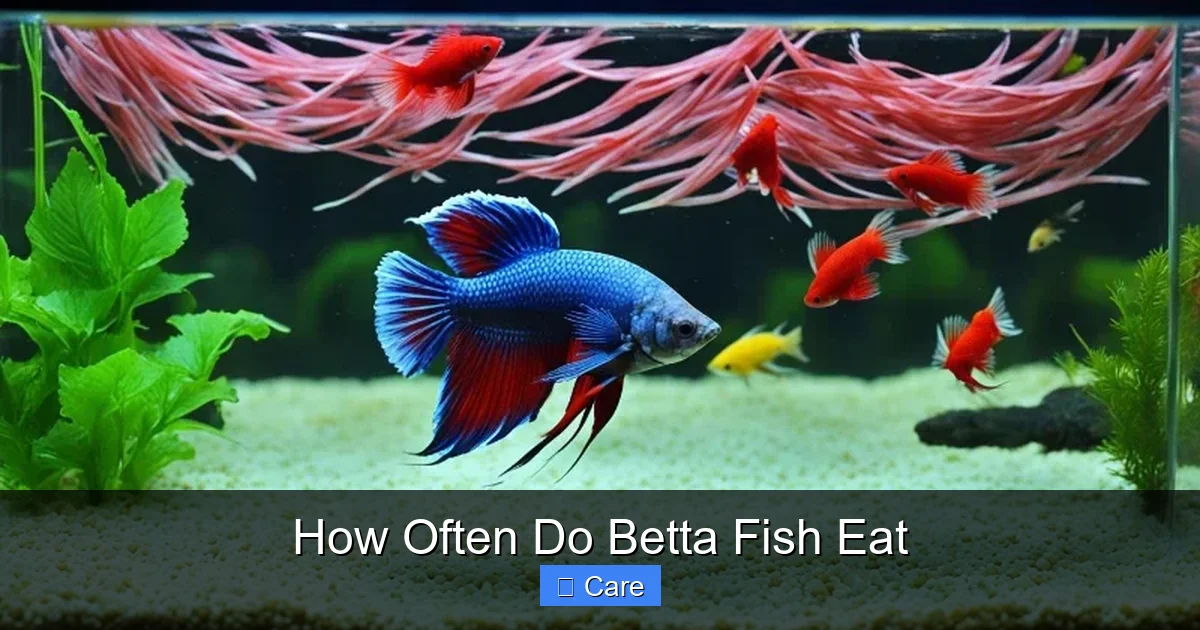
Visual guide about How Often Do Betta Fish Eat
Image source: qwikbetta.com
1. Water Temperature: The Metabolic Thermostat
This is the most critical environmental factor. Bettas are tropical fish. Their metabolism is directly tied to water temperature. At the ideal range of 78-80°F (25.5-26.5°C), their digestion is efficient, and they are active and hungry. If the water drops below 76°F (24.4°C), their metabolism slows dramatically. Food will sit in their gut for much longer, significantly increasing the risk of constipation and bloating. In cooler water, you should reduce feeding to once every other day or even just once every two days, and only a minuscule amount. Conversely, if you keep your tank at a toasty 82°F (27.7°C), their metabolism will be slightly faster, and they may benefit from a small second daily feeding, but never increase the total daily portion beyond the eyeball rule.
2. Age and Life Stage
A young, growing betta fry (baby) has vastly different needs. They require frequent, tiny meals of infusoria, baby brine shrimp, or powdered fry food 3-4 times a day because they have no stomach and digest food almost instantly. As they grow into juveniles, feedings can be reduced to 2-3 times daily. For adult bettas (6 months+), the 1-2 times daily rule applies. Senior bettas (3+ years) often become less active. Their metabolism slows, and they may happily live on a meal every other day without issue. Always observe your individual fish.
3. Activity Level & Personality
Some bettas are lazy floaters. Others are perpetual motion machines, constantly patrolling their territory or flaring at their reflection. The active, curious betta will burn more calories and may genuinely benefit from a second small meal. The laid-back, sedentary betta is likely getting enough from one feeding. Your betta’s behavior is your best guide. Is it energetically greeting you at the glass? A small second meal might be welcome. Is it mostly resting on a leaf? Stick to one.
4. Health Status
A betta recovering from an illness like fin rot or a bacterial infection often has a suppressed appetite. Forcing food on a sick fish is counterproductive. In these cases, offer a tiny, highly digestible meal (like a bit of soaked daphnia) once a day, or even fast for a few days to let its system focus on healing. Conversely, a betta recovering from constipation or swim bladder issues needs a period of fasting (24-72 hours) to clear its system before resuming a very careful, fiber-aided feeding regimen.
The “What”: Choosing the Right Food for Your Betta
Frequency is only half the equation. What you feed is equally important. Bettas are obligate carnivores. Their wild diet consists almost entirely of insects, insect larvae (like mosquitoes), and tiny crustaceans. A proper betta diet must reflect this.
Visual guide about How Often Do Betta Fish Eat
Image source: images.petpress.net
High-Quality Pellets: The Dietary Staple
Think of pellets as the balanced, complete meal—the “kibble” of the betta world. They are formulated to provide all essential nutrients. However, not all pellets are created equal. Always read the ingredient list. The first 3-5 ingredients should be specific animal proteins: whole fish, shrimp meal, squid, krill, or insect meal. Avoid pellets where “wheat flour,” “soybean meal,” or “potato protein” are at the top. These are cheap fillers that pass through a betta undigested, contributing to water pollution and constipation. Reputable brands like New Life Spectrum, Hikari Bio-Gold, and Fluval Bug Bites are excellent choices. Soak pellets in tank water for a minute before feeding to prevent them from swelling in the betta’s dry stomach, which can cause blockages.
Frozen & Live Foods: The Protein Powerhouse
These are the “treats” that should make up 10-20% of the diet. They are fantastic for conditioning, variety, and providing essential amino acids. Top choices include:
- Frozen Bloodworms: The classic. Rich in protein but low in fiber. Use sparingly (once or twice a week) as they can cause constipation if overused.
- Frozen Brine Shrimp: Excellent for digestion and a good source of fiber. A safer, more frequent treat.
- Frozen Daphnia: Often called “water fleas.” This is arguably the best treat for bettas. It is high in protein and, crucially, very high in fiber, which acts as a natural laxative and is perfect for preventing or treating constipation. Offer this weekly.
- Live Foods: Microworms, vinegar eels, or small live brine shrimp are the ultimate enrichment. They trigger natural hunting instincts. However, they carry a high risk of introducing parasites or diseases to your tank. Only source from a trusted, clean culture and use occasionally.
What to AVOID
Never feed your betta generic “tropical fish flake food.” It’s too large, too plant-based, and will pollute the water rapidly. Avoid “betta bites” or pellets from unknown brands with vague ingredients. Never feed raw, unblanched vegetables—a betta’s digestive system cannot process cellulose. And under no circumstances should you use feeder goldfish. They are nutritionally inappropriate and a parasite highway.
Practical Implementation: A Sample Weekly Feeding Schedule
Let’s put theory into practice. Here is a sample schedule for a healthy adult betta in 79°F water. Remember, this is a template—adjust based on observation.

Visual guide about How Often Do Betta Fish Eat
Image source: happybettafish.com
- Monday: 2-3 soaked high-quality pellets.
- Tuesday: 2-3 soaked pellets + a tiny pinch of frozen daphnia (thawed and rinsed).
- Wednesday: 2-3 soaked pellets.
- Thursday: 2-3 soaked pellets + 1-2 frozen bloodworms.
- Friday: 2-3 soaked pellets.
- Saturday: 2-3 soaked pellets + a tiny pinch of frozen brine shrimp.
- Sunday: FASTING DAY. No food. This allows the digestive tract to fully clear.
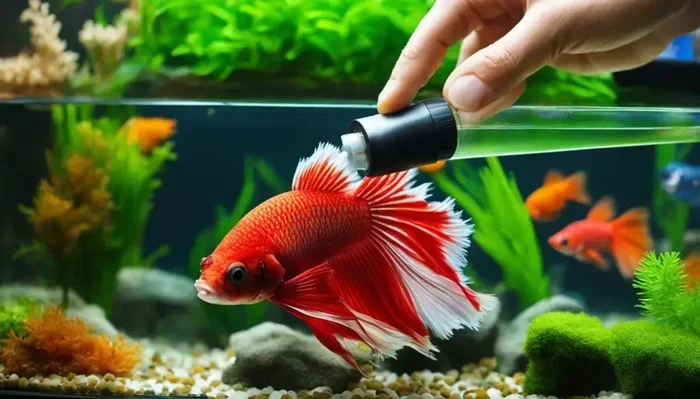
Pro Tip: Always remove any uneaten food within 2-3 minutes using a net or turkey baster. This is non-negotiable for water quality. If you consistently see food hitting the bottom, your portion is too large, or your betta isn’t hungry. Reduce the amount next time.
The 5 Deadly Sins of Betta Feeding (And How to Avoid Them)
Now that you know the “how often” and “what,” let’s tackle the catastrophic mistakes that undo all your good work.
1. The Sin of Overfeeding
This is the #1 killer of bettas, not through immediate poisoning but through slow, systemic stress. The signs are often subtle at first: a slightly bloated abdomen, lethargy, clamped fins, or a persistent white string of feces (a sign of constipation). The solution is immediate action: fast for 48-72 hours. Then, offer a single, pre-soaked pellet or a tiny piece of skinned pea (blanched and deshelled) as a laxative. Prevention is always better: measure your portions and stick to the eyeball rule religiously.
2. Ignoring Water Quality After Feeding
Food that isn’t eaten decays. Even eaten food produces waste. A well-fed betta in an under-filtered tank is a betta in danger. Your filtration must be adequate for your tank size, and you must perform regular water changes (25-50% weekly) to remove the nitrates produced by the fish’s protein-rich diet. Testing water parameters (ammonia, nitrite, nitrate) with a liquid test kit is the only way to know for sure your water is safe.
3. Feeding Cold Food or in Cold Water
Never feed a betta with a stomach full of cold, frozen food directly from the freezer. It’s a shock to their system. Always thaw frozen foods in a cup of tank water first. More importantly, never feed if your tank temperature is below 76°F. Their digestive enzymes are inactive. The food will rot inside them. Ensure your heater is working correctly and maintaining a stable temperature before offering a meal.
4. Relying on “Vacation Feeders” or Automatic Dispensers
These products are almost always a terrible idea for bettas. They dispense a continuous, uncontrolled flow of food over days, guaranteeing massive overfeeding and a toxic tank crash. If you must be away for 3-4 days, it’s safer to fast your betta. They can easily go a week without food. For longer absences, you must have a trusted friend come to feed the pre-measured, tiny portion you’ve prepared. No automatic solution is reliable enough.
5. Changing Diet Abruptly
Your betta’s gut microbiome is adapted to its current food. Suddenly switching from pellets to a new brand or introducing rich live foods can cause digestive upset. Always transition foods gradually. Mix a tiny amount of the new food with the old for a week, slowly increasing the new food’s proportion. This applies to treats as well. Introduce one new type at a time and watch for any signs of bloating or constipation.
Conclusion: Feeding as an Act of Observation and Care
So, how often do betta fish eat? The precise answer is: once or twice daily, with a portion no larger than their eye, adjusted for water temperature, age, and activity level. But the deeper answer is that feeding your betta is less about following a rigid clock and more about becoming a keen observer of your individual pet. It’s about understanding that that gorgeous, flowing fish is a delicate carnivore with a tiny stomach and a mighty sensitivity to its environment. The goal is not to fill a belly, but to nourish a life.
By prioritizing high-protein, high-quality foods, respecting the microscopic portion size, incorporating a weekly fast, and tailoring the schedule to your specific tank conditions and fish’s behavior, you move from being a mere feeder to being a true caretaker. You’ll see the results in vibrant colors, energetic flares, flowing fins, and a long, healthy life. The time you spend watching your betta eat—that focused, greedy little dance at the water’s surface—is part of the joy of ownership. Do it right, and you’ll have countless such moments to enjoy.
Frequently Asked Questions
Can I feed my betta fish every other day instead of daily?
Yes, absolutely. For many adult bettas, especially those in cooler water (below 76°F) or with a sedentary personality, feeding every other day is perfectly healthy and can help prevent constipation. The key is that on feeding days, you still provide only the tiny, eyeball-sized portion.
What are the signs that I am overfeeding my betta fish?
The most common signs are a visibly bloated or swollen abdomen, lethargy, clamped fins, and stringy white feces (constipation). You may also see uneaten pellets sinking to the bottom. Long-term, overfeeding leads to chronic poor water quality, which causes stress and increased susceptibility to diseases like dropsy.
Is it okay to fast my betta fish? For how long?
Fasting is highly beneficial and recommended. A 24-hour fast once a week is an excellent practice to allow the digestive system to fully clear and prevent constipation. Bettas can safely fast for up to a week if they are healthy, though this should not be a regular practice. Fasting is a crucial first step in treating constipation or swim bladder issues.
Can I feed my betta fish vegetables or plant-based foods?
No. Bettas are obligate carnivores with a digestive system unable to process cellulose. Vegetables like peas or spinach (even blanched) will pass through them undigested, rot in their gut, and pollute the water. Their diet must come from animal-based protein sources.
How do I know if my betta is hungry or just begging?
Bettas are intelligent and will often “beg” by flaring or swimming to the surface when they see you, regardless of hunger. True hunger cues include active patrolling of the tank, a quick, eager response when food is added (eating immediately), and a generally alert posture. If your betta ignores food when offered, it is not hungry—do not force it.
My betta is spitting out its pellets. What should I do?
This usually means the pellets are too large or hard for your betta to eat comfortably. Switch to a smaller pellet size (many brands have “micro” or “nano” pellets) or soak the pellets in tank water for 60 seconds before feeding to soften them. Spitting out food can also indicate a loss of appetite due to stress, poor water quality, or illness, so check your water parameters first.