Can Betta Fish Be in the Same Tank
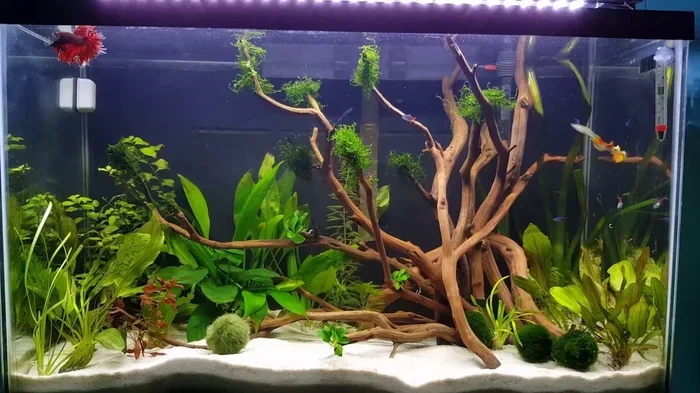
So, can betta fish be in the same tank? The answer depends on gender, tank size, and setup. Male bettas are highly territorial and usually cannot share a tank, while female bettas sometimes can in groups called sororities. This guide covers everything you need to know about keeping betta fish together, from tank requirements to common mistakes that cause fights.
Many fish lovers wonder about can betta fish be in the same tank. It is a simple question, but the answer is not always straightforward. Bettas are beautiful, colorful fish that capture hearts easily. However, their temperament makes housing them together a real challenge.
The short answer is: it depends. Male bettas are known as fighting fish for a reason. They are extremely territorial and will attack other males on sight. Female bettas, on the other hand, can sometimes live together under the right conditions. This article breaks down everything you need to know about keeping betta fish together safely.
Whether you are a beginner or an experienced aquarist, understanding betta behavior is key. You will learn about male and female setups, tank requirements, and practical tips to avoid disaster. Let us dive in.
Key Takeaways
- Male bettas should never share a tank: They will fight to the death due to territorial aggression.
- Female bettas can live together: A sorority setup with 4-6 females works in tanks of 20 gallons or more.
- Tank size matters enormously: Larger tanks reduce stress and territorial behavior significantly.
- Proper setup is essential: Hiding spots, plants, and separate territories help prevent fights.
- Watch for aggression signs: Flaring, nipping, and color fading mean trouble and need immediate action.
- Betta fish are not community fish by default: Careful tank mate selection is always required.
📑 Table of Contents
- Why Can Betta Fish Not Always Be in the Same Tank?
- Can Male Betta Fish Be in the Same Tank?
- Can Female Betta Fish Be in the Same Tank?
- What Tank Size Do You Need for Multiple Bettas?
- Can Betta Fish Live With Other Species?
- Common Mistakes When Keeping Bettas Together
- Expert Insights on Housing Bettas Together
- Key Takeaways
- Conclusion
Why Can Betta Fish Not Always Be in the Same Tank?
Betta fish, also called Siamese fighting fish, have a strong natural instinct to defend territory. In the wild, they live in shallow rice paddies and slow-moving streams. When another male enters their space, they fight aggressively. This behavior is deeply wired into their biology.
Their long fins and bright colors make them easy targets for other fish too. In a confined space like a home aquarium, there is nowhere to escape. This is why betta fish aggression is such a serious concern for hobbyists.
Understanding Territorial Behavior
Betta fish flare their gills and spread their fins to look bigger. This is a warning sign. If the other fish does not back down, a fight follows. Fights can result in torn fins, injuries, and even death.
Here are the main reasons bettas fight:
- Territory disputes: Bettas claim a small area and defend it fiercely.
- Mate competition: Males fight over breeding rights.
- Stress: Crowded tanks increase aggression levels.
- Poor hiding spots: Without places to retreat, fish feel threatened.
Understanding these triggers helps you set up a tank that minimizes conflict. A well-planned aquarium reduces stress for every fish inside it.
Can Male Betta Fish Be in the Same Tank?
The answer is a firm no. Two male betta fish should never share a tank. They will fight constantly and can seriously injure or kill each other. This is true even in large tanks with plenty of decorations.
Some people think that a big tank solves the problem. It does not. Male bettas will find each other and flare. Over time, the stress weakens their immune systems. They stop eating, their colors fade, and diseases set in.
If you want to keep multiple males, you need separate tanks for each one. This is the only safe approach. Even placing two males in side-by-side tanks can cause stress because they can see each other through the glass.
What About a Divided Tank?
Divided tanks are popular, but they come with risks. The fish can still see and flare at each other through the divider. This causes chronic stress for both fish. Over time, this stress harms their health and shortens their lifespan.
It is better to give each male his own separate tank. A single male betta thrives in a 5-gallon tank or larger. This gives him room to swim and explore without feeling threatened.
Can Female Betta Fish Be in the Same Tank?
Female bettas have a different social dynamic. They can sometimes live together in groups called sororities. However, this setup requires careful planning and a large enough tank.
A betta sorority typically includes 4 to 6 female bettas. The tank should be at least 20 gallons. This gives each fish enough space to claim a small territory without constant conflict.
Setting up a female sorority is not for beginners. You need to monitor the fish daily. Signs of bullying or stress must be addressed immediately. Sometimes, despite your best efforts, the group needs to be separated.
How to Set Up a Female Betta Sorority
Follow these steps for the best chance of success:
- Choose a tank of at least 20 gallons. More space means less territorial tension.
- Add plenty of plants and decorations. These break up lines of sight and create natural boundaries.
- Introduce all females at the same time. Adding fish one by one can trigger bullying of the newcomer.
- Use a sponge filter. Strong filters create currents that stress bettas.
- Feed well and evenly. Spread food across the tank so no single fish hoards it.
Even with perfect setup, problems can arise. Watch your fish closely during the first few weeks. If one fish becomes overly aggressive, remove her right away.
What Tank Size Do You Need for Multiple Bettas?
Tank size plays a huge role in whether can betta fish be in the same tank works. A tiny bowl or vase is never appropriate for multiple fish. Even for a single betta, experts recommend at least 5 gallons.
For a female sorority, aim for 20 gallons or more. For community tanks with bettas and other species, go even larger. A 30-gallon tank gives everyone room to establish territories without constant confrontation.
How Tank Size Affects Aggression
Small tanks concentrate waste and stress. Fish feel cramped and defensive. In a larger tank, territories overlap less, and fish can avoid each other when needed.
Here is a simple comparison:
- 5 gallons: Best for a single male betta. Too small for any group setup.
- 10 gallons: Okay for one betta or a very small community. Not ideal for a sorority.
- 20 gallons: Minimum for a female betta sorority or a betta with peaceful tank mates.
- 30+ gallons: Best for community tanks or larger sororities.
The bigger the tank, the better your chances of success. Water quality stays more stable in larger volumes too, which benefits all the fish.
Can Betta Fish Live With Other Species?
Many hobbyists want to add tank mates to their betta setup. This is possible but requires careful thought. Not every fish gets along with bettas. Some species are too nippy, too fast, or too bright, which triggers betta aggression.
Good Tank Mates for Bettas
Peaceful, non-fin-nipping species work best. Here are some safe options:
- Neon tetras: Small, fast, and stay in the upper levels.
- Corydoras catfish: Bottom dwellers that ignore bettas.
- Snails: They mind their own business and clean algae.
- Shrimp: Ghost shrimp and cherry shrimp are great additions.
- Kuhli loaches: Peaceful and stay out of the betta’s way.
Always research any fish before adding it to a betta tank. Some fish, like goldfish or guppies, are poor choices. Goldfish produce too much waste, and guppies’ flowing fins can trigger betta aggression.
Fish to Avoid With Bettas
Certain species should never share a tank with bettas:
- Other male bettas: They will fight to the death.
- Goldfish: Too large and messy for a betta’s warm water needs.
- Angelfish: Can be aggressive and nip betta fins.
- Tiger barbs: Known fin nippers that will harass bettas.
If you are unsure about a specific combination, search our site for detailed compatibility guides. We cover topics like can betta fish be in the same tank as goldfish and can betta fish and glofish be in the same tank in detail.
Common Mistakes When Keeping Bettas Together
Even experienced fish keepers make mistakes. Learning from others’ errors saves fish lives and prevents heartbreak. Here are the most common pitfalls when housing bettas together.
Underestimating Aggression
Many people assume bettas will just ignore each other. This is rarely true. Even female bettas, who are generally less aggressive, can turn on tank mates suddenly. Always have a backup plan, like a divider or spare tank, ready to go.
Skipping the Quarantine Period
New fish should always be quarantined before joining the main tank. This prevents disease spread and gives you time to observe the fish’s behavior. A quarantine period of 2 to 4 weeks is ideal.
Overcrowding the Tank
More fish does not mean more fun. Overstocking leads to poor water quality and increased aggression. Follow the general rule of one gallon of water per inch of fish, but remember that bettas need extra space regardless.
Ignoring Early Warning Signs
Flaring, chasing, and fin nipping are red flags. Some hobbyists wait too long before intervening. By the time injuries are visible, the damage is already done. Act quickly at the first sign of trouble.
Quick Tip: If you notice a betta hiding constantly, losing color, or refusing food, check for aggression from tank mates. These are clear signs of stress.
Expert Insights on Housing Bettas Together
Veterinarians and experienced aquarists agree on a few key principles. First, never house two male bettas together. The risk is simply too high. Second, female groups need ample space and careful monitoring. Third, always prioritize the fish’s well-being over aesthetics.
Expert Insight: “A happy betta is a healthy betta. Stress is the number one killer in aquarium fish. If your setup causes chronic stress, it is not worth it, no matter how pretty the tank looks.”
Water quality also plays a major role. Clean water with stable parameters reduces stress and helps fish stay healthy. Test your water regularly for ammonia, nitrite, and nitrate levels. Perform partial water changes weekly to keep conditions optimal.
Temperature matters too. Bettas are tropical fish and need water between 76 and 82 degrees Fahrenheit. A heater is essential for any betta tank, whether it houses one fish or several.
Key Takeaways
- Male bettas must be kept alone: They are far too aggressive to share a tank with another male.
- Female bettas can form sororities: But only in tanks of 20 gallons or more with plenty of hiding spots.
- Tank size directly impacts success: Larger tanks reduce territorial behavior and stress.
- Choose tank mates carefully: Peaceful species like corydoras, snails, and shrimp work well.
- Monitor fish daily: Early detection of aggression prevents serious injuries and deaths.
- Maintain excellent water quality: Clean, warm, stable water keeps bettas healthy and less aggressive.
- Have a backup plan ready: Always be prepared to separate fish at the first sign of trouble.
Conclusion
So, can betta fish be in the same tank? The answer is nuanced. Male bettas should always be kept separately. Female bettas can sometimes live together, but it requires the right setup, enough space, and constant monitoring.
If you are considering housing multiple bettas, start by researching thoroughly. Understand their needs, their behavior, and the risks involved. A well-planned tank can be beautiful and thriving. A poorly planned one leads to stressed, injured, or dead fish.
Remember that every betta is an individual. Some are more docile than others, and behavior can vary. What works for one hobbyist may not work for another. Pay attention to your own fish and adjust your approach as needed.
Can betta fish be in the same tank? Yes, under the right conditions. But it takes knowledge, patience, and a willingness to act quickly if problems arise. Follow the tips in this guide, and you will give your bettas the best chance at a happy, healthy life.
For more information about betta care and compatibility, explore our other guides on this site. We cover topics like can betta fish be kept in a community tank and can multiple betta fish be in the same tank with detailed advice for every scenario.
Frequently Asked Questions
Can two male betta fish ever live in the same tank?
No. Two male bettas should never share a tank. They are extremely territorial and will fight aggressively, often resulting in serious injury or death. Always keep male bettas in separate tanks.
How many female bettas can you keep together?
A group of 4 to 6 female bettas works best in a sorority setup. The tank should be at least 20 gallons with plenty of plants and hiding spots. Never keep just two females together, as this can lead to bullying.
What is the minimum tank size for a betta sorority?
A 20-gallon tank is the minimum recommended size for a female betta sorority. Larger tanks, such as 30 gallons, provide even better results by giving each fish more space to establish territory and reduce stress.
Can a male and female betta fish live in the same tank?
It is generally not recommended. Male and female bettas should only be together briefly for breeding purposes. Outside of breeding, the male may harass or harm the female. Always separate them unless you are an experienced breeder.
What signs show that bettas are fighting?
Watch for flaring, chasing, torn fins, color fading, and fish hiding constantly. A betta that stops eating or appears lethargic may be stressed from aggression. Remove the aggressor immediately if you notice these signs.
Can bettas live with other peaceful fish species?
Yes, bettas can sometimes live with peaceful species like corydoras, neon tetras, snails, and shrimp. Avoid fin-nippers and brightly colored fish with flowing fins, as these can trigger betta aggression. Always research compatibility before adding new fish.