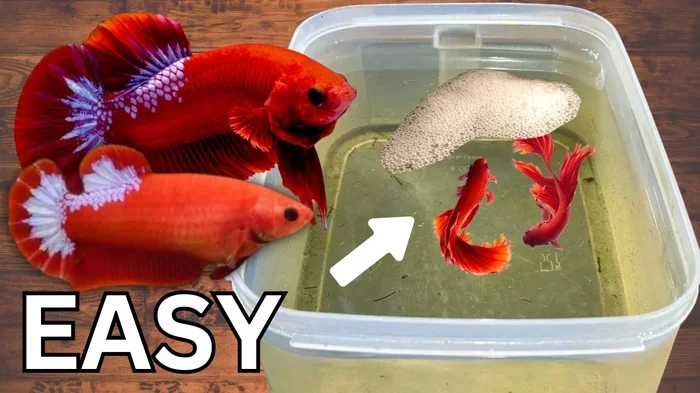
A Female Betta Fish

A female betta fish is a colorful, active swimmer that makes a wonderful addition to any aquarium. Unlike the common belief that bettas are aggressive loners, female bettas can thrive with the right tank setup and compatible tank mates. This guide covers everything you need to know about female betta fish care, including tank setup, diet, behavior, breeding, and common health issues.
Key Takeaways
- Female betta fish need at least a 5-gallon tank with gentle filtration and stable water conditions to stay healthy.
- You can identify a female betta by her shorter fins, duller colors, and visible egg spot on her underside.
- Female bettas can live with other fish when given enough space and proper hiding spots.
- A betta sorority tank with multiple females can work well if you follow specific setup rules.
- Female betta fish can lay eggs without a male, though the eggs will not be fertilized.
- Common health issues include fin rot, bloating, and stress, all of which are preventable with proper care.
📑 Table of Contents
- What Is a Female Betta Fish?
- How to Set Up the Perfect Tank for a Female Betta Fish
- Tank Mates for a Female Betta Fish
- Female Betta Fish Behavior and Personality
- Breeding and Eggs: What You Need to Know
- Common Health Issues and How to Prevent Them
- How to Feed a Female Betta Fish Properly
- Final Thoughts on Keeping a Female Betta Fish
What Is a Female Betta Fish?
The female betta fish is a beautiful freshwater creature that belongs to the betta fish species. Many people know bettas as the flashy, long-finned males sold in pet stores. But female bettas are just as stunning and bring their own unique charm to any aquarium.
A female betta fish typically has shorter fins and a more streamlined body compared to her male counterpart. Her colors can range from deep blues and vibrant reds to soft pinks and iridescent greens. While she may not have the dramatic tail fins of a male, her compact shape and lively personality make her a favorite among fish keepers.
Female bettas also tend to be less aggressive than males. This makes them more adaptable to community tanks. However, that does not mean they are pushovers. Every female betta has her own personality, and understanding her needs is the key to a happy, healthy fish.
Female Betta Fish vs Male Betta Fish
There are several differences between a male and female betta fish. Males have longer, flowing fins and more intense colors. Females are smaller, with shorter fins and a rounder body. You can also spot a white egg spot on the underside of a female, which males do not have.
If you are trying to tell a female betta fish from a male, look for these key signs:
- Fin length: Females have noticeably shorter fins.
- Body shape: Females are rounder and slightly larger in the belly area.
- Egg spot: A small white dot near the vent on the underside.
- Color intensity: Males tend to be brighter, though females are still colorful.
- Behavior: Males flare more often; females can be territorial but less so.
How to Set Up the Perfect Tank for a Female Betta Fish
Creating the right female betta fish tank setup is one of the most important steps in female betta fish care. A proper environment reduces stress, prevents illness, and lets your fish thrive.
Tank Size and Shape
A female betta fish needs at least a 5-gallon tank. While some people keep bettas in smaller bowls, this is not ideal. A larger tank gives your fish room to swim and explore. It also helps keep water parameters stable.
Here are some quick tips for tank size:
- 5 gallons is the minimum for a single female betta.
- 10 gallons or more is ideal if you plan to keep multiple females or add tank mates.
- Avoid tall, narrow tanks since bettas prefer horizontal swimming space.
Filtration and Heating
A female betta fish needs clean, warm water to stay healthy. Use a gentle filter that does not create strong currents, since bettas are not strong swimmers. A sponge filter works great because it provides biological filtration without too much flow.
Keep the water temperature between 76 and 82 degrees Fahrenheit. A small aquarium heater with a thermostat will do the job. Stable water temperature is one of the most overlooked parts of betta fish care guide advice, but it really matters.
Decorations and Hiding Spots
Female bettas love places to hide and explore. Add live or silk plants, caves, and driftwood. Avoid sharp decorations that can tear fins. Live plants also help keep the water clean and give your betta a natural feel.
Here is a simple list of great tank additions:
- Java moss or java fern
- Small caves or coconut hides
- Smooth driftwood pieces
- Soft silk plants (no sharp edges)
- A gentle sponge filter
Tank Mates for a Female Betta Fish
One of the biggest questions people ask is: can a female betta fish live with other fish? The answer is yes, but with some important rules. A female betta fish can coexist with compatible tank mates when the tank is big enough and well-planned.
Best Tank Mates for Female Bettas
Not all fish get along with bettas. You need peaceful, non-fin-nipping species that share similar water preferences. Here are some great options:
- Neon tetras: Small, peaceful, and stay in the upper tank levels.
- Corydoras catfish: Bottom dwellers that do not bother bettas.
- Ghost shrimp: Inexpensive and great algae cleaners.
- Mystery snails: Slow movers that stay out of the betta’s way.
- Harlequin rasboras: Schooling fish that add movement without stress.
For more detailed guidance on compatible companions, check out our guide on what fish can live with a female betta. This resource covers compatibility in depth and helps you avoid common mistakes.
The Betta Sorority Tank
Keeping multiple female bettas together is called a sorority tank. This setup can work beautifully if done right. Two female betta fish can share a tank when there is enough space and plenty of hiding spots.
Here are the rules for a successful sorority tank:
- Use a tank of at least 10 gallons. More space reduces aggression.
- Add at least 5 to 6 females. This spreads out any territorial behavior.
- Provide plenty of hiding spots. Plants, caves, and decorations break lines of sight.
- Feed well and evenly. Make sure all fish get enough food without competition.
- Watch for signs of stress. Remove any fish that are being bullied constantly.
Learn more about keeping multiple females together in our article on whether two female betta fish can share a tank. It covers setup tips and warning signs to watch for.
Female Betta Fish Behavior and Personality
A female betta fish has a personality that surprises many first-time owners. While people often think of bettas as aggressive, female bettas are generally calmer and more social than males. They explore their tanks, interact with their owners, and even recognize feeding times.
Common Behavioral Traits
Every fish has its own quirks, but here are some common behaviors you might see in a female betta fish:
- Flaring: Females flare when they feel threatened or during courtship. It is less frequent than in males.
- Bubble nest building: Some females build bubble nests even without a male present. This is a natural instinct and a sign of a healthy, happy fish.
- Hiding: A new betta may hide for a few days. This is normal and usually passes quickly.
- Flaring at reflections: Bettas sometimes see their own reflection and think it is a rival.
If your female betta is building a female betta fish bubble nest, that is a great sign. It means she feels safe and comfortable in her environment. You can read more about this fascinating behavior in our article on whether a female betta fish can make a bubble nest.
Signs of Stress in a Female Betta
Stress is one of the biggest threats to female betta fish health. Watch for these warning signs:
- Clamped fins (fins held close to the body)
- Loss of color or fading
- Refusing food
- Hiding constantly
- Rapid breathing or gasping at the surface
If you notice any of these signs, check your water parameters first. Ammonia and nitrite should always be at zero, and nitrate should be below 20 ppm. A water change of 25 to 30 percent can often relieve stress quickly.
Breeding and Eggs: What You Need to Know
Female betta fish breeding is a fascinating topic. Many fish keepers wonder if a female can produce eggs on her own. The short answer is yes, but there is more to it than that.
Can a Female Betta Lay Eggs Without a Male?
A female betta fish can lay eggs without a male present. This process is called egg spawning, and it happens naturally when conditions are right. However, these eggs will not be fertilized and will not hatch into baby fish.
You might notice your female releasing tiny white eggs into the water or sticking them to plants and surfaces. This is completely normal and not a cause for concern. For more details, read our article on whether a female betta fish can make eggs without a male.
Signs That Your Female Betta Is Ready to Breed
If you plan to breed female betta fish, here are some signs to watch for:
- Visible egg spot: The white dot on her underside becomes more pronounced.
- Swollen belly: She may look fuller as eggs develop inside.
- Increased appetite: She may eat more eagerly than usual.
- Bubble nest interest: She may inspect or add to existing bubble nests.
Breeding bettas requires a separate breeding tank, careful water management, and patience. It is not recommended for absolute beginners, but it is a rewarding experience for those who want to try.
Common Health Issues and How to Prevent Them
Female betta fish health issues are often preventable with proper care. Most problems come from poor water quality, incorrect diet, or stress. Knowing what to look for can save your fish’s life.
Fin Rot
Fin rot is one of the most common issues in bettas. It shows up as ragged or discolored fins. It is caused by bacteria that thrive in dirty water. Regular water changes and a clean tank are the best prevention.
Bloating and Constipation
A bloated female betta may look like she has swallowed a marble. This is often caused by overfeeding or a diet low in fiber. Feed small amounts twice a day and include occasional treats like bloodworms or brine shrimp. A day of fasting once a week can also help keep digestion regular.
White Spot Disease (Ich)
White spot disease shows up as tiny white dots on the body and fins. It is caused by a parasite that attacks stressed fish. Keep water temperatures stable and avoid sudden changes to prevent outbreaks. Raising the temperature slightly to 82 degrees Fahrenheit can help speed up the parasite’s life cycle and make treatment more effective.
Prevention Tips
Here are some simple steps to keep your female betta fish healthy and happy:
- Test water weekly for ammonia, nitrite, and nitrate levels.
- Do regular water changes of 25 to 30 percent every week.
- Feed a balanced diet with variety, not just flakes.
- Avoid overcrowding the tank with too many fish or decorations.
- Quarantine new fish before adding them to your main tank.
- Observe your fish daily so you catch changes early.
How to Feed a Female Betta Fish Properly
Feeding a female betta fish the right diet is essential for her health, color, and longevity. Bettas are carnivores by nature, so they need protein-rich foods.
A high-quality betta pellet should be the staple of her diet. Look for pellets with a protein content of at least 30 to 40 percent. You can supplement her diet with frozen or live foods like bloodworms, brine shrimp, and daphnia.
Here is a simple feeding routine:
- Morning: 2 to 3 betta pellets or a small pinch of flakes.
- Evening: A small treat like a frozen bloodworm or brine shrimp.
- Once a week: Skip a feeding day to help digestion.
Avoid overfeeding at all costs. Bettas have small stomachs, and excess food can pollute the water and cause bloating. Less is more when it comes to feeding bettas.
Final Thoughts on Keeping a Female Betta Fish
A female betta fish is a rewarding pet that brings color, movement, and personality to your aquarium. With the right female betta fish care, a properly set up tank, and compatible companions, she can live a happy and healthy life for three to five years.
Remember that every fish is an individual. Some females are bold and curious, while others are shy and reserved. Pay attention to your betta’s behavior, adjust her environment as needed, and enjoy the journey. The more you learn about your female betta, the more rewarding the experience becomes.
Whether you are keeping a single female in a 5-gallon tank or building a full sorority tank, the key is patience, consistency, and love for the hobby. Your female betta fish will thank you with vibrant colors and lively behavior every single day.
Frequently Asked Questions
How long does a female betta fish live?
A female betta fish typically lives between three and five years with proper care. Genetics, diet, and water quality all play a role in her lifespan. Keeping the tank clean and feeding a balanced diet will help your betta live a long, healthy life.
Can a female betta fish live alone?
Yes, a female betta fish can live alone and do just fine. Unlike male bettas, females are generally less aggressive and can tolerate solitude better. However, providing enrichment like plants, caves, and occasional tank mates can improve her quality of life.
How can you tell if a female betta fish is happy?
A happy female betta fish will be active, have vibrant colors, and show interest in her surroundings. She will eat eagerly and explore the tank. Hiding constantly, clamped fins, or loss of appetite are signs that something is wrong.
What is the best tank size for a female betta fish?
A 5-gallon tank is the minimum for a single female betta. If you plan to keep multiple females or add tank mates, go for 10 gallons or more. A larger tank makes water maintenance easier and gives your fish more space to thrive.
Do female betta fish need a heater?
Yes, female betta fish need a heater to maintain a stable water temperature between 76 and 82 degrees Fahrenheit. Bettas are tropical fish and cannot tolerate cold water. A reliable aquarium heater with a thermostat is a must-have for any betta tank.
Can a female betta fish live in a community tank?
A female betta fish can live in a community tank with peaceful, non-aggressive species. The key is choosing compatible tank mates and providing enough space and hiding spots. Avoid fin-nipping or overly active fish that may stress your betta out.