How Much Do U Feed a Betta Fish
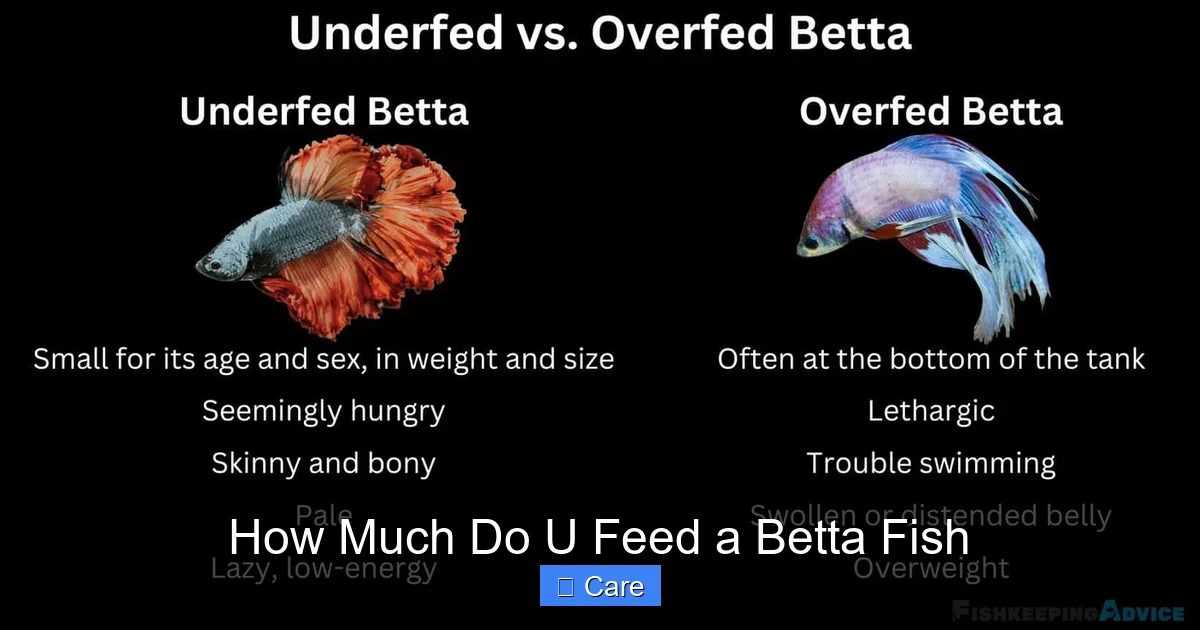
Feeding a betta isn’t rocket science, but getting the right amount is key to a vibrant, long‑lived fish. A typical adult betta needs only a few tiny bites once or twice a day. Over‑feeding leads to cloudy water and health problems, while under‑feeding leaves your pet weak. Follow this friendly guide to master “how much do u feed a betta fish” and enjoy a thriving aquarium.
Key Takeaways
- Portion size matters: Offer an amount that your betta can eat in 2‑3 minutes, usually 2‑4 tiny pellets.
- Feed frequency: 1‑2 times per day is ideal for most adult bettas.
- Watch the water: Cloudy or smelly water signals over‑feeding.
- Adjust for life stage: Fry need more frequent, smaller meals; adults need less.
- Variety is healthy: Rotate pellets, frozen or live foods for nutrition.
- Seasonal changes: Reduce feed in cooler months when metabolism slows.
- Observe behavior: Active hunting means you’re feeding enough; lethargy may mean too little.
📑 Table of Contents
- Introduction: Why Feeding Matters
- 1. Understanding Betta Metabolism
- 2. How Much Do U Feed a Betta Fish? The Exact Amount
- 3. Frequency – How Often Should You Feed?
- 4. Choosing the Right Food
- 5. Monitoring and Adjusting Your Feeding Routine
- 6. Common Mistakes and How to Avoid Them
- Conclusion: Feeding Your Betta with Confidence
Introduction: Why Feeding Matters
When you bring a betta home, the first thing you wonder is, “how much do u feed a betta fish?” It’s a simple question with a surprisingly big impact on your fish’s health. Betta fish are small, but they have big appetites and fast metabolisms. Feed them too much, and you’ll see fuzzy white growth on the tank walls, a spike in ammonia, and a sluggish swimmer. Feed them too little, and they’ll lose color, become thin, and may develop fin rot.
In this article we’ll break down everything you need to know: the right portion size, how often to feed, what foods are best, and how to spot the signs that you’re getting it right. Think of it as a chat over coffee with a friend who just got a betta and wants to be a pro.
1. Understanding Betta Metabolism
How fast does a betta burn calories?
Betta fish are tropical, active hunters. Their metabolism runs about 1.5‑2 times faster than cold‑water fish. This means they need regular, but modest, energy boosts. In the wild they’d eat small insects and larvae all day. In a tank, we mimic that with a few pellets or frozen treats.
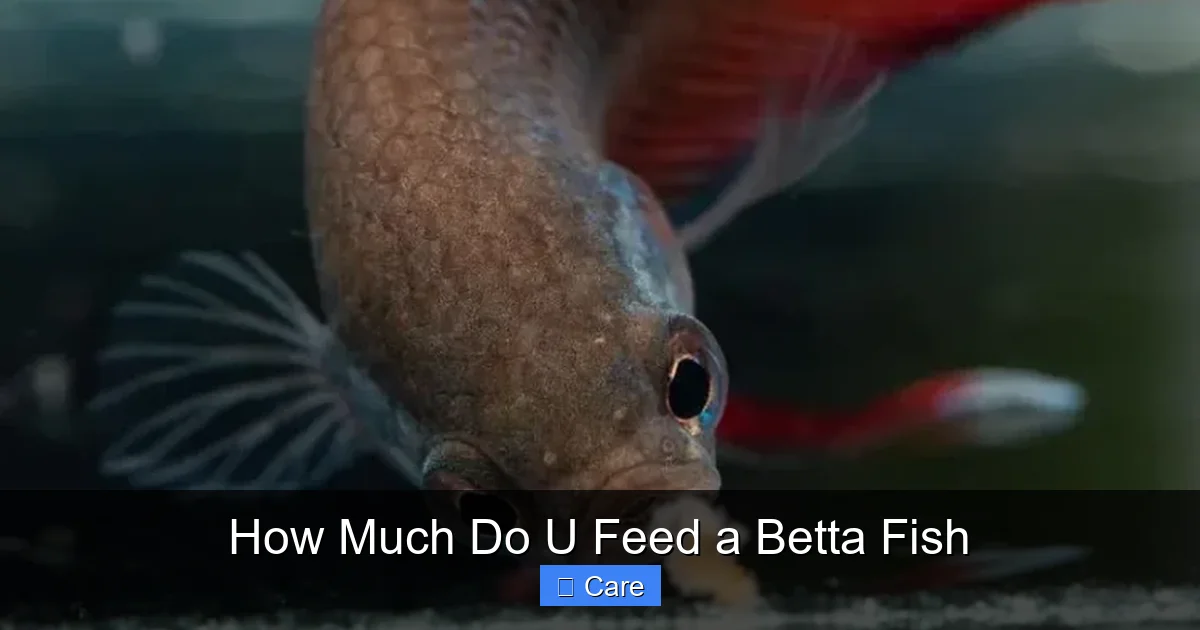
Visual guide about How Much Do U Feed a Betta Fish
Image source: fishlab.com
Size and age matter
Young fry (under 4 weeks) need to eat 3‑4 times a day because they are growing fast. Adult bettas (over 3 months) can thrive on just one or two feedings. A 2‑inch adult can easily eat 2‑4 pellets per meal. Anything more than they can swallow in a few minutes will sit in the water and rot.
Seasonal slowdown
When water temperature drops below 75°F (24°C), a betta’s metabolism slows. In the winter, you can cut the portion by about 25 % and still see a happy fish.
2. How Much Do U Feed a Betta Fish? The Exact Amount
Standard portion guide
For most adult bettas, the rule of thumb is:
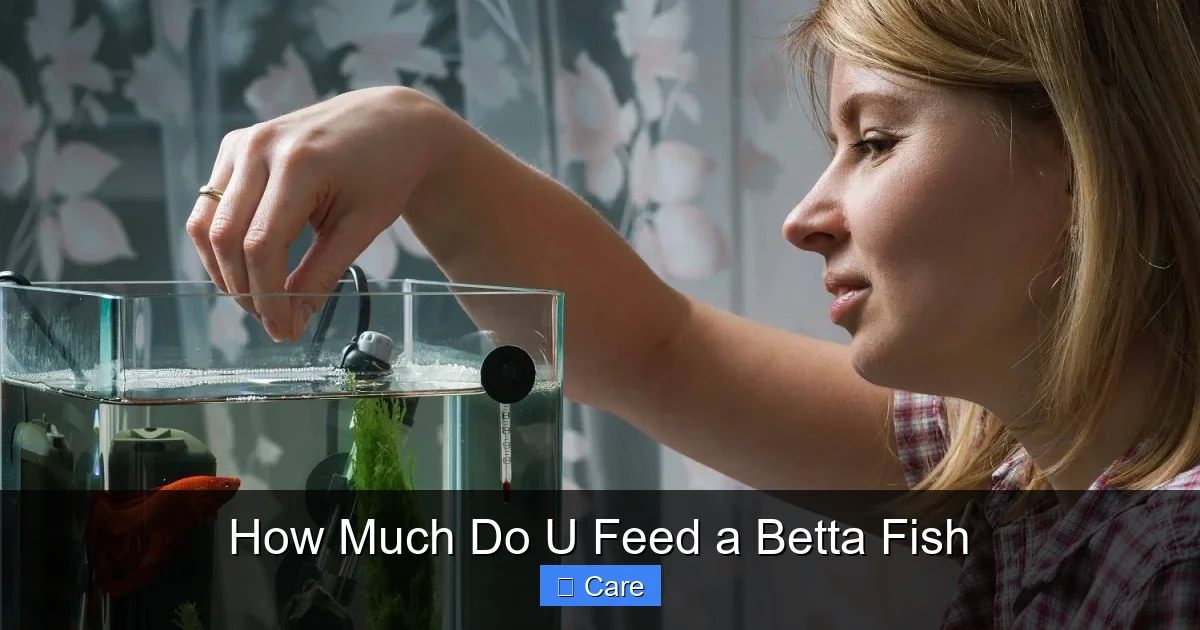
Visual guide about How Much Do U Feed a Betta Fish
Image source: fishlab.com
- 2‑4 tiny pellets (about the size of a grain of rice) per feeding.
- Feed once in the morning and once in the evening.
- Remove any uneaten food after 2‑3 minutes.
This amount provides roughly 2‑3% of the fish’s body weight per day, which is ideal for steady growth and vibrant colors.
Counting pellets vs. weight
If you use frozen or live foods, aim for a pinch that fits in the tip of your finger—about 0.1 g. For flakes, crumble a tiny piece that dissolves quickly. The goal is always “what the betta can finish in a few minutes.”
Adjusting for special cases
- Pregnant (gravid) females: Increase by 1‑2 pellets per feeding to support egg development.
- Old or ill bettas: Offer smaller, more frequent meals (3‑4 times a day) of easily digestible foods like boiled egg yolk.
- Cold water tanks: Reduce portion by 25 % and watch for leftover food.
3. Frequency – How Often Should You Feed?
Twice a day is enough
Most adult bettas do well with two feedings per day. This matches their natural pattern of hunting small prey throughout daylight hours. Over‑feeding multiple times a day can lead to over‑nutrition and water quality problems.

Visual guide about How Much Do U Feed a Betta Fish
Image source: bettasource.com
When to feed more
If you’re raising fry, increase to 3‑4 feedings. If you’re using live foods that are quickly consumed, you can split the portion into three smaller meals.
Link to related article
For a deeper dive on timing, see our guide on how often do u feed a betta fish. It explains the science behind feeding schedules and how to adjust for temperature.
4. Choosing the Right Food
Pellets – the staple
High‑quality betta pellets are formulated with protein, vitamins, and binders that sink slowly, encouraging natural hunting behavior. Look for pellets that are less than 2 mm in size.
Frozen and live treats
Bloodworms, daphnia, and brine shrimp are excellent occasional treats. They add variety and stimulate the betta’s instinct to chase. Freeze‑thaw them first to kill parasites.
Vegetable options
Peas (shelled and boiled) can help with digestion and are useful for constipated bettas. Offer a slice once a week.
Link to feeding methods
Need step‑by‑step instructions? Check out how do you feed a betta fish for tips on using tweezers, feeding rings, and automated feeders.
5. Monitoring and Adjusting Your Feeding Routine
Watch the water
Cloudy water, a strong ammonia smell, or excess food floating after 5 minutes are clear signs you’re feeding too much. Perform a water test weekly and do a partial water change if needed.
Observe your betta’s behavior
- Active, swimming to the surface: You’re likely feeding enough.
- Lethargic or hiding: Reduce portion size.
- Gulps food quickly then swims away: You may be offering too much.
Seasonal check‑ins
Every 2‑3 months, reassess the portion based on tank temperature and your betta’s size. A growing teen will need a slight increase, while an older fish may need less.
Link to water care
Good water quality goes hand‑in‑hand with proper feeding. Learn how to keep the tank pristine in our article on how do you change a betta fish water.
6. Common Mistakes and How to Avoid Them
Over‑feeding
Giving “just a little more” every day adds up fast. Use a measuring spoon or count pellets to stay consistent.
Feeding the wrong type
Human foods (bread, crackers) lack nutrients and can pollute the water. Stick to betta‑specific diets.
Ignoring leftovers
Even a few stray pellets can spike nitrate levels. Always clean the bottom after each feeding.
Not adjusting for health changes
If your betta loses appetite due to stress or illness, reduce the portion and consider a softer food like boiled egg yolk.
Conclusion: Feeding Your Betta with Confidence
Now you know exactly how much do u feed a betta fish: a handful of tiny pellets once or twice a day, with occasional treats for variety. Keep an eye on water quality, adjust for temperature, and watch your fish’s behavior. With these simple steps, your betta will stay bright, active, and healthy for years to come. Remember, consistency beats over‑indulgence, and a well‑fed betta is a happy betta.
Frequently Asked Questions
How many pellets should I give my adult betta each feeding?
Usually 2‑4 tiny pellets, enough for the betta to finish in 2‑3 minutes. Any leftovers should be removed.
Can I feed my betta once a day instead of twice?
Yes, if the portion is slightly larger, but twice a day is recommended to mimic natural hunting patterns.
What is a sign that I am over‑feeding my betta?
Cloudy water, excess food floating after a few minutes, or a noticeable rise in ammonia are clear indicators.
Do bettas need vegetables in their diet?
Occasionally, a boiled and shelled pea can aid digestion, but most of their diet should be protein‑rich pellets or frozen foods.
How does water temperature affect feeding amount?
In cooler water (below 75°F/24°C) metabolism slows, so reduce the portion by about 25 %.
Should I feed my betta more if it’s breeding?
Yes, gravid females benefit from an extra pellet or two per feeding to support egg development.