How Often Do Betta Fish Need to Eat
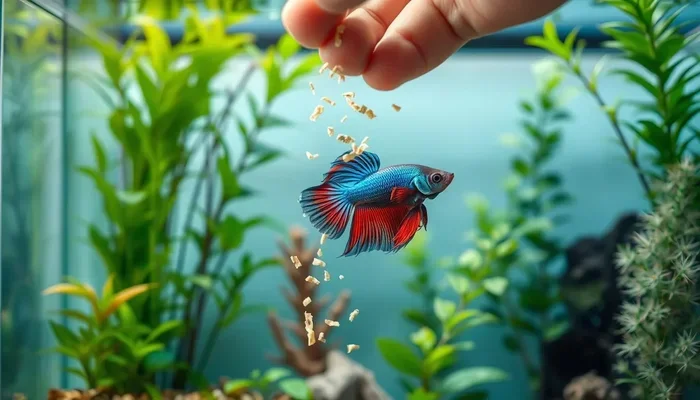
So, how often do betta fish need to eat? The short answer is once or twice a day, with small portions each time. A proper betta fish feeding schedule keeps your fish healthy, active, and full of color. Overfeeding is the biggest mistake new betta owners make, and it can seriously harm your fish.
If you own a betta fish, feeding time can feel confusing. There is so much advice out there about how often do betta fish need to eat, and much of it contradicts itself. Some people say once a day. Others say three times a day. So who is right?
The truth is simpler than you think. Betta fish feeding does not have to be complicated. With the right betta fish feeding schedule and a little knowledge, you can keep your fish healthy and thriving. This guide breaks everything down in plain language so you never have to guess again.
How often do betta fish need to eat depends on a few factors, including their age, size, and activity level. But the general rule works for almost every betta. Let us dive into the details and make sure you are giving your fish exactly what it needs.
Key Takeaways
- Feed once or twice a day: A consistent feeding routine keeps your betta happy and healthy.
- Small portions are key: Only give what your betta can eat in 2 minutes to avoid overfeeding.
- Variety matters: Mix betta pellets, frozen foods, and live foods for balanced betta fish nutrition.
- Watch for hunger signs: Knowing when your betta is truly hungry helps you feed correctly.
- Skip days are okay: Fasting once a week helps prevent digestive issues and bloating.
- Clean water supports feeding: Regular tank maintenance keeps your betta interested in food.
📑 Table of Contents
- Understanding Betta Fish Hunger and Appetite
- The Perfect Betta Fish Feeding Schedule
- How Much Should You Feed a Betta Fish?
- Best Foods for Betta Fish
- Common Betta Fish Feeding Mistakes
- Special Feeding Situations
- How Fasting Benefits Your Betta Fish
- Connecting Feeding to Tank Maintenance
- Quick Tips for a Healthy Betta Feeding Routine
- Final Thoughts on How Often Do Betta Fish Need to Eat
Understanding Betta Fish Hunger and Appetite
Before we talk numbers, it helps to understand how betta fish eat in the wild. Bettas are natural hunters. They eat small insects, larvae, and tiny crustaceans throughout the day. In captivity, they do not have the same constant access to food, so their eating habits change.
A healthy betta fish appetite is a good sign. If your fish comes to the front of the tank when you approach, that is a great indicator. Bettas are smart. They learn feeding times fast. But here is the tricky part. Bettas have small stomachs. Their stomach is roughly the size of their eye. That means they need very little food at each sitting.
Signs Your Betta Is Hungry
Not sure if your fish is actually hungry? Look for these clear betta fish hunger signs:
- Swimming near the top of the tank when you walk by
- Spitting out food or refusing to eat
- Lethargy or slow movement between meals
- Flaring at you more than usual, which can signal excitement or agitation around food time
These signs help you understand when how often do betta fish need to eat matters most. If your fish shows hunger signs but you already fed it, wait before offering more food.
The Perfect Betta Fish Feeding Schedule
So what is the ideal betta fish feeding schedule? Most experts agree that feeding your betta once or twice a day is the sweet spot. This mimics their natural eating patterns and keeps their digestive system working properly.
Morning Feeding
Many betta owners prefer a morning feeding. This works well because you can watch your fish eat and make sure it finishes everything. A small pinch of pellets or a few flakes in the morning sets the tone for the day. How often do betta fish need to eat in the morning? Once is enough. Keep the portion small.
Evening Feeding
If you choose to feed twice a day, the evening meal is a great option. Bettas are most active during dawn and dusk in the wild. An evening feeding aligns with their natural behavior. Just remember the 2-minute rule. If your betta has not eaten everything in 2 minutes, remove the leftover food.
How Many Times a Day Should You Feed a Betta Fish?
Here is a simple breakdown to answer how many times do betta fish eat per day:
- Once a day: Best for adult bettas who are not very active. This works well for fish in cooler tanks or those recovering from illness.
- Twice a day: The most common and recommended schedule. It works for healthy adult bettas of all ages.
- Three times a day: Only for young betta fry or very active fish. Adult bettas do not need three meals a day.
Consistency matters more than frequency. Pick a schedule and stick to it. Your betta will thank you with bright colors and energetic swimming.
How Much Should You Feed a Betta Fish?
Portion size is just as important as frequency. Overfeeding betta fish is one of the most common mistakes new owners make. It leads to bloating, constipation, and poor water quality. A bloated betta is an unhappy betta.
The 2-Minute Rule
The easiest way to measure the right portion is the 2-minute rule. Give your betta only as much food as it can eat within 2 minutes. For pellets, this is usually 2 to 3 small pellets. For flakes, a tiny pinch works perfectly.
Betta Fish Portion Size by Food Type
Different foods require different portions. Here is a quick comparison:
- Betta pellets: 2 to 3 pellets per feeding
- Betta flakes: A small pinch, about the size of a pea
- Frozen bloodworms: 2 to 3 small pieces, once or twice a week
- Live brine shrimp: 2 to 3 shrimp per feeding
- Freeze-dried daphnia: 2 to 3 pieces, used as an occasional treat
These portions keep betta fish nutrition balanced without overwhelming your fish’s tiny digestive system. How often do betta fish need to eat matters, but so does how much you give them at each sitting.
Best Foods for Betta Fish
Not all fish food is created equal. Bettas are carnivores. They need protein-rich diets to stay healthy. A proper betta fish diet includes a mix of different food types.
Staple Foods
High-quality betta pellets should be the foundation of your fish’s diet. Look for pellets with fish meal or shrimp meal listed as the first ingredient. These provide the protein bettas need. Brands formulated specifically for bettas work best because they sink slowly, which suits betta feeding behavior.
Treats and Variety
Variety keeps mealtimes exciting. Here are some great options for betta fish food types:
- Frozen bloodworms: Rich in protein and a favorite treat
- Live brine shrimp: Excellent for conditioning and breeding fish
- Freeze-dried daphnia: Great for digestion and adds variety
- Mosquito larvae: A natural food source bettas love
Treats should make up no more than 20 to 25 percent of the total diet. The rest should come from high-quality pellets or flakes. If you want deeper guidance on how often do you feed a betta fish treats, keep reading. We cover it in the next section.
Common Betta Fish Feeding Mistakes
Even experienced fish keepers make mistakes. Here are the most common errors people make when feeding their bettas, and how to avoid them.
Overfeeding
This is the number one mistake. Bettas will eat almost anything you give them, even when they are full. Uneaten food sinks to the bottom and decays, which spikes ammonia levels in the tank. How often do betta fish need to eat does not mean you should give them as much food as possible. Less is more.
Feeding the Wrong Foods
Flakes designed for tropical community fish do not meet a betta’s protein needs. Bettas need food with at least 30 percent protein. Always check the ingredients before you buy. Fish flakes meant for goldfish or tropical community tanks lack the nutrition bettas require.
Skipping Days Without Reason
Some owners think skipping days helps the fish “rest.” While a weekly fasting day can be beneficial (more on that below), skipping days randomly can lead to malnutrition. If you are going on vacation, use an automatic feeder or ask a friend to feed your betta properly.
Ignoring Feeding Time Consistency
Bettas thrive on routine. Feeding at different times each day confuses your fish and disrupts their natural rhythms. Pick two set times and stick to them every single day. This simple habit makes a huge difference in your fish’s overall health and behavior.
Special Feeding Situations
Not all bettas eat the same way all the time. Certain situations require adjustments to your feeding approach.
Feeding a Sick Betta Fish
If your betta is not eating, do not panic. A betta that won’t eat may be stressed or sick. Try offering a smaller portion of live brine shrimp or frozen bloodworms. These are tempting and easy to eat. If your fish still refuses food for more than two days, check the water parameters and consider consulting a vet. Sometimes the problem is not the food but the betta fish tank conditions.
Feeding Young Betta Fry
Baby bettas need more frequent feedings than adults. Fry should eat 3 to 4 times a day in very small amounts. Infusoria, baby brine shrimp, and crushed flakes work well for young fish. As they grow, you can reduce feedings and increase portion size gradually.
Feeding During Water Changes
It is best to feed your betta after a water change, not before. Fresh water can contain chlorine or temperature changes that stress fish. Wait about 15 to 20 minutes after a water change, then offer a small meal. This keeps your fish comfortable and interested in food.
How Fasting Benefits Your Betta Fish
Here is a surprising tip: giving your betta a break from food can actually help its health. Many experienced fish keepers recommend one fasting day per week. This gives the digestive system a chance to clear out any undigested food and reduces the risk of bloating.
Fasting also mimics what bettas experience in the wild. In nature, food is not always available every single day. A weekly rest day helps prevent overfeeding and keeps your fish’s appetite strong. On fasting days, your betta will still swim around and explore the tank. It will not starve from missing one day of food.
If you are wondering how often do betta fish need to eat on fasting days, the answer is simple. They do not need to eat at all. Just skip the meal and resume the normal schedule the next day.
Connecting Feeding to Tank Maintenance
Feeding and tank care go hand in hand. Uneaten food decays quickly and pollutes the water. This is why how often to clean a betta fish tank and how often to change water for betta fish matter just as much as the feeding schedule itself.
After every feeding, check for leftover food after 2 minutes. Remove any uneaten bits with a small net or turkey baster. Regular water changes and tank cleaning prevent the buildup of ammonia and nitrites that can make your betta sick. A clean tank also keeps your fish interested in food. Bettas in dirty tanks often lose their appetite and become lethargic.
If you are ever unsure about your fish’s health after feeding, you can learn more about what to do when your betta fish won’t eat or check out our guide on how to do a water change for a betta fish. These resources help you connect the dots between feeding, water quality, and overall fish wellness.
Quick Tips for a Healthy Betta Feeding Routine
Want a simple checklist to follow every day? Here are quick tips that make betta fish feeding easy and stress-free:
- Feed at the same times every day, morning and evening
- Give only what your betta can eat in 2 minutes
- Use high-quality betta pellets as the staple food
- Add variety with frozen or live treats 2 to 3 times a week
- Skip one feeding per week to let the digestive system rest
- Remove uneaten food immediately after feeding
- Test your water regularly to ensure a healthy environment
- Watch your betta’s behavior and adjust portions as needed
These tips work for almost every betta fish. Whether you are a complete beginner or a seasoned hobbyist, following this routine keeps your fish healthy and vibrant.
Final Thoughts on How Often Do Betta Fish Need to Eat
How often do betta fish need to eat comes down to one simple principle: consistency, portion control, and quality food. Feed your betta once or twice a day with small amounts. Watch for hunger signs and adjust as needed. Include a mix of pellets, treats, and occasional fasting days to keep your fish in top shape.
A good betta fish feeding schedule does not have to be complicated. Start with the basics, stay consistent, and observe your fish. Over time, you will learn your betta’s unique preferences and needs. The result is a happy, colorful, and active fish that brings joy to your home every single day.
If you ever feel unsure about your betta’s eating habits, revisit this guide. And remember, the best thing you can do for your fish is to feed it the right amount at the right time. Your betta will thrive because of it.
Frequently Asked Questions
Can I feed my betta fish once a day?
Yes, feeding once a day works perfectly for most adult bettas. Just make sure the portion is enough to sustain your fish through the day. A few high-quality pellets in the morning or evening is all it takes.
What happens if I overfeed my betta fish?
Overfeeding causes bloating, constipation, and poor water quality. Uneaten food decays in the tank and raises ammonia levels, which can make your fish sick. Always stick to small portions and remove leftovers after 2 minutes.
Can betta fish go without food for a week?
Adult bettas can survive without food for up to 14 days, but this is not recommended as a regular practice. A weekly one-day fast is healthy, but longer periods without food can lead to malnutrition and stress.
What is the best time of day to feed a betta fish?
Morning or evening works best. Bettas are most active during dawn and dusk, so feeding during these times aligns with their natural behavior. Choose a time you can consistently stick to every day.
Should I feed my betta fish flakes or pellets?
High-quality betta pellets are generally better than flakes. Pellets sink slowly and are packed with protein that bettas need. Flakes can work but often lack the nutritional density pellets provide. If you use flakes, choose ones specifically formulated for bettas.
How do I know if I am feeding my betta enough?
A well-fed betta has a rounded but not bloated belly, bright colors, and steady energy levels. If your fish is losing weight, becoming lethargic, or losing color, you may need to increase the portion size slightly or feed a bit more often.
=== CONCLUSION ===
How often do betta fish need to eat is a question every betta owner should understand. The answer is simple: feed once or twice a day with small, protein-rich portions. Stick to a consistent betta fish feeding schedule, watch for hunger cues, and never overfeed. With the right approach, your betta will live a long, healthy, and vibrant life. Start today by adjusting your feeding routine, and you will see the difference in your fish’s energy and color within just a few weeks.