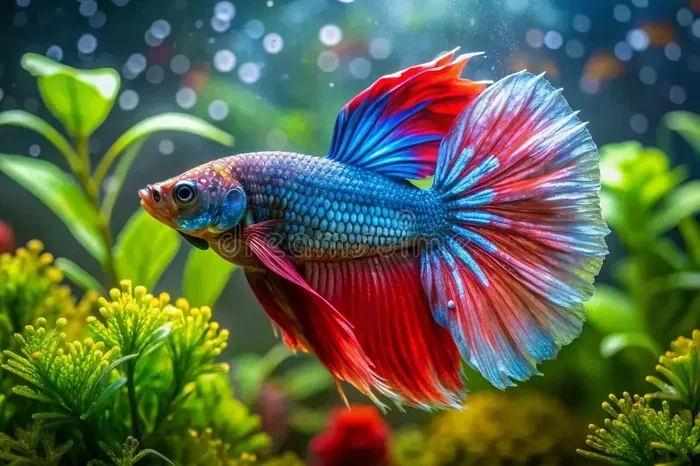
Why Is My Betta Fish Blowing Bubbles
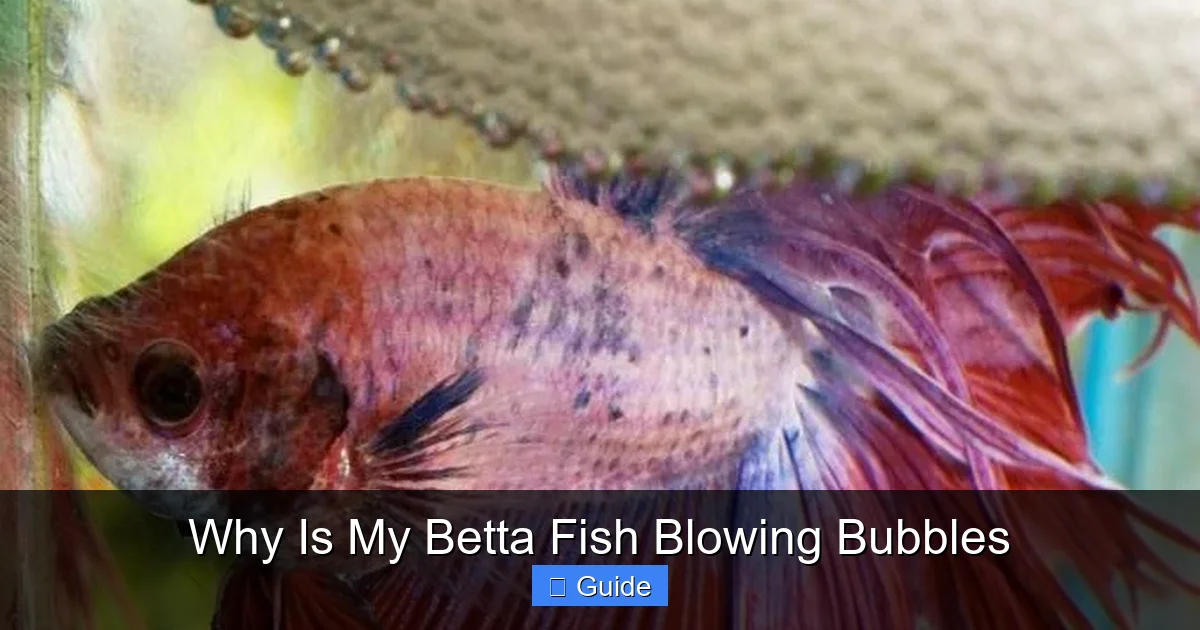
Betta fish blowing bubbles is most commonly a sign of a healthy, happy male building a bubble nest for potential breeding. However, it can also indicate stress from poor water quality, an undersized tank, or underlying health issues. Observing the bubble pattern, your betta’s overall behavior, and tank conditions is crucial to determine the true cause. While bubble nests themselves are harmless and natural, persistent frantic bubble-blowing paired with lethargy or loss of appetite warrants a closer look at your aquarium environment.
Key Takeaways
- Bubble nests are natural breeding behavior: Male bettas instinctively build floating bubble nests when they feel secure and are in breeding condition. This is a positive sign of health and readiness.
- Not all bubble-blowing is nesting: Erratic, single bubbles or frantic blowing at the surface can signal stress from dirty water, low oxygen, or incorrect temperature.
- Water quality is paramount: Poor water parameters (high ammonia/nitrite, unstable pH) are a primary cause of stress-induced surface breathing and bubble production.
- Tank size and setup matter: A tiny, barren tank or strong surface tension from poor filtration can cause stress and make bubble-building difficult or frantic.
- Health issues can mimic nesting: Respiratory infections or gill problems may cause a betta to gasp and blow bubbles at the surface as it struggles to breathe.
- Observe the whole fish: Judge the behavior by the betta’s energy, appetite, and fin condition. A vibrant fish carefully placing bubbles is different from a pale, listless fish gulping air.
- Don’t destroy the nest unnecessarily: If it’s a proper nest and your fish is healthy, destroying it can cause significant stress. Only remove it if it’s a symptom of a larger problem you’re fixing.
📑 Table of Contents
- The Mesmerizing Mystery of the Bubble-Blowing Betta
- The Pride of the Bubble Nest: Instinctive Betta Breeding Behavior
- When Bubbles Signal Stress: The Other Side of the Coin
- The Water Quality Connection: The Foundation of Betta Health
- Tank Setup: Size, Filtration, and Surface Tension
- Health Issues That Can Cause Bubbling
- How to Be a Betta Detective: A Step-by-Step Guide
- Conclusion: Reading the Bubbles with Confidence
The Mesmerizing Mystery of the Bubble-Blowing Betta
You’re gazing at your beautiful betta fish, that vibrant splash of color with fins like flowing silk. Suddenly, you notice tiny bubbles rising to the top of the tank, and your betta is right there, mouth carefully releasing them. It’s a fascinating, almost hypnotic sight. But then a question bubbles up in your mind: why is my betta fish blowing bubbles? Is this a happy sign? A cry for help? Or just weird fish behavior?
As a betta owner, understanding this common behavior is key to reading your aquatic pet’s well-being. The short answer is: it’s usually normal and wonderful. But the full answer has important nuances. Bubble-blowing is a complex language. It can speak of contentment and instinct, or it can whisper (or shout) about stress and sickness. Decoding this language means looking at the how, the where, and the what else your betta is doing. Let’s dive deep into the world of the bubble-blowing betta, turning you from a curious observer into a confident interpreter of your fish’s actions.
The Pride of the Bubble Nest: Instinctive Betta Breeding Behavior
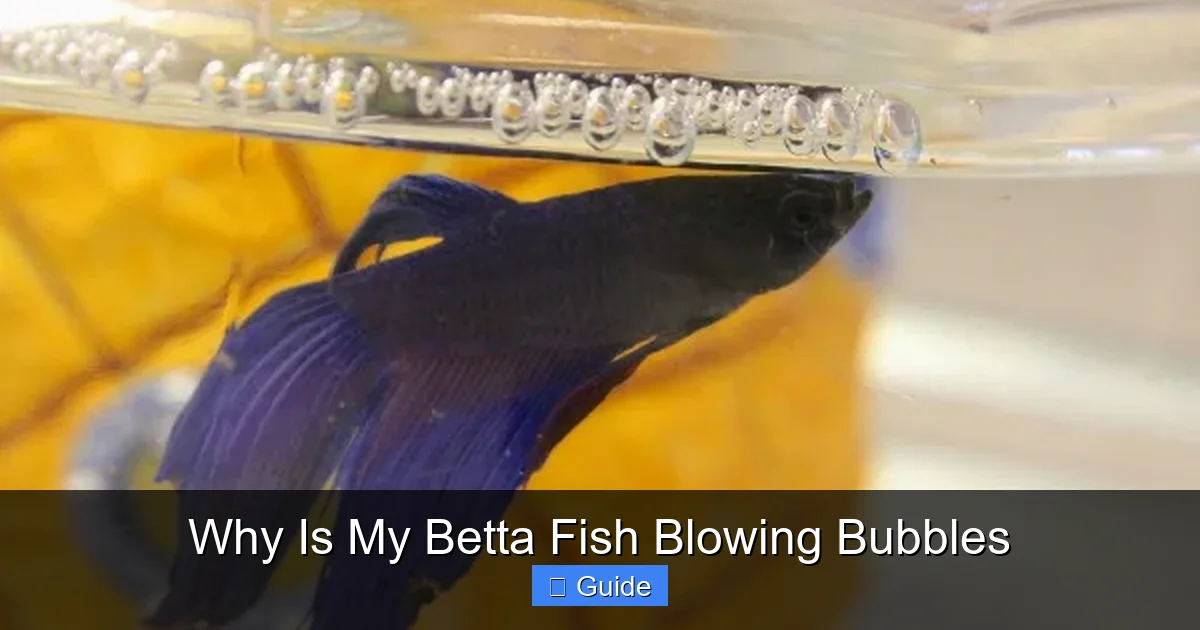
When you picture a betta blowing bubbles, this is the scene that likely comes to mind: a male betta, in peak condition, meticulously gathering air from the surface and coating each bubble with a special saliva-based mucus. He works diligently, often for hours, creating a floating, foamy raft of bubbles at the water’s surface. This is the iconic bubble nest, and it is one of the most profound instincts in the betta fish.
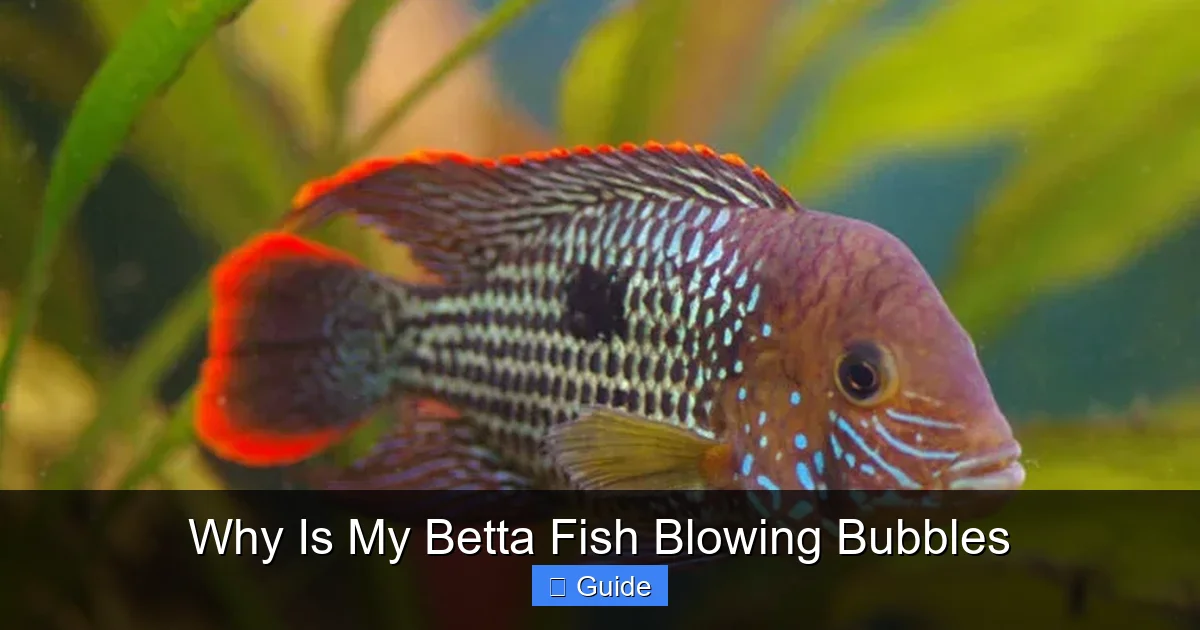
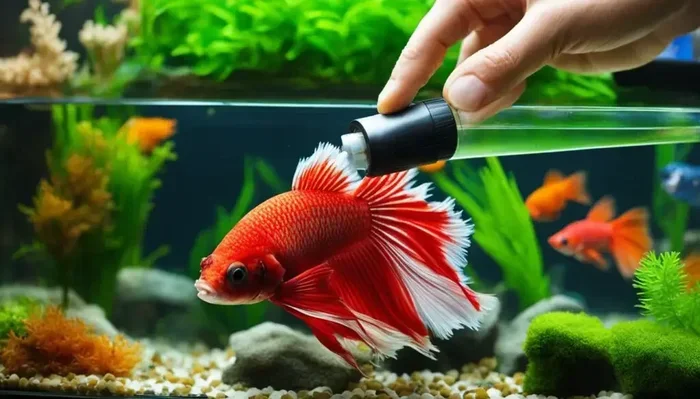
Visual guide about Why Is My Betta Fish Blowing Bubbles
Image source: fishkeepingadventure.com
The Biology Behind the Bubbles
Betta splendens are part of a unique group of fish called labyrinth fish. They possess a specialized organ called the labyrinth, which allows them to breathe atmospheric air. This adaptation lets them survive in warm, stagnant, oxygen-poor waters in their native Southeast Asia. The very mechanism that lets them gulp air is also the tool they use to build nests. The mucus they secrete makes the bubbles more durable, preventing them from popping immediately. This isn’t just random blowing; it’s a deliberate, energy-intensive construction project.
What a Nest Says About Your Betta
A well-constructed bubble nest is arguably the highest compliment a male betta can give his environment. It means:
- He feels secure: Building a nest is a vulnerable act. A stressed or threatened betta will not waste energy on it. Its presence indicates he feels his territory is safe.
- He is in excellent health: Nest-building requires strength and vitality. A sick or weak betta simply doesn’t have the reserves for this task.
- Water parameters are likely good: While not a guarantee, a betta in consistently poor water will be too stressed to exhibit complex breeding behaviors.
- He is reproductively ready: The nest is a bachelor pad, built in anticipation of a female. It’s a signal to any potential mate that he is a suitable, robust partner.
Practical Example: Your betta, “Sir Bubbles,” spends a few days carefully assembling a large, cohesive nest in a quiet corner of his 10-gallon tank. He flares gently at his reflection, his colors are bright, and he eats eagerly. This is textbook, healthy behavior.
When Bubbles Signal Stress: The Other Side of the Coin
Not all bubble-blowing is created equal. While a structured nest is a sign of well-being, other forms of surface bubbling can be red flags. The key difference lies in the pattern, frequency, and accompanying symptoms.
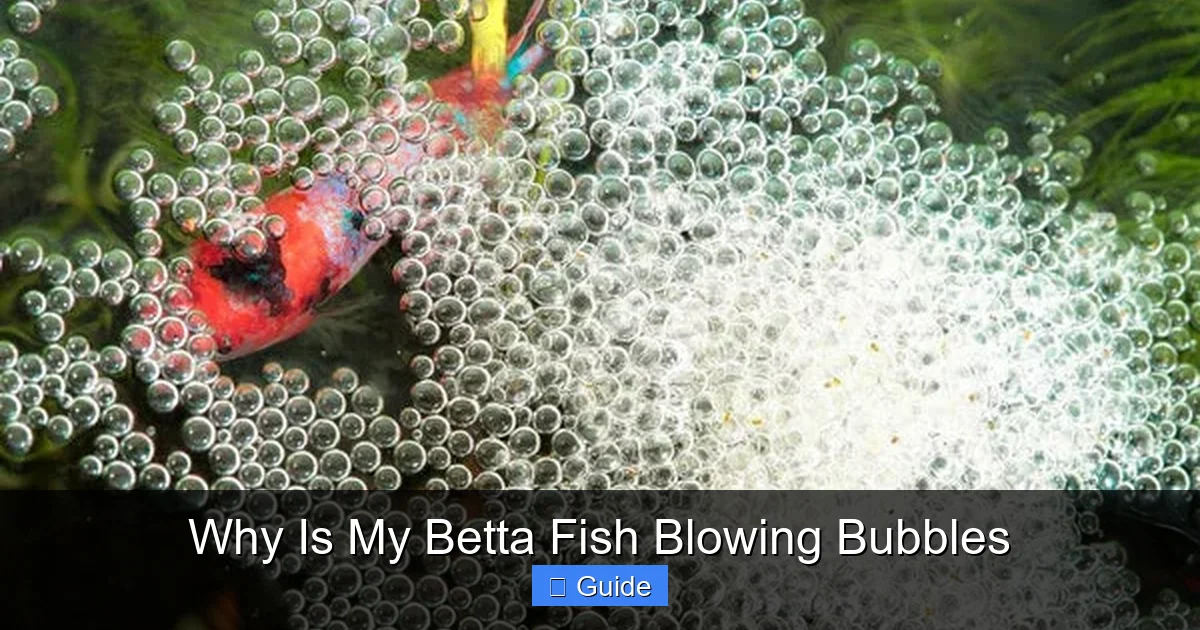
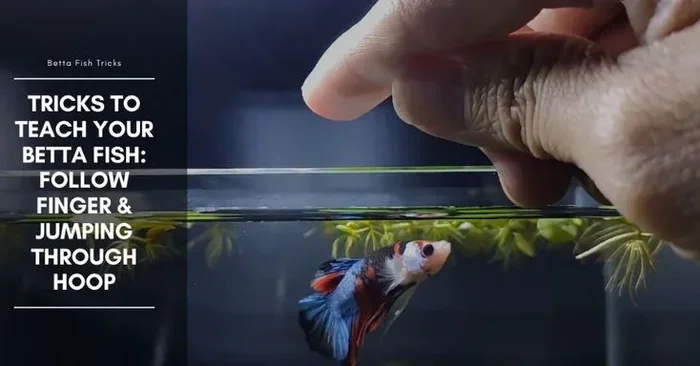
Visual guide about Why Is My Betta Fish Blowing Bubbles
Image source: cdn.shopify.com
Frantic Gulping and Single Bubbles
If your betta is rapidly swimming to the surface, taking a big gulp of air, and exhaling a single, large bubble before darting away, this is typically a sign of distress. This behavior is often paired with:
- Gasping for air: The fish seems to be struggling to breathe.
- Lethargy: Hiding at the bottom, not swimming much.
- Loss of appetite: Ignoring food.
This is your betta’s way of saying the water is making it hard to breathe. Since bettas are labyrinth fish, they must gulp air. But if they are doing it excessively and frantically, it’s a major warning sign.
The Culprits of Stress-Induced Bubbling
What causes this stressful gasping? Almost always, it’s an environmental issue.
- Poor Water Quality: This is the #1 suspect. High levels of ammonia or nitrite are toxic and burn the gills, making oxygen absorption painful and inefficient. Even high nitrate can cause chronic stress.
- Insufficient Oxygen: While bettas don’t rely solely on dissolved oxygen like other fish, extremely low levels in the water column force them to gulp more frequently. This can happen in very warm water (which holds less oxygen) or in tanks with no surface movement from a filter or air stone.
- Incorrect Temperature: Water that’s too cold (< 76°F/24°C) slows a betta’s metabolism and can depress its immune system. Water that’s too hot (> 82°F/28°C) increases its metabolic rate and oxygen demand while simultaneously reducing oxygen in the water, creating a double problem.
Practical Example: Your betta, “Gus,” has been hovering at the top, blowing one big bubble every few seconds. You test the water and find ammonia at 1 ppm. The tank hasn’t had a water change in two weeks. The cause is clear: toxic ammonia is burning his gills, forcing him to the surface for more air. The solution is immediate water changes and filter maintenance.
The Water Quality Connection: The Foundation of Betta Health
If you’re asking why is my betta fish blowing bubbles, the first and most critical step is always to test your water. This cannot be overstated. A liquid test kit (like the API Freshwater Master Test Kit) is non-negotiable equipment for any responsible betta owner.
Visual guide about Why Is My Betta Fish Blowing Bubbles
Image source: redheadbabymama.com
Understanding the Nitrogen Cycle
Fish waste and decaying food produce ammonia (NH3/NH4+), which is deadly. Beneficial bacteria in your filter convert ammonia to nitrite (NO2-), which is also toxic. Another bacteria then converts nitrite to nitrate (NO3-), which is much less harmful but still needs to be controlled via water changes. A cycled tank has established populations of these bacteria. An uncycled or disrupted cycle leads to toxic spikes.
- Ammonia (NH3/NH4+): Should be 0 ppm. Burns gills and skin.
- Nitrite (NO2-): Should be 0 ppm. Methemoglobinemia (“brown blood disease”), prevents oxygen transport.
- Nitrate (NO3-): Should be < 20 ppm. Chronic high levels cause stress and suppress immunity.
Other Water Parameters to Consider
- pH: Bettas prefer slightly acidic to neutral water (pH 6.5 – 7.5). Extreme swings are stressful.
- Temperature: Maintain a stable 78-80°F (25.5-26.5°C) using an adjustable heater. No guesswork—use a thermometer.
- Hardness (GH/KH): While adaptable, very soft or very hard water can be a long-term stressor. Moderately soft to moderately hard is fine.
Actionable Tip: Perform 25-50% water changes weekly with dechlorinated water matching your tank’s temperature. Clean the filter media in old tank water (never tap water, which kills beneficial bacteria) once a month. This simple routine prevents 90% of water-quality-related problems, including stress bubbling.
Tank Setup: Size, Filtration, and Surface Tension
Your betta’s physical environment plays a huge role in its behavior. An inappropriate tank setup is a chronic source of stress that can manifest as odd breathing and bubbling.
The Myth of the “Bowl” and the Reality of Minimum Space
The classic betta in a tiny vase or bowl is a recipe for disaster. While bettas can survive in small volumes, they cannot thrive. A minimum of 5 gallons (19 liters) is the absolute standard for a single betta. Why?
- Stable Water Parameters: Larger volumes dilute toxins, making water quality easier to maintain.
- Swimming Space: Bettas are active, curious fish. They need room to explore, flare, and build nests without constantly bumping into walls.
- Thermal Stability: A small volume heats and cools erratically, causing stressful temperature swings.
Filtration: Gentle but Effective
All fish need filtration. The myth that bettas can’t handle filter flow is false; they just need a gentle flow. A strong current stresses them, forces them to work constantly to stay in place, and can damage their delicate fins.
- Use a sponge filter for gentle biological and mechanical filtration in small tanks. It provides excellent surface agitation for gas exchange without a strong current.
- Or, baffle your hang-on-back (HOB) filter with a sponge or cut-up water bottle to diffuse the flow.
- Surface agitation is good. It breaks the water’s surface tension, allowing for better oxygen exchange. A completely still surface can contribute to the “stagnant” conditions bettas are adapted to but isn’t ideal in a confined tank. A gentle ripple is perfect.
Practical Example: You have a 3.5-gallon “betta kit” tank with a built-in filter that creates a waterfall. Your betta hides behind the heater, fins are clamped, and he blows occasional bubbles at the surface away from the current. Solution: Add a sponge filter or severely baffle the existing outflow. Provide more plants (live or silk) for him to hide in. Upgrade the tank when possible.
Health Issues That Can Cause Bubbling
When environmental causes are ruled out (water is pristine, tank is appropriate, temperature is correct), we must consider internal health problems. Respiratory issues are the most likely to cause abnormal surface behavior.
Gill and Respiratory Diseases
Bettas can suffer from bacterial or parasitic infections affecting the gills.
- Bacterial Gill Disease: Often from poor water. Gills become red, inflamed, and produce excess mucus, impairing oxygen absorption. The fish will gasp and gulp air constantly.
- Velvet Disease (Oodinium): A parasitic infection that looks like a fine gold or rust dust on the body. It severely irritates the skin and gills, causing labored breathing and scraping against objects.
- Flukes (Trematodes): External parasites that attach to gills, causing damage and respiratory distress.
Swim Bladder Disorders
While primarily causing buoyancy issues (sinking, floating, swimming sideways), a stressed or infected swim bladder can sometimes cause a betta to hang at the surface, gulping air more than usual as it struggles to maintain position.
What to Look For
Beyond bubbling, check for:
- Clamped fins or torn/faded fins.
- Spots, patches, or “dust” on the body.
- Scratching or flashing (rubbing against tank decor).
- Bulging eyes (dropsy) or raised scales.
- Lethargy and complete loss of appetite for more than 24 hours.
Important: If you suspect disease, quarantine the betta in a hospital tank. Treating the main display tank with medication can crash the cycle and harm any invertebrates. Consult a reputable aquatic vet or trusted resource (like a dedicated betta forum) for specific medication protocols. Epsom salt baths (magnesium sulfate) can help with swelling and buoyancy issues.
How to Be a Betta Detective: A Step-by-Step Guide
So, you’ve seen the bubbles. Now what? Don’t panic. Follow this systematic approach to become a betta behavior detective.
Step 1: Observe the Bubble Pattern
- Structured, floating raft? Likely a nest. Note its size and location.
- Single, large bubbles gulped frantically? Likely respiratory distress.
- A steady stream of tiny bubbles from the mouth while swimming? Could be mild stress or poor water.
Step 2: Assess Your Betta’s Overall Demeanor
- Color: Bright and vibrant? Or pale, faded, or darkening (stress stripe)?
- Activity: Actively exploring, flaring at you or his reflection? Or hiding, listless, hovering at the bottom or top?
- Appetite: Eagerly eat? Or ignoring food?
- Fins: Fully extended and flowing? Or clamped tight against the body?
Step 3: Check Your Water Immediately
Test for ammonia, nitrite, nitrate, and pH. Perform a 25% water change with conditioned water if parameters are off, even before the test results if you suspect a problem. This is the safest first response.
Step 4: Evaluate Your Tank Setup
- Tank size? (5+ gallons ideal)
- Heater working? Thermometer showing correct temp?
- Filter flow too strong? Can you see your betta being pushed around?
- Enough hiding spots and plants (real or silk)?
- Tank mates? Aggressive or fin-nipping tank mates cause constant stress.
Step 5: Consider Recent Changes
Did you add a new decor item (which may have toxins)? Introduce a new fish? Change the lighting? Have a power outage affecting temperature? Any change can spike stress.
Decision Tree: If the betta is vibrant and building a nest in a well-maintained tank → Rejoice! It’s natural. If the betta is lethargic, gasping, and water tests show toxins → Act immediately with water changes and source identification. If water is perfect but symptoms persist → Consider quarantine and disease treatment.
Conclusion: Reading the Bubbles with Confidence
So, why is your betta fish blowing bubbles? The answer is written in the water, in the tank, and in your fish’s very posture. More often than not, those delicate bubbles are a masterpiece of instinct—a testament to a fish that feels safe, strong, and ready for the future. It’s one of the most rewarding sights in the aquarium hobby, a direct link to the wild behaviors of these captivating creatures.
However, your betta’s bubbles can also be a subtle SOS. By learning to distinguish a proud, purposeful bubble nest from the frantic, stressed gulping of a fish in discomfort, you empower yourself to be the guardian your betta needs. Always start with the water. Test it, change it, and respect the cycle. Provide a spacious, filtered, heated home with gentle flow and plenty of plants. Watch your fish not just for bubbles, but for the sparkle in its eye, the flare of its gills, and the grace of its swimming.
Your betta is not just a pet; it’s a conversation. The bubbles are part of that dialogue. Listen closely, respond with knowledge and care, and you’ll enjoy a deeper, healthier relationship with your little aquatic companion for years to come.
Frequently Asked Questions
Should I destroy my betta’s bubble nest?
No, you should not destroy a healthy bubble nest if your betta is otherwise acting normal. It is a sign of security and health, and destroying it can cause significant stress. Only consider gently removing it if you are performing a major tank cleanup or if it’s paired with clear signs of illness that you are treating.
Do female betta fish blow bubbles?
Yes, female bettas can and sometimes do blow bubbles, but it is much less common and less elaborate than in males. They may blow a few bubbles during courtship or if they are in exceptionally good condition. A large, structured bubble nest is almost always built by a male.
My betta is blowing bubbles but not building a nest. Is this normal?
This can be normal, especially if your betta is young, not in breeding condition, or if the tank conditions aren’t quite perfect for nesting (e.g., too much surface agitation from filter flow). A few scattered bubbles during normal activity can happen. However, if it’s paired with frantic gulping or other stress signs, it points to an environmental issue.
Can poor water quality really make my betta blow bubbles?
Absolutely. High ammonia or nitrite burns and damages the gills, making it extremely difficult for your betta to extract oxygen from the water. This forces it to the surface to gulp air more frequently and frantically, often expelling bubbles. This is a primary sign of toxic water conditions and requires immediate action.
How can I tell if my betta is just building a nest or is actually sick?
>Look at the entire picture. A nesting betta is vibrant, active, flares at his reflection, and eats well. He carefully places bubbles to form a cohesive raft. A sick betta will be lethargic, pale, have clamped or torn fins, show spots/patches, and have a poor appetite. Its bubble-blowing will be frantic, inefficient gasping, not careful construction.
My betta’s bubble nest has eggs in it. What do I do?
If your male betta has successfully bred and the nest contains eggs, this is a critical period. The male will tend the nest, keeping eggs clean and retrieving any that fall. Do not disturb the tank. Ensure water quality is pristine (ammonia/nitrite at 0). You may need to remove the female if she hasn’t been removed already, as the male may become aggressive. After the fry (babies) hatch and become free-swimming (in 2-3 days), the male’s parental care ends, and he may eat the fry, so the parents should be removed at that point. Raising betta fry is an advanced endeavor requiring separate, prepared rearing tanks.