How Often to Clean a Betta Fish Tank
Keeping a betta fish tank clean is essential for a thriving pet, but over‑cleaning can stress your fish. Most experts recommend a partial water change every week and a full clean every 4‑6 weeks, adjusted for tank size and filtration. Follow these simple guidelines to maintain crystal‑clear water without harming your finned friend.
Key Takeaways
- Weekly partial water changes: Replace 20‑30% of water to control ammonia.
- Full clean every 4‑6 weeks: Reset substrate, decorations, and filter media.
- Watch water parameters: Test for nitrate, nitrite, and pH to guide cleaning frequency.
- Tank size matters: Smaller tanks need more frequent changes than larger ones.
- Live plants & filters: They help extend cleaning intervals but still need regular maintenance.
- Signs of dirty water: Cloudy water, foul smell, or stressed behavior signal a clean‑up.
- Consistent routine: A schedule reduces stress for both you and your betta.
📑 Table of Contents
- Introduction: Why Cleaning Frequency Matters
- Understanding the Betta’s Natural Habitat
- Factors That Influence Cleaning Frequency
- Step‑by‑Step Cleaning Schedule
- Signs Your Betta Needs a Faster Clean
- Tips to Make Cleaning Easier
- Putting It All Together: Your Personal Cleaning Calendar
- Conclusion: Balance Is the Secret Ingredient
Introduction: Why Cleaning Frequency Matters
Imagine sharing a bedroom with a roommate who never takes out the trash. After a few days, the air gets stale, the floor sticky, and you both feel miserable. A betta fish feels the same way when its tank becomes a build‑up of waste, uneaten food, and algae. Keeping the water clean isn’t just about looks; it’s about health, color, and longevity.
Betta fish are hardy, but they are also sensitive to poor water quality. A dirty tank can lead to fin rot, fungus, and a dull, lifeless appearance. On the flip side, cleaning too aggressively or too often can remove beneficial bacteria that help break down ammonia, causing spikes that stress the fish. The key is balance—knowing how often to clean a betta fish tank so you protect the delicate ecosystem while keeping maintenance manageable.
Understanding the Betta’s Natural Habitat
What a betta would experience in the wild
In Southeast Asian rice paddies and shallow streams, bettas live in warm, slow‑moving water with plenty of plants and natural filtration. The water is constantly refreshed by rain and gentle currents, keeping waste levels low.

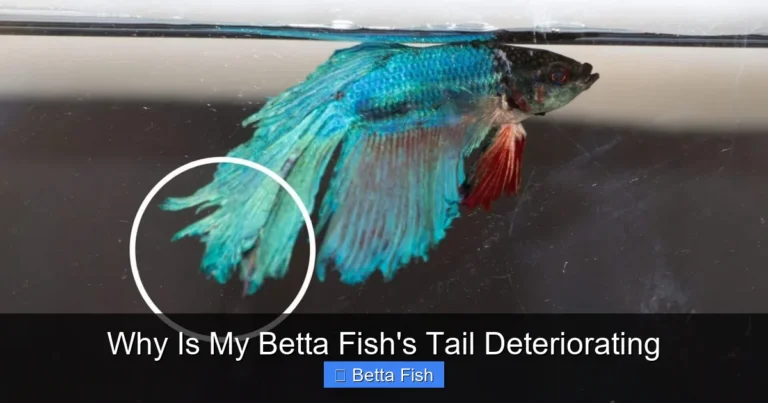
Visual guide about How Often to Clean a Betta Fish Tank
Image source: bigwheels.my
How a tank replicates (or fails to replicate) that environment
Even the best aquarium cannot match a flowing stream, but we can mimic the essential elements: stable temperature, clean water, and hiding spots. A well‑maintained tank provides the same stability a betta would find in nature.
Factors That Influence Cleaning Frequency
Tank size
Smaller tanks (1‑2 gallons) have less water volume to dilute waste, so they need more frequent water changes—usually 30% each week. Larger tanks (5‑10 gallons) can go a bit longer between changes because the water mass absorbs toxins more slowly.

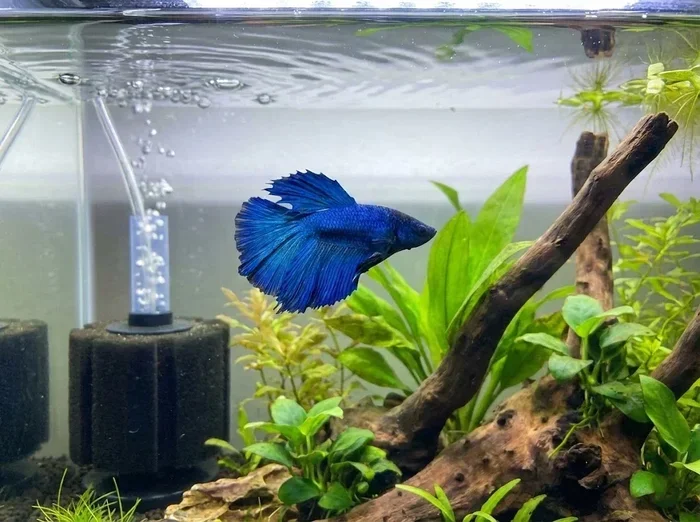
Visual guide about How Often to Clean a Betta Fish Tank
Image source: n.sinaimg.cn
Filtration
Filters are the unsung heroes of a healthy betta tank. A good filter reduces the need for full clean‑outs, but the filter media still requires regular rinsing. If you have a filter, you can often stretch the full cleaning cycle to 5‑6 weeks. For a filter‑free setup, stick to the 4‑week rule.
Live plants
Plants act like natural filters, absorbing nitrates and providing oxygen. A planted tank can often skip a full clean for a week longer than a barren tank. Just remember to trim dead leaves and rinse the substrate gently.
Feeding habits
Overfeeding is the fastest way to cloud water. If you feed only what the betta can eat in two minutes, waste buildup slows dramatically, allowing a longer interval between cleanings.
Water parameters
Regular testing for ammonia, nitrite, nitrate, and pH tells you when the water is getting out of balance. When nitrate climbs above 20 ppm, it’s time for a partial change, regardless of your schedule.
Step‑by‑Step Cleaning Schedule
Weekly Maintenance (Partial Water Change)
1. Gather supplies: siphon or bucket, water conditioner, test kit.

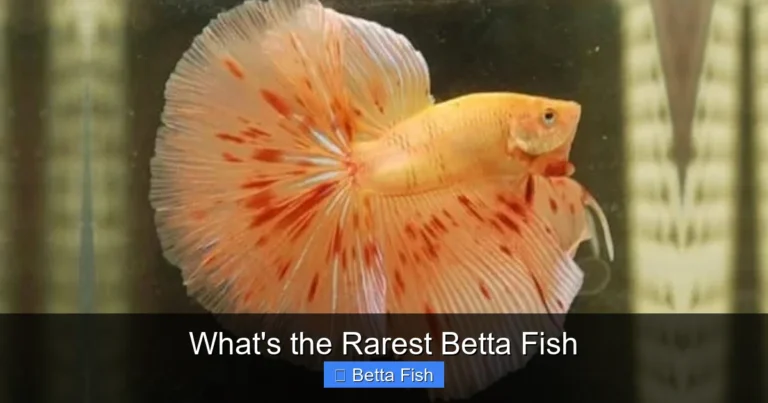
Visual guide about How Often to Clean a Betta Fish Tank
Image source: img95.699pic.com
2. Test the water: note ammonia, nitrite, nitrate, and pH.
3. Remove 20‑30% of water: Use a siphon to pull water from the middle of the tank, avoiding the substrate as much as possible.
4. Condition the new water: Match temperature and add a water conditioner to neutralize chlorine.
5. Replace water slowly: Pour new water around the edges to minimize disturbance.
6. Quick spot‑clean: Use a soft algae pad to wipe the glass if needed.
Doing this each week keeps nitrate low and removes uneaten food before it decays.
Full Clean (Every 4‑6 Weeks)
1. Plan ahead: Choose a day when you have a few hours free.
2. Move the betta: Gently net the fish into a clean, pre‑conditioned container.
3. Empty the tank: Dump all water and discard old filter media.
4. Scrub surfaces: Use an aquarium-safe sponge to clean glass, decorations, and the substrate. Avoid harsh chemicals.
5. Rinse substrate: If you use gravel, rinse it in a bucket of water to remove debris, but keep some of the old water to preserve beneficial bacteria.
6. Re‑assemble and refill: Add fresh, conditioned water, reinstall the filter (with new media if needed), and let the tank cycle for a few minutes.
7. Return the betta: Acclimate slowly by adding small amounts of tank water to the container over 10‑15 minutes.
Following this routine prevents a sudden shock to the fish’s system and maintains a stable bio‑filter.
Special Situations
- Algae bloom: Increase water changes to 30% and reduce light exposure.
- Ill fish: Perform a “hospital” water change—replace 50% of water with medicated water if needed.
- Live plant die‑back: Trim dead leaves and replace a portion of the substrate to keep nutrients balanced.
Signs Your Betta Needs a Faster Clean
Behavioral clues
If your betta is gasping at the surface, hiding more than usual, or showing faded colors, water quality may be poor.
Visual clues
Cloudy water, a strong fishy odor, or visible waste on the glass indicate it’s time for a change, even if you’re on schedule.
Testing clues
Ammonia >0 ppm, nitrite >0 ppm, or nitrate >20 ppm are red flags. Adjust your cleaning frequency accordingly.
Tips to Make Cleaning Easier
Invest in the right tools
A good siphon with a fine tube makes partial changes quick and mess‑free. A magnetic algae scraper saves time on glass cleaning.
Use a water conditioner
Never add tap water directly. Chlorine and chloramine can kill beneficial bacteria instantly.
Keep a cleaning log
Write down dates, water parameters, and what you did. Patterns emerge, and you’ll see exactly when to adjust the schedule.
Consider a filter upgrade
If you find yourself cleaning too often, a more efficient filter can reduce waste buildup. Learn more about filter options in our guide How To Clean A Betta Fish Tank With Filter.
Use live plants wisely
Plants like Java fern and Anubias are low‑maintenance and help keep nitrate low. For a deeper dive, see How To Clean A Betta Fish Tank With Live Plants.
Putting It All Together: Your Personal Cleaning Calendar
Below is a sample calendar for a 5‑gallon tank with a filter and live plants. Adjust the dates based on your own test results.
- Monday: Test water, 20% water change.
- Wednesday: Spot‑clean glass, trim plants.
- Friday: Check filter flow, rinse media if dirty.
- Following Monday (Week 2): Repeat weekly routine.
- End of Week 4: Full clean as described above.
For a smaller 2‑gallon tank without a filter, simply increase the weekly change to 30% and do a full clean every 3‑4 weeks.
Conclusion: Balance Is the Secret Ingredient
Knowing how often to clean a betta fish tank isn’t about rigid rules; it’s about reading the signs your fish and water give you. By combining weekly partial changes, a full clean every 4‑6 weeks, and attentive observation, you’ll create a stable, healthy environment that lets your betta show off its vibrant colors and playful personality for years to come.
Remember, consistency beats perfection. Set a reminder, keep a log, and enjoy the process of caring for one of the most beautiful freshwater fish out there.
Frequently Asked Questions
How often should I change the water in a betta tank?
A partial water change of 20‑30% each week is ideal. Full clean‑outs are recommended every 4‑6 weeks, depending on tank size and filtration.
Can I clean the tank without a siphon?
Yes, you can use a clean bucket or a cup to scoop out water. Just be gentle to avoid stressing the fish.
Does a filter mean I don’t have to clean the tank?
No. Filters help maintain water quality but still require regular rinsing and occasional full clean‑outs to remove trapped debris.
What are the signs that my betta’s water is dirty?
Cloudy water, a strong odor, fish gasping at the surface, or faded colors all indicate it’s time for a water change.
How do live plants affect cleaning frequency?
Live plants absorb nitrates and produce oxygen, which can extend the interval between full clean‑outs by a week or two.
Is it okay to clean the tank more often than recommended?
Frequent full clean‑outs can strip beneficial bacteria, leading to ammonia spikes. Stick to partial changes weekly and full cleans every 4‑6 weeks for balance.