How Many Pellets a Day for a Betta Fish
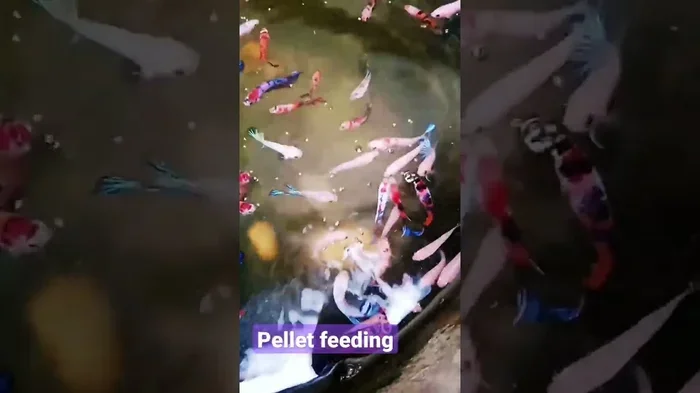
Feeding your betta fish the right number of pellets each day is one of the simplest ways to keep them healthy and vibrant. Most bettas thrive on 2 to 4 pellets per meal, twice a day, but the exact amount depends on pellet size, your fish’s age, and activity level. This guide walks you through everything you need to know about betta pellet feeding so you can avoid overfeeding and underfeeding.
If you own a betta fish, you have probably stared at that little container of pellets and wondered, “Am I feeding the right amount?” It is one of the most common questions new betta owners ask. The answer is not as simple as “just a few” because several factors change how many pellets your fish needs each day.
Feeding your betta the correct portion size matters more than most people realize. Too many pellets can lead to serious health problems like bloating, constipation, and poor water quality. Too few pellets leave your fish weak and colorless. Finding the sweet spot keeps your betta energetic, colorful, and living a long life.
This guide breaks down exactly how many pellets a day for a betta fish works best. We will cover everything from portion sizes and feeding frequency to the best pellet brands and common mistakes. By the end, you will feel confident about your betta feeding routine and know exactly what your fish needs every single day.
Key Takeaways
- Feed 2 to 4 pellets per meal: This is the standard recommendation for most adult bettas eating standard-sized pellets.
- Feed twice a day: Morning and evening feedings create a consistent routine that supports digestion and energy.
- Watch for overfeeding signs: Bloating, constipation, and cloudy water are clear signals you’re giving too many pellets.
- Soak dry pellets first: This prevents bloating because dry pellets expand inside your betta’s stomach.
- Adjust for your fish’s needs: Young, active, or breeding bettas may need slightly more pellets than older or less active fish.
- Skip one feeding day per week: This helps reset digestion and prevents waste buildup in the tank.
📑 Table of Contents
- How Many Pellets a Day for a Betta Fish
- How Often Should You Feed Pellets to a Betta Fish
- How to Properly Feed Pellets to Your Betta
- Signs You Are Overfeeding Your Betta
- How Many Pellets for Different Betta Fish Life Stages
- Choosing the Best Pellets for Your Betta Fish
- Common Pellet Feeding Mistakes to Avoid
- How Feeding Relates to Overall Betta Care
- Conclusion
How Many Pellets a Day for a Betta Fish
The general rule of thumb is simple. Give your betta fish 2 to 4 pellets per meal, and feed them twice a day. That means a total of 4 to 8 pellets daily for most adult bettas. This recommendation works for standard-sized pellets from popular brands like Hikari and Fluval.
But here is the catch. Not all pellets are the same size. Some brands make tiny pellets, while others produce large ones that almost match your betta’s eye. A large pellet carries more nutrition than a small one, so you may need fewer of them. Always check the pellet size on the package and adjust your count accordingly.
Why Portion Control Matters
Betta fish have small stomachs. Their stomach is roughly the size of their eye, which gives you a clear picture of how much food they can actually hold. When you drop too many pellets into the tank, your betta will eat as much as it can, even when it is already full.
Overfeeding causes a cascade of problems:
- Bloating and constipation: Excess food swells inside the stomach and blocks the digestive tract.
- Fatty liver disease: Too many pellets over time damage the liver and shorten your betta’s lifespan.
- Poor water quality: Uneaten pellets decay and release ammonia, which poisons your fish.
- Algae blooms: Extra food nutrients fuel algae growth, making your tank look dirty fast.
On the flip side, underfeeding leaves your betta malnourished. A malnourished betta loses its vibrant colors, becomes lethargic, and becomes more susceptible to diseases like ich and fin rot. Finding the right balance is the key to a thriving betta.
How Often Should You Feed Pellets to a Betta Fish
Feeding frequency matters just as much as portion size. Most experts recommend two feedings per day, spaced about 12 hours apart. A morning feeding and an evening feeding works perfectly for most fish owners. This schedule mimics the natural eating patterns bettas would follow in the wild.
Creating a Feeding Schedule
A consistent feeding schedule helps your betta’s digestive system work efficiently. Bettas thrive on routine, and their bodies expect food at predictable times. Here is a simple schedule you can follow:
- Morning feeding (around 8 AM): Drop 2 to 4 pellets into the tank. Watch your betta eat them within 2 to 3 minutes.
- Evening feeding (around 8 PM): Repeat the same amount. Remove any uneaten pellets after 5 minutes.
- One fasting day per week: Skip feeding entirely on one day, usually Sunday. This gives the digestive system a break and helps prevent constipation.
Sticking to this schedule keeps your betta healthy and makes it easier to spot changes in appetite. If your betta suddenly refuses food at feeding time, that is a warning sign you should pay attention to.
Can You Feed Pellets More Than Twice a Day
Some experienced fish keepers feed their bettas three times a day with smaller portions each time. This approach works for young, growing bettas that need extra energy. However, for most adult bettas, twice a day is the sweet spot. Feeding more than twice a day significantly increases the risk of overfeeding and water contamination.
Always remember that betta fish are not grazers like some other species. They do best with set meal times rather than food available all day long. Leaving pellets floating in the tank all day leads to overeating and water quality problems.
How to Properly Feed Pellets to Your Betta
How you feed pellets matters just as much as how many you give. A few simple techniques make a big difference in your betta’s health and digestion.
Soak Dry Pellets Before Feeding
Most commercial betta pellets are dry and will expand when they hit water. If you drop dry pellets directly into your tank, they swell inside your betta’s stomach after being consumed. This causes painful bloating and can lead to serious digestive issues.
Here is what to do instead. Take the pellets you plan to feed and drop them into a small cup of tank water. Let them soak for 2 to 3 minutes until they fully expand. Then use a small net or your fingers to drop the softened pellets into the tank. Your betta will eat them easily, and there is no risk of stomach expansion.
Watch Your Betta Eat
Feeding time is also observation time. Watch your betta eat the pellets. A healthy betta should consume all the pellets within 2 to 3 minutes. If food is left floating after 5 minutes, you gave too much. Remove the uneaten pellets immediately to protect your water quality.
This habit also lets you check your fish’s physical condition. Is your betta eating eagerly? Are its colors bright? Is it swimming normally after the meal? All of these observations tell you whether your feeding amount is correct.
Rotate Pellets with Other Foods
Pellets should be the staple of your betta’s diet, but variety keeps them healthy and interested in food. Consider alternating pellet meals with:
- Frozen or live brine shrimp: A protein-rich treat that bettas love.
- Bloodworms: High in iron and great for color enhancement.
- Daphnia: A natural laxative that helps prevent constipation.
- Blanched spinach or peas: Fiber-rich foods that support digestion.
For more ideas on treats and supplemental foods, check out our guide on do betta fish have treats for a snack. Offering variety 2 to 3 times per week keeps your betta’s diet balanced and exciting.
Signs You Are Overfeeding Your Betta
Overfeeding is the number one mistake betta owners make. It happens easily because we want our fish to look happy and well-fed. But the signs of overfeeding are clear once you know what to look for.
Here are the most common indicators that you are giving your betta too many pellets:
- A swollen or bloated belly: Your betta’s body looks puffy and round instead of streamlined.
- Uneaten pellets sinking to the bottom: Food left in the tank decays and raises ammonia levels.
- Cloudy or foul-smelling water: Excess food decomposes and pollutes the water column.
- Lethargy after meals: A healthy betta is active and curious. A lethargic betta after eating is a red flag.
- Loss of appetite: Paradoxically, overfed bettas sometimes stop eating altogether because their stomach is constantly full.
If you notice any of these signs, reduce your pellet portion immediately. Skip one feeding day to let your betta’s digestive system clear out. You should also perform a water change to remove the excess waste. For a step-by-step guide on keeping your tank clean, see our article on how to do a water change for betta fish.
How Many Pellets for Different Betta Fish Life Stages
The number of pellets your betta needs changes as it grows. A baby betta has different nutritional needs than an adult, and a senior betta needs even less food. Understanding these differences helps you tailor your feeding approach.
Baby Betta Fish (Under 3 Months)
Young bettas need more frequent feedings to support their rapid growth. Feed baby bettas 2 to 3 pellets, 3 to 4 times a day. Use crushed or very small pellets so their tiny mouths can handle the food. Soak every pellet before feeding to prevent any digestive issues.
Adult Betta Fish (3 Months to 2 Years)
This is the standard feeding stage. 2 to 4 pellets, twice a day is the sweet spot for most adult bettas. Monitor your fish’s weight and activity level. If your betta looks plump and active, you are on the right track. If it starts looking round and sluggish, cut back to 2 pellets per meal.
Senior Betta Fish (Over 2 Years)
Older bettas have slower metabolisms and need fewer pellets. Reduce portions to 1 to 3 pellets, twice a day. Some senior bettas also prefer softer foods, so soaking pellets longer or offering frozen foods can encourage eating. For more care tips for aging bettas, visit our how to care for a betta fish guide.
Choosing the Best Pellets for Your Betta Fish
Not all pellets are created equal. The quality of the pellet directly affects how much your betta needs and how well it digests the food. High-quality pellets contain more nutrients per pellet, which means you can feed fewer pieces and still meet your fish’s dietary needs.
What to Look for in a Good Betta Pellet
When shopping for betta pellets, check the ingredient list and nutritional content. Look for these key features:
>
- Protein content of 35% or higher: Bettas are carnivores and need a protein-rich diet.
- Small pellet size: The pellet should be small enough for your betta to eat comfortably in one bite.
- Slow-sinking formula: Bettas prefer to eat from the surface, and slow-sinking pellets give them time to find the food.
- No filler ingredients: Avoid pellets loaded with wheat, corn, or soy. These offer little nutritional value and cause bloating.
For more detailed feeding guidance, our article on how many pellets to feed a betta fish covers this topic in greater depth. And if you are wondering whether tropical fish pellets work for bettas, check out can I feed a betta tropical fish pellets for expert advice.
Common Pellet Feeding Mistakes to Avoid
Even experienced betta owners make feeding mistakes. Being aware of these common errors helps you avoid them and keep your fish healthy.
Mistake 1: Eyeballing the Portion Size
Guessing how many pellets to give leads to inconsistency. Use a small measuring spoon or count each pellet carefully. Precision matters more than you think when it comes to your betta’s health.
Mistake 2: Flaking Food Instead of Pellets
Some owners switch to flake food because it is cheaper. Flakes lack the nutritional density bettas need and disintegrate quickly, fouling the water. Pellets are a far superior choice for betta fish.
Mistake 3: Ignoring Uneaten Food
Leaving uneaten pellets in the tank is one of the fastest ways to ruin your water quality. Always remove leftover food after 5 minutes. This simple habit protects your betta and your filter.
Mistake 4: Following the Package Instructions Blindly
Most pellet packages recommend feeding amounts based on fish tanks much larger than a typical betta setup. Always adjust the recommendation based on your specific tank size and your fish’s appetite. For tank size guidance, see our article on how many gallons for a betta fish.
How Feeding Relates to Overall Betta Care
Feeding is just one piece of the puzzle. Proper nutrition works hand in hand with good water quality, appropriate tank size, and a stress-free environment to keep your betta healthy. If your water parameters are off, even the perfect pellet portions will not keep your fish thriving.
Make sure your tank is properly cycled and that you perform regular water changes. A clean tank reduces the risk of disease and helps your betta digest food efficiently. For a complete overview of betta care basics, our how to care for a betta fish 101 article covers all the essentials from tank setup to feeding routines.
Conclusion
Getting the pellet portions right is one of the most impactful things you can do for your betta fish. Stick to 2 to 4 pellets per meal, twice a day, and you will give your fish the foundation it needs for a long and healthy life. Soak the pellets before feeding, watch your betta eat, and adjust portions based on your fish’s age and activity level.
Remember that every betta is slightly different. Some eat slowly and need smaller portions, while others have big appetites and burn energy quickly. Pay attention to your individual fish and adjust as needed. With the right feeding routine, your betta will reward you with brilliant colors, playful behavior, and years of companionship.
Keep learning, keep observing, and most importantly, enjoy the process of caring for your beautiful betta fish. Your effort and attention to detail make all the difference.
Frequently Asked Questions
Can I feed my betta fish pellets every day?
Yes, feeding pellets every day is the standard routine for most bettas. Just make sure you stick to the recommended portion of 2 to 4 pellets per meal and feed twice daily. Skipping one day per week for fasting helps your betta’s digestion stay healthy.
What happens if I give my betta too many pellets?
Overfeeding causes bloating, constipation, and poor water quality from uneaten food decaying in the tank. In severe cases, it can lead to fatty liver disease and a shortened lifespan. Always remove uneaten pellets within 5 minutes to protect your fish and tank.
Are pellets the best food for betta fish?
Pellets are one of the best staple foods for bettas because they are nutritionally dense and specifically formulated for their dietary needs. However, rotating pellets with frozen or live foods like brine shrimp and bloodworms provides a more balanced and enriching diet.
How do I know if my betta is still hungry after feeding?
A well-fed betta will eat all the pellets within 2 to 3 minutes and swim away normally. If your betta continues begging for food or searches the tank bottom eagerly, it may still be hungry. In that case, add one or two extra pellets at the next feeding rather than increasing the current portion too much.
Can I feed pellets to a baby betta fish?
Yes, but use crushed or very small pellets designed for fry or young fish. Feed baby bettas 2 to 3 pellets, 3 to 4 times a day, and always soak the pellets before feeding. Their tiny stomachs cannot handle large or dry pellets well.
Should I feed pellets or flakes to my betta fish?
Pellets are generally the better choice because they retain their shape, sink slowly, and contain higher nutritional value. Flakes dissolve quickly, create mess, and lack the protein density bettas need. Pellets should always be your primary food source.