How to Tell When a Betta Fish Is Old

Knowing how to tell when a betta fish is old helps you provide better care during its senior years. Aging bettas show clear signs like color fading, slower movement, and appetite changes. This guide covers every aging symptom you need to watch for and simple care tips to keep your old betta fish happy and healthy.
You have spent months or even years watching your betta fish swim gracefully around its tank. One day, you notice something feels different. Its colors seem duller. It moves a bit slower. Maybe you wonder, how to tell when a betta fish is old. The truth is, aging bettas show clear signs that any fish owner can learn to spot.
Understanding the betta fish lifespan and what to expect as your fish ages helps you give it the best possible care. Whether your betta is showing aging betta fish symptoms or you simply want to be prepared, this guide covers everything you need to know. We will walk through the physical signs, behavior changes, health concerns, and practical care tips for a senior betta.
Knowing the signs of an aging betta early gives you time to adjust its environment and diet. This means more comfortable years for your fish and peace of mind for you. Let us dive into the details.
Key Takeaways
- Color fading and body changes are the most visible signs that your betta fish is getting old.
- Reduced activity and slower swimming often indicate your betta is entering its senior years.
- Appetite shifts and fin deterioration are common aging symptoms you should monitor closely.
- Proper tank maintenance and diet adjustments can significantly improve the quality of life for an aging betta.
- Regular observation and vet visits help catch age-related health issues early.
- Understanding betta fish lifespan sets realistic expectations for your fish’s golden years.
- Small habitat tweaks like softer water flow and easier access to food make a big difference for senior bettas.
📑 Table of Contents
Understanding Betta Fish Lifespan
Before we look at the specific signs, it helps to understand the typical betta fish lifespan. Most bettas live between three and five years in captivity. Some well-cared-for bettas reach five or even six years old. When you know the average betta fish age range, it becomes easier to guess whether your fish is entering its senior phase.
If you want to learn more about determining age, check out our guide on how to tell the age of a betta fish. That article covers methods for estimating age more precisely, which pairs well with the aging signs we discuss here.
Several factors affect how long a betta lives. Water quality plays a huge role. So does diet, tank size, and stress levels. A betta kept in a clean, warm tank with a balanced diet will generally live longer than one in poor conditions. Genetics also matter. Some bettas are simply built to live longer.
Here are key factors that influence betta lifespan:
- Water quality — Clean, properly filtered water reduces disease risk.
- Diet — High-quality food supports long-term health.
- Tank size — A larger tank provides more stable conditions.
- Temperature — Warm water between 78 and 80 degrees Fahrenheit keeps bettas healthy.
- Stress levels — A calm environment without aggressive tank mates helps.
- Genetics — Some bloodlines are simply hardier than others.
Keep in mind that bettas age at different rates. Just like dogs and cats, individual bettas vary. Some show signs of aging at three, while others stay lively well into their fourth or fifth year. The key is to watch your specific fish and notice changes over time.
Physical Signs Your Betta Fish Is Getting Old
The body of an aging betta tells a story. Once you know what to look for, the physical signs of an old betta fish become easier to spot. These changes happen gradually, so comparing your fish to its own past self works better than comparing it to a young betta at the pet store.
Color Changes and Fading
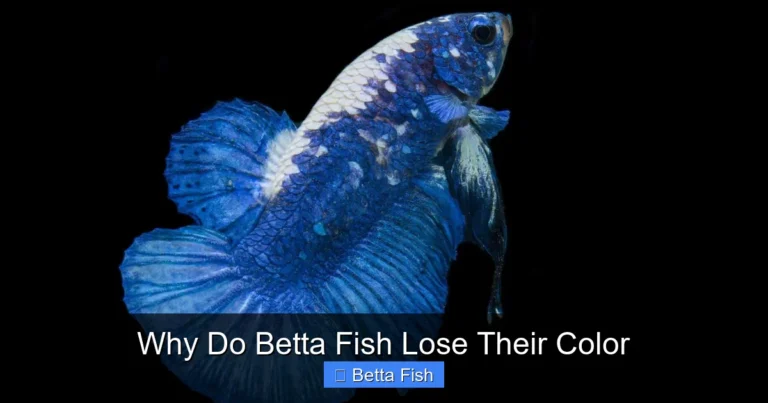
One of the most noticeable aging betta fish symptoms is color fading. Young bettas often display vivid blues, bright reds, and deep greens. As they age, these colors can become washed out or pale. Some bettas develop a whitish tint around their face and fins. This color loss happens because the cells responsible for pigment slow down with age.
If you are curious about how age affects color and appearance, you might also enjoy reading can you tell how old a betta fish is, which explores the connection between appearance and age in more detail.
Not all color changes mean old age, though. Stress, illness, and poor water conditions can also cause fading. The key difference is timing. Age-related color loss happens slowly over months. Stress-related fading tends to appear suddenly and may come with other symptoms like clamped fins or rapid breathing.
Fin Deterioration and Body Changes
Older bettas often show wear on their fins. The beautiful, flowing fins of a young betta may start to look ragged or shorter. This fin deterioration is a natural part of aging. The fin tissue becomes more fragile and heals more slowly than it once did.
Body shape can change too. Senior bettas sometimes become slightly thinner or develop a curved spine. Their scales may lose their smooth, shiny appearance. These changes are subtle but become more obvious as your betta enters its later years.
Here are the most common physical aging signs to watch for:
- Faded or dull colors across the body and fins.
- Shorter or ragged fins that do not regrow as quickly.
- A thinner body shape or visible spine curvature.
- Duller scales that lose their reflective quality.
- Slightly bulging eyes in some older bettas.
These physical changes do not mean your fish is suffering. They simply reflect the natural aging process. Adjusting care to match your betta’s needs makes a real difference in comfort.
Behavioral Changes in Aging Betta Fish
Behavior shifts often tell you more about your betta’s age than physical signs alone. A young betta is energetic and curious. An older betta tends to slow down. Recognizing these behavioral changes in aging bettas helps you respond with the right care.
Activity Level Drops
One of the clearest signs that your betta is getting old is a drop in activity. Young bettas love to explore their tank. They swim to the surface eagerly at feeding time and patrol their territory throughout the day. An aging betta may spend more time resting near plants or decorations. It might swim shorter distances or take longer breaks between movements.
This does not mean your fish is unhappy. Senior bettas simply have less energy. Think of it like a grandparent who prefers a quiet afternoon to a long walk. The slower pace is natural and should be respected.
If you notice a sudden drop in activity rather than a gradual one, that could signal illness. In that case, learning how to tell if my betta fish is sick can help you rule out disease as the cause.
Appetite and Eating Habits
Older bettas often eat less than they used to. Their metabolism slows down, so they need fewer calories. Some senior bettas become picky eaters, refusing food they once devoured happily. Others may eat slowly and leave food floating in the tank longer than before.
Adjusting the diet of an aging betta is important. Offer smaller portions more frequently rather than one large meal. Soak dry food before feeding to make it easier to digest. Frozen or live foods like bloodworms and brine shrimp can tempt a picky senior eater.
Watch for these eating-related changes:
- Eating more slowly or leaving food unfinished.
- Showing less interest in food at feeding time.
- Losing weight despite regular feeding.
- Refusing certain foods that were previously favorites.
Small appetite changes are normal with age. But if your betta stops eating entirely for more than two days, that is a red flag worth investigating.
Health Issues Common in Older Betta Fish
Aging bettas become more vulnerable to certain health problems. Their immune system weakens over time, making it harder to fight off infections. Understanding these common issues helps you catch them early and respond quickly.
Older bettas are more prone to conditions like fin rot, ich, and bacterial infections. They may also develop swim bladder issues, which affect their ability to stay upright in the water. Water quality becomes even more important because senior bettas tolerate poor conditions less well than young fish.
Keeping up with betta fish water care is essential for aging fish. Regular water changes, proper filtration, and stable temperature all support an older betta’s weaker immune system. If you want a refresher on maintaining healthy water, our article on how to take care of a betta fish water covers the essentials in depth.
Some health issues in older bettas include:
- Fin rot — Fins become frayed or discolored due to bacterial infection.
- Ich — White spots appear on the body and fins.
- Swim bladder disorder — Difficulty maintaining balance or swimming upright.
- Bacterial infections — Red streaks, ulcers, or bloating may appear.
- Skin lesions — Minor wounds that heal slowly in older fish.
The best defense against these issues is a clean tank, a nutritious diet, and close observation. Catching a problem early gives your senior betta the best chance of recovery.
How to Care for a Senior Betta Fish
Caring for an aging betta does not require dramatic changes. Small, thoughtful adjustments to the tank setup, diet, and routine can greatly improve your fish’s quality of life during its senior years.
Start by evaluating the tank environment. Older bettas prefer gentle water flow because strong currents tire them out. If your filter creates a powerful current, consider baffle it or adjust the output. Soft, slow-moving water feels much more comfortable for a tired fish.
Keep the tank clean with regular water changes. Aim for 25 to 30 percent water changes every week. This removes waste and keeps harmful chemicals at bay. Stable water parameters reduce stress on an aging immune system.
Diet adjustments also matter. Switch to smaller, easier-to-digest foods. Soaking pellets before feeding helps senior bettas that may have trouble with hard food. Include variety with frozen or live foods to encourage eating.
Here are practical tips for senior betta care:
- Reduce water flow so your betta does not have to swim against a strong current.
- Feed smaller portions two to three times a day instead of once.
- Soak dry food before offering it to make digestion easier.
- Add gentle plants and decorations that provide resting spots near the bottom.
- Maintain stable temperatures between 78 and 80 degrees Fahrenheit.
- Watch for signs of stress like hiding excessively or gasping at the surface.
These small steps add up to a big difference. Your senior betta will feel more comfortable and stay healthier for longer.
When to Consult a Vet
Some changes in an aging betta are normal. Others need professional attention. Learning the difference protects your fish from unnecessary suffering.
Consult a vet if you notice sudden weight loss, open sores, persistent redness, or difficulty breathing. These are not typical aging signs. They point to treatable conditions that a veterinarian familiar with fish can address. Many exotic pet vets offer phone or video consultations, which makes getting advice easier than ever.
Also seek help if your betta stops eating for more than three days or shows signs of severe lethargy. Early treatment of illness in senior fish often leads to better outcomes. Waiting too long can allow a manageable problem to become serious.
Remember that you know your fish best. If something feels wrong, trust your instinct and get expert advice. It is always better to check and find nothing than to ignore a real problem.
Conclusion
Learning how to tell when a betta fish is old empowers you to give your fish the best possible care through every stage of life. From color fading and slower movement to appetite changes and fin wear, the signs of aging are manageable when you know what to look for. Your senior betta still deserves a comfortable, clean tank, a nutritious diet, and plenty of gentle attention.
Small adjustments make a huge difference for an aging fish. Watch your betta closely, respond to changes quickly, and enjoy the quiet beauty of watching your longtime companion glide through its golden years. The bond you share with your betta deepens as you learn to read its needs with care and compassion.
Frequently Asked Questions
How long do betta fish typically live?
Most bettas live between three and five years in captivity. With excellent care, some reach five or six years old. The betta fish lifespan depends on water quality, diet, genetics, and overall tank conditions.
What are the first signs that my betta is aging?
The first signs usually include faded colors, slower swimming, and reduced appetite. You may also notice shorter fins and less interest in exploring the tank. These changes happen gradually over weeks or months, not overnight.
Can aging betta fish recover from illness?
Yes, but older bettas have weaker immune systems, so recovery takes longer. Early detection and treatment give the best results. Keep the tank clean and consult a vet if you notice anything unusual.
Should I change my old betta’s diet?
Yes, adjusting the diet helps senior bettas stay healthy. Offer smaller portions, soak dry food before feeding, and include easy-to-digest options like frozen bloodworms or brine shrimp. Variety encourages eating in picky older fish.
Is it normal for old betta fish to sleep more?
Yes, increased sleeping is a normal part of aging. Senior bettas have less energy and need more rest. If your betta is sleeping more but still eats and responds at feeding time, this is usually nothing to worry about.
How can I make my senior betta more comfortable?
Reduce water flow, keep the tank clean, maintain stable temperatures, and offer easy-to-eat food. Adding soft plants and gentle decorations provides resting spots. These small changes significantly improve comfort for an aging betta.