How Many Pebbles Should You Feed a Betta Fish
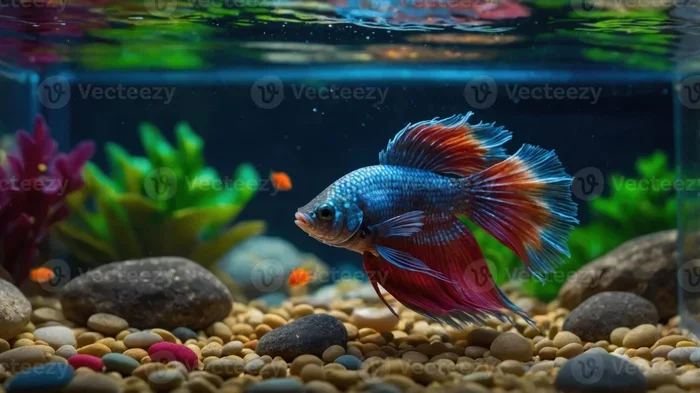
You should generally avoid feeding pebbles to a betta fish altogether. Pebbles are not a natural food source and can cause serious digestive issues or blockages. If you are asking about pebble-sized pellets, the standard portion is 2–3 pellets per feeding, once or twice a day. Always prioritize a balanced betta fish diet and follow proper feeding guidelines for a healthy, happy fish.
Many betta fish owners wonder about the safety of different items in their aquarium. One common question that pops up is how many pebbles should you feed a betta fish. The short answer is simple: you should not feed pebbles to your betta fish at all. Pebbles are not food, and they can cause real harm to your fish.
But this topic goes deeper than a simple “no.” There are many reasons why pebbles end up in a betta’s tank, what happens if a fish accidentally swallows one, and what you should feed instead. Whether you are a new betta owner or a seasoned hobbyist, understanding the risks of feeding pebbles is essential for keeping your fish healthy and thriving.
In this guide, we will walk you through everything you need to know. We will cover why pebbles are dangerous, how much food your betta actually needs, and the best betta fish diet practices. By the end, you will have a clear picture of how to keep your fish safe and well-fed.
Key Takeaways
- Avoid feeding actual pebbles: Pebbles offer zero nutrition and can harm your betta’s digestive system.
- Stick to proper betta food: High-quality pellets and flakes are the best staples for your fish.
- Portion control matters: Feed only what your betta can consume in 2 minutes to prevent overfeeding.
- Watch for warning signs: Bloating, lethargy, and loss of appetite can signal digestive problems from eating substrate.
- Choose safe tank substrate: If you keep pebbles in the tank, make sure they are too large for your betta to swallow.
- Feeding frequency is key: A consistent schedule supports better digestion and overall betta fish health.
📑 Table of Contents
- What Are Pebbles and Why Do They End Up in a Betta Tank?
- Can You Feed Pebbles to a Betta Fish?
- How Much Should a Betta Fish Actually Eat?
- Why Portion Control Matters for Betta Fish
- Safe Alternatives to Pebbles for Your Betta’s Tank
- Expert Insights on Betta Fish Feeding Habits
- Key Takeaways
- Conclusion
What Are Pebbles and Why Do They End Up in a Betta Tank?
Pebbles are small, smooth stones often used as aquarium substrate. Many fish owners love the look of pebbles in their tank. They come in various colors and sizes, and they can make a tank look beautiful. But they are not meant to be eaten.
Sometimes bettas accidentally ingest pebbles while scavenging the bottom of the tank. Bettas are curious creatures. They explore their environment by tasting and nibbling on things. If the pebbles are small enough, a betta might try to eat them. This is where the danger begins.
Are All Pebbles the Same Size?
Not all pebbles are created equal. Some pebbles are tiny, almost gravel-sized, while others are larger and smoother. Small pebbles pose the biggest risk because a betta fish can easily swallow them. Larger pebbles are less likely to be ingested, but they can still cause problems if your fish tries to move or nudge them around.
Here are some key points to keep in mind:
- Small pebbles (under 3mm): High risk of ingestion and choking.
- Medium pebbles (3–6mm): Moderate risk. Your betta may still try to eat them.
- Large pebbles (over 6mm): Lower risk of swallowing, but still not safe as food.
Can You Feed Pebbles to a Betta Fish?
The answer is a firm no. Pebbles have no nutritional value. They cannot be digested by a betta fish. In fact, eating pebbles can lead to serious health problems. A betta’s digestive system is designed to process protein-rich foods like insects, larvae, and specially formulated fish food. Stones and gravel simply cannot be broken down.
If your betta eats a pebble, it may pass through the digestive tract without issue if the pebble is smooth and small. However, there is always a risk of blockage. A stuck pebble can cause discomfort, swelling, and even life-threatening complications.
What Happens If a Betta Swallows a Pebble?
If your betta accidentally swallows a pebble, watch for these warning signs:
- Loss of appetite: Your fish stops eating or shows no interest in food.
- Bloating: The belly appears swollen or distended.
- Lethargy: Your betta becomes unusually still or hides more than normal.
- Difficulty swimming: The fish struggles to maintain balance or stays at the bottom of the tank.
- Discomfort behaviors: Flashing against decorations or rubbing on the substrate.
If you notice any of these symptoms, act quickly. Remove any loose pebbles from the tank and monitor your fish closely. If symptoms persist for more than 24 hours, consult a vet who specializes in fish health.
How Much Should a Betta Fish Actually Eat?
Now that we have covered pebbles, let us talk about what your betta should actually be eating. A proper betta fish diet is the foundation of good health. Bettas are carnivorous by nature. They need protein-rich foods to thrive. The best options include high-quality pellets, frozen or live foods, and occasional treats like bloodworms or brine shrimp.
How many pellets should you feed a betta fish? The standard recommendation is 2–3 pellets per feeding, given once or twice a day. This matches a natural feeding pattern and prevents overfeeding. If you are unsure about portions, check our guide on how many pellets to feed a betta fish for more detailed advice.
Creating a Feeding Schedule
Consistency is key when it comes to feeding frequency. Bettas do well with a regular schedule. Here is a simple routine you can follow:
- Morning feeding: Offer 2–3 pellets. Wait 2 minutes and remove any uneaten food.
- Evening feeding (optional): Offer 1–2 pellets or a small treat like a frozen bloodworm.
- Fast day: Skip one feeding per week to help your betta’s digestive system reset.
Following this schedule helps prevent overfeeding betta fish, which is one of the most common mistakes new owners make. Overfeeding can lead to bloating, constipation, and poor water quality. For more on this topic, see our article on can you feed a betta fish too much.
Why Portion Control Matters for Betta Fish
Portion control is one of the most important aspects of betta fish care. Bettas have small stomachs, roughly the size of their eye. This means they cannot eat large amounts of food at once. Feeding too much at once can lead to serious digestive problems.
When it comes to how much a betta fish should eat, less is almost always more. A good rule of thumb is to offer only what your fish can finish within 2 minutes. Any food left behind will sink to the bottom and decay, polluting the water. Poor water quality leads to stress, disease, and a shorter lifespan for your fish.
Signs You Are Overfeeding Your Betta
It is easy to overfeed, especially because bettas are enthusiastic eaters. Watch out for these signs:
- Food left uneaten after 5 minutes: You are offering too much.
- Cloudy water: Decaying food fouls the tank water quickly.
- Fat deposits: Your betta’s body may appear wider or rounder than normal.
- Reduced activity: A bloated or uncomfortable fish will swim less.
If you suspect overfeeding, skip the next meal and give your betta time to digest. For more guidance on proper feeding amounts, visit our page on how much should a betta fish eat.
Safe Alternatives to Pebbles for Your Betta’s Tank
If you love the look of pebbles in your tank but worry about your betta’s safety, there are alternatives. You can keep a beautiful aquarium while protecting your fish at the same time.
Best Substrate Options for Betta Tanks
- Fine sand: Smooth and gentle. Bettas rarely ingest sand because it is too fine to be interesting.
- Large smooth gravel: Pieces larger than 6mm are generally safe and hard for bettas to swallow.
- Specialty betta substrates: These are designed specifically for betta tanks. They are safe and often support plant growth.
When choosing a substrate, always consider the size and texture. Avoid sharp or rough materials that could injure your betta’s fins or mouth. You can also learn more about how to feed a betta fish properly by reading our detailed guide on how do you feed a betta fish.
Expert Insights on Betta Fish Feeding Habits
Understanding your betta’s natural behavior helps you make better feeding decisions. In the wild, bettas are opportunistic hunters. They eat small insects, larvae, and zooplankton. Their feeding pattern is based on availability rather than set meal times.
In captivity, we can mimic this by offering small, frequent meals rather than one large feeding. This approach keeps your betta active and engaged while supporting healthy digestion. A varied diet also ensures your fish gets all the nutrients it needs.
Common Feeding Mistakes to Avoid
- Feeding human food: Bread, crackers, and rice offer no nutrition and can harm your fish. Learn more about whether you can feed a betta fish rice or other human foods.
- Ignoring fasting days: Skipping one meal per week helps prevent digestive blockages.
- Using the wrong food type: Goldfish food and other generic fish foods do not meet a betta’s nutritional needs.
- Feeding too many treats: Freeze-dried foods should be soaked and given sparingly as supplements, not staples.
By avoiding these mistakes and sticking to a proper betta fish feeding schedule, you give your fish the best chance at a long, healthy life.
Key Takeaways
- Never feed pebbles to your betta fish: They offer no nutrition and can cause blockages.
- Feed 2–3 pellets per meal, once or twice a day: This is the ideal portion for a healthy betta.
- Remove uneaten food within 2 minutes: This keeps the tank clean and prevents water quality issues.
- Choose safe substrate materials: Use fine sand or large smooth gravel to protect your fish.
- Watch for signs of digestive distress: Bloating, lethargy, and loss of appetite need immediate attention.
- Maintain a consistent feeding schedule: Routine supports better digestion and reduces stress.
- When in doubt, consult a fish veterinarian: Professional advice is always the safest route for health concerns.
Conclusion
The question of how many pebbles should you feed a betta fish has a clear answer: none. Pebbles are not food, and feeding them to your betta can lead to serious health risks. Instead, focus on providing a balanced, protein-rich diet with high-quality pellets and occasional treats. Proper portion control, a consistent feeding schedule, and a safe tank environment are the keys to keeping your betta fish happy and healthy.
Remember, your betta depends on you for everything. By making informed choices about what you feed and how you care for your fish, you build a strong foundation for a thriving aquarium. Keep learning, keep observing, and always put your fish’s well-being first. Your betta will thank you with vibrant colors, active behavior, and a long, healthy life.
Frequently Asked Questions
Can betta fish eat small pebbles by accident?
Yes, bettas can accidentally swallow small pebbles while exploring the tank. If the pebble is small and smooth, it may pass through without harm. However, larger or sharp pebbles can cause blockages or injuries. Always monitor your fish if you suspect ingestion.
How often should you feed a betta fish each day?
Most experts recommend feeding a betta fish once or twice a day. Each feeding should consist of 2–3 pellets or an equivalent amount of food. Skipping one day per week helps support healthy digestion. For more details, check our guide on how often you should feed a betta fish.
What is the best food for betta fish?
The best food for betta fish is high-quality betta pellets that are rich in protein. You can supplement with frozen or live foods like bloodworms and brine shrimp. Avoid generic fish flakes or human food. Proper nutrition supports color, energy, and longevity.
Can pebbles in the tank harm a betta fish?
Yes, pebbles can harm a betta fish if they are small enough to be swallowed. Ingested pebbles can block the digestive tract and cause serious health issues. Always choose tank substrates that are too large for your betta to accidentally consume.
How do you know if your betta fish is overfed?
Signs of overfeeding include bloating, uneaten food floating in the tank, cloudy water, and lethargy. If your betta appears swollen or refuses food, skip the next meal and monitor its behavior. For more on this, read our article on can you feed a betta fish too much.
Should you fast your betta fish regularly?
Yes, fasting once a week is beneficial for betta fish. It gives their digestive system a chance to process any remaining food and prevents constipation. A single fasting day per week is all you need to support better gut health and overall well-being.