How Many Pellets Can I Feed My Betta Fish

Knowing how many pellets to feed your betta fish is one of the most important parts of betta care. Most bettas do well with 2 to 4 pellets per meal, fed twice a day. Overfeeding is the biggest mistake new fish owners make, and it can lead to serious health problems.
Keeping a betta fish healthy starts with what and how you feed them. One of the first questions every new betta owner asks is, how many pellets can I feed my betta fish. The answer is not as simple as a single number, but this guide will walk you through everything you need to know. You will learn the right portion sizes, how often to feed, and the common mistakes to avoid.
Feeding your betta the correct amount of pellets makes a huge difference in their health and lifespan. Too little food leads to malnutrition. Too much leads to obesity, poor water quality, and digestive problems. Getting the balance right is the key to keeping your betta happy and active. Let us dive into the details so you can feel confident at feeding time.
Key Takeaways
- Feed 2 to 4 pellets per meal: This is the general rule for most adult betta fish.
- Feed twice a day: Morning and evening feedings work best for a healthy routine.
- Overfeeding is dangerous: Excess food pollutes the water and causes bloating, constipation, and swim bladder issues.
- Watch your betta’s appetite: Some days they may eat less, and that is perfectly normal.
- Soak dry pellets first: This prevents them from expanding inside your betta’s stomach.
- Variety matters: Supplement pellets with occasional live or frozen foods for better nutrition.
📑 Table of Contents
Understanding Betta Pellets and Their Nutritional Value
Not all pellets are created equal. The pellets you choose for your betta matter just as much as the amount you feed. High-quality betta pellets are specially formulated to meet the dietary needs of betta fish. They contain the right mix of protein, fats, and nutrients that your fish needs to thrive.
What Makes a Good Betta Pellet?
A quality pellet should list fish or shrimp meal as the first ingredient. Look for pellets with a protein content of at least 30 to 40 percent. Avoid pellets that are filled with fillers like corn or wheat. These offer little nutritional value and can cause digestive issues. The best tropical fish pellets will also contain omega fatty acids for healthy fins and vibrant color.
When you buy pellets, check the size. Bettas have small mouths, so the pellets should be small enough for them to eat comfortably. Some brands make micro-pellets specifically for bettas. These are often a better choice than standard-sized pellets that may be too large. Choosing the right pellet size helps ensure your betta eats properly and does not struggle with each meal.
How Pellets Compare to Other Foods
Pellets are a staple food for bettas, but they should not be the only food. You can also offer live food, frozen food, or occasional treats. Bloodworms, brine shrimp, and daphnia make excellent supplements. These foods add variety and extra protein to your betta’s diet. However, pellets should still be the main part of their daily meals.
Some owners wonder if they can feed betta fish flakes instead of pellets. Flakes are okay in a pinch, but they tend to lose nutrients quickly once exposed to water. Pellets hold their shape and nutritional value longer. For this reason, most experts recommend pellets as the primary food source.
How Many Pellets Should You Feed Your Betta Fish?
This is the core question: how many pellets can I feed my betta fish at each feeding. The answer depends on several factors, including your betta’s size, age, and activity level. But there is a solid general guideline to follow.
The General Rule of Thumb
The standard recommendation is to feed your betta 2 to 4 pellets per meal, twice a day. This amount provides enough nutrition without overloading their stomach. A single pellet is roughly the size of your betta’s eye, which gives you a good visual reference for portion control.
If you are using smaller micro-pellets, you might need to feed a few more. Conversely, if the pellets are large, you may only need 2 per feeding. The goal is to give your betta enough food that they eat everything within 2 minutes. If there is leftover food, you have given too much.
Adjusting Portions Based on Your Betta
Young betta fish, or fry, need smaller amounts more frequently. You can feed them tiny pinches of pellets 3 to 4 times a day. Adult bettas do well with the standard twice-daily feeding schedule. Senior bettas may eat a little less as their metabolism slows down. Always observe your fish and adjust accordingly.
If your betta is very active and swims around a lot, they may need a slightly larger portion. A betta that spends most of its time resting may need less food. There is no one-size-fits-all answer, but the 2 to 4 pellet range is an excellent starting point for most fish.
How Often Should You Feed Your Betta Fish?
Feeding frequency is just as important as portion size. How often you feed your betta directly affects their digestion and overall health. Most experts agree that feeding twice a day is the sweet spot for adult bettas.
The Twice-Daily Feeding Schedule
Feed your betta once in the morning and once in the evening. This schedule mimics their natural feeding patterns. Bettas are opportunistic eaters in the wild, meaning they eat small meals throughout the day. Replicating this with two scheduled feedings keeps them healthy and satisfied.
Try to feed at the same times each day. Bettas thrive on routine. A consistent schedule also helps you monitor their appetite. If your betta suddenly stops eating at their regular feeding time, that could be a sign of illness or stress.
Can You Feed Your Betta Once a Day?
Some owners prefer to feed their betta once a day. This can work, especially if you give a slightly larger portion. However, splitting the food into two smaller meals is generally better for digestion. Feeding once a day is acceptable but not ideal for most bettas.
If you are going to be away from home, you can skip a feeding or use an automatic feeder. Bettas can safely go without food for a day or two. In fact, a fasting day once a week can help prevent constipation and bloating. More on that below.
Common Feeding Mistakes and How to Avoid Them
Even experienced fish keepers make mistakes when feeding their bettas. Understanding these common errors can save your fish from a lot of health problems. Here are the top mistakes to watch out for.
Overfeeding Your Betta
Overfeeding is the number one mistake people make. It is easy to think your betta is always hungry, but they do not need as much food as you might think. Excess pellets sink to the bottom of the tank and decay. This releases ammonia and nitrites into the water, which are toxic to fish.
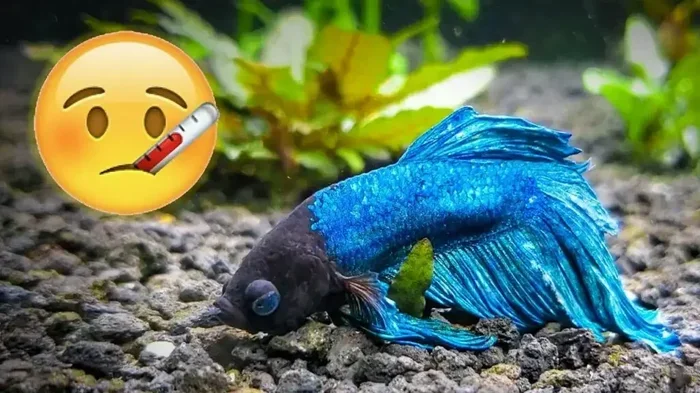
Signs of overfeeding include a bloated belly, lethargy, and floating near the surface. If your betta looks like it has a pinecone-like texture on its scales, that is a sign of severe bloating. Reduce feeding immediately and consider a day of fasting. If the condition does not improve, consult a vet.
Feeding Too Many Treats
It is tempting to give your betta lots of treats like bloodworms or brine shrimp. These are great in moderation, but they should not replace pellets. Treats should make up no more than 10 to 20 percent of your betta’s diet. Too many treats lead to nutritional imbalances and obesity.
Ignoring Water Quality After Feeding
Uneaten pellets break down quickly and pollute the water. Always remove any food your betta does not eat within a few minutes. This keeps the tank clean and the water parameters stable. Good water quality is just as important as proper feeding when it comes to betta health.
Expert Tips for the Perfect Feeding Routine
Getting the feeding routine right takes a little practice, but these expert tips make it easy. Follow these guidelines and your betta will thank you with vibrant colors and energetic swimming.
Soak Your Pellets Before Feeding
Dry pellets expand when they hit water. If your betta swallows a dry pellet, it can expand inside their stomach and cause discomfort or bloating. To avoid this, soak the pellets in a small cup of tank water for a few minutes before feeding. This pre-expands them and makes them easier to digest.
Use a Feeding Ring or Target Feeding
Betta pellets can get lost in the gravel or filter flow before your fish eats them. A feeding ring keeps the food in one place. Alternatively, you can use a turkey baster or pipette to drop pellets right near your betta. This ensures they eat every pellet and nothing goes to waste.
Include a Weekly Fasting Day
Giving your betta a day off from food once a week is highly recommended. A fasting day helps clear their digestive system and prevents constipation. Many experienced fish keepers skip feeding on Sundays. Your betta will be just fine, and their body will benefit from the break.
Monitor Your Betta’s Weight and Appearance
A healthy betta should have a rounded but not bloated body. Their fins should be spread and vibrant. If your betta looks thin or its color is fading, they may not be getting enough food. If they look puffy or their belly is distended, they are getting too much. Adjust portions as needed based on what you observe.
How Much Food Should a Betta Fish Eat in a Week?
Looking at the weekly picture can help you stay on track. A healthy adult betta should eat about 4 to 8 pellets per day, split into two feedings. Over a week, that is roughly 28 to 56 pellets, depending on the size of the pellets and your fish’s appetite.
Keep in mind that this is a guideline, not a strict rule. Some days your betta may eat less, and some days they may be extra hungry. The key is to stay consistent and watch for signs of overfeeding or underfeeding. A well-fed betta will be active, colorful, and maintain a healthy appetite every day.
If you ever feel unsure about the right amount, start with 2 pellets per feeding and increase gradually. Watching your betta eat will teach you a lot about their preferences and needs. Every fish is a little different, and learning your own betta’s habits is one of the joys of fish keeping.
Proper portion control is the foundation of good betta care. Once you nail down the right amount and frequency, feeding time becomes a simple and enjoyable part of your daily routine. Your betta will stay healthy, and your tank will stay clean. That is a win-win for both you and your fish.
Conclusion
Feeding your betta fish the right number of pellets does not have to be complicated. Stick to the simple rule of 2 to 4 pellets per meal, twice a day. Soak your pellets, watch your betta eat, and remove any uneaten food. Avoid overfeeding at all costs, and give your betta a fasting day each week. With these practices in place, your betta will live a long, healthy, and happy life.
Remember, every betta is unique. Some may eat a little more, some a little less. Pay attention to your fish, adjust as needed, and enjoy the process. You are now equipped with the knowledge to feed your betta properly. Put what you have learned here into practice, and you will see the difference in your betta’s health and energy levels.
Frequently Asked Questions
Can I feed my betta fish more than 4 pellets at once?
It is best to stick to 2 to 4 pellets per feeding. Feeding more than 4 at once can lead to overfeeding, which causes bloating and water quality issues. If your betta seems hungry after eating, wait at least 12 hours before offering more food.
How many pellets should I feed a baby betta fish?
Baby bettas need smaller amounts more frequently. Feed them 1 to 2 tiny pellets or crushed pellets 3 to 4 times a day. As they grow, you can gradually increase the portion size and reduce the number of feedings per day.
What happens if I overfeed my betta fish pellets?
Overfeeding can cause bloating, constipation, and swim bladder problems. Uneaten pellets also decay in the tank, raising ammonia levels and harming your fish. If you suspect overfeeding, skip the next meal and monitor your betta for signs of improvement.
Should I soak betta pellets before feeding?
Yes, soaking pellets for a few minutes before feeding is highly recommended. Dry pellets expand in water, which can cause stomach discomfort if swallowed dry. Soaking them first makes them softer and much easier for your betta to digest.
Can I feed my betta fish pellets every other day instead of daily?
Feeding every other day is not recommended for adult bettas. They need regular nutrition to stay healthy. However, a single fasting day once a week is beneficial and helps with digestion. Daily feeding with proper portions is the best approach.
Are betta pellets enough on their own for a complete diet?
High-quality betta pellets provide most of the nutrition your fish needs. However, adding variety with occasional live or frozen foods like bloodworms and brine shrimp keeps their diet balanced. Pellets should make up about 80 percent of their diet, with treats making up the remaining 20 percent.