Can Betta Fish Be with Neon Tetras
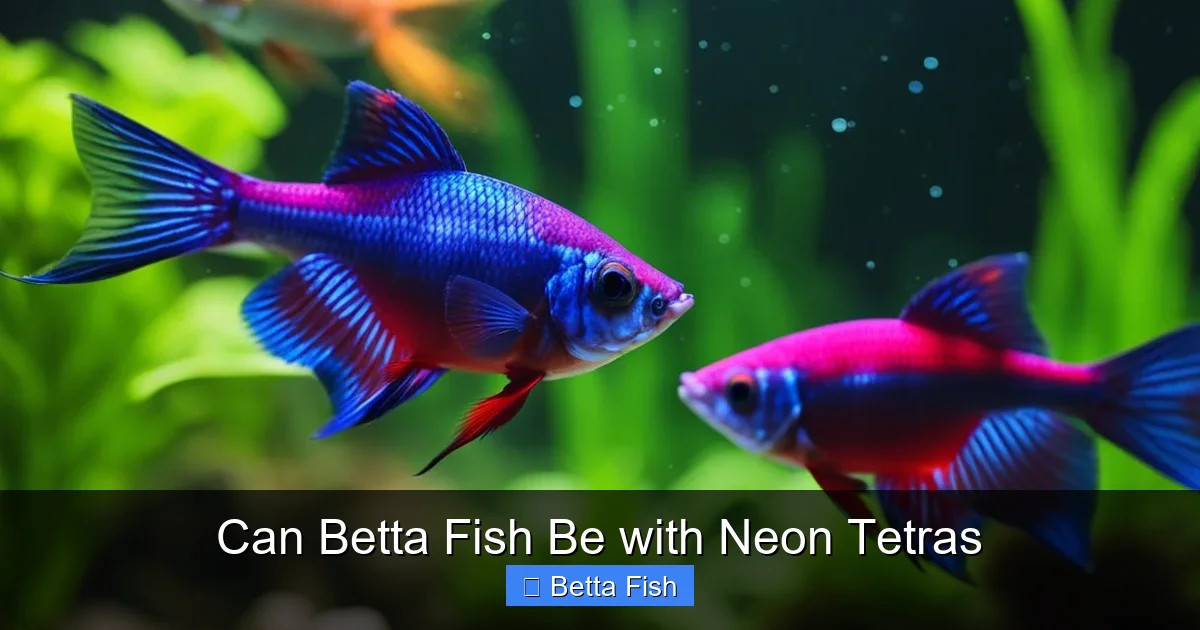
Betta fish can sometimes share a tank with neon tetras, but success depends on temperament, tank size, and careful set‑up. Providing plenty of hiding spots, monitoring behavior, and choosing the right water conditions are key to a harmonious community.
Key Takeaways
- Temperament matters: Not all bettas are aggressive; observe your fish before adding tetras.
- Tank size is critical: A minimum of 20 gallons gives enough space for both species.
- Hideaways help: Plants, caves, and driftwood reduce stress for neon tetras.
- Water parameters should match: Keep temperature 76‑80 °F and pH 6.5‑7.5.
- Introduce slowly: Use a quarantine or breeder box to let fish get used to each other.
- Monitor daily: Look for fin nipping, chasing, or faded colors as warning signs.
- Alternative companions: If tetras aren’t working, consider shrimp or snails as peaceful tank mates.
📑 Table of Contents
- Introduction: Why the Question Comes Up
- Understanding Betta Temperament
- Neon Tetras: Small, Fast, and Peaceful
- Setting Up a Community Tank for Betta and Neon Tetras
- Introducing Neon Tetras to a Betta Tank
- When the Pairing Doesn’t Work: Alternatives and Solutions
- Real‑World Success Stories
- Final Verdict: Can Betta Fish Be with Neon Tetras?
- Quick Checklist for a Successful Betta‑Neon Tetra Community
- Conclusion
Introduction: Why the Question Comes Up
Betta fish, often called Siamese fighting fish, are famous for their bright colors and dramatic fins. Many hobbyists wonder if these showy males can live peacefully with the tiny, shimmering neon tetras that zip around the lower levels of a community tank. The answer isn’t a simple “yes” or “no.” It depends on a mix of personality, environment, and how you set up the aquarium.
In this article we’ll walk through the science behind betta and tetra behavior, give you a step‑by‑step guide to creating a safe tank, and share real‑world tips that make the difference between a thriving community and a tank full of stress. By the end, you’ll know exactly how to decide if can betta fish be with neon tetras and what to do to give both species the best chance.
Understanding Betta Temperament
What makes a betta “aggressive”?
Betta fish are naturally territorial. In the wild they defend a small stretch of surface water where they build bubble nests. Male bettas, especially, will flare their gills and display their fins when another fish enters what they consider “their space.” However, not every betta shows the same level of aggression. Some are mellow, especially those raised in community tanks from a young age.
Visual guide about Can Betta Fish Be with Neon Tetras
Image source: i.ytimg.com
Factors that influence aggression
- Gender: Males are typically more territorial than females.
- Age and size: A fully grown betta (about 2‑3 inches) may be less likely to see a tiny neon tetra as a threat.
- Previous socialization: Betta raised with other fish often learn to tolerate neighbors.
- Tank conditions: Poor water quality or cramped space can heighten stress and aggression.
Because of these variables, the first step in answering can betta fish be with neon tetras is to assess your own betta’s personality. If you’ve seen your betta ignore other peaceful fish in the past, you have a good chance of success.
Neon Tetras: Small, Fast, and Peaceful
Basic needs of neon tetras
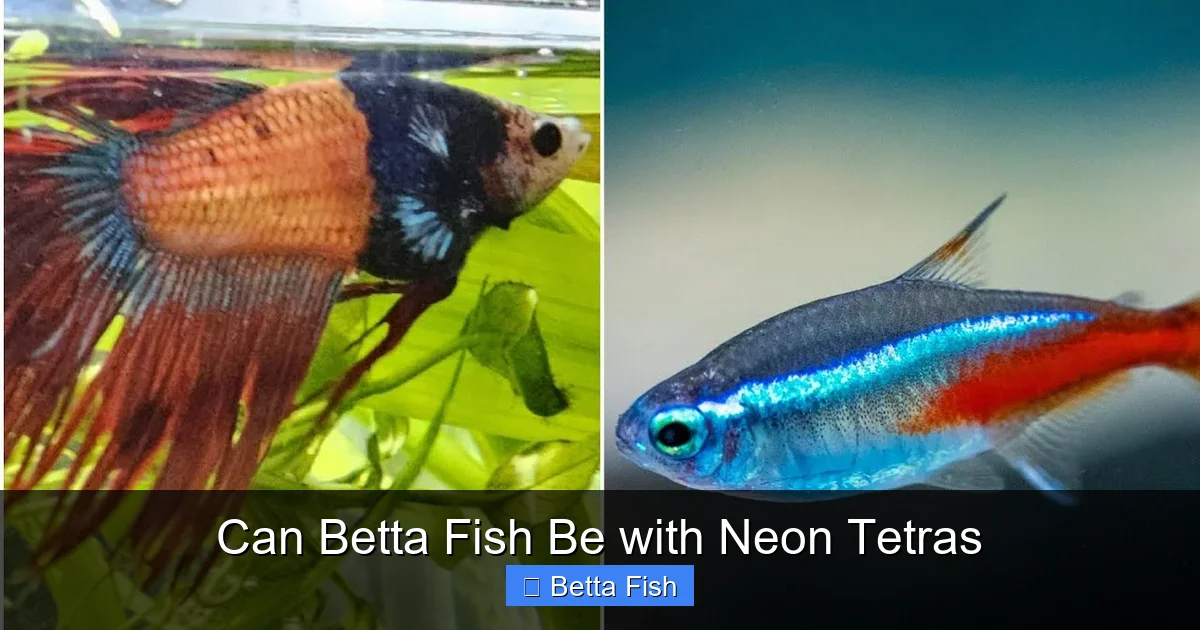
Neon tetras (Paracheirodon innesi) are schooling fish that thrive in groups of six or more. They love soft, slightly acidic water (pH 6.0‑7.0) and temperatures of 73‑81 °F. Their favorite spots are planted areas where they can hide from larger fish.
Visual guide about Can Betta Fish Be with Neon Tetras
Image source: i.ytimg.com
Why neon tetras might be at risk
Because they are tiny (about 1.5 inches) and swim near the bottom, neon tetras can be mistaken for “food” by a hungry betta. Additionally, their bright neon stripe can trigger a betta’s curiosity, sometimes leading to chasing. That’s why providing plenty of cover is essential.
Setting Up a Community Tank for Betta and Neon Tetras
Tank size and layout
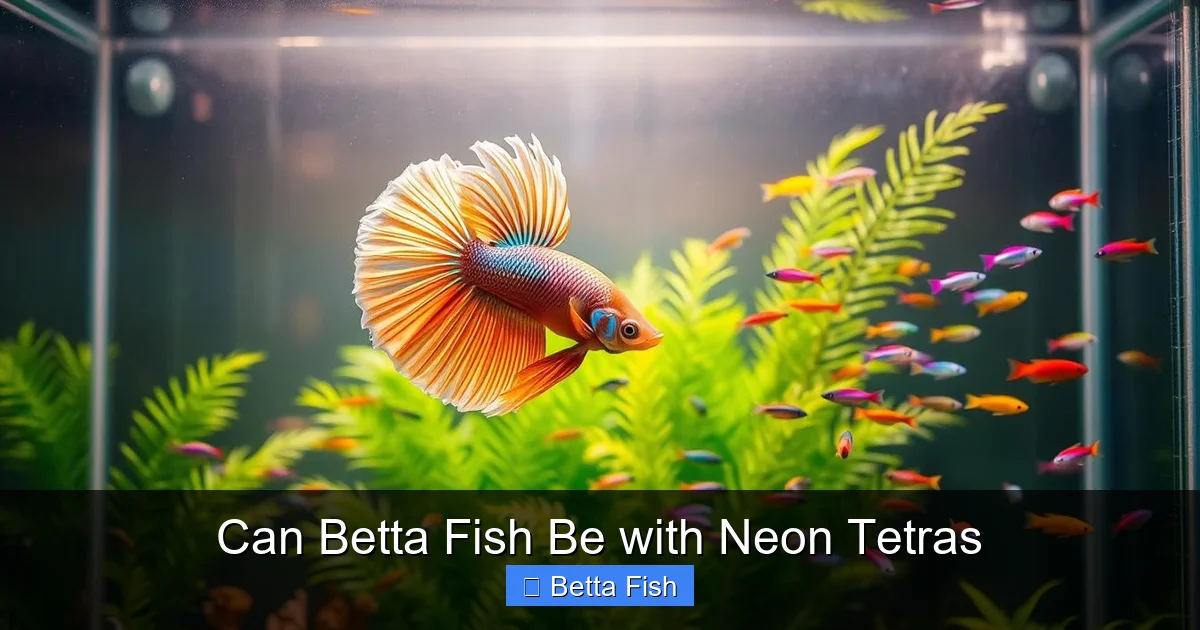
While a 5‑gallon “betta bowl” is popular, it is far too small for a mixed community. Aim for at least a 20‑gallon tank. This gives the betta a defined territory at the top and the tetras a spacious lower level.
Visual guide about Can Betta Fish Be with Neon Tetras
Image source: koibettafish.com
Design the tank with vertical zones:
- Upper zone: Open swimming area for the betta, with floating plants or a gentle surface cover.
- Mid‑zone: Live plants like Java fern, Anubias, or Vallisneria that break up sight lines.
- Bottom zone: Dense planting or a leaf litter substrate for neon tetras to hide.
Water parameters that suit both species
Both bettas and neon tetras enjoy a temperature range of 76‑80 °F, so a single heater set at 78 °F works well. Keep the pH between 6.5 and 7.5 and maintain ammonia and nitrite at 0 ppm. A weekly water change of 25 % helps keep the environment stable.
Filtration and flow
Neon tetras appreciate gentle water movement, while bettas prefer calm surface water. Use a sponge filter or a low‑flow hang‑on‑back filter. Position the outflow near the surface so the current pushes water downward, creating a calm zone for the betta.
Hiding places and décor
Provide at least 10 × tank length of hiding space for the tetras. Good options include:
- Leafy plants (Amazon sword, Java moss)
- Driftwood logs
- Ceramic caves
- Ornaments with small holes
These structures not only reduce stress but also break the line of sight, making it harder for a betta to focus on a lone tetra.
Introducing Neon Tetras to a Betta Tank
Quarantine and acclimation
Never drop new fish directly into the main tank. Use a quarantine tank for at least two weeks to ensure the tetras are disease‑free. Once cleared, acclimate them slowly using the drip method to match temperature and chemistry.
Gradual introduction techniques
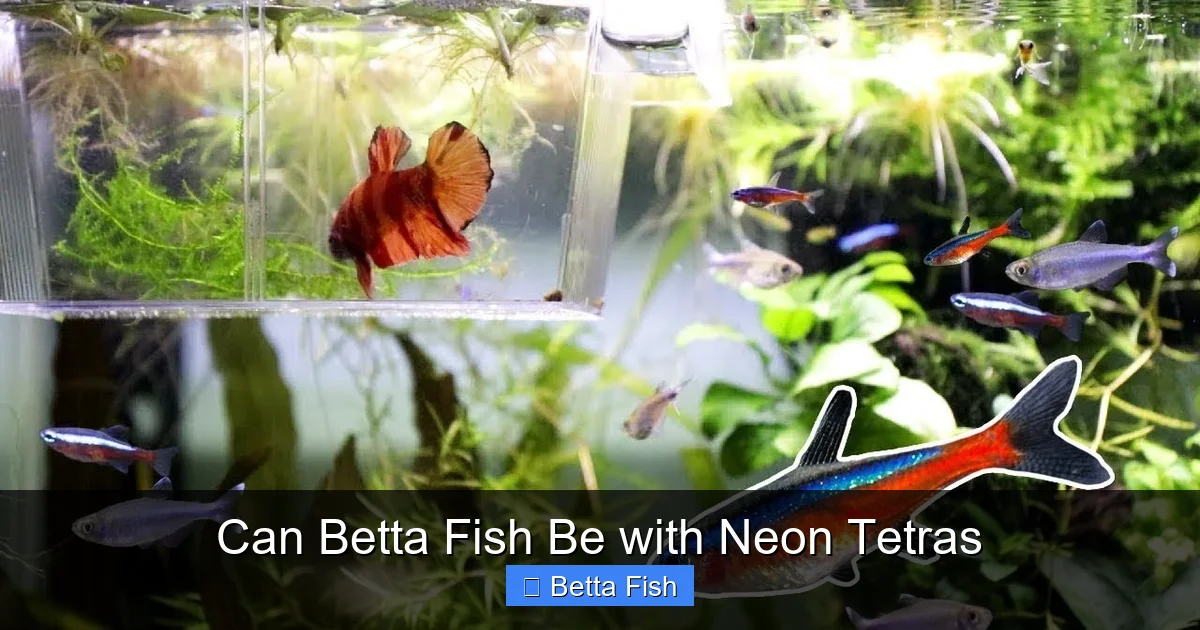
Place a clear breeder box inside the main aquarium. This lets the betta see the tetras without direct contact. Observe for 24‑48 hours. If the betta flares but does not attack, you’re in a good position to remove the divider.
When you finally open the box, do it during a feeding time. The betta will be focused on food, and the tetras will be busy swimming near the plants, reducing the chance of an immediate confrontation.
What to watch for
- Fin nipping or torn fins on tetras.
- Betta chasing the tetras for more than a few seconds.
- Loss of color or erratic swimming in either fish.
If any of these signs appear, consider re‑housing the betta or adding more hiding spots. In some cases, it may be kinder to keep the species separate.
When the Pairing Doesn’t Work: Alternatives and Solutions
Switching to other peaceful tank mates
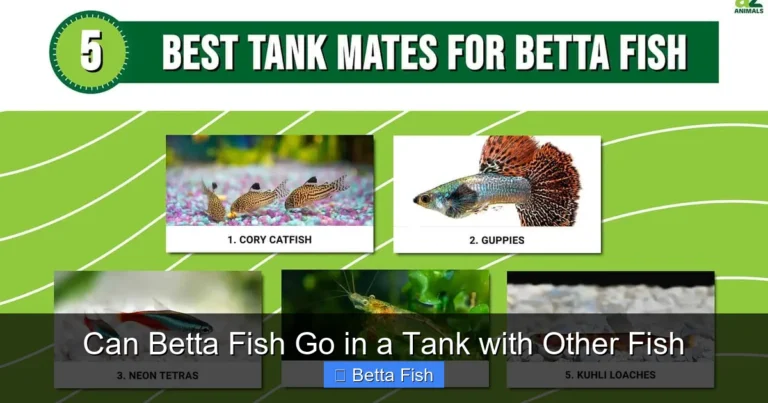
If your betta proves too aggressive, look at other small, non‑aggressive species that occupy different tank levels. For example, many hobbyists successfully keep bettas with:
- Harlequin rasboras
- Corydoras catfish (bottom dwellers)
- Snails such as Nerite or Mystery snails
- Freshwater shrimp like Cherry shrimp
Read more about compatible tank mates in our guide Which Fish Can Be Kept With Betta.
Creating a “betta‑only” showcase
Some owners find the healthiest solution is a dedicated betta tank with a planted “barricade” zone that mimics a natural habitat. Adding floating plants and a small “shelf” area lets you enjoy the betta’s display without risking other fish.
Professional help
If you’re unsure about the temperament of your betta, consult a local aquarium store or a fish‑behavior specialist. They can often spot warning signs you might miss.
Real‑World Success Stories
Case study 1: A 30‑gallon community tank
John from Texas set up a 30‑gallon tank with a male betta, 12 neon tetras, and a few cherry shrimp. He used a dense carpet of Java moss and a few driftwood roots. After a two‑week quarantine and a careful breeder‑box introduction, the fish coexisted peacefully for six months. John reports occasional “flaring” by the betta during feeding, but no fin damage.
Case study 2: When it went wrong
Emily tried to add neon tetras to a 10‑gallon betta bowl. Within a day, the betta chased the tetras aggressively, resulting in several dead tetras. Emily learned the hard way that tank size and hiding places are non‑negotiable. She later moved the betta to a solo 5‑gallon tank and started a separate 20‑gallon community tank for the tetras.
Final Verdict: Can Betta Fish Be with Neon Tetras?
The short answer: yes, but only under the right conditions. A calm, spacious tank with plenty of plants, a proper temperature range, and a careful introduction process can allow a betta and neon tetras to share a home. However, every betta is an individual, and some will never accept tank mates, no matter how perfect the setup.
Before you decide, ask yourself:
- Do I have at least a 20‑gallon tank?
- Can I provide ample hiding spots?
- Am I willing to monitor behavior daily?
- Is my betta already known to be peaceful?
If you can answer “yes” to most of these, give it a try. If not, consider alternative companions or a dedicated betta display. Either way, you’ll be providing a healthier, happier environment for your fish.
Quick Checklist for a Successful Betta‑Neon Tetra Community
- Tank size ≥ 20 gallons
- Temperature 76‑80 °F, pH 6.5‑7.5
- Low‑flow filtration
- At least 6 neon tetras (schooling)
- Plenty of live plants and décor for cover
- Quarantine and gradual introduction
- Daily observation for aggression
Conclusion
Keeping a betta fish with neon tetras can be a rewarding experience when you respect the natural instincts of both species. By providing enough space, hiding places, and a stable water environment, you give your betta a chance to show off its colors while the tetras add a lively school of motion. Remember, the key is patience and observation. If aggression occurs, be ready to re‑home one of the species for the sake of their well‑being. With thoughtful planning, the answer to can betta fish be with neon tetras is often a confident “yes.”
Frequently Asked Questions
Can a male betta live with neon tetras?
Yes, a male betta can live with neon tetras if the tank is large enough and the betta’s temperament is not overly aggressive.
What size tank is needed for betta and neon tetras?
A minimum of 20 gallons is recommended to give each species enough space and hiding places.
Do neon tetras need to be in a school?
Yes, neon tetras feel safest in groups of six or more, which also reduces stress and aggression from larger fish.
How long should I quarantine neon tetras before adding them?
Quarantine for at least two weeks to ensure they are disease‑free and acclimate them slowly to the main tank’s water parameters.
What are some signs that the betta is being aggressive?
Look for flaring, chasing, fin nipping, or torn fins on the tetras. If these occur, separate the fish immediately.
Can I keep other small fish with a betta instead of neon tetras?
Yes, species like harlequin rasboras, corydoras, or small shrimp can also be good companions. See our article Which Fish Can Be Kept With Betta for more ideas.