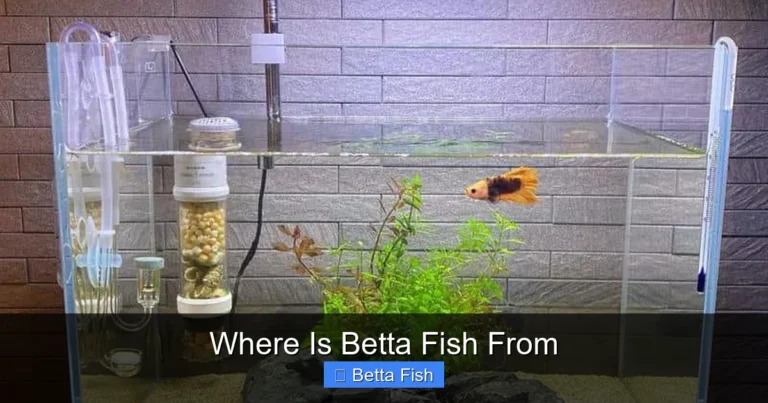
Can I Feed My Betta Fish Every Other Day
Feeding your betta fish every other day can work for adult fish, but daily feeding is generally recommended for optimal health. Bettas have small stomachs and fast metabolisms, so consistent, small meals are key. Skipping days occasionally is fine, but regular every-other-day feeding may lead to malnutrition or stress in younger or active bettas.
- Daily feeding is ideal: Most adult bettas do best with one small meal per day, though every other day can work for healthy adults in stable conditions.
- Bettas have tiny stomachs: Overfeeding is more dangerous than underfeeding—stick to 2–3 pellets per meal.
- Age matters: Juvenile bettas need daily feeding to support growth; adults can occasionally skip a day.
- Watch for signs of hunger or stress: Lethargy, color loss, or aggression may signal poor nutrition.
- Water quality is crucial: Uneaten food decays quickly—remove it promptly to avoid ammonia spikes.
- Variety helps: Rotate between high-quality pellets, frozen bloodworms, and brine shrimp for balanced nutrition.
- Consult a vet if unsure: Sudden changes in appetite or behavior warrant professional advice.
📑 Table of Contents
- Can I Feed My Betta Fish Every Other Day?
- Understanding Your Betta’s Digestive System
- Pros and Cons of Every-Other-Day Feeding
- How Often Should You Really Feed Your Betta?
- Signs Your Betta Isn’t Getting Enough Food
- Best Practices for Feeding Your Betta Fish
- Special Considerations: Age, Health, and Environment
- Final Thoughts: Balance Is Key
Can I Feed My Betta Fish Every Other Day?
If you’ve ever stared at your betta and thought, “Do I really need to feed this fish every single day?”—you’re not alone. Many new and even experienced betta owners wonder whether skipping a day or two between feedings is okay. The short answer? It depends. While some adult bettas can handle an every-other-day routine, it’s not usually the best long-term strategy. Let’s dive into why—and how to find the perfect feeding rhythm for your finned friend.
Bettas are tropical freshwater fish with fast metabolisms and tiny stomachs (about the size of their eye!). In the wild, they eat multiple small meals daily—mostly insects and larvae. Captive bettas thrive on consistency, but life happens. Maybe you’re traveling, forgetful, or just trying to avoid overfeeding. So, can you feed your betta every other day? Yes—but with caveats.
Understanding Your Betta’s Digestive System
Why Feeding Frequency Matters
Bettas process food quickly. Their digestive system is short, which means they’re built for frequent, small meals rather than large, infrequent ones. Feeding every other day might seem like a safe way to prevent overfeeding, but it can actually backfire. Without regular nutrition, your betta may become lethargic, lose color, or develop stress-related illnesses.
The Risk of Underfeeding
Skipping meals regularly can lead to malnutrition, weakened immunity, and even organ failure over time. Young bettas—under six months old—especially need daily feeding to support rapid growth. Adult bettas (over one year) are more resilient, but even they benefit from routine.
Pros and Cons of Every-Other-Day Feeding
Potential Benefits
For healthy adult bettas in well-maintained tanks, occasional skipped days aren’t harmful. In fact, a brief fast can mimic natural conditions and give their digestive system a break. Some experienced keepers use this method during vacations or to reset feeding habits after overfeeding incidents.
Possible Drawbacks
The biggest downside is inconsistency. Bettas are creatures of habit. Changing their feeding schedule too often can cause stress, which lowers immunity. Also, if your tank lacks live plants or biofilm (natural food sources), your betta has nothing to graze on between meals. That means two full days without nutrients—which isn’t ideal.
How Often Should You Really Feed Your Betta?
Recommended Daily Schedule
Most experts agree: feed your betta once or twice a day, offering only what they can eat in 2–3 minutes. For pellets, that’s usually 2–3 high-quality pellets per meal. If you’re using freeze-dried or frozen foods like bloodworms or brine shrimp, limit those to 2–3 times a week as treats.

Visual guide about Can I Feed My Betta Fish Every Other Day
Image source: thumb.ac-illust.com
When Every Other Day Might Work
If you’re an experienced keeper with a mature, healthy betta in a planted tank with stable water parameters, every-other-day feeding can be a temporary solution—say, during a weekend trip. But don’t make it a permanent habit unless advised by a vet. And always monitor your fish closely for signs of distress.
Signs Your Betta Isn’t Getting Enough Food
Physical and Behavioral Clues
Watch for these red flags:
- Faded or dull coloring
- Listlessness or excessive hiding
- Clamped fins (held close to the body)
- Loss of appetite when food is offered
- Sunken belly or visible spine
These could indicate malnutrition or illness. If you notice them, resume daily feeding immediately and consider a vet visit.
How to Check if Your Betta Is Happy
A well-fed betta is active, curious, and displays vibrant colors. They’ll flare at their reflection, explore their tank, and eagerly approach during feeding time. If your betta seems uninterested in food or environment, it’s time to reassess their diet and schedule. Learn more about behavioral cues in our guide on how to tell if your betta fish is happy.
Best Practices for Feeding Your Betta Fish
Choose the Right Food
Not all betta foods are created equal. Look for pellets with whole fish or shrimp as the first ingredient. Avoid fillers like wheat or corn. Supplement with occasional treats—but never as a staple. For portion guidance, check out our detailed article on how much to feed your betta fish.
Stick to a Routine
Feed at the same time each day. Bettas learn schedules quickly and will anticipate mealtime. Consistency reduces stress and helps maintain healthy digestion. If you must skip a day, do it occasionally—not regularly.
Monitor Water Quality
Uneaten food decays fast and spikes ammonia levels. Always remove leftovers after 5–10 minutes. A clean tank supports overall health and makes feeding more effective. Regular water changes (25–30% weekly) are non-negotiable.
Special Considerations: Age, Health, and Environment
Juvenile vs. Adult Bettas
Baby and juvenile bettas (under 6 months) should be fed 2–3 times daily to fuel growth. Once they reach adulthood (around 1 year), you can reduce to once daily. Seniors (3+ years) may eat slightly less but still need consistent meals.
Sick or Stressed Bettas
If your betta is recovering from illness—like fin rot or constipation—temporary fasting (1–2 days) can help. But afterward, resume normal feeding. Never use every-other-day feeding as a treatment without veterinary input. For illness signs, refer to our resource on how to tell if your betta fish is sick.
Tank Setup and Enrichment
A bare tank offers nothing between meals. Add live plants like java moss or anubias—they host microorganisms your betta can nibble. This natural foraging reduces boredom and supplements their diet. Also, ensure your tank is at least 5 gallons with a heater (78–80°F) and gentle filtration.
Final Thoughts: Balance Is Key
So, can you feed your betta fish every other day? Technically, yes—for short periods and healthy adults. But for long-term health, daily feeding in small amounts is far superior. Bettas aren’t built for feast-or-famine cycles. They thrive on predictability, quality nutrition, and a clean environment.
If you’re ever unsure, err on the side of daily feeding with tiny portions. It’s easier to adjust later than to recover from malnutrition. And remember: a happy betta is a well-fed betta. Keep observing, stay consistent, and enjoy the beautiful bond you’re building with your aquatic companion.
Frequently Asked Questions
Can betta fish go without food for two days?
Yes, adult bettas can safely go 1–2 days without food. This is useful during travel or tank maintenance. However, don’t make it a regular habit—consistent feeding supports long-term health.
What happens if I feed my betta every other day long-term?
Long-term every-other-day feeding may lead to malnutrition, weakened immunity, and color loss—especially in young or active bettas. Daily small meals are safer and more natural.
How much should I feed my betta per meal?
Offer 2–3 high-quality pellets or a tiny pinch of freeze-dried food per meal. Only give what your betta eats in 2–3 minutes to avoid overfeeding and water pollution.
Is it okay to fast my betta once a week?
Yes! A weekly 24-hour fast can aid digestion and mimic natural feeding patterns. Just ensure your betta is healthy and well-nourished on other days.
Can I feed my betta only bloodworms every other day?
No. Bloodworms are treats, not a complete diet. They lack essential nutrients and can cause bloating. Use them 1–2 times weekly alongside balanced pellets.
How do I know if my betta is overfed?
Signs include bloating, constipation, lethargy, and cloudy water from uneaten food. Reduce portions immediately and consider a one-day fast to reset their system.