Is the Dragon Scale Gene Dominant in Betta Fish
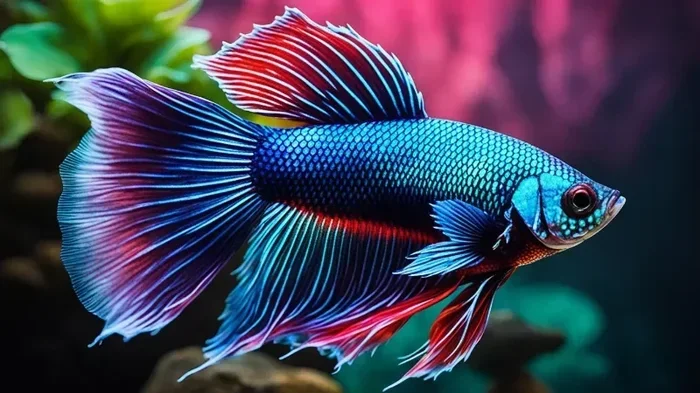
The dragon scale gene is a fascinating genetic trait in betta fish that creates a stunning metallic, armor-like appearance on the scales. Is the dragon scale gene dominant in betta fish? The answer is more complex than a simple yes or no, as it behaves as a semi-dominant trait that influences color intensity and scale coverage in unique ways. Understanding how this gene works helps breeders and hobbyists make smarter, more informed decisions when selecting fish for breeding projects.
SEO Title: Is the Dragon Scale Gene Dominant in Betta Fish
Meta Title: Is the Dragon Scale Gene Dominant in Betta Fish? Here’s What You Need to Know
Meta Description: Discover whether the dragon scale gene is dominant in betta fish. We break down genetics, breeding tips, and what this means for your fish.
URL Slug: is-dragon-scale-gene-dominant-in-betta-fish
Key Takeaways
- Dragon scale gene is dominant, needing just one copy for expression.
- Two copies intensify the metallic sheen and scale coverage dramatically.
- Dragon scales overlay the base color, often masking red, blue, or green.
- Breed two dragons for enhanced offspring, but watch for color dilution.
- The gene is not fully penetrant, so some fish show faint patterns.
- Dragon scale interacts with other genes like marble or super red.
- Selective breeding stabilizes the trait, making dragon scales more consistent.
📑 Table of Contents
- What Is the Dragon Scale Gene in Betta Fish?
- Understanding Dominant vs. Recessive Genes in Betta Fish
- How the Dragon Scale Gene Expresses Itself
- Breeding Strategies for Dragon Scale Bettas
- Common Mistakes When Breeding for Dragon Scale
- Caring for Dragon Scale Betta Fish
- Key Takeaways on Dragon Scale Genetics
What Is the Dragon Scale Gene in Betta Fish?
If you have ever admired a betta fish with thick, overlapping scales that look almost like armor, you have seen the dragon scale gene at work. This genetic trait creates a scale pattern that stands out from the smooth, flowing fins and bodies of traditional betta varieties. The scales appear raised, textured, and sometimes even iridescent, giving the fish a truly unique look.
But what does this mean for betta fish genetics? Is the dragon scale gene dominant, or do you need specific breeding strategies to produce dragon scale offspring? Understanding how this gene works helps breeders and hobbyists make smarter choices when planning their betta fish breeding projects.
The dragon scale gene is one of many genetic traits found in Betta splendens. It is part of a broader group of betta fish mutations that have been refined through decades of selective breeding. Unlike some traits that disappear after one generation, the dragon scale gene can persist and express itself in surprising ways depending on the genetic makeup of the parent fish.
Understanding Dominant vs. Recessive Genes in Betta Fish
Before we can answer whether the dragon scale gene is dominant, let us break down what dominant and recessive actually mean in fish genetics.
Dominant Genes Explained
A dominant gene only needs one copy from either parent to show up in the offspring. If one parent carries the dominant trait, there is a strong chance the babies will display it. Think of it like a trait that “overrides” the other version. In betta fish genetics, many color and fin traits behave as dominant characteristics.
Recessive Genes Explained
A recessive gene needs two copies, one from each parent, before the trait appears. If only one parent passes it on, the offspring may carry the gene without showing it. These hereditary factors can hide for generations and then suddenly show up when two carriers breed together.
How This Applies to Dragon Scale
The dragon scale gene does not follow a simple dominant-recessive pattern. It is generally considered a co-dominant or semi-dominant trait. This means that even one copy of the gene can produce visible results, but the intensity varies. When both parents carry the gene, the offspring often show a much stronger scale type with thicker, more pronounced armor plating.
Quick Tip: When breeding for dragon scale, always track which fish carry the gene. Even if a fish looks smooth, it could be a hidden carrier and pass the trait to its young.
How the Dragon Scale Gene Expresses Itself
The phenotypic expression of the dragon scale gene can range from subtle to dramatic. Some fish show only a few raised scales near the head or along the back, while others are covered head to tail in thick, textured plates. This variation depends on several inherited characteristics and environmental factors.
Levels of Dragon Scale Expression
- Light Dragon: A few scales near the face or dorsal area show slight raising. The body still looks mostly smooth. This is common when only one parent carries the gene.
- Medium Dragon: Scales cover much of the body and fins. The texture is clearly visible and gives the fish a rugged appearance. Both parents likely contribute the trait.
- Full Super Dragon: The entire body and fins display thick, overlapping scales with a metallic sheen. This strong color morph usually appears when both parents are heavily scaled.
Factors That Influence Expression
Several genetic traits and outside conditions affect how the dragon scale shows up in individual fish:
- Parent genetics: The number of copies of the gene each parent carries directly impacts the offspring.
- Gene pool diversity: A limited gene pool can intensify or dilute the trait over time.
- Water quality: Poor conditions can suppress scale pattern development, even in genetically strong fish.
- Nutrition: A diet rich in protein and color-enhancing foods supports healthy scale growth and shine.
- Temperature: Keeping your betta in the ideal temperature range (78-80°F or 25-27°C) promotes optimal growth and trait expression.
Breeding Strategies for Dragon Scale Bettas
Breeding dragon scale bettas is both exciting and challenging. Because the gene is semi-dominant, you cannot simply pair any two fish and expect a full dragon betta variety in the spawn. Careful planning and an understanding of betta fish genetics are essential.
Choosing the Right Parents
The best results come from pairing a male with strong dragon scaling and a female who either carries or expresses the trait. If you breed a super dragon male with a female that has no scaling at all, the first generation (F1) may only show light dragon expression. However, those offspring will carry the gene and pass it forward.
Pairing Two Dragon Scale Fish
When both parents display visible scaling, the results are usually much more impressive. Here is a simple breakdown:
- One parent is dragon, one is not: About 50% of offspring may show some scaling. The rest carry the gene silently.
- Both parents are light dragon: Most offspring show at least light scaling, with a chance of medium expression.
- Both parents are super dragon: The majority display strong, full-body scaling. This is the best combination for producing premium dragon betta varieties.
Tracking Generations
Patience is key. It can take several generations of selective breeding to stabilize the trait and produce consistent results. Keep detailed records of which fish carry the gene and which offspring traits appear in each batch. Over time, you will build a reliable line of dragon scale bettas.
Expert Insight: Many top breeders recommend keeping at least one dragon scale male from every strong spawn, even if the female was not scaled. This ensures the gene stays active in your breeding stock and continues to strengthen the line.
Common Mistakes When Breeding for Dragon Scale
Even experienced hobbyists can stumble when working with betta fish mutations like dragon scale. Avoiding these common mistakes saves time, money, and healthy fish.
Ignoring Hidden Carriers
Not every fish that looks smooth is actually free of the dragon scale gene. Some carry it without showing visible scaling. If you pair two hidden carriers, you may be surprised by the results, but you also risk producing inconsistent offspring. Always research the lineage before pairing.
Over-Breeding for One Trait
Focusing too hard on scale type can weaken other important qualities. You may end up with a fish that looks amazing but has fragile fins, poor health, or a short lifespan. Balance your breeding strategies to maintain overall vigor alongside the dragon scale trait.
Neglecting Tank Conditions
Your fish need proper living conditions to express their genetics fully. Make sure each breeding pair has its own space. If you keep multiple males together, you risk stress and aggression. Learn more about whether two male betta fish can live in the same tank before setting up your breeding environment.
Skipping Water Quality Maintenance
Dirty water stresses fish and can suppress genetic traits like dragon scaling. Keep your tank clean, well-filtered, and cycled. Maintaining the right ideal temperature for betta fish is also critical. For more guidance on water care, check out why betta fish tank water becomes cloudy and how to prevent it.
Caring for Dragon Scale Betta Fish
Once you have successfully bred or purchased a dragon scale betta, proper care ensures the fish thrives and shows off its scale pattern to the fullest. These fish are not difficult to keep, but they do benefit from attentive husbandry.
Tank Setup
A minimum of 5 gallons is recommended for a single dragon scale betta. Provide plenty of hiding spots and gentle filtration. The water should be warm, stable, and free of ammonia. If you are considering tank mates, learn whether betta fish can have other fish in the tank to make informed choices.
Diet and Nutrition
High-quality pellets should form the base of the diet. Supplement with frozen or live foods like bloodworms and brine shrimp. This supports healthy scale development and vibrant color morph expression. Feed small amounts twice a day rather than one large meal.
Health Monitoring
Dragon scale bettas are generally hardy, but they can develop common issues like fin rot, ich, or bloating. Watch for changes in behavior, appetite, or appearance. Early treatment with warm water and appropriate medication usually resolves most problems. The typical lifespan of betta fish is 3 to 5 years with proper care.
Comparison: Dragon Scale vs. Other Popular Betta Types
| Trait | Dragon Scale | Halfmoon | Crowntail |
|---|---|---|---|
| Scale Texture | Thick, raised, armor-like | Smooth, flat | Smooth, flat |
| Fin Type | Normal to slightly rounded | Wide, 180-degree spread | Spiky, feathered edges |
| Gene Expression | Semi-dominant | Dominant | Dominant |
| Rarity | Moderate to rare | Common | Common |
Key Takeaways on Dragon Scale Genetics
The dragon scale gene is one of the most fascinating traits in the betta fish world. While it is not strictly dominant in the traditional sense, it behaves as a semi-dominant or co-dominant trait that can show visible effects from just one parent. The intensity of scaling depends on the genetic contribution of both parents, the overall gene pool, and how well you care for your fish.
Breeding for this trait requires patience, record-keeping, and a genuine love for betta fish genetics. Avoid common pitfalls like ignoring hidden carriers or neglecting water quality. With the right approach, you can produce stunning dragon betta varieties that showcase thick, shimmering scales and truly stand out in any collection.
Whether you are a beginner or a seasoned breeder, understanding the is dragon scale gene dominant in betta fish question gives you a real advantage. Apply what you have learned here, experiment carefully, and enjoy the rewarding journey of raising these extraordinary fish. Every generation brings new possibilities, and the dragon scale trait is well worth the effort.
Frequently Asked Questions
Is the Dragon Scale Gene Dominant in Betta Fish?
Yes, the dragon scale gene is considered a dominant genetic trait in betta fish. This means that a betta only needs to inherit one copy of the gene from either parent to display the distinctive metallic, thick scales. However, the expression of the gene can vary in intensity from fish to fish.
What Makes Dragon Scale Bettas Different from Other Betta Fish?
Dragon scale bettas have a thick, metallic layer of scales that gives them a shiny, armor-like appearance. This unique look comes from a genetic mutation that affects how pigment and iridescence are deposited in the scales. The result is a bold, reflective finish that stands out from standard betta colorations.
Can Dragon Scale Be Passed Down to Baby Bettas?
Yes, the dragon scale gene can be passed to offspring, and because it is dominant, the chances of the trait appearing in the next generation are quite high. When a dragon scale betta is bred with a non-dragon scale betta, roughly half the fry will likely carry the dragon scale trait. Breeders often use this predictability to develop new color lines with the metallic scale pattern.
Do All Dragon Scale Bettas Look the Same?
No, not all dragon scale bettas look identical, even though they share the same dominant gene. The intensity of the metallic sheen, the base color, and the pattern can differ widely between individual fish. Some may show a full dragon scale coverage while others display it only partially on the body or fins.
Is the Dragon Scale Gene Linked to Any Health Issues in Betta Fish?
Currently, there is no strong evidence linking the dragon scale gene directly to health problems in betta fish. The gene primarily affects the appearance of the scales and does not seem to impact the fish’s overall well-being. That said, responsible breeders always monitor their fish for any signs of stress or illness regardless of their genetic traits.
How Can You Tell if a Betta Fish Carries the Dragon Scale Gene?
You can usually identify a dragon scale betta by its thick, shiny, metallic-looking scales that almost seem layered or raised. The metallic sheen often appears in colors like white, silver, gold, or red with a distinct reflective quality. Even young bettas may show early signs of the gene, though the full effect becomes more visible as they mature.