Will a Male and Female Betta Fish Kill Each Other
Will a male and female betta fish kill each other? In most cases they won’t, but aggression can flare if the tank isn’t set up right. Follow our step‑by‑step guide to create a calm environment, recognize warning signs, and enjoy a thriving betta pair.
Key Takeaways
- Temperament matters: Female bettas are generally less aggressive, but a dominant male can still bite.
- Tank size is crucial: A minimum of 10‑gallon (38 L) with plenty of hiding spots reduces stress.
- Introduce slowly: Use a divider or a quarantine tank to let them get used to each other’s scent.
- Watch the signs: Flaring fins, constant chasing, or loss of color mean it’s time to separate.
- Breeding vs. cohabitation: Breeding pairs need different conditions than a peaceful community set‑up.
- Know the alternatives: If aggression persists, keep them apart or consider a single‑sex tank.
- Helpful resources: Check related articles on betta compatibility and tank setup for deeper insight.
📑 Table of Contents
Introduction: The Age‑Old Question
Anyone who has ever held a bright, flowing betta in their hands has wondered, will a male and female betta fish kill each other? The answer isn’t a simple “yes” or “no.” It depends on many factors—tank size, décor, temperament, and even the time of day. In this article we’ll break down everything you need to know to keep a male and female betta together safely, whether you’re aiming for a peaceful community or a breeding pair.
Betta fish (Betta splendens) are famous for their dazzling fins and feisty personalities. Males are territorial, flaunting their colors to impress rivals and potential mates. Females, while less flamboyant, can still show aggression when space is limited. Understanding these natural instincts is the first step toward answering the core question.
1. Understanding Betta Behavior
Male aggression explained
Male bettas guard a territory as if it were their kingdom. They will flare their gill covers (opercula), spread their fins, and even bite if another fish invades their space. This behavior is hard‑wired for survival in the wild, where a male must defend a bubble nest and attract a female.

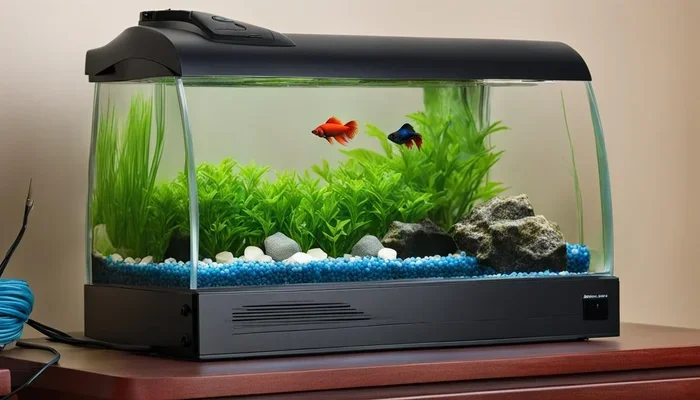
Visual guide about Will a Male and Female Betta Fish Kill Each Other
Image source: static.mercdn.net
Female temperament
Females are generally more social and can tolerate other bettas better, especially if the tank is spacious. However, a female can become dominant if she’s larger or more confident, and she may nip at a timid male.
Why the myth persists
Many hobbyists have witnessed a male betta attack a female, leading to the belief that they always kill each other. In reality, most attacks are brief, defensive displays rather than lethal battles. Proper preparation prevents the worst outcomes.
2. Setting Up the Perfect Tank
Size matters
For a male‑female duo, a minimum of 10 gallons (38 L) is recommended. This gives each fish at least 5 gallons of personal space, which dramatically cuts down on territorial disputes.

Visual guide about Will a Male and Female Betta Fish Kill Each Other
Image source: 5acizu.com
Decor and hiding spots
Plants (live or silk), driftwood, and caves create visual barriers. These structures let the fish retreat when they feel threatened. Aim for at least three distinct hiding places per fish.
Water conditions
Maintain a temperature of 76‑82 °F (24‑28 °C), pH between 6.5‑7.5, and gentle water flow. Poor water quality spikes stress hormones, making aggression more likely.
Filtration and lighting
A quiet filter (sponge or low‑flow hang‑on‑back) prevents turbulence that could startle the bettas. Dim lighting for the first few days helps them adjust without feeling exposed.
3. Introducing the Pair Safely
Quarantine first
Both fish should spend at least two weeks in separate quarantine tanks to ensure they’re disease‑free. Illness can cause erratic behavior that looks like aggression.

Visual guide about Will a Male and Female Betta Fish Kill Each Other
Image source: thesprucepets.com
Use a divider
Place a clear acrylic or mesh divider in the main tank. This lets the fish see each other’s colors without direct contact, reducing the “unknown” factor.
Swap water
After a few days, exchange 25 % of the water between the two compartments. This mixes their scent cues, which is essential for acceptance.
Gradual removal
If after a week both fish are calm (no flaring, no chasing), slowly lift the divider. Watch closely for the first 30 minutes; be ready to re‑insert the barrier if any signs of stress appear.
4. Recognizing Warning Signs
Physical cues
Flaring fins, puffed up gill covers, and rapid swimming are early warnings. If a fish repeatedly circles the other, it’s marking territory.
Color changes
Stress often dulls a betta’s vibrant hues. A sudden loss of brightness can signal that the fish feels threatened.
Loss of appetite
When a betta stops eating, it’s a red flag that the tank environment is too stressful.
What to do
If any of these signs appear, separate the fish immediately. Use a breeder’s tank (5‑gallon) for the aggressor while you reassess the main tank setup.
5. Breeding vs. Co‑habitation
Breeding basics
When breeding, a male will build a bubble nest on the water surface. The female is introduced only for a short spawning period (usually 30‑60 minutes). After the eggs are laid, the male cares for them, and the female should be removed to prevent aggression.
Long‑term co‑habitation
If you’re not breeding, keep the pair in a larger tank with plenty of plants. Some hobbyists report success with a single male‑female pair for months, but always be ready to split them if tension rises.
Helpful reading
For a deeper dive into breeding behavior, see our guide on Will A Male And Female Betta Fish Fight. It outlines the exact steps for safe spawning.
6. What to Do If They Do Fight
Immediate separation
Grab a clean container, gently net the aggressor, and move it to a separate, pre‑heated tank. Do not chase the fish; sudden movements can cause injury.
Assess the tank
Check for overcrowding, inadequate hiding spots, or water parameter spikes. Fixing these issues often prevents future fights.
Consider a single‑sex tank
If aggression persists despite optimal conditions, it may be best to keep the fish apart permanently. Many keepers find peace with a single male or a sorority of females.
Further resources
Our article Can You Keep A Male And Female Betta Fish Together offers additional troubleshooting tips and alternative tank mates.
Conclusion: Peace Is Possible With Care
So, will a male and female betta fish kill each other? The short answer is: not if you give them the right environment, enough space, and a careful introduction. Their natural instincts can lead to brief confrontations, but lethal fights are rare when you follow the guidelines above. By monitoring behavior, maintaining pristine water, and providing plenty of hiding places, you can enjoy the striking colors of both a male and a female betta sharing a home—or a successful breeding pair that produces beautiful fry.
Remember, every fish is an individual. Some male‑female pairs get along like old friends; others may never find peace. Stay observant, be ready to adapt, and you’ll create a thriving aquatic community that answers the age‑old question with a confident “no.”
Frequently Asked Questions
Will a male betta always attack a female?
No. While males are territorial, a well‑set‑up tank with plenty of space often prevents attacks. Proper introduction is key.
How long should I keep a divider in place?
Typically 5‑7 days, but watch the fish closely. If both remain calm after a week, you can try removing it.
Can I keep other fish with a male‑female betta pair?
It’s risky. Betta aggression can extend to other species, especially fast‑moving or fin‑nipping fish. If you want tank mates, choose peaceful, fast‑swimming species and provide plenty of cover.
What temperature is safest for a mixed betta pair?
Maintain 78‑80 °F (25‑27 °C). This range supports both sexes and encourages natural breeding behavior.
Do females ever build bubble nests?
Rarely. Bubble nests are a male behavior. If you see a female attempting to build one, it may indicate stress or hormonal imbalance.
Where can I learn more about betta compatibility?
Check out Can You Have A Female And Male Betta Fish Together for detailed compatibility tips and tank‑setup ideas.