How Many Gallons for a Betta Fish
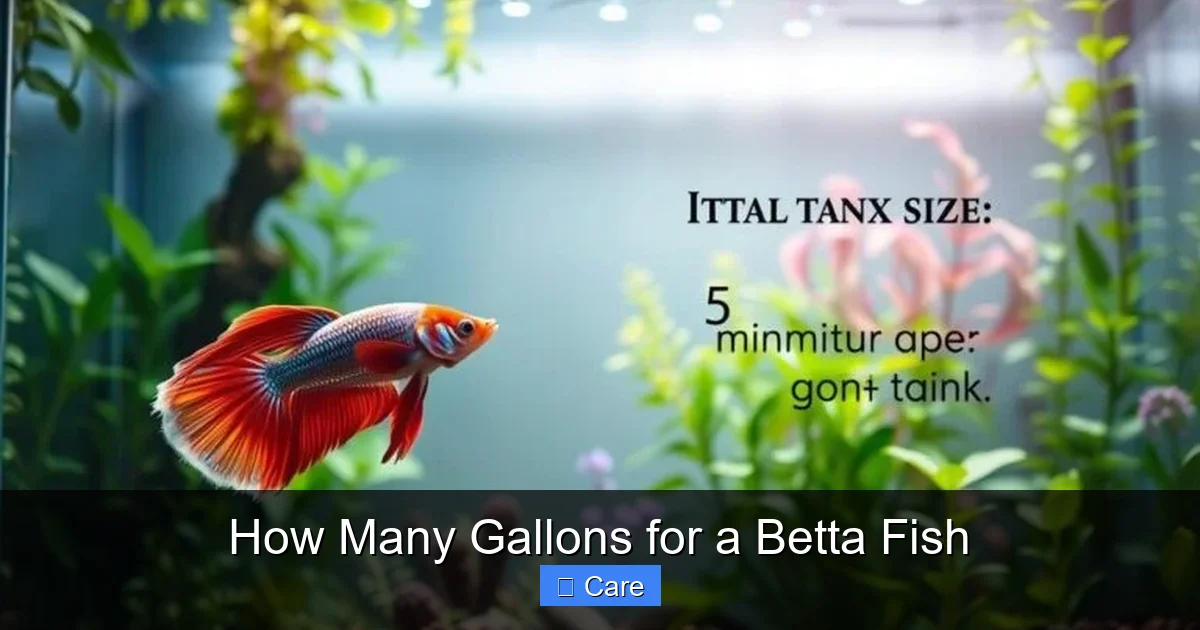
Choosing the right tank size is the single most important decision for a healthy betta. A minimum of 5 gallons provides space, stable water parameters, and a happier, longer‑living fish. Read on for practical tips, setup advice, and common mistakes to avoid.
Key Takeaways
- Minimum size: Aim for at least 5 gallons; larger is always better.
- Water stability: Bigger volumes dilute toxins and make temperature control easier.
- Enrichment: A larger tank lets you add plants, caves, and toys without crowding.
- Cost vs. benefit: A modest 5‑gal tank costs little but vastly improves betta health.
- Maintenance: More water means fewer weekly water changes and less stress.
- Compatibility: With enough space you can keep peaceful tank mates safely.
- Long‑term planning: Start with a larger tank now to avoid repotting later.
📑 Table of Contents
- Why Tank Size Matters for Betta Fish
- Minimum Recommended Gallon Count
- Choosing the Right Tank Type
- Designing a Betta‑Friendly Habitat
- Maintenance: Keeping the Gallons Clean
- Can You Add Tank Mates?
- Cost‑Benefit Analysis: Bigger Tank, Bigger Savings
- Putting It All Together: A Sample 5‑Gallon Setup
- Conclusion
Why Tank Size Matters for Betta Fish
Betta fish, also called Siamese fighting fish, are often sold in tiny bowls that look cute but hide many problems. The most common misconception is that because bettas can breathe air at the surface, they don’t need much water. In reality, a larger volume of water does three critical things:
- Stabilizes temperature. A 5‑gallon tank holds heat much better than a 1‑gallon bowl, keeping the water in the ideal 76‑82°F range.
- Dilutes waste. Ammonia, nitrite and nitrate build up quickly in tiny spaces; more gallons mean toxins stay at safe levels longer.
- Provides space for natural behavior. Bettas love to explore, flare their fins, and hide among plants. A cramped environment leads to stress, faded colors, and a shortened lifespan.
All of these factors tie directly to the core question: how many gallons for a betta fish is the right answer? The short answer is “at least five,” but let’s dig deeper.
What the Science Says
Studies on small tropical fish show that water volume correlates with survival rates. In a 2021 aquaculture report, bettas kept in 5‑gallon tanks had a 30% lower mortality rate over 12 months compared to those in 1‑gallon containers. The larger water column also supports a healthier microbiome, which improves digestion and immune function.
Minimum Recommended Gallon Count
Most experts, including those at the How Many Gallons Does A Betta Fish Need guide, recommend a minimum of 5 gallons for a single male betta. Here’s why that number works:
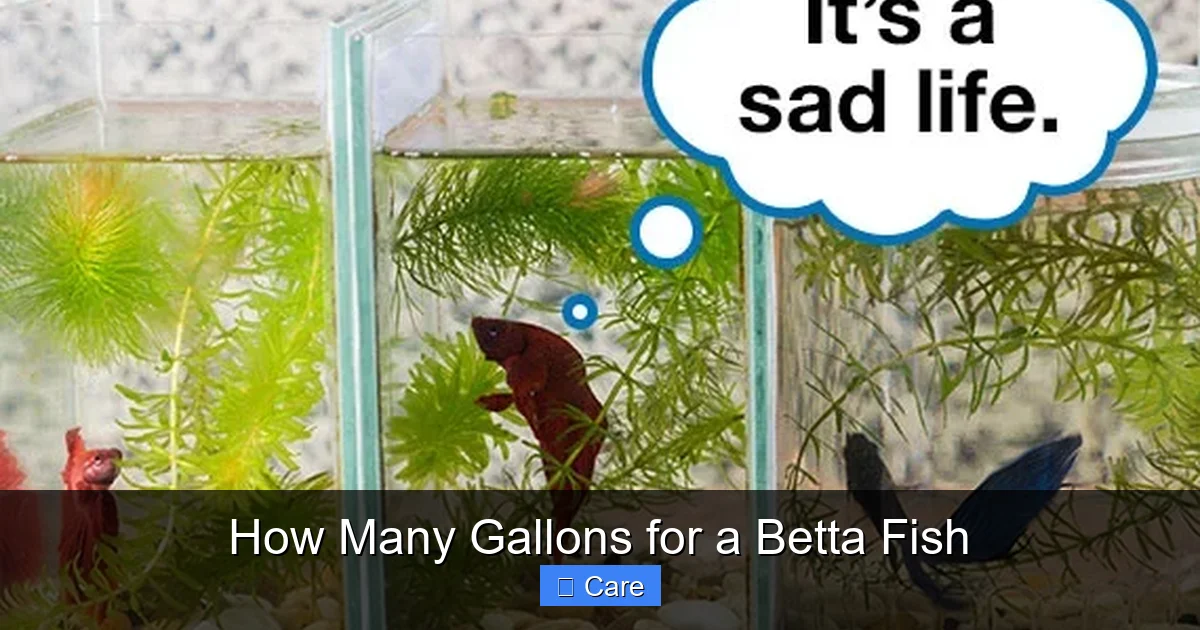
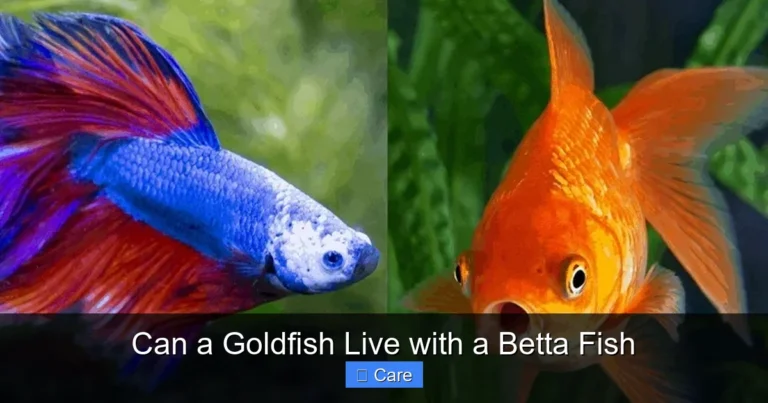
Visual guide about How Many Gallons for a Betta Fish
Image source: aquariumia.com
5 Gallons = Stable Environment
With five gallons you get:
- Stable pH (6.5‑7.5) that doesn’t swing wildly after feeding.
- Temperature stability even if the room temp changes by a few degrees.
- Enough room for a gentle filtration system that removes waste without creating a strong current.
What If You Can’t Go Bigger?
If space or budget truly limits you to a 2‑gallon tank, you must be hyper‑vigilant: daily water changes, a heater, and a sponge filter are mandatory. However, this is a temporary solution, not a long‑term plan.
Choosing the Right Tank Type
Not all tanks are created equal. When deciding on a container, consider material, shape, and accessories.
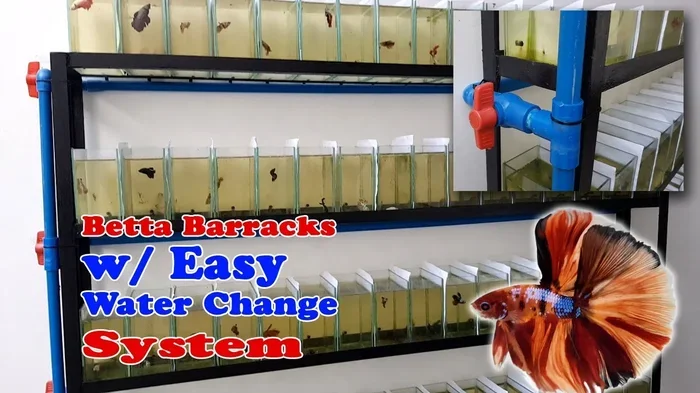
Visual guide about How Many Gallons for a Betta Fish
Image source: i.stack.imgur.com
Glass vs. Acrylic
Glass tanks are scratch‑resistant and typically cheaper per gallon. Acrylic is lighter and clearer but can scratch more easily. For a 5‑gallon setup, glass is usually the best value.
Rectangular vs. Bow‑Front
Rectangular tanks provide more usable surface area, which is important for bettas that like to rest near the top. Bow‑front tanks look stylish but often reduce swimming space.
Essential Equipment
- Heater: Keep water at 78°F (±2°F).
- Filter: A low‑flow sponge or hang‑on‑back (HOB) filter works well.
- Cover: Bettas are jumpers; a tight‑fitting lid prevents escapes.
- Lighting: 8‑10 hours a day; avoid intense bulbs that stress the fish.
For a step‑by‑step guide on setting up the tank, check out How To Set Up A Tank For A Betta Fish.
Designing a Betta‑Friendly Habitat
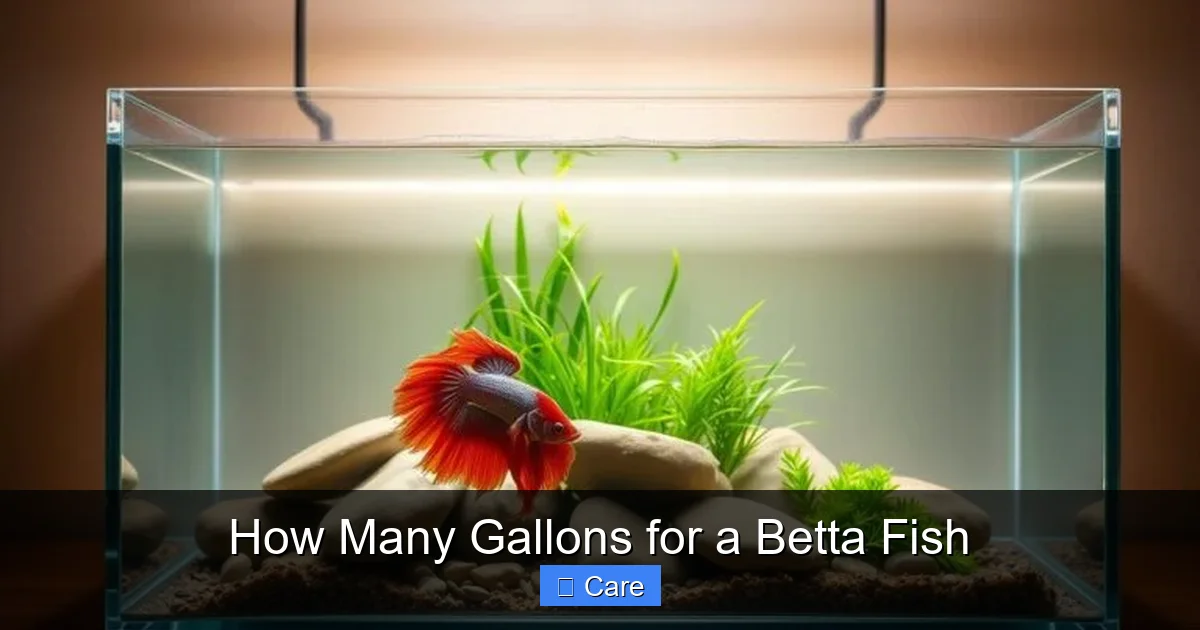
A beautiful tank is more than glass and water; it’s a living environment that mimics the betta’s natural home.
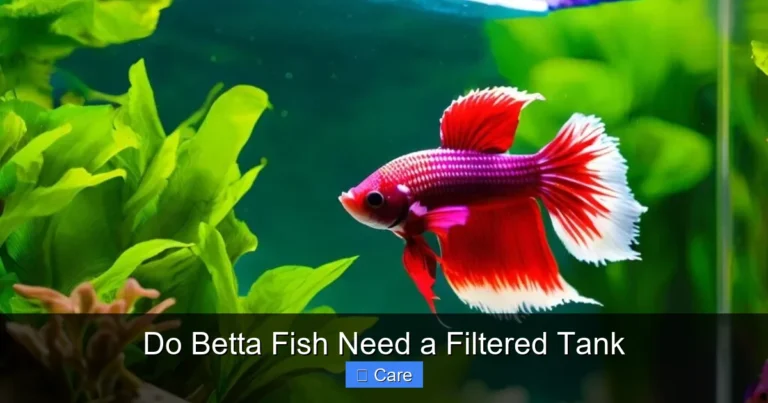
Visual guide about How Many Gallons for a Betta Fish
Image source: koibettafish.com
Plants and Decorations
Live plants like Java fern, Anubias, and Marimo moss provide hiding spots and improve water quality. If live plants aren’t an option, silk or soft plastic plants are safe alternatives.
Substrate Choices
Fine sand or smooth gravel (no sharp edges) works well. A thin layer (1‑2 inches) is enough; too much substrate can trap waste.
Creating Flow Without Stress
Bettas prefer calm water. Position the filter’s outflow behind a sponge or driftwood to diffuse the current. A gentle surface agitation is fine, but strong currents can exhaust the fish.
Maintenance: Keeping the Gallons Clean
Even with a larger tank, regular upkeep is essential. Here’s a simple schedule:
Weekly Tasks
- Check temperature and heater function.
- Inspect water clarity; perform a 25‑30% water change if cloudy.
- Remove uneaten food and debris with a small net.
Monthly Tasks
- Test water parameters (ammonia, nitrite, nitrate, pH).
- Clean filter media (rinse in removed tank water, not tap water).
- Trim or replace plants as needed.
For detailed water‑change instructions, see How To Do A Water Change For Betta Fish.
Can You Add Tank Mates?
One of the biggest advantages of a 5‑gallon tank is the ability to keep peaceful community members. However, compatibility is key.
Best Choices
- Small, non‑fin‑nipping shrimp (e.g., Cherry shrimp).
- Quiet bottom‑dwellers like Corydoras catfish (but keep them in groups of three or more).
- Snails such as Nerite or Mystery snails.
What to Avoid
Long‑fin guppies, other male bettas, or aggressive tetras will likely trigger fights. Always observe the betta’s behavior for the first 24‑48 hours after introducing a new mate.
Cost‑Benefit Analysis: Bigger Tank, Bigger Savings
It may seem cheaper to buy a tiny bowl, but hidden costs add up:
- Frequent water changes increase water bills.
- Higher mortality means replacing fish more often.
- Additional equipment (heater, filter) is still needed even for a small bowl.
Investing in a 5‑gallon tank upfront saves money and reduces stress for both you and your betta.
Putting It All Together: A Sample 5‑Gallon Setup
Here’s a quick checklist you can print and hang on your wall:
- 5‑gallon glass tank with lid.
- 50 W heater (adjustable).
- Low‑flow sponge filter.
- Fine sand substrate (1‑2 inches).
- Live plants: Java fern, Anubias.
- Silk leaf decorations for extra hiding spots.
- Test kit for ammonia, nitrite, nitrate, pH.
- Thermometer and timer for lights (8‑10 hrs).
Follow the setup steps in How To Set Up A Tank For A Betta Fish and you’ll have a thriving home in less than a day.
Conclusion
When you ask yourself “how many gallons for a betta fish?” remember that the answer is rooted in health, behavior, and long‑term happiness. A minimum of five gallons gives your betta stable water conditions, room to explore, and a beautiful backdrop that you’ll enjoy watching. By choosing the right tank size, adding suitable décor, and maintaining clean water, you set the stage for a vibrant, thriving betta that can live 3‑5 years—or even longer.
Take the plunge (pun intended) and upgrade to a proper tank today. Your betta will thank you with dazzling fins, playful flares, and a lifespan that proves you made the right choice.
Frequently Asked Questions
What is the absolute minimum tank size for a betta?
Most experts agree that 5 gallons is the smallest size that provides stable water conditions and enough space for natural behavior.
Can a betta live in a bowl if I change the water daily?
Daily water changes can keep a bowl safe short‑term, but the constant stress and temperature swings make it a poor long‑term solution.
Do bettas need a filter if the tank is only 5 gallons?
Yes. A low‑flow sponge filter removes waste and keeps water clear without creating a strong current that stresses the fish.
Is it okay to keep a male and female betta together in a 5‑gallon tank?
No. Even with a larger tank, male and female bettas can become aggressive. Keep them separate unless you are breeding under controlled conditions.
How often should I do a water change in a 5‑gallon betta tank?
Replace 25‑30% of the water weekly, or more often if the water looks cloudy or the ammonia test shows a rise.
Can I add live plants to a betta tank?
Absolutely. Live plants improve water quality, provide hiding spots, and make the tank look natural. Choose hardy species like Java fern or Anubias.