How Do You Know When Your Betta Fish Is Stressed
Knowing how do you know when your betta fish is stressed can save its life. Stressed betta fish show warning signs like clamped fins, loss of appetite, hiding, and color fading. This guide covers the top stress causes, how to spot them early, and simple steps to keep your betta calm and healthy.
Your betta fish can’t tell you when something is wrong. But their body language speaks volumes. If you have ever wondered how do you know when your betta fish is stressed, you are in the right place. Stress in betta fish is more common than most owners think, and it can lead to serious health problems if ignored.
Betta fish are beautiful, lively creatures that bring joy to any room. But they are also sensitive animals that react strongly to their environment. When something in their tank feels off, they show it through changes in behavior, appearance, and appetite. The good news is that most stress triggers are easy to fix once you know what to look for.
This guide walks you through every sign of a stressed betta fish. You will learn what causes stress, how to tell the difference between stress and sickness, and exactly what to do about it. By the end, you will feel confident keeping your betta happy and healthy for years to come.
Key Takeaways
- Watch for physical signs: Clamped fins, faded colors, rapid breathing, and stress stripes are clear indicators your betta is stressed.
- Behavior changes matter: Hiding, lethargy, aggression, and loss of appetite are common stress behaviors in betta fish.
- Tank conditions drive stress: Poor water quality, wrong temperature, small tanks, and aggressive tank mates are the leading causes.
- Quick action helps: Fixing water parameters and reducing stimuli can relieve stress fast and prevent serious illness.
- Prevention is key: A well-planned tank setup with proper hiding spots, stable conditions, and a good diet keeps stress levels low.
📑 Table of Contents
- Common Signs Your Betta Fish Is Stressed
- What Causes Stress in Betta Fish
- How to Tell the Difference Between Stress and Illness
- How to Reduce Stress in Your Betta Fish
- Creating a Stress-Free Environment for Your Betta
- When to Seek Help for Your Stressed Betta
- Common Mistakes That Cause Betta Stress
- Final Thoughts on Recognizing Betta Stress
Common Signs Your Betta Fish Is Stressed
Spotting stress early makes all the difference. Bettas show warning signs in both their body and behavior. Here are the most common indicators to watch for.
Clamped Fins
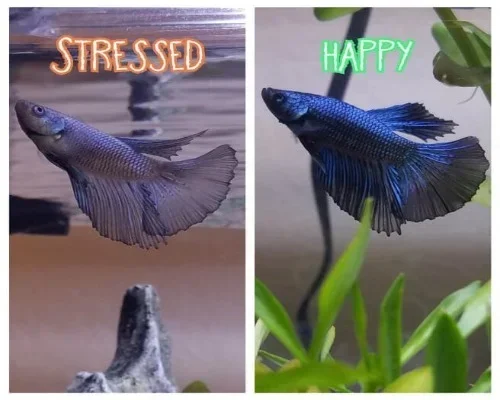
One of the earliest and most obvious signs is clamped fins. When a betta holds its fins tightly against its body instead of spreading them out, something is wrong. Healthy bettas display wide, flowing fins with pride. Clamped fins often signal discomfort or anxiety in the tank.
Faded or Dull Color
A vibrant betta should show bright, bold colors. When stress kicks in, their colors fade significantly. You might notice your fish looking pale or washed out. This color loss happens because stress hormones affect pigment cells. If your betta starts looking dull, it is time to investigate what is causing the problem.
Stress Stripes
Stress stripes are dark horizontal lines that appear along a betta’s body. These stripes are especially common in female bettas but can show up in males too. They appear when the fish feels threatened or uncomfortable. Think of them as a visible cry for help. If you see these lines, check your tank conditions right away.
Loss of Appetite
Betta fish are generally eager eaters. A stressed betta often refuses food or eats much less than usual. If your fish ignores pellets or flakes it normally devours, stress could be the culprit. A loss of appetite weakens the immune system fast, so do not wait too long to address this sign.
Lethargy and Hiding
Healthy bettas are curious and active. They explore their tank and interact with their surroundings. A stressed betta becomes lethargic and hides behind decorations or stays in one corner. If your fish suddenly stops moving around, something in the environment is making it uncomfortable.
Rapid Breathing or Gasping
If you notice your betta breathing quickly or gasping at the surface, this is a red flag. Rapid gill movement often points to poor water quality or low oxygen levels. Both conditions create immense stress. This sign should be addressed immediately to prevent further health decline.
Aggressive or Erratic Behavior
A stressed betta may flare at nothing, dart around the tank, or crash into decorations. Erratic swimming patterns show that your fish feels threatened or disoriented. Some bettas also become unusually aggressive toward their own reflection or tank mates when stressed.
What Causes Stress in Betta Fish
Understanding the root causes of stress helps you prevent problems before they start. Bettas get stressed for many reasons, and most of them are tied to their living environment.
Poor Water Quality
Dirty water is the number one stressor for betta fish. Ammonia and nitrite buildup in an unclean tank damages their gills and skin. Even small amounts of these toxins cause immense discomfort. Regular water changes and proper filtration keep the water safe and comfortable for your betta.
Wrong Water Temperature
Betta fish are tropical creatures that need warm water. The ideal temperature range is between 78 and 80 degrees Fahrenheit. Water that is too cold slows their metabolism and makes them sluggish. Water that is too hot reduces oxygen levels and causes breathing problems. A reliable heater and thermometer are essential for every betta tank.
Too Small of a Tank
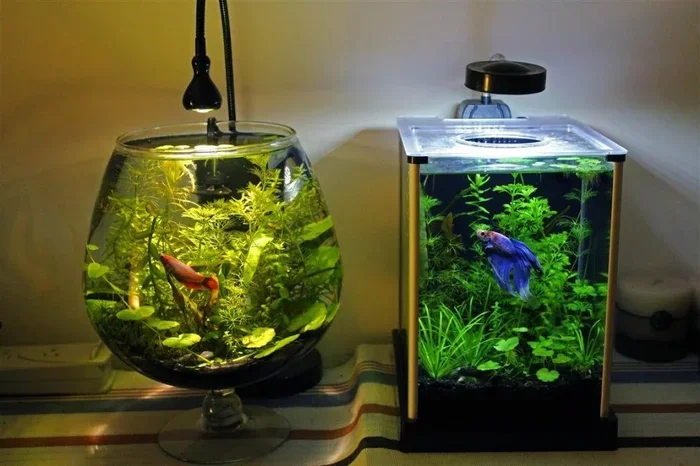
Many people keep bettas in tiny bowls or vases, but this is a recipe for stress. Bettas need at least 5 gallons of space to thrive. A cramped tank limits movement, concentrates toxins faster, and gives the fish no room to explore. A larger tank dramatically improves your betta’s quality of life.
Aggressive Tank Mates
Bettas are known for their territorial nature. Housing them with aggressive fish causes constant stress and fear. Even certain peaceful fish can nip at betta fins and trigger anxiety. Choosing compatible tank mates or keeping your betta alone in a well-planted tank is the safest option.
Bright Lights and Loud Noises
Bettas need a regular day-and-night cycle. Constant bright lighting or placing the tank near a television or speaker creates a stressful environment. Excessive noise and light vibrations make bettas feel on edge. A calm, dimly lit space helps them feel safe and relaxed.
Sudden Changes in the Tank
Bettas are creatures of habit. Rearranging decorations, adding new fish, or changing the filter all at once can shock them. These disruptions make them feel unsafe in their own home. Any changes to the tank should be done gradually to minimize stress.
How to Tell the Difference Between Stress and Illness
Stress and illness often look similar in betta fish, which makes diagnosis tricky. Understanding the difference helps you choose the right response.
Stress is usually a reaction to something in the environment. Once you remove the stressor, the fish often recovers within days. Signs like clamped fins, faded color, and hiding point strongly toward stress rather than disease.
Illness, on the other hand, involves physical symptoms that persist even after you fix the tank conditions. Look for white spots, fuzzy growths, swollen body parts, or visible parasites. If your betta shows disease symptoms alongside stress signs, you may be dealing with both issues at once.
For more information on identifying illness, check out how do you know if your betta fish is sick and how do you know if your betta fish is dying. These guides help you distinguish between stress-related behavior and serious health conditions.
How to Reduce Stress in Your Betta Fish
The moment you notice stress signs, take action. Quick responses prevent stress from turning into disease. Here are the most effective ways to calm a stressed betta.
Test and Fix Water Parameters
Start by testing your water for ammonia, nitrite, and nitrate levels. Ammonia and nitrite should always read zero. Nitrates should stay below 20 parts per million. If any levels are off, perform a 25 to 50 percent water change immediately. Use a water conditioner to remove chlorine and chloramine from tap water before adding it to the tank.
Adjust the Temperature
Check your tank thermometer and make sure the water falls within the ideal range. If the water is too cool, adjust your heater slowly. Avoid sudden temperature swings, as these can shock your betta further. A stable, warm environment is one of the best stress relievers for betta fish.
Add Hiding Spots and Plants
Bettas feel safer in tanks with plenty of cover. Live or silk plants, caves, and driftwood give your fish places to retreat and feel secure. Avoid sharp plastic decorations that can tear delicate fins. A well-decorated tank mimics the betta’s natural habitat and reduces anxiety significantly.
Reduce Noise and Light Exposure
Move the tank away from speakers, televisions, and high-traffic areas. Install a timer for your aquarium light so your betta gets a consistent 8 to 10 hours of light per day. Dimming the room lights in the evening helps your fish settle down and rest properly.
Feed a Balanced Diet
Nutrition plays a big role in stress recovery. Offer high-quality betta pellets as the staple diet and supplement with frozen or live foods like brine shrimp and bloodworms. A varied diet boosts the immune system and encourages natural feeding behavior. Avoid overfeeding, which can pollute the water and cause additional stress.
Creating a Stress-Free Environment for Your Betta
Prevention is always better than cure. Building a stress-free tank setup from the start saves you a lot of worry and keeps your betta thriving.
Choose the Right Tank Size
A 5-gallon tank is the minimum for a single betta. Larger tanks, such as 10 or 20 gallons, provide even more stability in water parameters and more swimming space. A bigger tank also gives you more room to design a stimulating environment with plants and decorations.
Maintain a Consistent Cleaning Schedule
Regular maintenance keeps stress triggers at bay. Test your water weekly and perform partial water changes every one to two weeks. Clean the gravel with a siphon to remove waste buildup. Wipe the glass to keep the view clear without disturbing your fish too much.
Provide Mental Stimulation
Bettas are smarter than people give them credit for. Adding gentle water flow, floating plants, and interactive decorations keeps their minds active. Some owners even teach their bettas to follow their finger or eat from their hand. This kind of engagement strengthens the bond and keeps boredom-related stress away. Learn more about how to play with your betta fish for fun bonding ideas.
Monitor Your Betta Daily
Spend a few minutes each day observing your betta. Watch how it swims, eats, and interacts with its surroundings. Catching small changes early lets you address problems before they escalate. A quick daily check becomes a habit that pays off in your fish’s long-term health.
When to Seek Help for Your Stressed Betta
Sometimes home adjustments are not enough. If your betta shows no improvement after fixing water conditions and tank setup, it may be time to consult a veterinarian or experienced aquarist. Persistent stress can weaken the immune system and open the door to infections and diseases.
If your fish stops eating entirely for more than two days, develops visible lesions, or struggles to swim, seek professional advice immediately. The faster you act, the better the chances of a full recovery. For guidance on handling severe cases, visit what to do when your betta fish is dying for emergency care steps.
Common Mistakes That Cause Betta Stress
Many well-meaning owners accidentally stress their bettas without realizing it. Avoid these common pitfalls to keep your fish comfortable.
- Keeping the betta in a bowl smaller than 3 gallons. This is far too small and causes chronic stress.
- Skipping water conditioner. Tap water contains chemicals that harm bettas and raise stress levels.
- Overcrowding the tank. Even if tank mates seem peaceful, too many fish creates tension.
- Feeding only flakes. Betta fish need protein-rich diets. Flakes alone do not meet their nutritional needs.
- Ignoring temperature fluctuations. Room temperature changes throughout the day can stress your betta without you noticing.
- Tapping on the glass. This startles bettas and makes them feel threatened every single time.
For a deeper dive into betta fish care basics, explore how do you care for a betta fish. This comprehensive guide covers everything from feeding schedules to tank setup.
Final Thoughts on Recognizing Betta Stress
Learning how do you know when your betta fish is stressed is one of the most important skills every betta owner should have. Your fish depends on you to read its signals and create a safe home. From clamped fins and faded colors to hiding and loss of appetite, the signs are there if you know where to look.
The good news is that most stress causes are within your control. Clean water, proper temperature, enough space, and a calm environment go a long way toward keeping your betta healthy and happy. Small adjustments make a big difference, and your fish will reward you with vibrant colors and lively behavior.
Pay attention to your betta every day. The more you observe, the better you understand its unique personality and needs. A stress-free betta is a beautiful, active, and long-living companion that brings endless joy to your home. Start making changes today, and watch your betta thrive.
Frequently Asked Questions
What are the first signs of stress in a betta fish?
The first signs usually include clamped fins, faded color, and hiding more than usual. Your betta may also eat less or become less active overall. These early warning signs appear before more serious symptoms develop, so catching them quickly gives you time to fix the problem.
Can stress kill a betta fish?
Yes, prolonged stress weakens the immune system and makes bettas vulnerable to diseases that can be fatal. Chronic stress from poor water quality or an unsuitable tank environment shortens their lifespan significantly. Addressing stress early prevents it from escalating into life-threatening conditions.
How long does it take for a betta fish to recover from stress?
Most bettas show improvement within a few days once the stressor is removed. Full recovery depends on the severity and duration of the stress. Providing clean water, stable temperatures, and a calm environment speeds up the healing process considerably.
Do betta fish get stressed from loneliness?
Bettas are solitary fish and do not need companions. They do not get lonely in the way humans do. However, boredom from an unstimulating tank can cause stress. Adding plants, decorations, and gentle interaction with their owner keeps them mentally engaged and content.
Is it normal for a betta fish to hide after a tank change?
Yes, some hiding after a tank change is normal and temporary. Bettas are sensitive to changes in their environment and may feel uncertain at first. If the hiding lasts more than a few days, check your water parameters and make sure conditions match their needs.
What tank mates are safe for a stressed betta?
Peaceful, non-fin-nipping species like snails, shrimp, and certain small schooling fish work best. Always introduce new tank mates slowly and monitor interactions closely. A stressed betta may need time alone in a well-planted tank before being ready for companions again.