How Do You Play with Your Betta Fish
Playing with your betta fish isn’t just about watching them glide; it’s about creating a stimulating environment that mimics their natural habits. From simple mirror games to DIY obstacle courses, these activities keep your betta active, reduce stress, and strengthen your bond.
Key Takeaways
- Enrichment matters: Regular play prevents boredom and promotes a healthier betta.
- Safe toys only: Use non‑toxic, smooth‑edged items to avoid fin damage.
- Observe behavior: A happy betta shows bright colors and active swimming.
- Training is possible: Simple tricks like “follow the finger” can be taught with patience.
- Water quality first: Clean water is the foundation for any play activity.
- Rotate activities: Changing toys weekly keeps curiosity alive.
- Know the limits: Over‑stimulation can stress a betta; keep sessions short.
📑 Table of Contents
- Introduction: Why Play Matters for Betta Fish
- 1. Setting the Stage: Preparing a Play‑Friendly Habitat
- 2. Simple Interactive Games You Can Try Today
- 3. Training Your Betta: Simple Tricks That Impress
- 4. DIY Enrichment Projects You Can Build at Home
- 5. Reading Your Betta’s Signals: When Play Is Good, When It’s Too Much
- 6. Integrating Play with Everyday Care Routines
- Conclusion: Making Play a Lifelong Habit
Introduction: Why Play Matters for Betta Fish
Betta fish, often called Siamese fighting fish, are famous for their vivid colors and flowing fins. Many owners think they are solitary creatures that only need a tank and food. While they do thrive in calm environments, bettas are also curious and intelligent. Providing enrichment through play can boost their immune system, showcase their natural behaviors, and make you a more engaged caregiver.
In this guide we answer the question how do you play with your betta fish by breaking down safe toys, simple training exercises, and creative habitat tweaks. Think of it as a playbook you can use daily, just like you would with a dog or cat.
1. Setting the Stage: Preparing a Play‑Friendly Habitat
Clean Water Is the Foundation
Before you add any toys or start a training session, make sure the water is pristine. Poor water quality can cause stress, making even the most gentle play feel like a threat. Follow our step‑by‑step guide on how do you change a betta fish water to keep parameters stable.
Tank Size and Layout
A 5‑gallon long tank provides enough swimming room for most activities. Avoid overcrowding with decorations; leave open lanes for your betta to chase a floating lure or swim through a tunnel.
Choosing Safe Toys
- Silicone or plush ornaments: Soft enough not to tear fins.
- Floating ping‑pong balls: Light and buoyant, perfect for “chase the ball” games.
- Mirror tiles (small): Use for short bursts to trigger natural curiosity.
Never use sharp plastic, metal, or anything that could break apart. If you’re unsure, test the toy in a separate container first.
2. Simple Interactive Games You Can Try Today
Mirror Play – “Who’s That Pretty Fish?”
Betta fish love to see their reflection. Hold a small mirror (about 2 inches wide) near the water surface for 30 seconds, then remove it. Watch your betta flare its fins and explore. This short burst mimics a social encounter and can be repeated 2‑3 times a week.
Floating Lure Chase
Use a tiny, brightly colored feather or a piece of cut‑up foam from a clean, non‑toxic container. Gently move it across the top of the water. Your betta will instinctively chase, giving its muscles a good workout. Rotate colors to keep interest high.
Bubble Trails
A gentle air stone creates a slow stream of bubbles. Betta fish often follow these bubbles, treating them like a moving target. This activity is especially useful for shy bettas that need confidence building.
Obstacle Course
Arrange smooth PVC pipes or aquarium-safe tunnels in a “U” shape. Encourage your betta to swim through by placing a small treat (like a frozen brine shrimp) at the far end. This stimulates problem‑solving and mimics natural reef navigation.
3. Training Your Betta: Simple Tricks That Impress
Why Train a Betta?
Training is not about competition; it’s about mental stimulation. A betta that can follow a finger or respond to a cue is less likely to develop stress‑related illnesses.
Step‑by‑Step: “Follow the Finger”
- Place your hand just above the water, palm down.
- Move your finger slowly across the surface while watching for the betta’s attention.
- When the fish follows, reward it with a tiny piece of bloodworm.
- Repeat for 5‑minute sessions, twice a day.
Consistency is key. Within a week most bettas will start anticipating the movement.
Target Training with a Colored Ping‑Pong Ball
Attach a small dab of non‑toxic, waterproof paint to a ping‑pong ball. Place the ball at one end of the tank and use a treat to lure the betta to touch it with its nose. Over time, you can move the ball to new spots, teaching the fish to “go to” a location on cue.
4. DIY Enrichment Projects You Can Build at Home
Floating Leaf Rafts
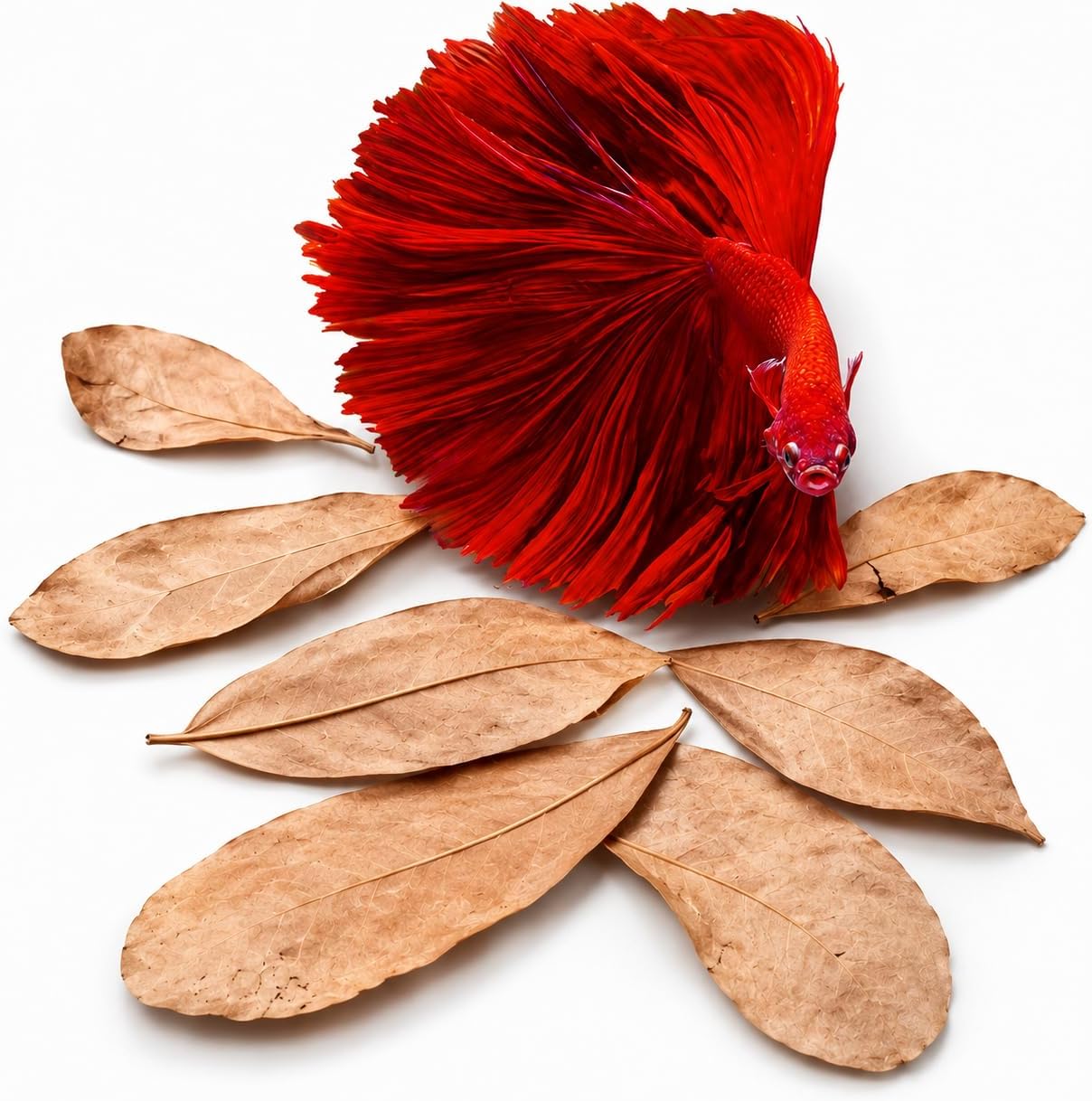
Collect natural leaves (e.g., Indian almond) that have been boiled and sterilized. Place them gently on the water surface. Betta fish love to explore the texture and may rest on them, providing a natural hiding spot.
Mini “Treasure Chest”
Use a small, clean plastic container with a lid cut off. Fill it with a few live or frozen daphnia. The betta will learn to peck at the opening, turning feeding time into a puzzle.
Color‑Changing Background
Swap the tank background paper weekly. Bright blues, greens, or soft pastels can stimulate visual interest. Just make sure the paper is aquarium‑safe and does not release chemicals.
5. Reading Your Betta’s Signals: When Play Is Good, When It’s Too Much
Signs of a Happy Betta
A vibrant, flaring fin display, active swimming, and a relaxed posture indicate enjoyment. For more details, see how do you know if your betta fish is happy.
Stress Indicators
If you notice constant hiding, faded colors, or rapid gill movement, pause the activity. Over‑stimulation can lead to stress hormones that weaken the immune system.
When to Stop a Session
- After 5‑10 minutes of active play.
- If the betta starts to ignore the toy or seems agitated.
- When water quality begins to drop (check ammonia and nitrite levels).
6. Integrating Play with Everyday Care Routines
Combine Feeding with Enrichment
Scatter a few pellets in a floating maze or hide them under a leaf. This turns a regular feeding into a scavenger hunt.
Link Play to Water Changes
During a water change, introduce a new toy or rearrange decorations. The fresh environment will spark curiosity and make the maintenance process less stressful for your fish.
Tracking Progress
Keep a simple log: date, activity, duration, and any noticeable behavior changes. Over weeks you’ll see patterns that help you fine‑tune your play schedule.
Conclusion: Making Play a Lifelong Habit
Answering the question how do you play with your betta fish is simpler than you might think. With a clean tank, safe toys, and a few minutes of daily interaction, you can transform your betta’s life from passive to vibrant. Remember to watch for signs of happiness, rotate activities, and keep sessions short. Your betta will reward you with brighter colors, lively swims, and a bond that feels almost human.
Ready to start? Pick one toy from the list, set a timer for five minutes, and watch the magic happen. Your betta’s next happy flare is just a game away.
Frequently Asked Questions
What type of toys are safest for betta fish?
Soft silicone ornaments, floating ping‑pong balls, and smooth plastic decorations are safe. Avoid anything sharp or that can break into small pieces.
How long should a play session last?
Keep sessions between 5 and 10 minutes. Short bursts prevent stress while still providing mental stimulation.
Can I use live plants as part of play?
Yes, live or sterilized floating plants add texture and hiding spots. Just ensure they are aquarium‑safe and free of pesticides.
Will my betta get bored if I repeat the same game?
Betta fish thrive on variety. Rotate toys and change the location of enrichment items at least once a week.
How do I know if my betta is stressed from play?
Watch for faded colors, constant hiding, rapid gill movement, or loss of appetite. If you see these signs, pause the activity and check water quality.
Is it okay to train my betta to do tricks?
Absolutely! Simple tricks like “follow the finger” or target training are safe and provide great mental exercise.