How Do You Know If Your Betta Fish Is Dying
Wondering how do you know if your betta fish is dying? Look for changes in color, behavior, and water conditions. This guide breaks down the most common signs, explains why they happen, and gives you step‑by‑step actions to rescue a struggling betta. Act fast, and you could turn a sad ending into a happy, healthy swim.
Key Takeaways
- Observe behavior daily: Lethargy, loss of appetite, or frantic swimming are early red flags.
- Check water quality: Bad ammonia, nitrite, or pH swings are often the root cause of decline.
- Look for physical changes: Faded colors, torn fins, bloating, or abnormal growths signal trouble.
- Act quickly with a quarantine tank: Isolating a sick betta prevents disease spread and lets you treat safely.
- Maintain a proper diet: Over‑feeding or low‑quality foods can weaken immune response.
- Regular tank maintenance: Weekly water changes and clean substrate keep stress low.
- Know when to seek professional help: Persistent symptoms despite treatment may need a vet or experienced hobbyist.
📑 Table of Contents
Introduction
Betta fish are the rock stars of the aquarium world—bright, feisty, and surprisingly hardy. Yet, even the toughest performer can stumble if the stage isn’t set right. If you’ve ever asked yourself, “how do you know if your betta fish is dying?” you’re not alone. Many owners mistake normal betta quirks for serious illness, or they miss subtle warning signs until it’s too late.
In this article we’ll walk through every clue your betta gives you, explain why those clues matter, and show you simple, budget‑friendly steps to turn a dying fish into a thriving one. Think of it as a friendly chat over a cup of tea, with plenty of real‑world examples and quick fixes you can try right now.
1. Spotting Behavioral Red Flags
1.1 Lethargy and Hiding
A healthy betta is an explorer. It flares its fins, darts around, and even does the “bubble nest” dance. When you notice your betta spending most of the day at the bottom, barely moving, or hiding under decorations, it’s a strong indicator that something is wrong.
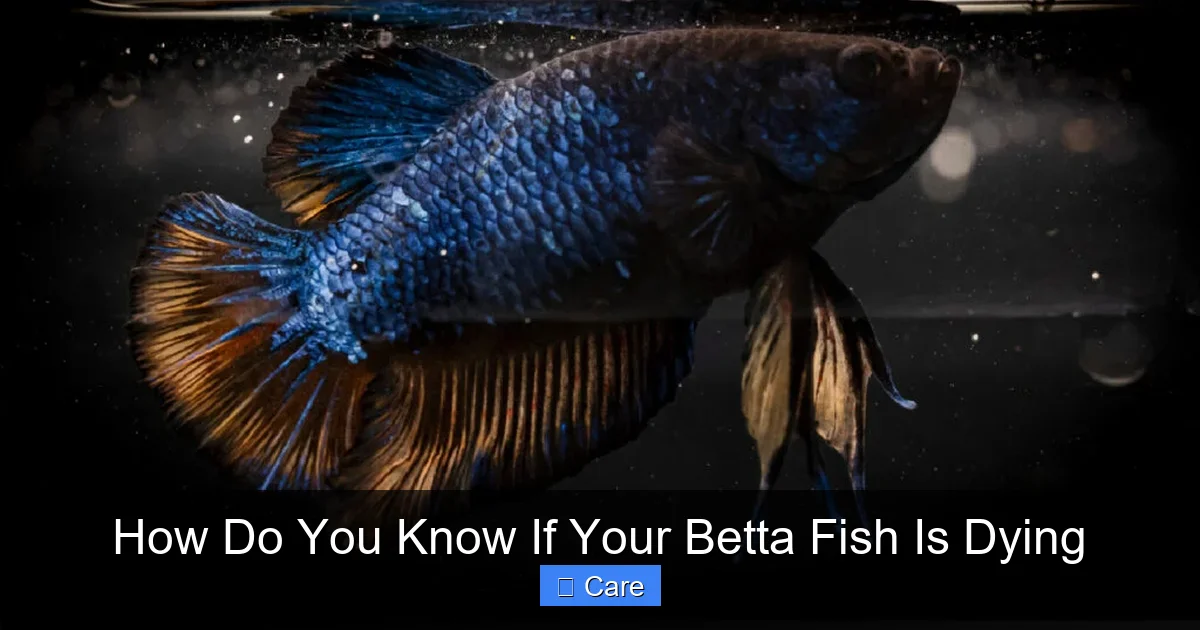
Visual guide about How Do You Know If Your Betta Fish Is Dying
Image source: bettacarefishguide.com
Why it matters: Lethargy often means the fish is stressed, low on oxygen, or fighting an infection.
1.2 Loss of Appetite
Betta fish have a strong instinct to eat. If your betta ignores food for more than 24‑48 hours, it’s a warning sign. Try offering a tiny piece of bloodworm or a high‑quality betta pellet; if it still refuses, the problem is likely internal.
1.3 Erratic Swimming
Sudden darting, swimming upside‑down, or swimming in circles can signal swim‑bladder disease, water toxicity, or neurological issues. Observe the pattern: is it constant or only after feeding?
1.4 Aggressive or “Floppy” Fins
Betta fins are usually proud and full. Torn, ragged, or “floppy” fins often mean bacterial or fungal infection, or injuries from sharp décor.
2. Physical Symptoms That Can’t Be Ignored
2.1 Color Fading or Dark Spots
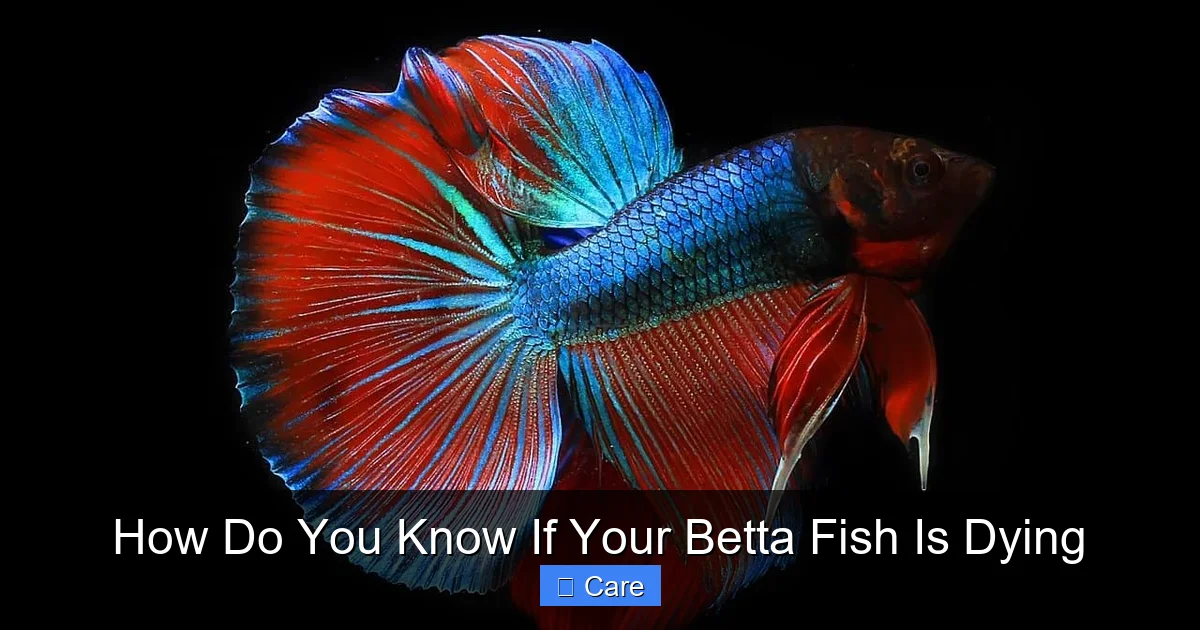
Betta colors are a health barometer. A sudden dulling, loss of iridescence, or darkening of the body can indicate stress, poor water, or disease. Conversely, bright, vivid colors usually mean the fish is thriving.
Visual guide about How Do You Know If Your Betta Fish Is Dying
Image source: aquariadise.com
2.2 Bloating and Swelling
Abdominal swelling—often called “pop‑eye” when the eyes bulge—is a classic sign of constipation, internal parasites, or organ failure. Gently feel the belly; if it feels firm and round, act fast.
2.3 White or Grayish Growths
White spots (ich) or cotton‑like patches (fungus) are visible infections. Early detection is key; treat with appropriate medication within 24 hours of spotting.
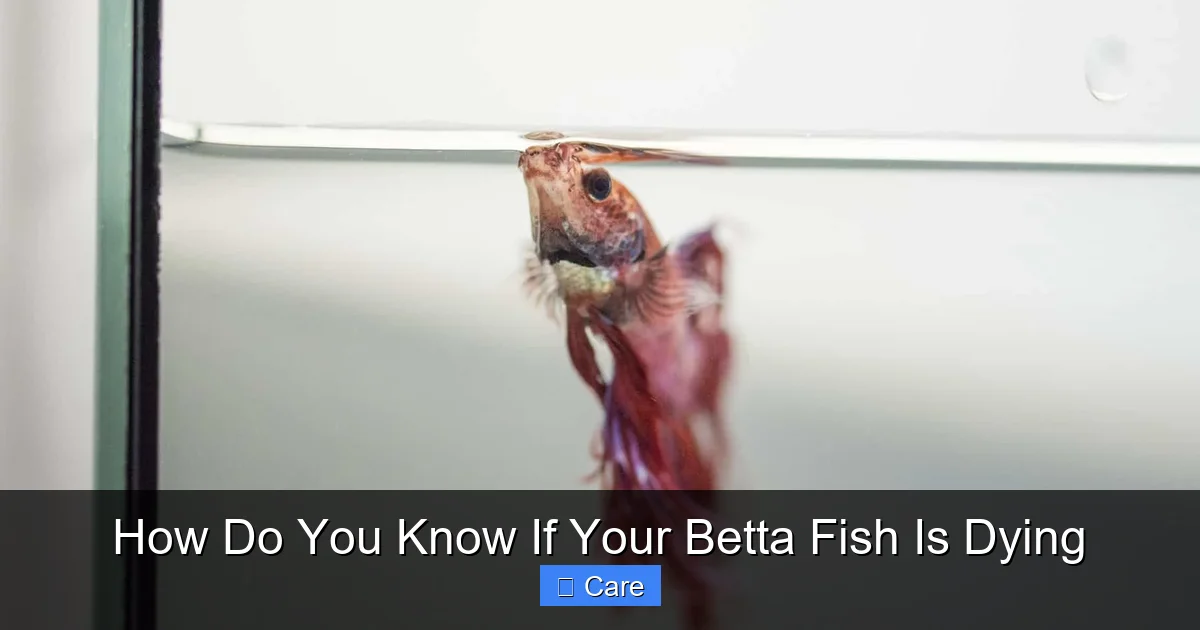
2.4 Gasping at the Surface
If your betta constantly jumps to the water’s surface, it’s desperate for oxygen. This can be caused by low dissolved oxygen, high ammonia, or a clogged filter.
3. Water Quality – The Silent Killer
3.1 Ammonia, Nitrite, and Nitrate Levels
Even a tiny ammonia spike (above 0 ppm) can stress a betta within hours. Test weekly with a liquid test kit. If ammonia reads above 0.25 ppm, perform an immediate 25‑50 % water change and consider a carbon filter.
Visual guide about How Do You Know If Your Betta Fish Is Dying
Image source: expertaquarist.com
3.2 pH and Temperature
Betta fish thrive in a pH of 6.5‑7.5 and a temperature of 78‑80 °F (25‑27 °C). A sudden drop in temperature can cause shock; a rise above 82 °F speeds up bacterial growth. Use a reliable heater and a thermometer; adjust slowly to avoid stress.
3.3 Hardness and Salinity
Soft water (low GH) is generally fine, but extremely soft water can stress the fish’s gills. Adding a pinch of aquarium salt (½ tsp per 5 gal) can help with minor bacterial infections and reduce stress.
3.4 Filtration and Flow
Betta fish are “labyrinth” species and prefer calm water. Too strong a current can exhaust them, while stagnant water promotes waste buildup. Use a gentle sponge filter or a low‑flow power filter with a baffle.
4. Nutrition – Feeding Right to Keep Them Alive
4.1 Quality Over Quantity
Cheap pellets often contain fillers that irritate the gut. Opt for high‑protein betta pellets (≥ 45 % protein) or frozen/live foods like bloodworms, daphnia, and brine shrimp.
4.2 Feeding Schedule
Feed small portions twice a day. Overfeeding leads to uneaten food, which decomposes into ammonia—one of the fastest ways to kill a betta.
4.3 Treats and Supplements
Occasional treats boost color and immunity. Add a pinch of vitamin‑rich algae or a commercial betta supplement once a week.
4.4 Fasting for Digestive Issues
If your betta shows signs of bloating, skip feeding for 24 hours, then offer a peeled, blanched pea to act as a natural laxative.
5. Immediate Steps When You Suspect Death Is Near
5.1 Isolate the Fish
Move the betta to a clean, 2‑gal quarantine tank with fresh, conditioned water. This prevents disease spread and lets you treat without harming tank mates.
5.2 Perform a Rapid Water Test
Check ammonia, nitrite, and pH. If any parameter is off, do a 50 % water change with temperature‑matched water.
5.3 Administer Medication
For bacterial infections, use a broad‑spectrum antibiotic (e.g., Maracyn‑Two). For fungal or ich, add a fungicide (e.g., Pimafix) or ich medication following the label dosage.
5.4 Adjust Environment
Reduce lighting to 6‑8 hours per day, keep the water temperature stable, and add hiding spots like a small plant or cave.
5.5 Monitor Closely
Check the fish every 2 hours for the first 24 hours. Look for improvements in swimming, appetite, and coloration. If no change after 48 hours, consider consulting an aquatic veterinarian.
6. Long‑Term Prevention Strategies
6.1 Routine Maintenance
- Change 25‑30 % of water weekly.
- Clean substrate with a siphon to remove debris.
- Replace filter media every 4‑6 weeks.
6.2 Regular Health Checks
Spend 5 minutes each day watching your betta. Quick visual scans catch problems early.
6.3 Proper Tank Setup
Use a tank of at least 5 gallons; larger volume dilutes toxins. Provide a lid to prevent jumping, a gentle heater, and low‑flow filtration.
6.4 Stress Reduction
Avoid bright, direct lighting, loud vibrations, and aggressive tank mates (even other bettas). Keep the tank in a quiet, stable‑temperature room.
Conclusion
Knowing “how do you know if your betta fish is dying” isn’t a mystery—it’s a matter of paying attention to behavior, physical signs, and water quality. By spotting the early warning signs, acting quickly, and maintaining a clean, stable environment, you give your betta the best chance to bounce back.
Remember, bettas are resilient, but they rely on you for a safe home. Keep a weekly checklist, test your water, and treat any odd symptom as a potential emergency. With these habits, the only thing you’ll have to worry about is which new bright color your betta will flash next!
Frequently Asked Questions
What are the first signs that my betta is dying?
Look for lethargy, loss of appetite, faded colors, and abnormal swimming. These symptoms often appear before more serious physical changes.
Can water temperature cause my betta to die?
Yes. Temperatures below 75 °F or above 82 °F stress bettas and can lead to rapid decline. Keep the water steady at 78‑80 °F.
How often should I test my betta’s water?
Test ammonia, nitrite, and pH at least once a week. If you notice any health changes, test daily until the issue resolves.
Is it safe to use medication in a community tank?
Most betta medications are safe for other peaceful fish, but they can harm delicate species and invertebrates. Treat in a quarantine tank whenever possible.
My betta has white spots—what should I do?
White spots are likely ich. Increase the temperature to 80‑82 °F and add an ich medication according to the label. Treat for at least 7 days.
When should I consider euthanasia for a dying betta?
If the fish shows no response to treatment after 48‑72 hours, is severely bloated, or suffers from advanced organ failure, humane euthanasia is the kindest option.