How Do You Know If Your Betta Fish Is Sick
Recognizing a sick betta fish hinges on observing deviations from normal behavior and appearance. Key red flags include lethargy, loss of appetite, faded or clamped fins, visible spots/sores, and abnormal swimming. Water quality is the #1 culprit behind most betta health issues, so regular testing and maintenance are non-negotiable. Early detection and swift action—like isolating the fish and improving water conditions—are critical for a full recovery.
Key Takeaways
- Behavioral changes are the earliest warning signs: Lethargy, hiding, and loss of appetite often appear before physical symptoms.
- Water quality is the primary cause of sickness: Poor water (high ammonia/nitrite, improper temperature, low pH) stresses bettas, weakening their immune system.
- Know the common physical symptoms: Look for clamped fins, faded colors, torn or rotting fins, spots (ich/velvet), bloating, and protruding scales (dropy).
- Quarantine is essential for treatment: Always move a sick betta to a separate hospital tank with clean, conditioned water to prevent spreading disease and allow for medication.
- Prevention is the best medicine: Consistent tank maintenance (weekly water changes, filter media rinsing), proper feeding, and stable water parameters keep bettas healthy.
- Not all swelling is dropsy: Bloating can also be caused by constipation, internal parasites, or swim bladder disorder, each requiring different approaches.
- When in doubt, test your water: A liquid test kit is the most important tool for any betta owner. Test for ammonia, nitrite, nitrate, and pH at the first sign of trouble.
📑 Table of Contents
- Introduction: Your Betta’s Health is in Your Hands
- Section 1: The Silent Alarms – Behavioral Changes to Watch For
- Section 2: Reading the Body – Physical Symptoms of Illness
- Section 3: The Root Cause – Diagnosing Water Quality Problems
- Section 4: The Usual Suspects – Common Betta Diseases & Their Symptoms
- Section 5: The Treatment Protocol – How to Care for a Sick Betta
- Section 6: The Ultimate Cure – Prevention Through Proactive Care
- Conclusion: Your Vigilance is Their Lifeline
Introduction: Your Betta’s Health is in Your Hands
Betta fish, with their flowing fins and vibrant personalities, are captivating pets. But they are also notoriously delicate, often called the “canary in the coal mine” of the aquarium world. A healthy betta is an active, curious fish who flares at his reflection, greedily eats, and displays his magnificent fins like a living tapestry. A sick betta fish, however, tells a different story—one of listlessness, faded colors, and hidden suffering. Because bettas are masters at masking illness in the wild (a survival tactic against predators), by the time you see obvious signs, the problem has often been brewing for a while. Your role as a caretaker is to become a keen observer, decoding the subtle shifts in behavior and appearance that signal your aquatic friend needs help. This guide will walk you through every telltale sign, from the barely-there to the critical, and empower you with the knowledge to act swiftly and effectively.
Section 1: The Silent Alarms – Behavioral Changes to Watch For
Before you see a spot or a torn fin, you might notice your betta acting… off. Behavioral shifts are the most sensitive and earliest indicators of a betta fish sick with stress or disease. These changes are your first and most important clue.
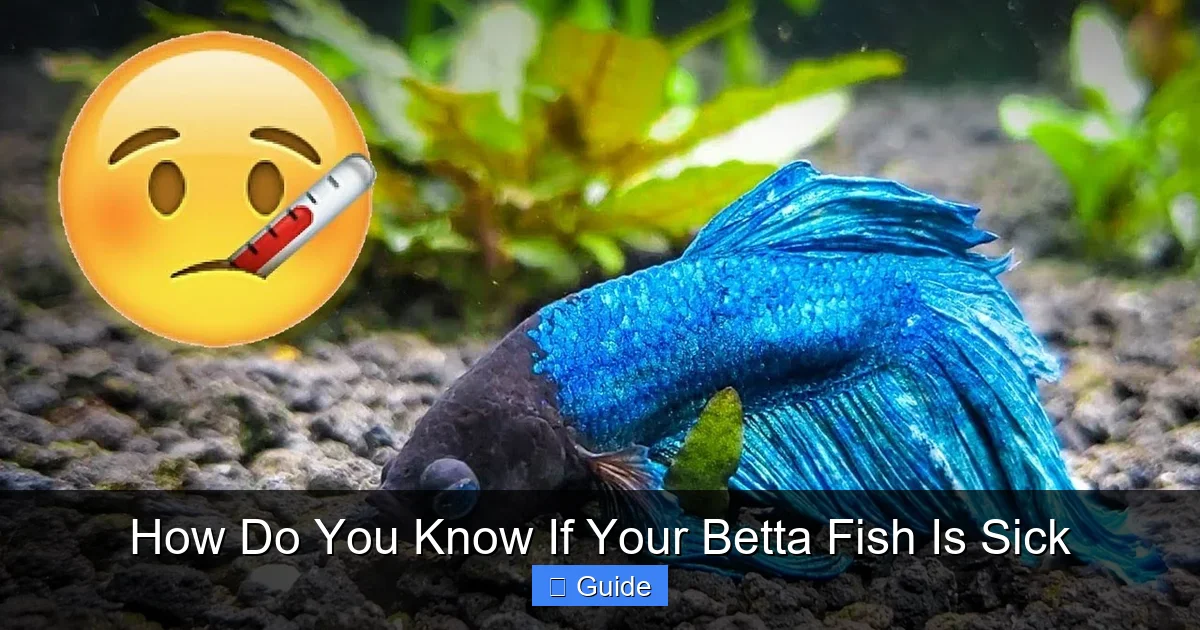
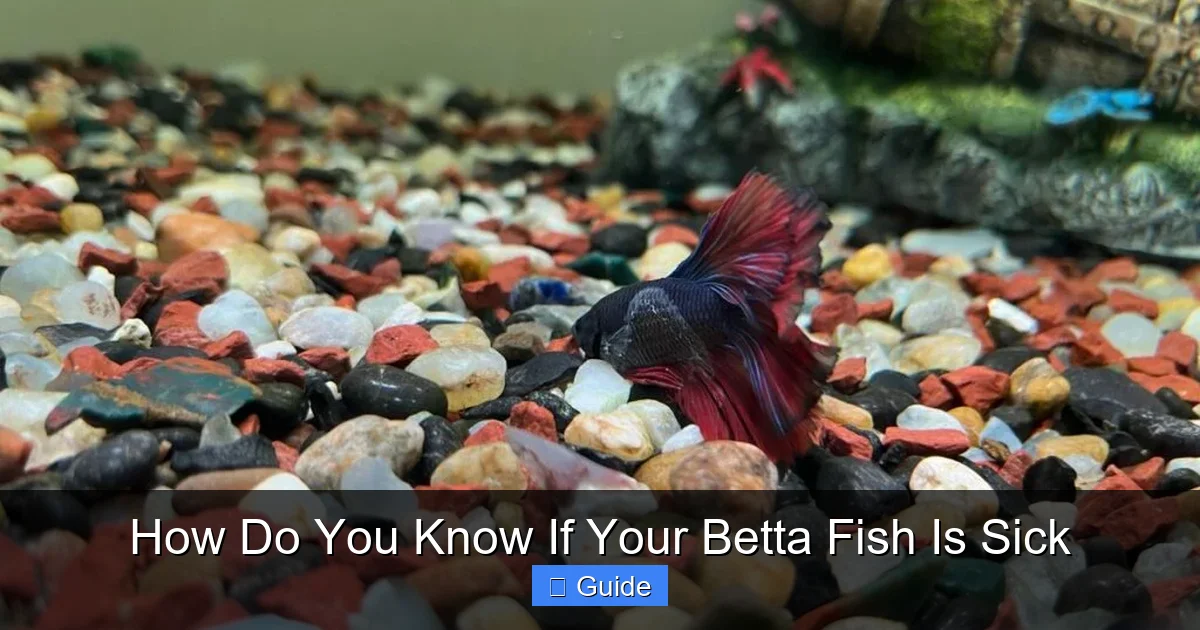
Visual guide about How Do You Know If Your Betta Fish Is Sick
Image source: i.ytimg.com
Lethargy and Loss of Energy
A healthy betta is a curious explorer, patrolling his territory, investigating plants, and occasionally surfacing for a gulp of air. If your betta is spending all day motionless at the bottom, resting on the substrate or a plant leaf, that’s a major red flag. He may not respond to your presence or even to food. This isn’t just “having a lazy day.” It’s a sign of significant weakness, often caused by poor water quality, a bacterial infection, or parasites like velvet that irritate and exhaust the fish.
Hiding and Seeking Isolation
Bettas are naturally territorial and often bold. While they do have favorite hiding spots, constant, prolonged concealment—tucked behind filter outputs, buried in the substrate, or crammed into a tiny corner—is abnormal. A sick betta fish will isolate itself, a natural instinct when feeling vulnerable. If your usually social fish suddenly becomes a hermit, investigate immediately.
Loss of Appetite and Disinterest in Food
Bettas are enthusiastic eaters. A refusal of even his favorite bloodworms or pellets for more than two consecutive feedings is a clear warning sign. Sometimes a sick betta will take food but spit it out. This can indicate internal issues like constipation, swim bladder disorder, or a systemic infection affecting his digestive tract. Always rule out poor water quality first if appetite vanishes.
Gasping for Air at the Surface
While bettas are labyrinth fish and *do* gulp air occasionally, frantic, repeated trips to the surface—often with the mouth opening and closing rapidly—signal a desperate struggle for oxygen. This is almost always a water quality or oxygen saturation issue. High ammonia or nitrite burns the gills, making it hard to extract oxygen from the water. It can also be a sign of gill flukes or severe bacterial gill disease.
Section 2: Reading the Body – Physical Symptoms of Illness
Once behavioral changes are noted, a careful physical inspection is next. Use a net or a cup to gently corral your betta for a closer look if he’s hiding. Pay attention to these key physical manifestations of a sick betta fish.
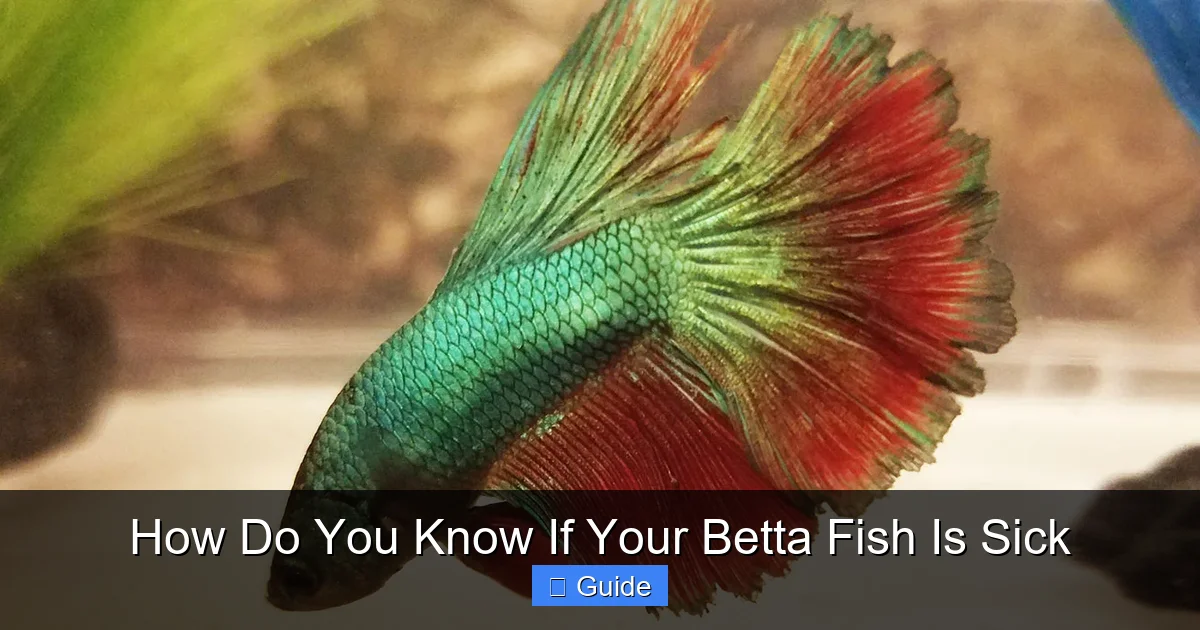
Visual guide about How Do You Know If Your Betta Fish Is Sick
Image source: bettafish.org
Fins: Clamped, Torn, or Rotting
Fins are a betta’s pride and joy. Any change is significant.
- Clamped Fins: Fins held tightly against the body, rather than flowing and spread, are a universal sign of stress or illness. It’s a defensive posture, making the fish look smaller and less conspicuous.
- Torn or Frayed Fins: While bettas can tear fins on sharp decorations, progressive fraying, especially with black or white edges, points to fin rot—a bacterial infection often secondary to poor water.
- Fin Base Redness or Inflammation: Look at the base of the fins where they meet the body. Redness, swelling, or blood-tinged fins indicate a serious bacterial infection that needs antibiotic treatment.
Color Fading and Loss of Vibrancy
Betta colors are stunning. Stress, illness, and aging can cause dramatic fading. A healthy betta’s colors are rich and iridescent. A sick betta fish may look pale, washed-out, or develop dull, blotchy patches. While some color loss is normal with age, sudden or severe fading alongside other symptoms (like lethargy) is a cry for help. Poor water quality is the most frequent culprit.
Scales, Body, and Belly
The body itself tells a story.
- Raised or Protruding Scales (“Pinecone” Effect): This is the hallmark sign of Dropsy, a severe symptom of internal bacterial infection causing fluid buildup. The scales stand out like a pinecone, especially visible from above. Dropsy has a poor prognosis but requires immediate, aggressive antibiotic treatment in a hospital tank.
- Bloating and Swelling: A swollen belly can be dropsy, but it can also be constipation (from overfeeding or poor diet), internal parasites, or a swim bladder disorder. Constipation often presents with a tight, round belly and stringy feces. Swim bladder issues cause the fish to float upside down, sink, or swim erratically.
- Sores, Wounds, or White Spots:
- Ich (White Spot Disease): Classic salt-grain-sized white spots all over the body and fins. The fish will also “flash” or rub against objects due to intense itching.
- Velvet: A gold or rust-colored dusty coating. Under a flashlight, it looks like fine glitter. The fish will also flash and scratch. It’s highly contagious.
- Fungal Infections: White, cotton-like growths on wounds, fins, or the body, often following physical injury or severe fin rot.
Section 3: The Root Cause – Diagnosing Water Quality Problems
You cannot overstate the link between a sick betta fish and its aquatic environment. Bettas come from slow-moving, warm, shallow waters in Thailand. They are extremely sensitive to toxins. A cycle crash, overfeeding, or an unmaintained filter creates toxic ammonia and nitrite that burn their gills and skin, suppress their immune system, and invite opportunistic infections.

Visual guide about How Do You Know If Your Betta Fish Is Sick
Image source: nicebettathailand.com
Understanding the Nitrogen Cycle
Every tank needs a fully cycled biological filter. This means beneficial bacteria have established to convert deadly fish waste (ammonia) into less toxic nitrite, and finally into relatively safe nitrate. If your tank is not cycled, or if the cycle has crashed (e.g., from over-cleaning the filter, using chlorinated water, or adding too many fish too fast), ammonia and nitrite will spike, poisoning your betta.
The Essential Test Kit
Your single most important diagnostic tool is a **liquid aquarium test kit** (like API Freshwater Master Test Kit). Test strips are notoriously inaccurate. You must know your parameters:
- Ammonia (NH3/NH4+): Should be 0 ppm. Any detectable amount is toxic and causes burns, lethargy, and gasping.
- Nitrite (NO2-): Should be 0 ppm. Binds to hemoglobin, preventing oxygen transport, causing suffocation.
- Nitrate (NO3-): Should be below 20 ppm for bettas. High levels cause chronic stress and weaken immunity.
- pH: Should be stable between 6.5-7.5. Sudden swings are deadly.
- Temperature: Must be 78-80°F (25.5-26.5°C) consistently. Colder water slows metabolism and invites disease.
Other Water Culprits
Chlorine or chloramine from tap water (always use a dechlorinator), heavy metals, and high mineral content (hard water) can also cause stress. Ensure you are using a proper water conditioner that neutralizes all toxins.
Section 4: The Usual Suspects – Common Betta Diseases & Their Symptoms
Once water quality is optimized, you can better diagnose specific ailments. Here’s a guide to the most frequent illnesses that make a betta fish sick.
Fin Rot (Bacterial)
Symptoms: Fins appear shredded, with black or white margins. The rot progresses from the edges inward. The base of the fins may be red and inflamed. It’s often accompanied by lethargy and clamped fins.
Cause: Poor water quality, physical injury.
Treatment: Hospital tank with clean, warm water (80°F). Daily 100% water changes. Use a broad-spectrum antibacterial medication like Methylene Blue or an antibiotic like Kanamycin. Salt baths (1 tsp aquarium salt per gallon) can help but are not a cure for advanced cases.
Ich (White Spot Disease)
Symptoms: Numerous tiny, white, salt-like spots on body and fins. Fish will scratch (“flash”) against tank decor. Lethargy and loss of appetite.
Cause: Parasite. Stress from poor water triggers outbreaks.
Treatment: Raise temperature slowly to 82-84°F to speed up the parasite’s lifecycle. Use a dedicated Ich medication (containing malachite green or copper). Treatment must continue for a full cycle (5-7 days after spots disappear) to kill all parasites.
Velvet (Oodinium)
Symptoms: Fine gold or rust-colored dust on the body, especially visible under a flashlight. Gills may appear red. Flashing and rubbing. Lethargy and clamped fins.
Cause: Parasitic protozoan.
Treatment: Similar to Ich: raise temperature to 82-84°F. Use a medication specific for velvet (often copper-based or containing acriflavine). Increase aeration as oxygen demand rises with temperature. Treat for 10-14 days.
Swim Bladder Disorder
Symptoms: Inability to maintain depth. Fish may float upside down, sink to the bottom, swim in circles, or bob erratically. Often confused with dropsy, but there is no pineconing.
Causes: Overfeeding leading to constipation, bacterial infection, genetic defects, or physical injury.
Treatment: Fast for 3 days to relieve constipation. Then feed a peeled, cooked pea. If no improvement, suspect infection and move to a hospital tank with a broad-spectrum antibiotic.
Section 5: The Treatment Protocol – How to Care for a Sick Betta
Once you’ve identified the likely problem, your response is critical. The standard protocol for treating a sick betta fish involves isolation and supportive care.
Step 1: Immediate Isolation (Hospital Tank)
Never treat in the display tank. Medications can harm beneficial bacteria and other livestock. Set up a simple, bare hospital tank (1-2 gallons is fine). It needs:
- A gentle heater set to 80-82°F.
- A small, sponge filter (air-powered, no strong current).
- No substrate or decorations to allow for easy cleaning and observation.
- Water from the main tank, fully conditioned, or clean, dechlorinated water matching parameters.
Step 2: Water Quality is Treatment #1
In the hospital tank, perform 100% daily water changes with properly conditioned water. This removes toxins, pathogens, and medication residue. For advanced bacterial or parasitic infections, you may need to medicate in this clean, daily-renewed water. Never mix medications unless the label states it’s safe.
Step 3: Medication Selection
Use medications judiciously. Start with the least invasive:
- For suspected parasites (Ich/Velvet): Use a specific parasite medication.
- For Fin Rot/Suspected Bacteria: Use an antibacterial like Methylene Blue dip (5-10 min) or in-tank treatment. For severe internal infections, a true antibiotic (like Maracyn 2) may be needed.
- For Fungus: Use a fungal treatment like Miconazole.
Always follow dosage instructions exactly. Overmedicating can kill your fish. If unsure, consult a vet specializing in fish (yes, they exist!).
Section 6: The Ultimate Cure – Prevention Through Proactive Care
The most successful treatment is never needing one. A healthy betta in a well-maintained tank is a resilient betta. Prevention is your most powerful tool against having a sick betta fish.
Maintenance is Non-Negotiable
Establish a strict schedule:
- Weekly Water Changes: Change 25-50% of the water weekly in a filtered, cycled tank. In uncycled bowls, change 100% daily.
- Filter Care: Rinse filter media (sponges, bio-balls) in the *old tank water* you remove during a water change, never under tap water. This preserves beneficial bacteria.
- Gravel Vacuum: Clean the substrate during water changes to remove uneaten food and waste.
Feed a High-Quality, Varied Diet
Overfeeding is a leading cause of constipation and water pollution. Feed a high-quality pellet as a staple, supplemented 2-3 times a week with frozen or live foods (daphnia, brine shrimp, bloodworms). A pea (shelled) once a week aids digestion. Only feed what your betta can consume in 2-3 minutes.
Provide an Enriched, Safe Environment
A stressed betta is a sick betta.
- Tank Size: Minimum 5 gallons. More space means more stable water parameters.
- Heater & Thermometer: Essential for maintaining a stable 78-80°F.
- Gentle Filtration: A sponge filter is ideal. Avoid strong currents that exhaust them.
- Hiding Spots & Plants: Use live plants (like Anubias, Java Fern) or silk decorations to provide cover and reduce stress. Avoid sharp edges.
- Companions: If adding tank mates, research thoroughly. Aggressive or fin-nipping fish will cause constant stress.
Conclusion: Your Vigilance is Their Lifeline
Owning a betta fish is a rewarding commitment that demands attentive, knowledgeable care. A sick betta fish is a direct reflection of its environment and husbandry. By learning to recognize the early, quiet whispers of trouble—a slight lethargy, a clamped fin, a missed meal—and responding with decisive action centered on pristine water quality, you dramatically increase your betta’s chances for a long, vibrant life. Remember, you are the guardian of a fragile, beautiful life. Your daily observation, your weekly maintenance, and your willingness to learn are the ultimate safeguards against illness. When in doubt, test your water. When scared, seek knowledge from reputable sources or an aquatic veterinarian. Your betta’s flowing fins and curious eyes depend on your diligence. Start today, and enjoy the journey of providing the optimal, healthy home your extraordinary fish deserves.
Frequently Asked Questions
How can I tell the difference between a sleepy betta and a sick one?
A sleepy betta will occasionally rest but will still respond to food, flare at movement, and patrol his tank. A sick betta shows prolonged, motionless lethargy, often at the bottom, and consistently refuses food for more than two days. Clamped fins and faded color usually accompany true sickness.
My betta is bloated but not pineconing. Is this dropsy?
Not necessarily. Dropsy specifically refers to fluid retention causing raised, pinecone-like scales. Bloating without raised scales is more likely severe constipation, a swim bladder issue, or internal parasites. Fast the fish for 3 days, then offer a peeled pea. If no improvement, suspect infection and consider antibiotic treatment in a hospital tank.
What is the very first thing I should do when I suspect my betta is sick?
The absolute first step is to test your water for ammonia, nitrite, nitrate, and pH. Perform a 25-50% water change with properly conditioned water, regardless of the test results. This addresses the most common cause (poor water) and provides immediate relief while you diagnose further.
Can I use human antibiotics or over-the-counter fish meds for my betta?
You should only use medications specifically formulated for aquarium fish and labeled for the specific symptom (e.g., “fin rot,” “ich”). Human antibiotics are dosed incorrectly for fish and can be fatal. Always follow package instructions precisely. For persistent or severe issues, consult a veterinarian.
How often should I do water changes to prevent my betta from getting sick?
In a properly cycled, filtered tank of 5+ gallons, perform a 25-50% water change weekly. In an uncycled tank or small bowl (which is not recommended), you must change 100% of the water daily to prevent toxic ammonia buildup, which is the fastest route to a sick betta.
When should I consider euthanizing my betta fish?
This is a difficult but important question. Consider humane euthanasia if your betta is suffering with no hope of recovery—such as advanced dropsy with severe pineconing and swelling, chronic inability to swim or eat, or constant gasping despite perfect water. Consult a vet for guidance. A quick, peaceful method like clove oil overdose is considered humane.