How Do You Care for a Betta Fish

Keeping a betta fish healthy is simple when you know the basics. This guide walks you through choosing the right tank, maintaining water quality, feeding the right diet, and spotting signs of stress, so your vibrant finned friend thrives for years.
Key Takeaways
- Proper tank size matters: A minimum of 5 gallons gives your betta room to swim and stay healthy.
- Stable water parameters are vital: Keep temperature around 78‑80 °F and pH between 6.5‑7.5.
- Feed small, frequent meals: 2‑3 times daily with a variety of high‑quality betta foods.
- Regular water changes prevent disease: Change 25‑30 % of water each week using a gentle conditioner.
- Watch behavior for health clues: Faded colors, clamped fins, or erratic swimming signal trouble.
- Enrichment reduces boredom: Add plants, caves, and gentle currents for natural exploration.
- Consistent routine leads to longevity: Proper care can give your betta a life of 3‑5 years or more.
📑 Table of Contents
- Introduction: Why Betta Care Is Worth the Effort
- 1. Choosing the Right Home for Your Betta
- 2. Water Quality – The Heart of Betta Health
- 3. Feeding – Nutrition That Brings Out the Color
- 4. Daily and Weekly Care Routines
- 5. Spotting and Solving Common Health Issues
- 6. Enrichment – Keeping Your Betta Mentally Stimulated
- Conclusion: Your Betta’s Future Is Bright
Introduction: Why Betta Care Is Worth the Effort
Betta fish, also called Siamese fighting fish, are famous for their dazzling colors and flowing fins. Many people think they can survive in tiny bowls forever, but the truth is a little more nuanced. When you ask yourself, how do you care for a betta fish, the answer lies in providing a stable, enriched environment that mimics their natural habitat.
In this article we’ll chat like friends, breaking down everything from tank setup to daily routines. You’ll learn practical tips you can start using today, and you’ll see why a little extra effort makes a huge difference in your fish’s health and happiness.
1. Choosing the Right Home for Your Betta
Tank size and shape
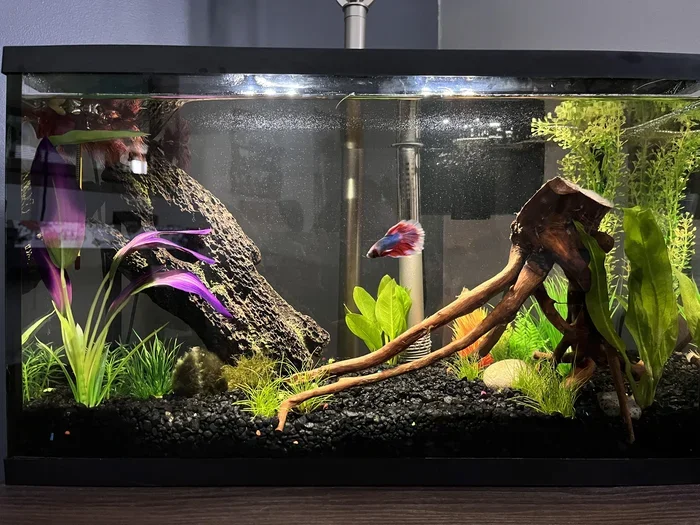
The biggest myth is that a betta can live forever in a 1‑gallon bowl. Research shows a minimum of 5 gallons (about 19 liters) is ideal. A larger tank dilutes waste, stabilizes temperature, and gives your betta space to explore.
If you have limited space, a long, narrow tank works well because bettas love to glide along the bottom. Avoid tall, skinny tanks that limit swimming room.
Filtration and heating
Betta fish thrive in warm water, ideally 78‑80 °F (25‑27 °C). A reliable heater is a must, especially in cooler climates. Use a thermostat‑controlled heater to avoid temperature spikes.
While bettas can survive in low‑flow water, a gentle filter helps keep ammonia and nitrite low. Choose a sponge filter or a low‑flow hang‑on‑back unit set to “bubbler” mode so the current isn’t too strong.
Substrate, plants, and décor
Live plants such as Java fern, Anubias, or Marimo moss create natural hiding spots and help absorb nitrates. If live plants are too much work, silk plants are a safe alternative—plastic leaves can tear delicate fins.
Provide caves, driftwood, or smooth rocks for your betta to rest on. Make sure any décor has no sharp edges that could damage the fins.
Lighting
Betta fish don’t need intense lighting, but a 10‑hour light cycle helps regulate their natural rhythms. Use a timer to switch the aquarium light on and off automatically.
Internal link example
For a step‑by‑step guide on setting up the perfect aquarium, see our article How To Set Up A Tank For A Betta Fish.
2. Water Quality – The Heart of Betta Health
Testing water parameters
Invest in a basic test kit that measures ammonia, nitrite, nitrate, and pH. Test weekly for the first month, then bi‑weekly once the tank is cycled.
Ideal ranges:
- Ammonia: 0 ppm
- Nitrite: 0 ppm
- Nitrate: < 20 ppm (lower is better)
- pH: 6.5‑7.5
Conditioning tap water
Never add untreated tap water directly to the tank. Use a water conditioner to neutralize chlorine, chloramine, and heavy metals. If you live in an area with hard water, consider a reverse‑osmosis (RO) system or a pH‑adjusting product.
Weekly water changes
Changing 25‑30 % of the water each week removes excess waste and keeps parameters stable. Use a siphon to gently vacuum the substrate, then add conditioned water that matches the tank temperature.
For a detailed walk‑through, read How Do You Change A Betta Fish Water.
Temperature stability
Fluctuations of more than 2 °F can stress a betta. Place the heater away from direct light and avoid placing the tank near windows or drafts.
3. Feeding – Nutrition That Brings Out the Color
What to feed
Betta fish are carnivores. High‑protein pellets or frozen foods (bloodworms, daphnia, brine shrimp) are best. Treats should never exceed 10 % of the diet.
How much and how often
Offer an amount they can consume in 2‑3 minutes, 2‑3 times per day. Overfeeding leads to cloudy water and health issues.
Need exact guidelines? Check out How Do You Feed A Betta Fish for portion sizes and feeding schedules.
Feeding tips for beginners
- Use a feeding dish or a small cup to target the food and avoid waste.
- Observe your betta’s response—if it ignores food, reduce the amount.
- Rotate protein sources weekly to keep the diet balanced.
4. Daily and Weekly Care Routines
Morning check‑in
When you first turn on the lights, look for any signs of distress: floating debris, gas bubbles, or a betta perched at the surface gasping.
Mid‑day observation
Watch how the betta interacts with décor. Active fin fluttering, exploring, and relaxed posture mean it’s comfortable.
Evening tasks
Feed the final meal of the day, then turn off the lights according to the 10‑hour schedule.
Weekly maintenance
- Test water parameters.
- Perform a 25‑30 % water change.
- Trim any overgrown plants.
- Rinse filter media in tank water (not tap water) to preserve beneficial bacteria.
5. Spotting and Solving Common Health Issues
Signs of a happy betta
Bright colors, flared fins, steady swimming, and a curious approach to your hand indicate a thriving fish.
Illness indicators
Look for faded colors, clamped fins, ragged edges, white spots, or excessive hiding. These may signal ich, velvet, or bacterial infections.
If you notice any of these, act fast: quarantine the fish, raise the temperature slightly (to 82 °F), and treat with a suitable medication.
When to seek help
Persistent loss of appetite, rapid weight loss, or continual gasping are red flags. Our guide How Do You Know If A Betta Fish Is Dying explains the warning signs and next steps.
6. Enrichment – Keeping Your Betta Mentally Stimulated
Interactive toys
Floating mirrors (used sparingly) can trigger natural flaring behavior, providing exercise. However, limit use to a few minutes to avoid stress.
Changing the environment
Rearrange plants or add a new leaf weekly. This mimics the changing conditions of a wild pond and encourages exploration.
Training tricks
Betta fish can learn simple tricks like swimming through a hoop. Use a tiny, clear hoop and reward with a tiny food pellet each successful pass.
Conclusion: Your Betta’s Future Is Bright
Knowing how do you care for a betta fish isn’t just about ticking boxes; it’s about creating a living space where your fish can display its natural beauty and behavior. By providing a properly sized tank, stable water conditions, balanced nutrition, and regular observation, you set the stage for a vibrant, long‑lived companion. Remember, consistency is key—small daily actions add up to big health benefits.
Enjoy the colorful dance of your betta, and don’t forget to celebrate each small improvement. With the right care, your betta will thrive for years, rewarding you with stunning colors and a gentle, curious personality.
Frequently Asked Questions
How often should I change the water for a betta fish?
Change 25‑30 % of the water weekly. This keeps ammonia low and maintains stable parameters without shocking the fish.
Can I keep a betta with other fish?
Yes, if the tank is at least 10 gallons and the tankmates are peaceful, non‑fin‑nipping species. Avoid other male bettas and long‑fin varieties.
What temperature is best for a betta?
Betta fish prefer water between 78‑80 °F (25‑27 °C). Use a reliable heater and a thermometer to monitor temperature daily.
How many times a day should I feed my betta?
Feed small portions 2‑3 times per day. Offer only what the fish can eat in 2‑3 minutes to prevent overfeeding.
What are common signs that my betta is sick?
Look for faded colors, clamped fins, loss of appetite, white spots, or frantic swimming near the surface. Early detection improves treatment success.
Do bettas need a filter?
While not strictly required, a gentle filter greatly improves water quality and reduces the frequency of large water changes.