Yes, a betta can thrive in a 10‑20 gallon tank when you provide proper filtration, heating, and enrichment. These tanks give enough room for natural behavior, stable water parameters, and optional tank mates.
Key Takeaways
- Size matters: A 10‑20 gallon tank is ideal for a single betta, offering space to swim and stable water quality.
- Filtration & heater: Both are essential for maintaining clean, warm water that mimics the betta’s native habitat.
- Decoration: Live plants, driftwood, and caves reduce stress and showcase the betta’s colors.
- Tank mates: Peaceful, slow‑moving species can coexist if the tank is well‑planted and filtered.
- Maintenance routine: Weekly water changes of 25‑30 % keep ammonia low and prevent disease.
- Monitoring: Regular checks of temperature, pH, and fish behavior catch problems early.
- Long‑term health: A larger tank reduces the risk of fin rot, constipation, and aggressive stress.
📑 Table of Contents
- Introduction: Why Tank Size Is the First Question
- 1. Understanding the Betta’s Natural Habitat
- 2. The Minimum Space: Is 10 Gallons Enough?
- 3. Essential Equipment for a 10‑20 Gallon Betta Tank
- 4. Setting Up the Tank: Step‑by‑Step Guide
- 5. Water Quality: The Lifeline of a Healthy Betta
- 6. Choosing Tank Mates for a 10‑20 Gallon Betta
- 7. Common Mistakes and How to Avoid Them
- Conclusion: A 10‑20 Gallon Tank Is a Happy Home
Introduction: Why Tank Size Is the First Question
When you first see a bright, flowing betta in a tiny bowl, it’s easy to think “any container will do.” The truth is that a betta’s well‑being depends heavily on the space it calls home. The question “can a betta fish live in a 10 20 tank?” really means “can a betta thrive in a 10‑ to 20‑gallon aquarium?” This article breaks down the science, the practical steps, and the little details that turn a simple tank into a thriving underwater world.
We’ll walk through everything from water temperature to décor, and we’ll even touch on which tank mates are safe. By the end, you’ll know exactly how to set up a 10‑20 gallon tank that keeps your betta healthy, active, and show‑ready.
1. Understanding the Betta’s Natural Habitat
Origin and water preferences
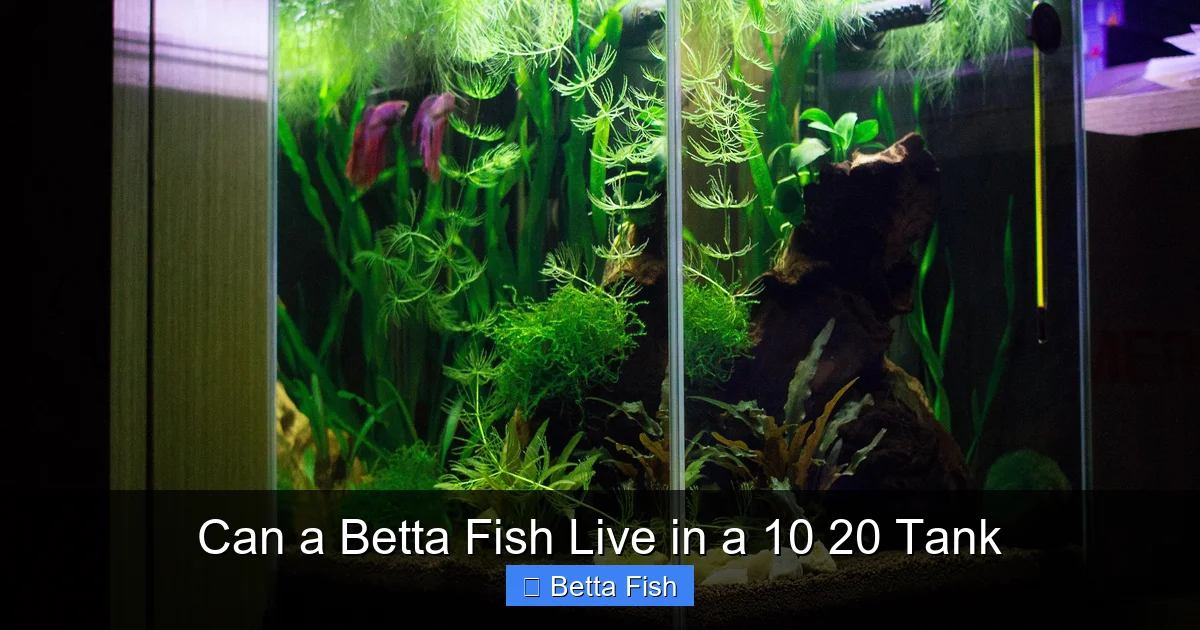
Betta splendens hail from shallow rice paddies and slow‑moving streams in Thailand. These waters are warm (24‑30 °C / 75‑86 °F), slightly acidic, and rich in vegetation. The fish have evolved to survive in low‑oxygen environments, which is why they can gulp air from the surface.
Visual guide about Can a Betta Fish Live in a 10 20 Tank
Image source: i.redd.it
Why a larger tank mimics the wild
A 10‑20 gallon tank lets you recreate those gentle currents, plant cover, and stable temperature more easily than a tiny bowl. It also dilutes waste, keeping ammonia and nitrite spikes less likely.
2. The Minimum Space: Is 10 Gallons Enough?
Minimum recommended volume
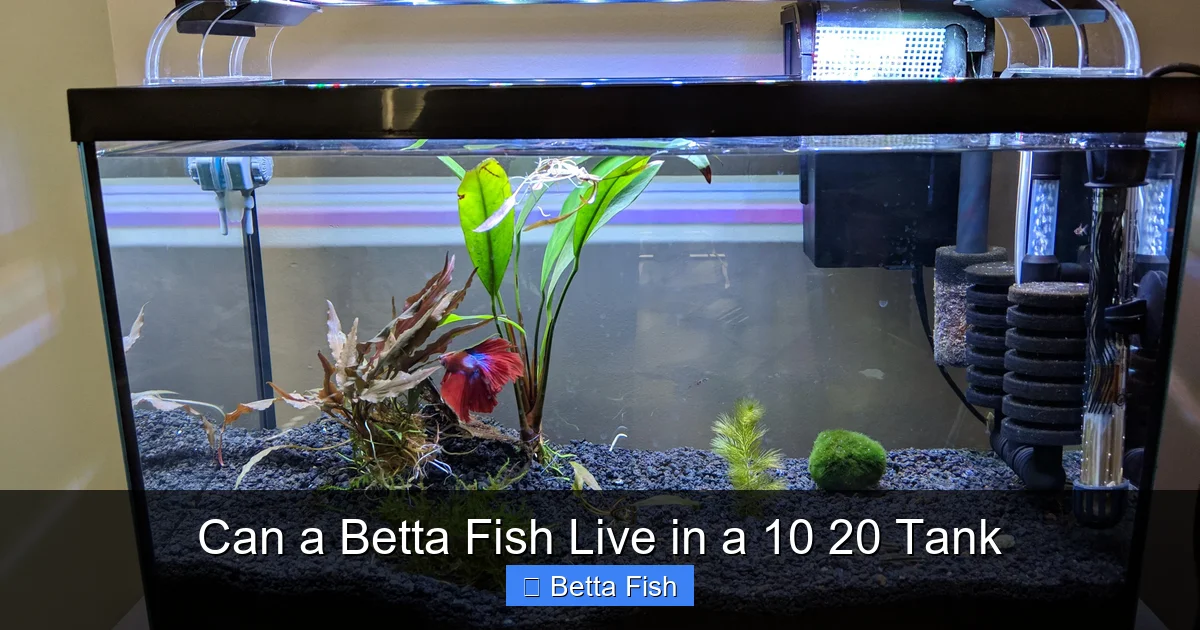
Most experts agree that a single male betta needs at least 5 gallons, but 10 gallons gives a safety margin. With 10‑20 gallons you gain:
Visual guide about Can a Betta Fish Live in a 10 20 Tank
Image source: i.redd.it
- More swimming room for natural flaring and exploring.
- Better water stability, which means fewer emergencies.
- Space for live plants and décor that hide the betta’s line of sight, reducing stress.
Comparing 10 gallon vs. 20 gallon
A 20‑gallon tank offers even more flexibility for adding peaceful companions, such as small rasboras or dwarf shrimp, while still keeping water parameters easy to manage.
3. Essential Equipment for a 10‑20 Gallon Betta Tank
Filtration
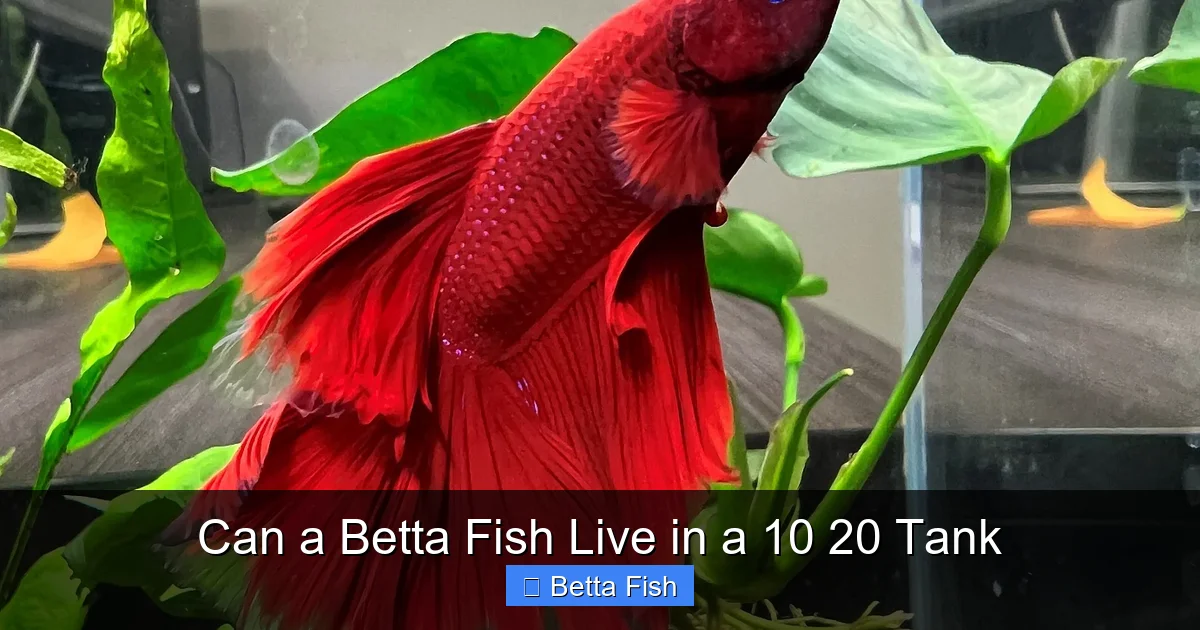
Even though bettas can breathe air, they still need clean water. A gentle sponge filter or a low‑flow hang‑on filter works best. It removes ammonia, nitrite, and keeps beneficial bacteria thriving.
Visual guide about Can a Betta Fish Live in a 10 20 Tank
Image source: nt-labs.com
Heating
Betta fish are tropical; keep the water at 78‑80 °F (25‑27 °C). A reliable submersible heater with an adjustable thermostat is a must. Do Betta Fish Need A Heater In Their Tank explains why temperature swings are stressful.
Lighting
Soft LED lighting for 8‑10 hours a day encourages plant growth without stressing the fish. Avoid intense, direct light that can cause algae blooms.
Substrate and décor
Fine sand or smooth gravel mimics riverbeds. Add driftwood, caves, and live plants like Java fern, Anubias, or Marimo moss balls. These provide hiding spots and surface area for beneficial bacteria.
4. Setting Up the Tank: Step‑by‑Step Guide
1. Clean the tank
Rinse the glass, substrate, and décor with warm water only—no soap.
2. Add substrate and décor
Spread a thin layer of sand, then arrange driftwood and plants. Create a “front” and “back” to give the betta a sense of territory.
3. Fill with conditioned water
Use a water conditioner to neutralize chlorine and chloramines. Fill slowly to avoid disturbing plants.
4. Install heater and filter
Place the heater near a water flow for even heat distribution. Set the temperature to 78 °F and let the filter run continuously.
5. Cycle the tank
Run the filter for at least 2‑4 weeks to establish the nitrogen cycle. Test for ammonia, nitrite, and nitrate. Only introduce the betta once ammonia and nitrite are zero.
6. Acclimate your betta
Float the bag in the tank for 15‑20 minutes, then slowly add tank water to the bag every 5 minutes. Finally, release the fish gently.
5. Water Quality: The Lifeline of a Healthy Betta
Key parameters
- Temperature: 78‑80 °F (25‑27 °C)
- pH: 6.5‑7.5
- Ammonia/Nitrite: 0 ppm
- Nitrate: < 20 ppm
Testing and maintenance
Use a liquid test kit weekly. Perform 25‑30 % water changes every week, or more often if nitrate spikes. When changing water, match the temperature and pH to avoid shock.
6. Choosing Tank Mates for a 10‑20 Gallon Betta
Can a betta share a tank?
Betta fish are territorial, but a well‑planted 10‑20 gallon tank can house peaceful companions. Good choices include:
- Neon or Ember tetras (small schools, swift swimmers)
- Harlequin rasboras
- Cherry shrimp (add color and help clean algae)
- Pygmy corydoras (bottom dwellers)
Always monitor interactions for signs of aggression. For more details on compatible species, see Which Fish Can Live With Betta Fish In A Tank.
Species to avoid
Long‑finned guppies, other bettas, and aggressive cichlids can trigger fights. Goldfish are also a poor match because they raise water temperature and waste levels.
7. Common Mistakes and How to Avoid Them
Overfeeding
Betta fry will eat a pellet in 2‑3 minutes. Remove excess food to prevent cloudy water and constipation.
Skipping the nitrogen cycle
Introducing a betta to an uncycled tank leads to ammonia poisoning. Patience now saves the fish later.
Using a high‑flow filter
Strong currents stress bettas. Choose a filter with adjustable flow or add a pre‑filter sponge to reduce turbulence.
Conclusion: A 10‑20 Gallon Tank Is a Happy Home
Answering the headline question—yes, a betta fish can live in a 10 20 tank, and it will thrive when you give it proper filtration, heating, and enrichment. The extra space creates a stable environment, reduces stress, and even opens the door for compatible tank mates. Follow the setup steps, keep up with regular water changes, and watch your betta flaunt its fins with confidence.
Remember, the goal isn’t just survival; it’s a vibrant, active betta that shows off its natural beauty. With a little effort, your 10‑20 gallon aquarium will become a miniature jungle that both you and your fish will love.
Frequently Asked Questions
Can a betta fish live in a 10 20 tank without a filter?
It’s possible, but not recommended. A filter helps keep ammonia low and provides surface agitation for oxygen exchange, which leads to a healthier betta.
How often should I change the water in a 10‑20 gallon betta tank?
Change 25‑30 % of the water weekly. If you have tank mates or a heavy feeding schedule, you may need to increase the frequency.
What temperature is ideal for a betta in a 10‑20 gallon tank?
Maintain the water between 78‑80 °F (25‑27 °C) using a reliable submersible heater.
Can I keep live plants in a betta tank?
Yes! Live plants such as Java fern, Anubias, and Marimo improve water quality and give your betta places to rest.
Is it safe to add small shrimp to a 10‑20 gallon betta tank?
Cherry shrimp and ghost shrimp are usually safe if the betta is calm and the tank is well‑planted, providing hiding spots.
Do I need a lid on a 10‑20 gallon betta tank?
Betas can jump, so a lid or mesh cover helps prevent escapes while also reducing dust and evaporation.

