How Do You Know When Your Betta Fish Is Sleeping

Knowing when your betta fish is sleeping is one of the most important skills every fish owner should have. Bettas sleep with their eyes open, often in surprising positions, and their colors fade while they rest. This guide covers the top signs of a sleeping betta, how many hours they need, and simple tips to help your fish get the quality rest it deserves.
Have you ever stared at your betta fish tank and wondered if your fish was sleeping or something was wrong? It happens to every betta owner at some point. Your betta sits still in one spot for hours, and you start to worry.
The truth is, knowing when your betta fish is sleeping is one of the most important things you can learn as a fish owner. Bettas have unique sleep habits that look very different from what we expect. Sometimes they rest at the bottom of the tank. Other times they float motionless near the surface.
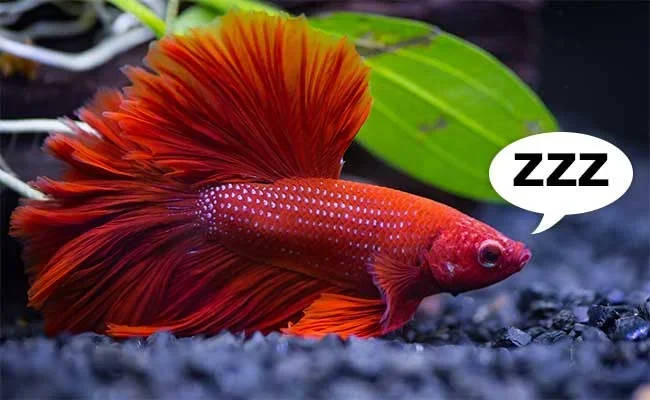
And here is a fun fact: bettas never close their eyes when they sleep. That is because they do not have eyelids. So every time you think your betta is staring at you, it might just be taking a nap. Understanding your betta’s sleep habits helps you keep it healthy. A well-rested betta is a happy betta. If you want to make sure your betta is happy, paying attention to its sleep is a great place to start.
Key Takeaways
- Bettas sleep with their eyes open: Unlike humans, betta fish do not have eyelids, so they never close their eyes when resting.
- Sleep position varies: A sleeping betta may lie on the tank bottom, float sideways, or tuck into a hiding spot.
- Color fades during sleep: Your betta may look pale or washed out when resting, which is completely normal.
- Bettas need 12-14 hours of darkness: A consistent tank lighting schedule helps regulate their sleep cycle.
- Do not confuse sleep with illness: Understanding the difference keeps your fish healthy and stress-free.
- Environment affects sleep quality: Temperature, noise, and light all play a role in how well your betta rests.
📑 Table of Contents
What Does a Sleeping Betta Fish Look Like?
When a betta fish sleeps, its body goes into a restful state. But the way it looks can surprise new fish owners. Let us break down the most common signs so you can recognize them easily.
Betta Sleep Position
Bettas can sleep in several different positions. Each one is perfectly normal and nothing to worry about. Here are the most common sleep positions you might see.
- Lying on the tank bottom: This is the most common position. Your betta may rest flat on the gravel or a plant leaf. It looks completely still and relaxed.
- Floating near the surface: Some bettas float vertically or sideways near the top of the tank while sleeping. Their fins may hang loose and motionless.
- Tucked into a hiding spot: Bettas love to hide when they feel safe. They may curl up inside a cave, under a leaf, or behind a decoration.
- Resting on a plant leaf: Many bettas sleep on broad leaves like amazon sword plants or anubias. They look like tiny jewels resting on a green pillow.
You might also notice your betta sleeping in a position that looks like it is lying down. This is totally normal behavior and nothing to worry about. If you have noticed your betta doing this, you can learn more about their resting habits in our guide on do betta fish lay down when they sleep.
Color Changes During Sleep
One of the most noticeable signs of a sleeping betta is a change in color. When your betta is awake, its colors are vibrant and bold. But when it sleeps, the colors often fade. Your betta may look pale, light, or even almost white.
This happens because the fish is not producing as much pigment while at rest. Do not panic if you notice this. Once your betta wakes up, the colors will return to full brightness within a few minutes. This color change is a natural response and a reliable way to tell if your fish is truly sleeping or if something else is going on.
Breathing Slows Down
When a betta is sleeping, its breathing rate drops significantly. You might notice the gills moving very slowly. The fish may also remain completely still for long periods. This is a normal part of the rest cycle. If the breathing is fast or labored, that could be a sign of illness, not sleep. Always check for other symptoms before jumping to conclusions.
How Many Hours Do Betta Fish Sleep?
Bettas need quite a bit of rest. On average, a healthy betta fish sleeps between 12 and 14 hours per day. That includes both nighttime sleep and daytime naps. Unlike humans, bettas do not have one long sleep cycle. They take multiple short naps throughout the day and night. Each nap might last anywhere from 20 minutes to a couple of hours.
This scattered sleep pattern is completely normal for bettas. One important factor is light. Bettas need a consistent day-night cycle to maintain healthy sleep habits. If the tank light stays on all the time, your betta may become stressed and sleep-deprived. Aim for 8 to 10 hours of light per day, followed by 12 to 14 hours of darkness.
Proper lighting also helps with feeding schedules and overall tank health. A regular routine keeps your betta feeling secure and well-rested. You can learn more about how often do you feed a betta fish to build a routine that supports healthy sleep patterns.
How to Tell If Your Betta Is Sleeping or Sick
This is one of the biggest concerns for betta owners. A sleeping betta and a sick betta can look very similar at first glance. Both may sit still, stay near the bottom, and show reduced activity. But there are clear differences you can learn to spot over time.
Signs Your Betta Is Sleeping
- The fish is still but responsive. A gentle tap on the glass may cause it to slowly move or open its mouth.
- The body position is natural. The fins are not clamped tightly against the body.
- The color change is temporary. Colors return once the fish wakes up.
- The fish has been active earlier in the day or night.
- Breathing is slow but steady.
Signs Your Betta May Be Sick
- The fish stays in one position for hours without moving at all, even when you try to get its attention.
- The fins are clamped tightly against the body.
- The fish shows other symptoms like white spots, torn fins, or bloating.
- Breathing appears rapid or labored.
- The fish refuses food even when offered its favorite treat.
If you are ever unsure, it is always better to check for other signs of illness. You can learn more about recognizing illness in our guide on how do you know if your betta fish is sick. Catching problems early makes treatment much easier and gives your fish the best chance of recovery.
Why Bettas Sleep More Than You Think
Many new betta owners are surprised by how much their fish sleeps. But there is a good reason for this. Bettas are crepuscular fish, which means they are most active during dawn and dusk. During the middle of the day and late at night, they naturally rest.
In the wild, bettas live in slow-moving rice paddies and shallow streams. These environments do not have constant bright light. So over thousands of years, bettas have adapted to take frequent breaks from activity. Your pet betta carries this same instinct, even in a home aquarium.
If your betta seems to sleep a lot, do not assume something is wrong. It is simply following its natural rhythms. However, if you notice a sudden change in sleep patterns, that could signal stress or health issues. Watching your betta’s activity levels throughout the day gives you valuable insight into its overall well-being.
Creating the Perfect Sleep Environment for Your Betta
Just like humans, bettas sleep better in the right environment. Small changes to your tank setup can make a huge difference in your fish’s sleep quality and overall health.
Control the Lighting
Lighting is the number one factor that affects your betta’s sleep. Bettas need a consistent schedule to thrive. Here is what works best.
- Use a timer for your tank light. Set it to turn on for 8 to 10 hours and off for 12 to 14 hours.
- Avoid placing the tank near a window. Natural light changes throughout the day can confuse your betta’s internal clock.
- Do not leave the tank light on all night. Even small amounts of light can disrupt sleep.
- Consider adding a dimmable LED light for a more gradual transition between day and night.
A consistent lighting schedule helps your betta know when it is time to rest and when it is time to be active. This simple change can transform your fish’s sleep quality dramatically.
Keep the Water Temperature Stable
Bettas are tropical fish and they need warm water to thrive. The ideal temperature range is 76 to 82 degrees Fahrenheit. When the water is too cold, bettas become sluggish and may sleep more than usual. When the water is too warm, they become stressed and restless.
Use a reliable aquarium heater and thermometer to maintain a stable temperature. Sudden temperature changes can shock your fish and disrupt its sleep cycle. A stable tank environment is the foundation of healthy betta sleep habits.
Reduce Noise and Vibrations
Bettas are sensitive to vibrations. Loud music, tapping on the glass, or placing the tank near a loud appliance can all disturb your betta’s rest. Keep the tank in a quiet area of your home where it will not be exposed to constant noise.
During the night, make sure the tank is in a peaceful spot. This gives your betta the quiet environment it needs for deep, restful sleep. A calm setting supports better rest and a happier fish.
Add Plants and Hiding Spots
Bettas feel safer when they have places to hide and rest. Live or silk plants provide excellent sleeping spots. Your betta can tuck itself between leaves and feel secure. Avoid sharp plastic plants that could damage your betta’s delicate fins.
Adding a betta hammock or leaf perch is another great option. These give your fish a comfortable spot to rest near the surface of the water. A well-decorated tank does more than look good. It creates a natural habitat that supports your betta’s instinct to rest and hide.
Common Mistakes That Disrupt Your Betta’s Sleep
Even well-meaning owners can accidentally disturb their betta’s sleep. Here are the most common mistakes to avoid so your fish can get the rest it needs.
- Leaving the tank light on 24/7: This tricks your betta into thinking it is always daytime. It leads to stress, exhaustion, and weakened immunity over time.
- Feeding at odd hours: Bettas thrive on routine. Feeding them at random times disrupts their internal clock and can affect their sleep patterns.
- Placing the tank near a TV or speaker: Sound vibrations keep your betta on edge and prevent deep, restful sleep.
- Cleaning the tank at night: Water changes and filter maintenance should be done during the day when your betta is active and alert.
- Not providing enough hiding spots: Without places to feel safe, your betta may not sleep as deeply or as long as it needs to stay healthy.
If you want to interact and play with your betta, the best time is when your fish is awake and active. Avoid disturbing your betta while it is sleeping. Let it rest peacefully and wake up naturally. Respecting your fish’s sleep schedule builds trust and strengthens your bond.
Quick Tips for Better Betta Sleep
Here are some fast, easy tips you can start using today to improve your betta’s rest.
- Set a light timer and stick to the same schedule every day.
- Keep the water temperature between 76 and 82 degrees Fahrenheit.
- Add live or silk plants for natural sleeping spots.
- Avoid tapping on the glass or making loud noises near the tank at night.
- Watch for color fading and slow breathing as signs your betta is resting.
- Do not worry if your betta sleeps with its eyes open. That is completely normal.
Small changes make a big difference. Your betta will thank you with better colors, more energy, and a longer, healthier life. Paying attention to sleep is one of the simplest ways to improve your fish care routine.
Conclusion
Understanding when your betta fish is sleeping is one of the simplest yet most valuable skills you can develop as a fish owner. Bettas sleep with their eyes open, often in interesting positions, and their colors fade while they rest. These are all completely normal behaviors that every betta owner should know about.
By paying attention to sleep position, color changes, and breathing rate, you can easily tell the difference between a resting betta and a sick one. Creating the right environment with proper lighting, stable temperature, and plenty of hiding spots ensures your fish gets the quality rest it needs every single day.
A well-rested betta is a healthy, vibrant, and active fish. Take the time to observe your betta’s sleep habits. You will learn a lot about its personality and overall well-being. And you will become a better, more confident fish owner in the process.
If you ever notice something that seems off, trust your instincts. Check for other signs of illness and make adjustments to the tank environment. Your betta depends on you for its care, and your attention makes all the difference in the world.
Frequently Asked Questions
Do betta fish close their eyes when they sleep?
No, betta fish do not have eyelids, so they cannot close their eyes. This is completely normal and does not mean your fish is awake or stressed. A sleeping betta will still be still and relaxed even with its eyes open.
How many hours a day does a betta fish sleep?
Most bettas sleep between 12 and 14 hours per day. This includes nighttime sleep and several short naps throughout the day. Bettas take scattered naps rather than sleeping in one long block, which is perfectly natural for this species.
Why is my betta fish lying at the bottom of the tank?
Your betta may be sleeping, especially if it is still and responsive to gentle movement. However, if the fish stays at the bottom for a long time without moving and shows other symptoms like clamped fins or loss of appetite, it could be a sign of illness. Check for additional signs to determine the cause.
Can betta fish see in the dark when they sleep?
Bettas have limited vision in complete darkness. When they sleep, they rely on their other senses to detect changes in their environment. This is why a consistent light schedule is important, as it helps them feel secure and know when to rest.
Is it normal for my betta to sleep a lot during the day?
Yes, it is very normal. Bettas are crepuscular, meaning they are most active at dawn and dusk. They naturally take several naps during the day. If your betta suddenly starts sleeping much more than usual, that could indicate stress or illness and should be monitored closely.
How can I help my betta fish sleep better at night?
You can improve your betta’s sleep by setting a consistent light schedule, keeping the water temperature stable, reducing noise near the tank, and adding plants or hiding spots. A calm, predictable environment helps your betta feel safe and get the rest it needs to stay healthy and active.