Are Wild Betta Fish Endangered
Wild betta fish face growing threats from habitat loss, pollution, and over‑collection, putting several species at risk of extinction. Understanding their natural range, conservation status, and simple actions you can take will help ensure these vibrant fish survive in the wild.
Key Takeaways
- Most wild betta species are not yet classified as critically endangered, but many are vulnerable. Habitat destruction is the biggest driver.
- Thailand, Cambodia, and Vietnam host the majority of wild betta populations. These areas are under pressure from agriculture and development.
- Illegal collection for the pet trade adds stress to already fragile populations. Captive‑breeding programs can reduce this impact.
- Conservation efforts focus on protecting mangroves, peat swamps, and slow‑moving streams. Community involvement is key.
- You can help by supporting sustainable aquarium retailers and donating to habitat‑restoration NGOs. Small choices make a big difference.
- Monitoring programs use DNA barcoding and field surveys to track betta health. Science guides policy.
- Responsible aquarium keeping, including not releasing captive bettas into the wild, prevents accidental introductions. Keep ecosystems safe.
📑 Table of Contents
- Introduction: A Bright Fish in a Darkening World
- 1. The Natural Home of Wild Betta Fish
- 2. How Scientists Determine Endangerment
- 3. Major Threats Facing Wild Betta Fish
- 4. Conservation Efforts and Success Stories
- 5. What You Can Do to Help
- 6. Frequently Overlooked Aspects
- Conclusion: A Shared Responsibility
Introduction: A Bright Fish in a Darkening World
Betta fish are famous for their flamboyant fins and feisty personalities, but most people only know the domesticated varieties sold in pet stores. The wild cousins of these aquarium stars live in shallow, slow‑moving waters of Southeast Asia. Over the past few decades, scientists have asked a crucial question: are wild betta fish endangered? The answer is not a simple yes or no. Some species are thriving, while others are slipping toward the brink of extinction.
In this article we’ll explore where wild betta fish live, what threatens them, how scientists assess their risk, and what you—whether you’re a hobbyist or a conservation enthusiast—can do to protect them. By the end you’ll have a clear picture of the challenges these fish face and concrete steps to make a positive impact.
1. The Natural Home of Wild Betta Fish
Geographic range
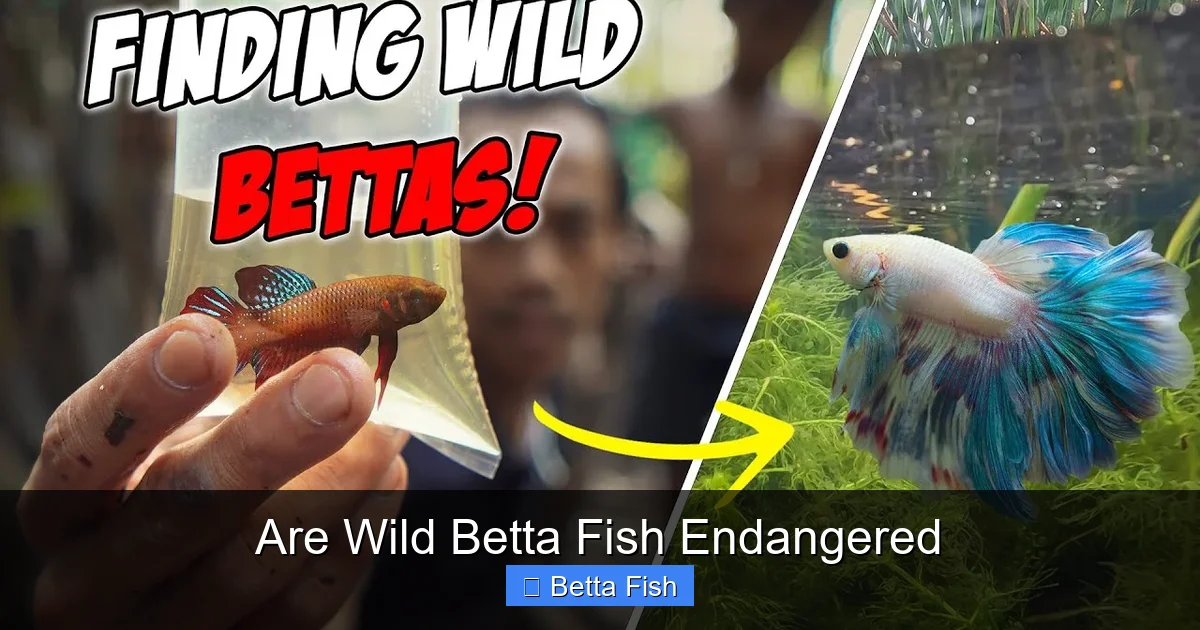
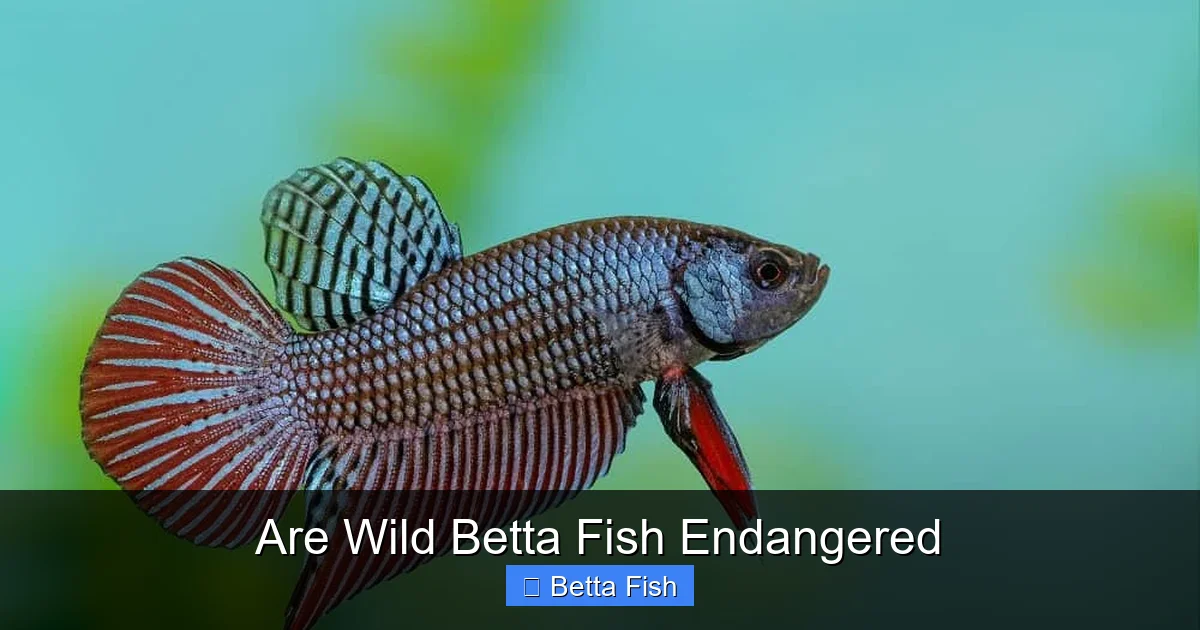
Wild bettas are native to the Mekong and Chao Phraya river basins, covering parts of Thailand, Cambodia, Laos, Vietnam, and the Malay Peninsula. They favor slow‑moving streams, rice paddies, and peat‑rich swamps where the water is warm (24‑30°C) and slightly acidic.
Visual guide about Are Wild Betta Fish Endangered
Image source: aquariadise.com
Typical habitats
- Peat swamps: Dark, tannin‑stained water with low oxygen levels.
- Rice paddies: Seasonal habitats that provide shelter and abundant insects.
- Mangrove fringes: Brackish zones that many betta species tolerate.
These habitats are fragile. A change in water chemistry, loss of vegetation, or blockage of water flow can quickly make the environment unsuitable for bettas.
2. How Scientists Determine Endangerment
IUCN Red List categories
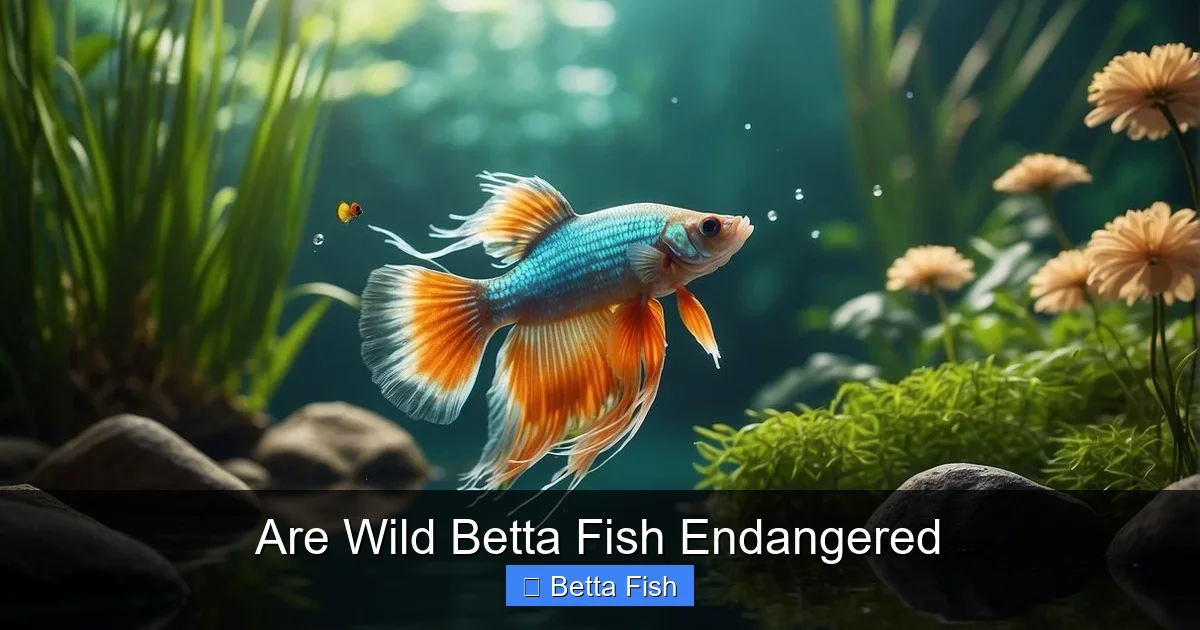
The International Union for Conservation of Nature (IUCN) classifies species from “Least Concern” to “Critically Endangered.” As of the latest assessments, several wild betta species—such as Betta splendens (the common Siamese fighting fish) and Betta smaragdina—are listed as “Data Deficient,” meaning there isn’t enough information to assign a precise status.
Visual guide about Are Wild Betta Fish Endangered
Image source: koala.sh
Key assessment criteria
- Population size and trend: Declining numbers raise red flags.
- Geographic range: Species confined to a single watershed are more vulnerable.
- Habitat quality: Degradation scores heavily in risk calculations.
- Threats: Over‑collection, pollution, and climate change are weighed.
Because many betta species live in remote or seasonally flooded areas, field surveys are difficult, which is why data gaps remain large.
3. Major Threats Facing Wild Betta Fish
Habitat loss and fragmentation
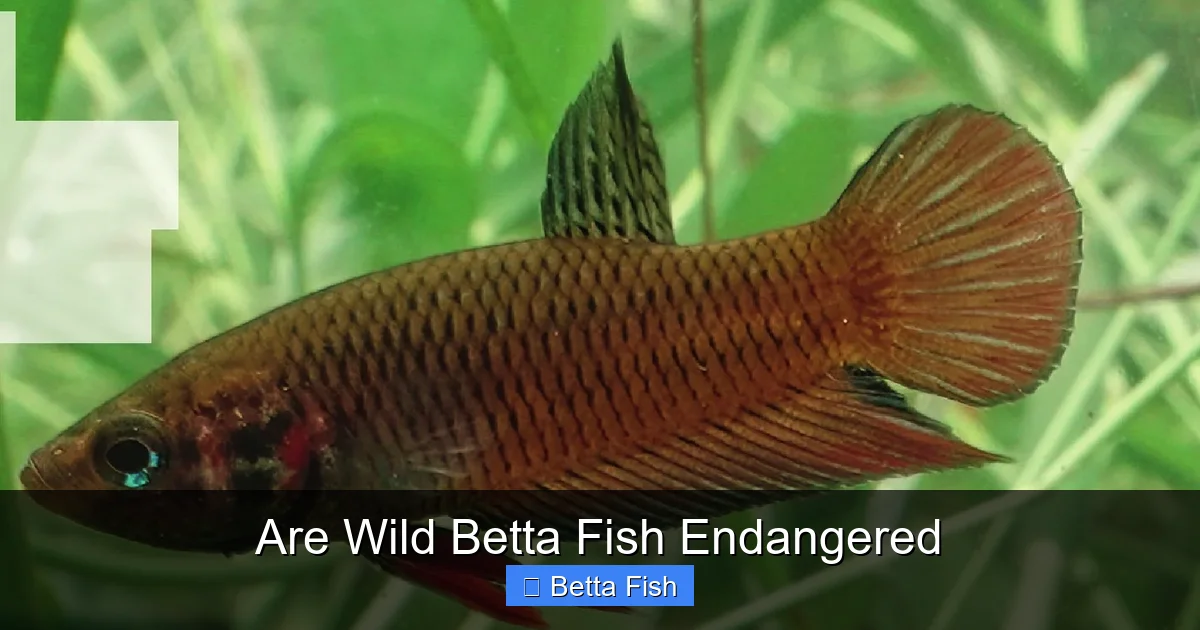
Deforestation for palm oil, rubber, and urban expansion has cleared thousands of hectares of peat swamp forest. When these areas are drained, the water chemistry changes dramatically—pH rises, tannins disappear, and oxygen levels increase, making the environment inhospitable for bettas.
Visual guide about Are Wild Betta Fish Endangered
Image source: dt565gqrz3z7y.cloudfront.net
Pollution and water quality decline
Agri‑chemical runoff (fertilizers, pesticides) leaches into streams, causing algal blooms that deplete oxygen. Heavy metals from mining also accumulate in sediments, harming fish development.
Unsustainable collection for the aquarium trade
While captive breeding now supplies most pet stores, a black market still exists for rare color morphs. Collectors sometimes use destructive methods, such as netting entire schools, which can devastate local populations.
Climate change
Rising temperatures and altered rainfall patterns affect breeding cycles. Extreme droughts dry up shallow pools, leaving bettas with nowhere to hide.
4. Conservation Efforts and Success Stories
Protected areas and habitat restoration
Countries like Thailand have designated wildlife sanctuaries that include peat swamp habitats. NGOs work with local communities to re‑plant native vegetation and restore natural water flow.
Captive‑breeding programs
Several universities and aquarium societies maintain genetically diverse captive lines of wild‑type bettas. These programs aim to supply the pet trade without harming wild stocks and to serve as a genetic reservoir for future re‑introduction.
Community‑based monitoring
Citizen science projects train villagers to identify betta species and record sightings. Data collected through smartphone apps help researchers map distribution changes over time.
Legal protections
Some nations have added popular betta species to their wildlife protection lists, making illegal export punishable by fines or imprisonment. Enforcement, however, remains uneven.
5. What You Can Do to Help
Support sustainable aquarium retailers
Buy bettas that are clearly labeled as “captive‑bred.” Reputable shops often provide certificates or link to breeding facilities.
Donate or volunteer with conservation NGOs
Organizations focused on Southeast Asian wetland protection often accept donations earmarked for fish conservation. Volunteering for habitat‑restoration trips can also make a tangible impact.
Educate fellow hobbyists
Share information about the risks of releasing pet bettas into local waterways. Non‑native releases can outcompete or hybridize with wild populations, threatening genetic integrity.
Advocate for responsible policies
Contact local representatives to support legislation that protects peatlands and regulates wildlife trade. Public pressure has led to stricter export permits in several countries.
6. Frequently Overlooked Aspects
Genetic diversity matters
Even if a species isn’t officially “endangered,” loss of genetic variation can reduce resilience to disease and environmental change. Maintaining diverse captive lines helps preserve this hidden resource.
The role of predators
Natural predators like larger fish and water snakes keep betta populations in check. When habitats are altered, predator numbers can drop, leading to overpopulation and subsequent resource depletion.
Interaction with other wildlife
Betta fish share their ecosystems with frogs, insects, and plants that also rely on clean, stable water. Protecting bettas often means protecting an entire community of organisms.
Conclusion: A Shared Responsibility
Answering the question are wild betta fish endangered requires nuance. While many species are not yet on the brink, ongoing habitat loss, pollution, and illegal collection push several populations toward vulnerability. The good news is that targeted conservation actions—protected areas, captive breeding, and community monitoring—are already making a difference.
As aquarium enthusiasts, we hold a unique power to influence market demand and spread awareness. By choosing responsibly sourced bettas, supporting habitat‑restoration projects, and speaking out for stronger wildlife protections, we can help ensure that the brilliant colors of wild betta fish continue to shimmer in their natural waters for generations to come.
Frequently Asked Questions
Are wild betta fish currently listed as endangered?
Most wild betta species are classified as “Data Deficient” or “Least Concern,” but several are considered vulnerable due to habitat loss and over‑collection.
Where can I find wild betta fish in their natural habitat?
Wild bettas are native to slow‑moving streams, peat swamps, and rice paddies of Thailand, Cambodia, Vietnam, and surrounding regions. See Where Are Wild Betta Fish Found for detailed locations.
How does the aquarium trade affect wild betta populations?
While most pet stores sell captive‑bred fish, illegal collection for rare color morphs still occurs, removing individuals from fragile wild populations and sometimes damaging their habitats.
Can I help protect wild bettas by changing my own aquarium practices?
Yes—buy only captive‑bred bettas, never release pet fish into the wild, and consider supporting retailers that follow sustainable breeding guidelines.
What habitats are most important for betta conservation?
Peat swamps, mangrove fringes, and seasonal floodplains are critical. Protecting these areas also benefits many other species that share the ecosystem.
Is there any way to track the health of wild betta populations?
Researchers use field surveys, DNA barcoding, and citizen‑science reporting apps to monitor population trends and identify emerging threats.