Can Aquarium Salt Harm Your Betta Fish
Adding aquarium salt isn’t always a danger, but misuse can stress or even kill a betta. This guide explains when salt is helpful, how to dose it correctly, and signs that your betta is reacting badly. Follow the simple steps below to keep your betta healthy and happy.
Key Takeaways
- Salt isn’t universally safe: Low‑dose applications can aid health, but high concentrations are toxic to bettas.
- Use proper measurement: One tablespoon of non‑iodized aquarium salt per 5 gallons is a common safe limit.
- Watch for stress signals: Rapid breathing, faded colors, or clamped fins mean you need to stop the treatment.
- Only treat specific issues: Salt helps with parasites, mild fungal infections, and occasional water‑quality problems.
- Never replace regular water changes: Salt can mask problems but never fixes a dirty tank.
- Consider alternatives first: Quarantine, proper filtration, and temperature control often solve the same issues without salt.
- Know the species limits: Betta fish are native to soft, low‑salinity waters; they tolerate far less salt than goldfish or cichlids.
📑 Table of Contents
- Introduction: Why the Question Pops Up
- What Is Aquarium Salt and How Does It Differ From Table Salt?
- When Salt Can Be Beneficial for Betta Fish
- When Salt Can Harm Your Betta Fish
- How to Use Aquarium Salt Safely
- Signs Your Betta Is Reacting Badly to Salt
- Alternatives to Salt for Common Betta Problems
- Real‑World Example: A Betta’s Recovery Story
- Bottom Line: Can Aquarium Salt Harm Your Betta Fish?
- Helpful Resources
- Conclusion
Introduction: Why the Question Pops Up
When you first set up a betta tank, you’ll hear a lot of advice about “adding a pinch of aquarium salt.” Some hobbyists swear by it for treating fin rot, while others warn that bettas are “salt‑sensitive.” The confusion is real, and it’s easy to wonder: can aquarium salt harm your betta fish?
In this article we’ll break down the science, share real‑world examples, and give you a step‑by‑step plan for using salt safely—or deciding to skip it altogether. Think of it as a friendly chat over a cup of tea, with plenty of practical tips you can start using tonight.
What Is Aquarium Salt and How Does It Differ From Table Salt?
Composition matters
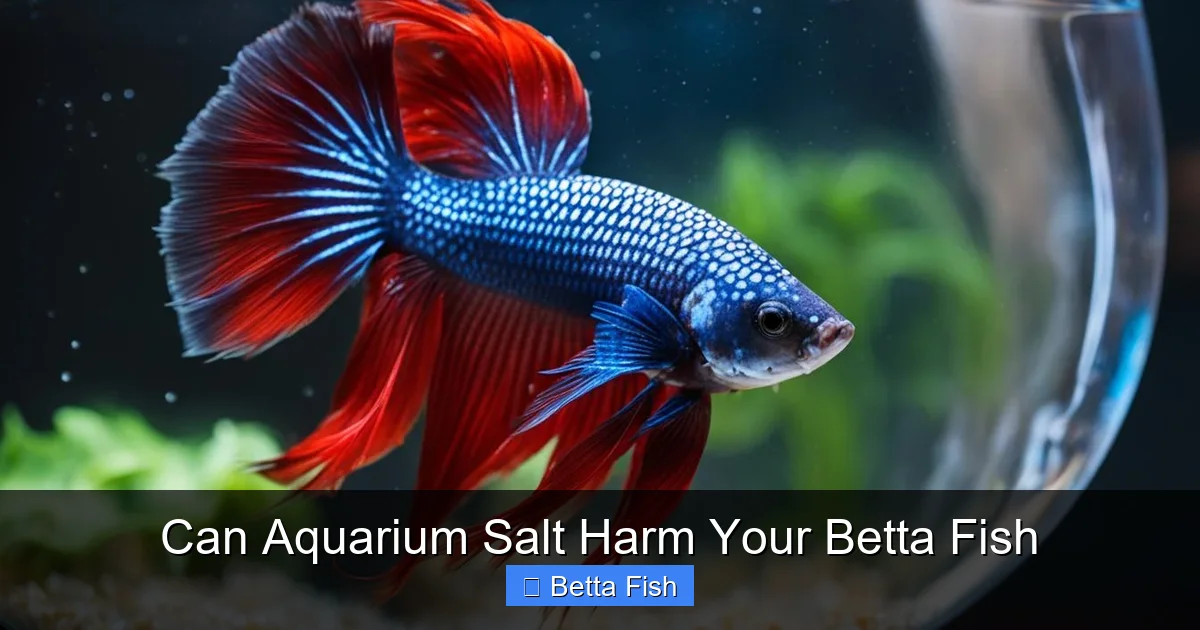
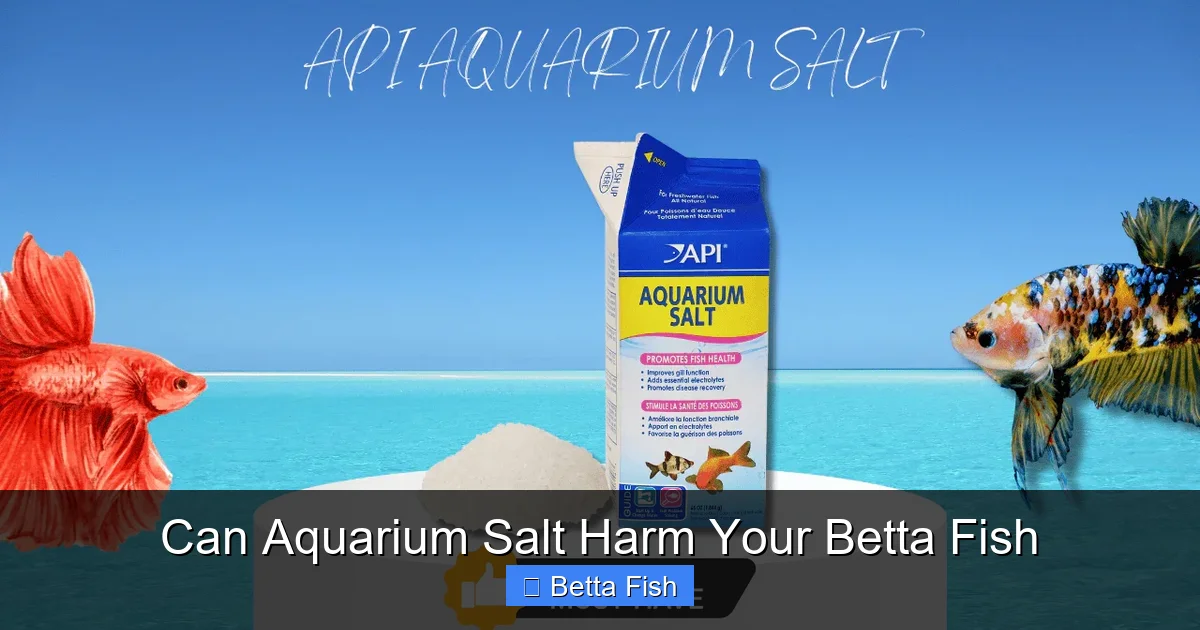
Aquarium salt is usually pure sodium chloride (NaCl) without the additives found in table salt—no iodine, anti‑caking agents, or flouride. Those extras can irritate a betta’s delicate gills, so always choose a product labeled “aquarium salt” or “non‑iodized marine salt.”
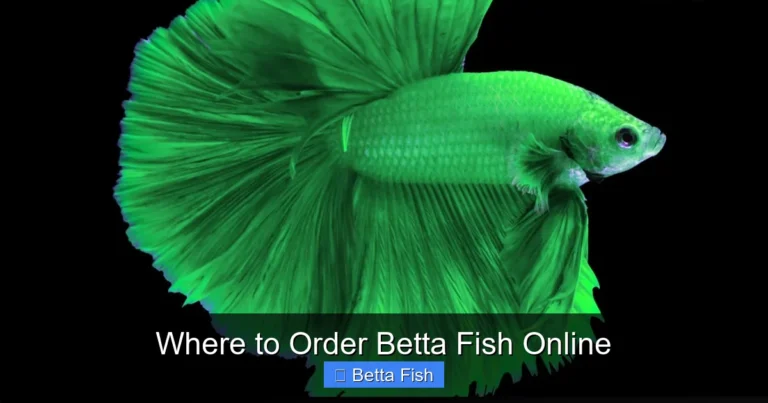
Visual guide about Can Aquarium Salt Harm Your Betta Fish
Image source: bettafishworld.com
Why hobbyists use it
- Osmotic balance: A small increase in water salinity can help fish retain fluids when they’re stressed.
- Parasite control: Certain external parasites struggle to survive in slightly salty water.
- Fungal and bacterial help: Salt can create an environment that discourages opportunistic microbes.
When Salt Can Be Beneficial for Betta Fish
Treating external parasites
If you spot tiny white spots or “cotton‑like” growth on your betta’s fins, a short‑term salt dip can be effective. Dissolve 1 teaspoon of aquarium salt in a separate container of dechlorinated water (about 1 gallon), then gently place the betta in the solution for 5‑10 minutes. Rinse with fresh tank water afterward.
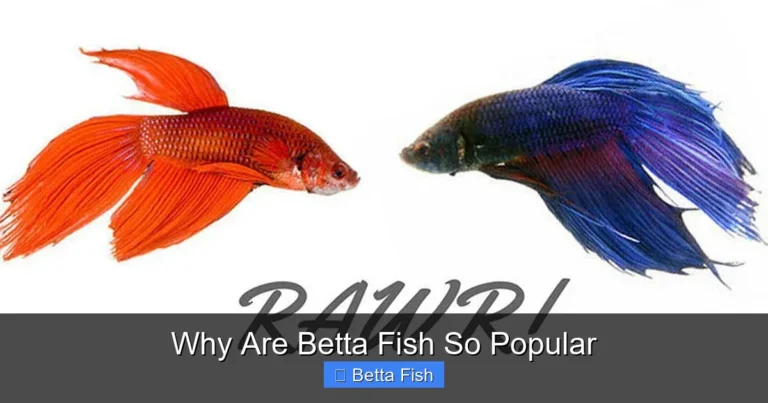
Visual guide about Can Aquarium Salt Harm Your Betta Fish
Image source: cdn.shopify.com
Managing mild fungal infections
Fungal patches often appear after a fin injury. Adding a low dose of salt to the main tank—about 1 tablespoon per 5 gallons—can slow fungal spread while you improve water quality.
Helping with temporary water‑quality spikes
In a new tank, ammonia or nitrite spikes can stress a betta. A modest salt addition can reduce the fish’s osmotic stress while your filter matures. Remember: this is a stop‑gap, not a cure.
When Salt Can Harm Your Betta Fish
Over‑concentration is toxic
Betta fish come from soft, low‑salinity rivers in Southeast Asia. Exposing them to more than 0.3% salinity (about 3 g of salt per liter) can cause gill irritation, reduced oxygen uptake, and even death.
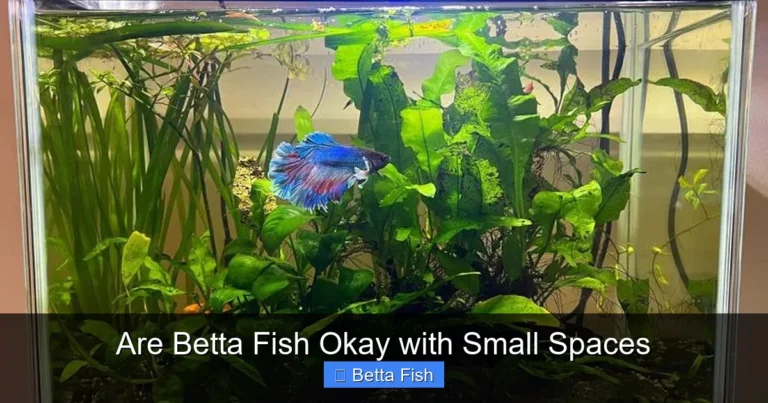
Visual guide about Can Aquarium Salt Harm Your Betta Fish
Image source: cdn.shopify.com
Chronic exposure
Leaving salt in the tank indefinitely builds up salinity as water evaporates. Over weeks, the concentration can creep into dangerous levels, especially in small bowls.
Interaction with medications
Many betta‑friendly medicines (e.g., copper‑based treatments) react poorly with salt, reducing effectiveness or creating toxic compounds.
How to Use Aquarium Salt Safely
Step‑by‑step dosing guide
- Test water first: Use a salinity refractometer or a simple hydrometer. Aim for less than 0.1% (1 g salt per 10 L) for short‑term treatments.
- Measure precisely: One tablespoon (≈15 g) of salt per 5 gallons (≈19 L) is a common safe dose for a 24‑hour treatment.
- Dissolve fully: Stir the salt in a separate container of tank water until no granules remain.
- Add slowly: Pour the solution back into the tank over 5 minutes to avoid shock.
- Monitor closely: Watch for rapid gill movement, gasping, or loss of color. If any appear, perform an immediate partial water change (25%) with fresh, unsalted water.
- Remove after treatment: After 24‑48 hours, begin a series of 20% water changes daily until the salinity returns to zero.
Tools you’ll need
- Digital kitchen scale (for accurate grams)
- Water test kit (ammonia, nitrite, pH, and salinity)
- Separate treatment container (plastic bucket or glass bowl)
Signs Your Betta Is Reacting Badly to Salt
Physical indicators
Look for clamped fins, faded coloration, or white patches that weren’t there before. These are early warnings that the salt dose is too high.
Behavioral clues
A betta that normally flares its fins may start hiding at the bottom, hover near the surface, or gasp at the water’s surface. Rapid breathing (more than 4 gill movements per second) is a red flag.
What to do if you see trouble
Immediately begin a 25‑30% water change with fresh, non‑salty water. Increase aeration with a gentle air stone and keep the tank temperature stable (around 78°F/25.5°C). If the fish continues to deteriorate, consult a vet or an experienced aquarist.
Alternatives to Salt for Common Betta Problems
Improving water quality
Regular 20% water changes, a good filter, and proper cycling are the most effective ways to prevent disease. A clean tank often eliminates the need for salt altogether.
Natural remedies
Betta‑safe products like Indian almond leaves or aquarium‑grade tea tree oil can help with fungal issues without altering salinity.
Quarantine new arrivals
Before adding any new fish, keep it in a separate quarantine tank for at least two weeks. This prevents the spread of parasites that might otherwise tempt you to use salt.
Real‑World Example: A Betta’s Recovery Story
Emma bought a bright blue male betta from a local pet store. Within a week, his fins developed a fuzzy white coating. She read that salt could help, so she added 1 tablespoon of aquarium salt to her 3‑gallon tank. After 24 hours, the coating faded, but the betta started gasping at the surface.
Emma immediately performed a 30% water change, removed the remaining salt, and added a handful of Indian almond leaves. Over the next three days, the betta’s colors returned, and his fins healed completely. The lesson? A low dose helped initially, but the lingering salinity caused stress. Quick action and an alternative remedy saved the fish.
Bottom Line: Can Aquarium Salt Harm Your Betta Fish?
Yes—if used incorrectly. A small, short‑term dose can be a useful tool for parasite or mild fungal control, but over‑dosing, chronic exposure, or ignoring water‑quality basics can seriously harm your betta. Treat salt as a temporary aid, not a permanent solution.
By measuring accurately, monitoring your fish, and keeping the tank clean, you can enjoy the benefits of salt without putting your betta at risk. And remember, if you’re ever unsure, the safest route is to improve water conditions and seek advice from a trusted aquarium community.
Helpful Resources
For more on spotting a sick betta, see How Can You Tell If Your Betta Fish Is Sick. If you’re curious about the signs of a happy betta, check How Can You Tell If Your Betta Fish Is Happy. Finally, learn about safe tank mates in What Other Fish Can Live With Betta Fish.
Conclusion
Deciding whether to add aquarium salt is a balance of risk and reward. Use it sparingly, follow the dosing steps, and always watch your betta’s response. When in doubt, focus on water quality, proper nutrition, and a stress‑free environment—these are the foundations of a thriving betta.
Frequently Asked Questions
Can I use regular table salt instead of aquarium salt?
No. Table salt contains iodine and anti‑caking agents that can irritate a betta’s gills. Always choose pure, non‑iodized aquarium salt.
How long should I keep salt in the tank?
For treatment, keep it for no more than 24‑48 hours, then begin gradual water changes to return to zero salinity.
Is salt safe for a betta’s fry?
Fry are much more sensitive. Avoid any salt treatment until they are several weeks old and have fully developed gills.
Can salt help with ammonia spikes?
Salt may reduce stress during a spike, but it does not remove ammonia. Focus on improving filtration and performing water changes.
My betta looks pale after a salt dip. Is this normal?
A slight temporary fading can happen, but if the color doesn’t improve within a few hours, perform a water change and monitor for other stress signs.
Do I need to adjust the heater when I add salt?
Salt slightly raises water density, which can affect temperature readings. Check the heater after adding salt and adjust if the temperature drifts more than 1°F.