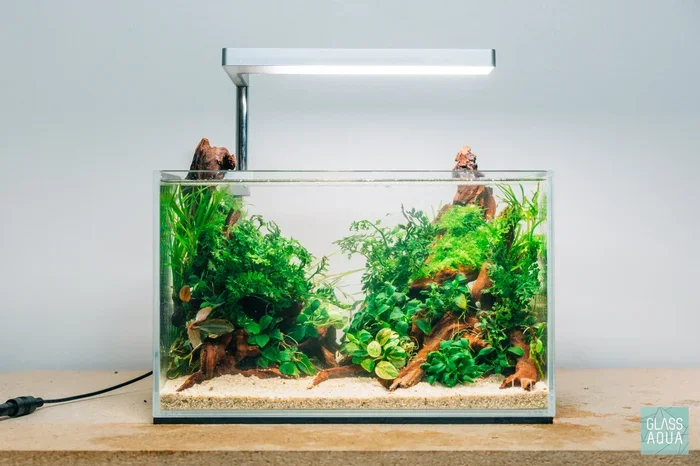
Can Betta Fish Use Purified Water
Betta fish can survive in purified water, but it is not ideal for long-term health without proper remineralization. Purified water lacks essential minerals that bettas need, so you must add a water conditioner and mineral supplements to make it safe and suitable for your betta fish tank.
Key Takeaways
- Purified water is not naturally safe for betta fish because it lacks essential minerals and can cause osmotic stress.
- You can use purified water for bettas if you remineralize it and add a quality water conditioner.
- Distilled water is the worst choice for betta fish because it contains zero minerals and no beneficial nutrients.
- Tap water with conditioner is often better than purified water because it retains some natural minerals.
- RO water and purified water are similar — both require remineralization before being safe for bettas.
- Always test water parameters when using purified water to ensure pH, hardness, and ammonia levels are safe.
- Consistency matters more than water type — stable conditions keep bettas healthier than constantly switching water sources.
📑 Table of Contents
- Can Betta Fish Use Purified Water? What Every Betta Owner Needs to Know
- What Exactly Is Purified Water?
- Why Purified Water Can Be Problematic for Betta Fish
- How to Make Purified Water Safe for Betta Fish
- Comparing Purified Water to Other Water Types for Betta Fish
- Common Mistakes Betta Owners Make with Water
- Expert Recommendations for Betta Fish Water
- Setting Up the Perfect Betta Tank with Purified Water
- Conclusion
Can Betta Fish Use Purified Water? What Every Betta Owner Needs to Know
If you are a betta fish owner, you have probably wondered about the best type of water for your colorful little friend. With so many options available — tap water, bottled water, distilled water, and purified water — it can be confusing to figure out which one is truly safe. One of the most common questions betta keepers ask is: can betta fish use purified water? The answer is not as straightforward as you might think. Let us dive deep into this topic so you can make the best decision for your betta.
Purified water sounds like it should be the cleanest and safest option, right? After all, it has been filtered to remove impurities, chemicals, and contaminants. But here is the catch — the purification process also removes many of the minerals and nutrients that betta fish need to thrive. This means that while purified water will not immediately kill your betta, it is not the perfect choice straight out of the bottle. In this article, we will explore everything you need to know about using purified water for betta fish, including how to make it safe, what alternatives exist, and what experts recommend.
What Exactly Is Purified Water?
How Purified Water Is Made
Purified water goes through a rigorous filtration process. This can include reverse osmosis, deionization, or distillation. The goal is to remove chemicals, heavy metals, bacteria, and other contaminants. The result is extremely clean water — almost too clean for fish. Companies that sell purified water often market it as the purest drinking water available, and for humans, that is generally true. But fish have very different needs than we do.
Purified Water vs. Distilled Water vs. RO Water
People often confuse purified water with distilled water and reverse osmosis (RO) water. While they are similar, there are some differences. Distilled water is boiled into steam and then condensed back into liquid, leaving almost everything behind. RO water is forced through a semi-permeable membrane that filters out most dissolved solids. Purified water is a broader term that can include both of these methods plus other filtration techniques. The common thread is that all three types end up with very low mineral content, which is the main concern for betta fish owners.
Why Purified Water Can Be Problematic for Betta Fish
The Missing Minerals Issue
Betta fish are native to the warm, shallow waters of Southeast Asia. In their natural habitat, the water contains dissolved minerals like calcium, magnesium, and potassium. These minerals play a crucial role in a betta’s health. They help regulate osmotic pressure, which is how fish maintain the right balance of fluids in their bodies. When you place a betta in purified water that lacks these minerals, the fish’s body has to work much harder to maintain this balance. Over time, this stress can lead to health problems, weakened immune systems, and even death.
Osmotic Stress Explained
Think of it this way — in mineral-rich water, a betta’s body does not have to fight to keep fluids in balance. But in purified water, the lack of dissolved minerals creates an environment where water actually tries to flow into the fish’s cells to equalize the concentration. This is called osmotic stress. It forces the fish’s kidneys and gills to work overtime. A betta might survive this for a while, but it is like running a car without oil — eventually, something will break down.
pH Instability
Another problem with purified water is that it has very little buffering capacity. Buffering capacity refers to the water’s ability to maintain a stable pH level. Without dissolved minerals and carbonates, purified water can swing in pH very quickly. Betta fish prefer a pH between 6.5 and 7.5. If the pH drops or spikes suddenly, it can cause severe stress and even fatal pH shock. This is one of the biggest reasons why using purified water without proper preparation is risky.
How to Make Purified Water Safe for Betta Fish
Step 1: Add a Quality Water Conditioner
If you are determined to use purified water for your betta, the first step is to add a high-quality water conditioner. A good conditioner will neutralize any residual chlorine or chloramine and may also contain ingredients that help protect the fish’s slime coat. However, most standard water conditioners do not add back the missing minerals. You will need to take an additional step to address that issue. Check out our guide on whether too much water conditioner can kill betta fish to make sure you are using the right amount.
Step 2: Remineralize the Water
This is the most critical step. You need to add essential minerals back into the purified water before your betta goes anywhere near it. You can purchase commercial remineralizers designed for aquariums. These products typically contain calcium, magnesium, potassium, and other trace elements. Follow the instructions on the product label carefully. Adding too much can be just as harmful as adding too little. Some betta keepers also use crushed coral or limestone in their filter to slowly release minerals into the water.
Step 3: Test the Water Parameters
Never assume the water is safe just because you have added conditioner and minerals. Always test the water using a reliable aquarium test kit. You want to check the pH, general hardness (GH), carbonate hardness (KH), ammonia, nitrite, and nitrate levels. The ideal parameters for betta fish are a pH of 6.5 to 7.5, moderate GH, and zero ammonia and nitrite. If anything is off, adjust it before adding your fish. Our article on what water to use for betta fish covers ideal water parameters in more detail.
Step 4: Temperature Matters Too
While you are preparing your purified water, do not forget about temperature. Betta fish are tropical fish that need water between 76°F and 82°F (24°C to 28°C). Purified water from the store is usually room temperature or colder, so you will need an aquarium heater to bring it up to the right range. Sudden temperature changes can shock your betta, so always acclimate your fish slowly when introducing them to new water.
Comparing Purified Water to Other Water Types for Betta Fish
Tap Water: The Most Common Choice
Most betta owners use tap water, and for good reason. Tap water contains natural minerals that benefit fish. The main concern with tap water is the presence of chlorine, chloramine, and sometimes heavy metals. These can be easily removed with a water conditioner. Many experienced betta keepers find that conditioned tap water is actually better than purified water because it retains beneficial minerals. Learn more about this in our article on whether you can use tap water for your betta fish.
Bottled Water: Hit or Miss
Bottled water varies widely in quality. Some brands are essentially purified water with no minerals. Others are spring water that contains natural minerals. If you choose bottled water, always read the label. Look for water that lists mineral content and has a neutral pH. Avoid anything labeled as distilled or purified unless you plan to remineralize it. Our detailed guide on using bottled water for betta fish breaks down which brands work best.
Distilled Water: The Worst Option
Distilled water should be avoided for betta fish unless you are experienced with remineralization. It contains absolutely no minerals and has no buffering capacity. Using distilled water without adding anything back is a recipe for disaster. If you are curious about this topic, read our article on whether distilled water is safe for betta fish.
Well Water: Proceed with Caution
Well water can be an option, but it requires thorough testing. Some well water is perfectly fine for bettas, while others may contain high levels of iron, sulfur, or other minerals that are harmful. Always test well water before using it in your betta tank. If you are considering well water, our article on using well water for betta fish provides helpful guidance.
Common Mistakes Betta Owners Make with Water
Using Purified Water Without Remineralizing
This is by far the most common mistake. Many betta owners assume that because purified water is clean and safe for humans, it must be safe for fish too. As we have discussed, the lack of minerals makes it unsuitable for bettas without proper preparation. Always remineralize before use.
Not Testing Water Parameters Regularly
Even if you are using the right type of water, failing to test regularly can lead to problems. Ammonia spikes, pH swings, and other issues can develop without obvious signs. Make testing a weekly habit. This is especially important in smaller tanks, where water quality can deteriorate quickly. If you are wondering about tank size, check out our article on how much water a betta fish needs.
Changing Too Much Water at Once
Some owners think that doing massive water changes with purified water will keep their betta extra clean. In reality, large water changes can shock your fish. The sudden shift in water chemistry — even if the new water is technically “cleaner” — can cause stress and illness. Stick to changing 25% to 50% of the water at a time, and always match the temperature and parameters of the new water to the old water.
Ignoring the Nitrogen Cycle
No matter what type of water you use, your tank needs to be properly cycled. The nitrogen cycle establishes beneficial bacteria that convert toxic ammonia into less harmful substances. Without this cycle, ammonia will build up quickly and poison your betta. Purified water does not give you a free pass on cycling — in fact, it can make cycling harder because the lack of minerals can slow bacterial growth.
Expert Recommendations for Betta Fish Water
What Experienced Betta Keepers Recommend
Most experienced betta keepers recommend using dechlorinated tap water as the primary water source. It is affordable, contains natural minerals, and is easy to prepare. If your tap water is particularly hard or has high levels of contaminants, a mix of tap water and purified water can work well. The key is to always condition the water and test it before use.
Visual guide about Can Betta Fish Use Purified Water
Image source: auctions.c.yimg.jp
When Purified Water Makes Sense
There are situations where purified water is a good choice. If your tap water contains high levels of copper, lead, or other contaminants that are difficult to remove with a standard conditioner, purified water with added minerals can be a safer alternative. Purified water is also useful for topping off your tank during evaporation, as long as you are not relying on it as your sole water source.
Products That Help
Several products on the market can make using purified water easier. Look for aquarium-specific remineralizers like Seachem Equilibrium or API Proper pH. These products are designed to add back the exact minerals that fish need. You can also use a combination of crushed coral and activated carbon in your filter to naturally buffer and mineralize the water over time.
Setting Up the Perfect Betta Tank with Purified Water
Equipment You Will Need
If you plan to use purified water, you will need a few extra pieces of equipment. First, invest in a reliable liquid test kit — test strips are less accurate. You will also need a quality water conditioner, a remineralizer, an aquarium heater, and a thermometer. A good filter is essential too, even though bettas do not produce as much waste as larger fish. A gentle sponge filter works well for betta tanks.
Step-by-Step Setup Process
Start by filling your tank with purified water. Add your remineralizer according to the product instructions. Run the heater and filter for at least 24 hours to allow the water to stabilize. Test the water parameters and adjust as needed. Once everything is within the safe range, you can begin the cycling process. This typically takes four to six weeks. Do not add your betta until the cycle is complete and ammonia and nitrite levels are consistently zero.
Ongoing Maintenance Tips
Once your tank is established, maintenance becomes routine. Perform weekly water changes of 25% to 30%. Always prepare your purified water in advance — remineralize it, condition it, and temperature-match it before adding it to the tank. Keep a log of your water parameters so you can spot trends and catch problems early. Remember, consistency is the secret to a healthy betta. Our guide on how often to change water for betta fish can help you establish a good schedule.
Conclusion
So, can betta fish use purified water? The answer is yes — but with important caveats. Purified water lacks the essential minerals that betta fish need to stay healthy. Without remineralization, it can cause osmotic stress, pH instability, and long-term health problems. However, if you take the time to add the right minerals, condition the water properly, and test the parameters regularly, purified water can be a perfectly viable option for your betta.
For most betta owners, conditioned tap water remains the simplest and most reliable choice. It contains natural minerals, is easy to prepare, and is budget-friendly. But if your tap water quality is poor or you simply prefer using purified water, that is absolutely fine — just make sure you do it right. Your betta depends on you to provide a safe and healthy environment, and a little extra effort goes a long way in ensuring your fish lives a long, happy life.
At the end of the day, the best water for your betta is water that is clean, stable, and properly conditioned. Whether that comes from your tap, a bottle, or a purification system, what matters most is that you understand what your fish needs and you are willing to put in the work to provide it. Your beautiful betta will thank you with vibrant colors, active behavior, and years of companionship.
Frequently Asked Questions
Can betta fish live in purified water long-term?
Betta fish can live in purified water long-term only if it has been properly remineralized and conditioned. Without added minerals, purified water will eventually cause health problems due to osmotic stress and mineral deficiency.
Is purified water better than tap water for betta fish?
Not necessarily. Tap water contains natural minerals that benefit betta fish, while purified water lacks them. Conditioned tap water is generally a better and more convenient option for most betta owners.
Do I need to add anything to purified water before putting my betta in it?
Yes, you absolutely need to add a water conditioner and a remineralizer to purified water before adding your betta. You should also test the water parameters to ensure they are within the safe range for betta fish.
Can I mix purified water with tap water for my betta?
Yes, mixing purified water with tap water is a common and effective approach. This dilutes any contaminants in the tap water while retaining some beneficial minerals. Always condition the mixture and test it before use.
What is the best water for betta fish overall?
The best water for betta fish is dechlorinated tap water that has been treated with a quality water conditioner. It is affordable, contains natural minerals, and is easy to prepare. If tap water quality is poor, purified water with added minerals is a good alternative.
How do I remineralize purified water for my betta tank?
You can remineralize purified water by adding a commercial aquarium remineralizer like Seachem Equilibrium. Follow the product instructions carefully, and always test the water afterward to ensure the mineral levels are appropriate for betta fish.